THE ART OF SPACE: MANDARIN ORIENTAL MARRAKECH
words by MAGDALENA ROE
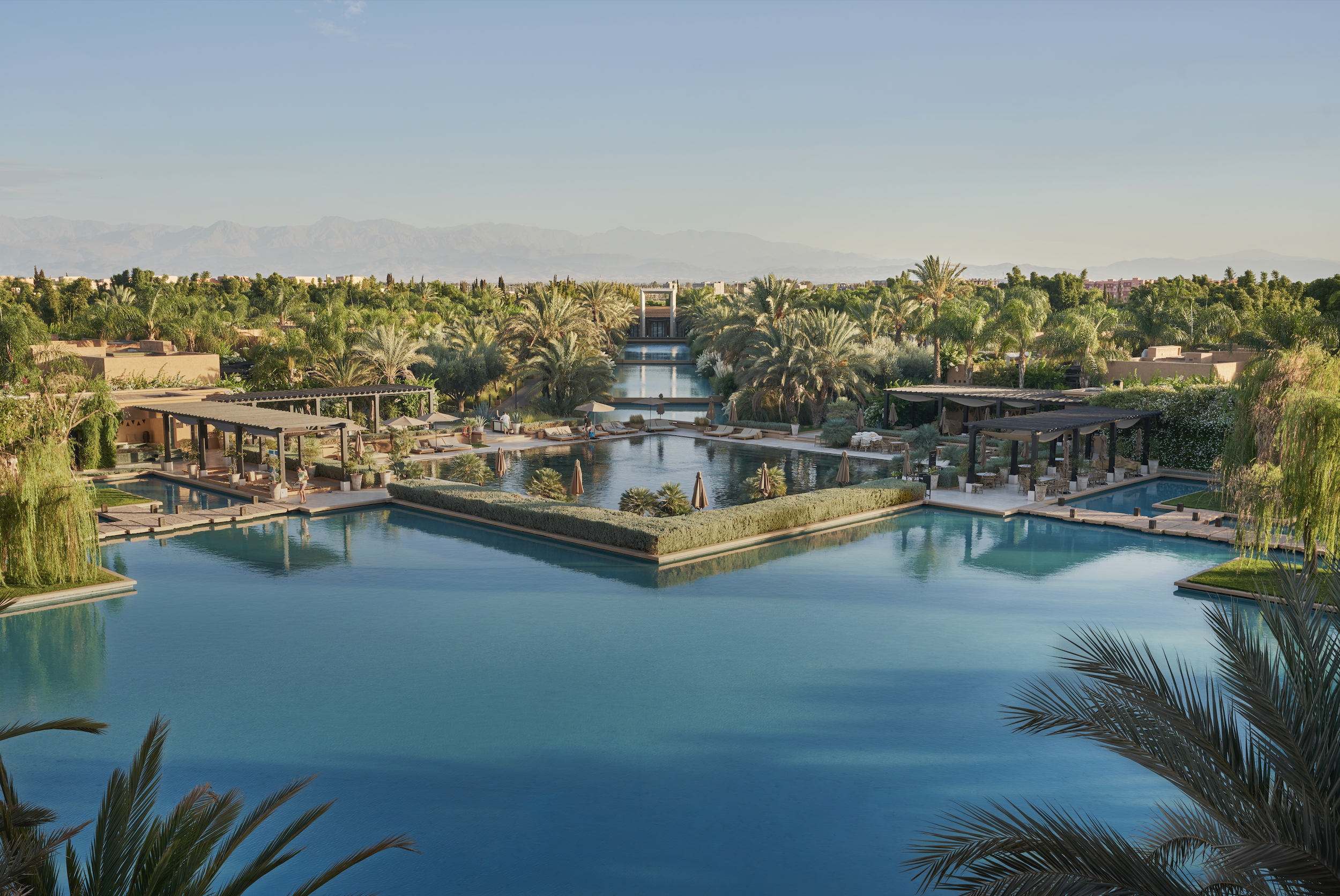
Set among olive groves and fragrant gardens with the Atlas Mountains on the horizon, Mandarin Oriental Marrakech immediately felt like a world of its own. Beyond the exceptional hospitality and beautiful interiors, what struck me most was the extraordinary sense of space. It is rare to find a place that feels so expansive, yet so carefully composed.
all images courtesy of MANDARIN ORIENTAL
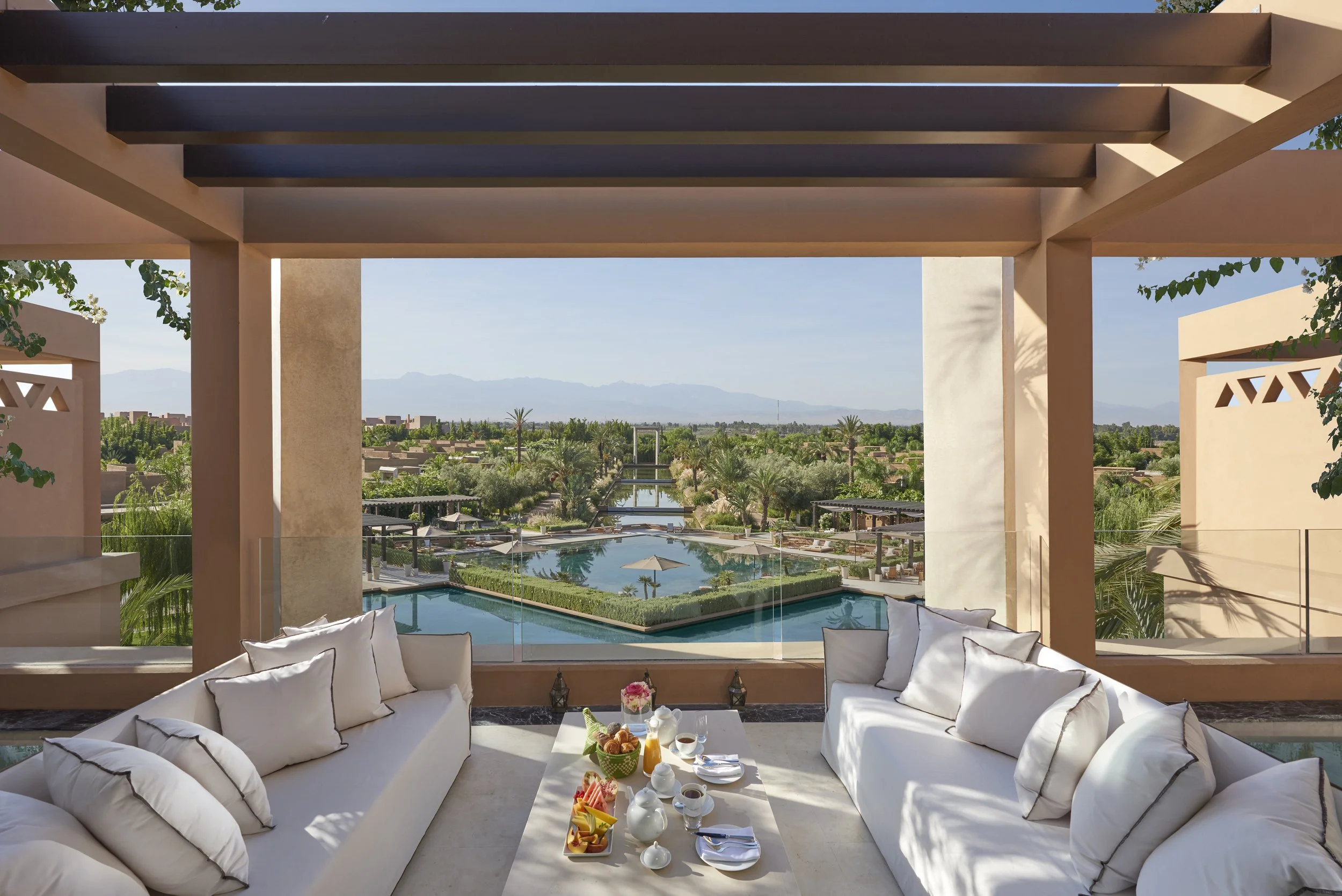
Stepping out from the lobby and into the gardens, pathways disappear into the greenery, pools catch the rays of sunshine, and private villas peek through the Palmeraie.
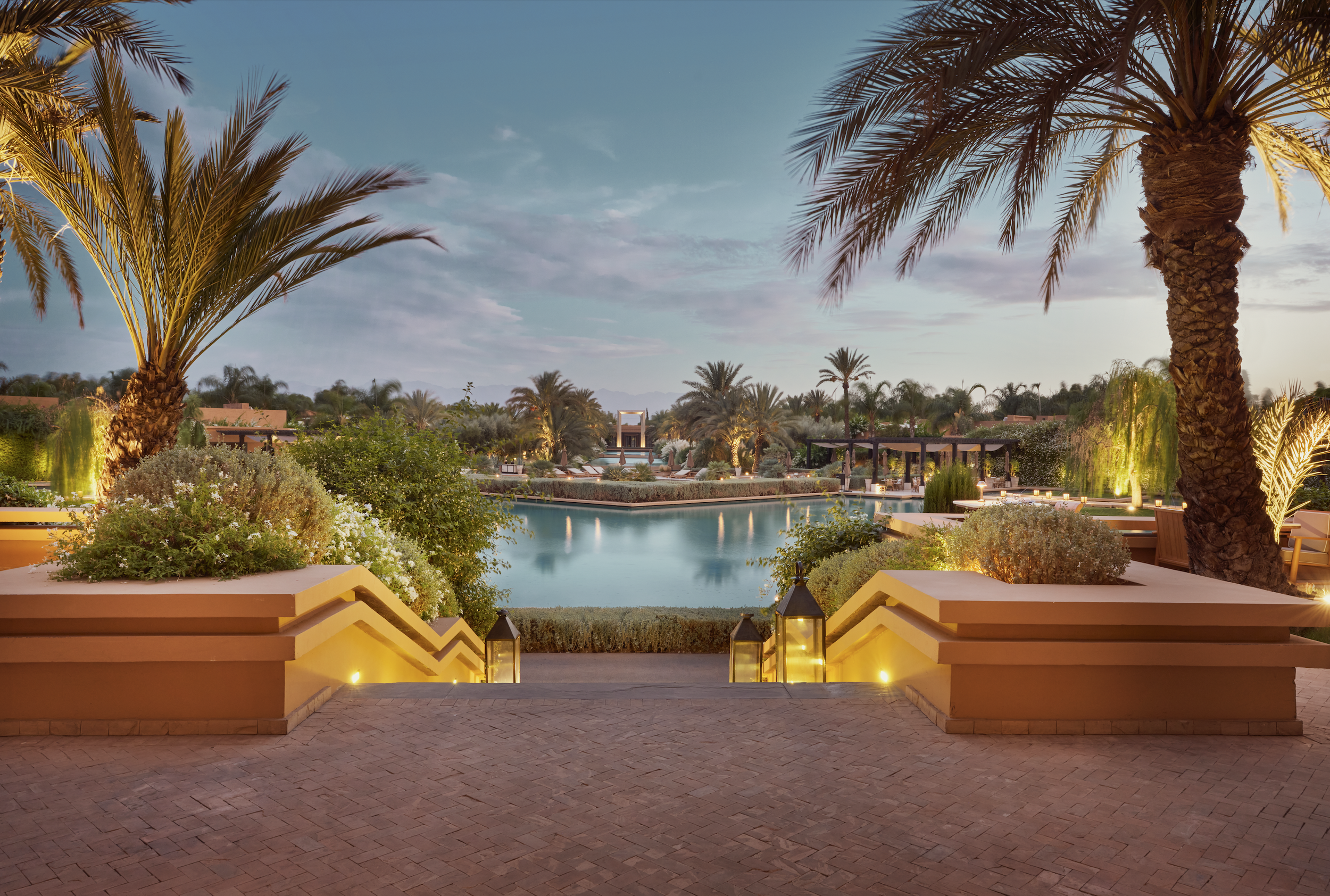
For first-time visitors to Morocco, Mandarin Oriental Marrakech provides an elegant gateway to the city. Just a short drive away, Marrakech reveals itself through hidden riads, artisan workshops, and centuries-old traditions, offering the perfect contrast to the tranquillity of the hotel.
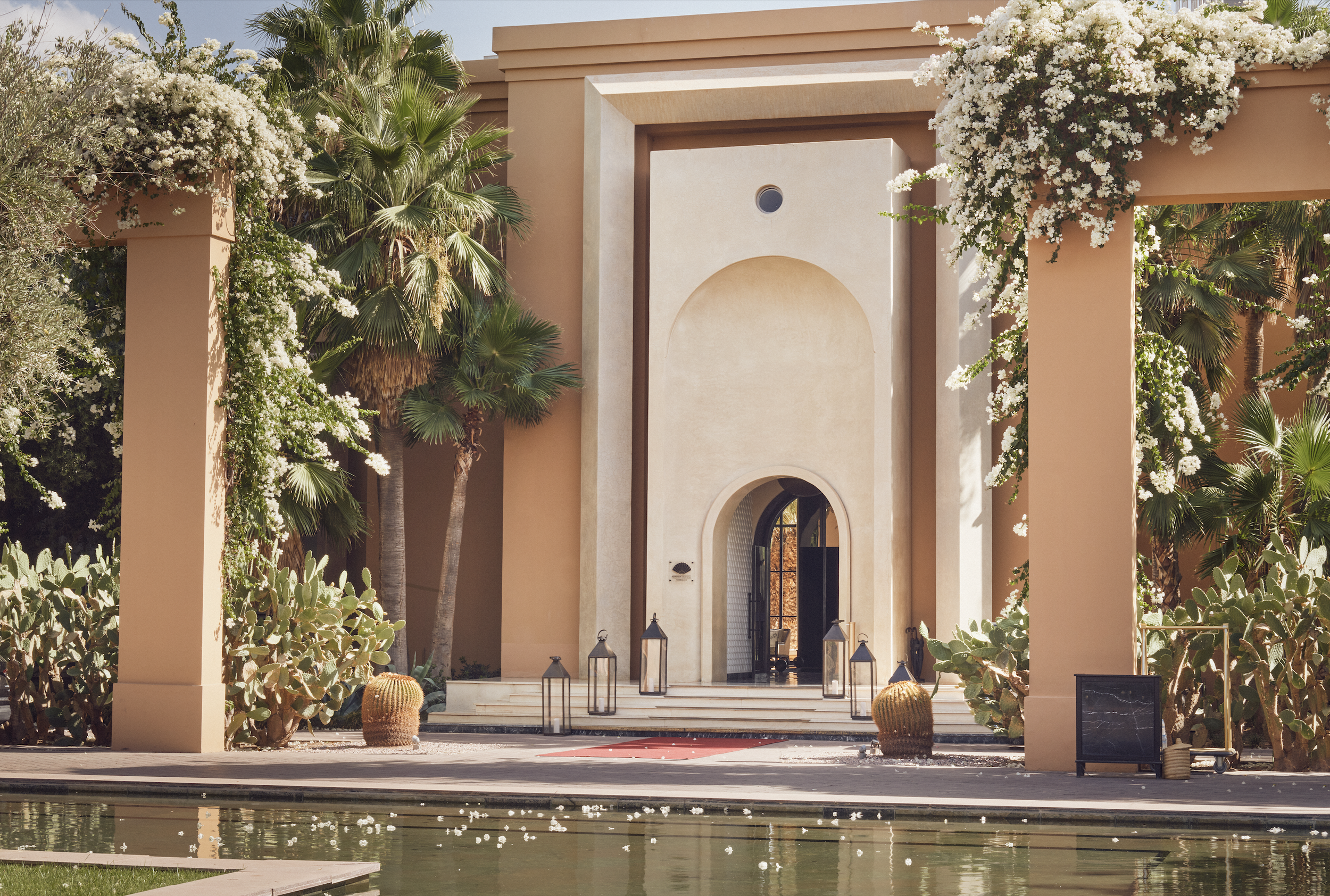
One of the greatest pleasures of Mandarin Oriental lies in the architecture itself. Designed by French duo Gilles & Boissier, the luxury retreat feels less like a conventional hotel and more like a carefully considered work of art, where buildings, gardens, and water exist in perfect harmony.
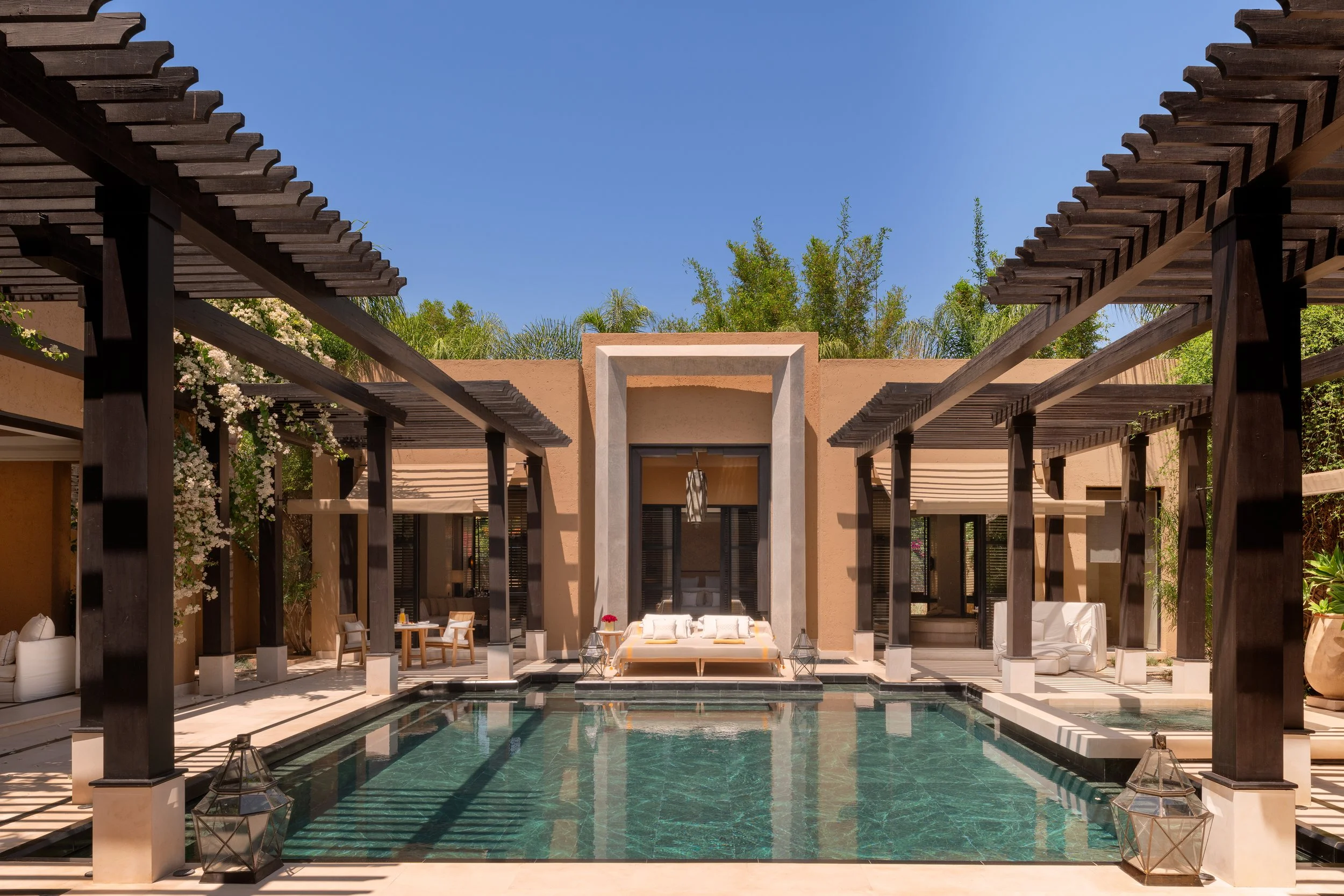
As I discovered the estate, I found myself drawn to its contemporary interpretation of traditional Moroccan craftsmanship. Smooth tadelakt plaster, intricately carved wood, and geometric zellige tiles appear throughout the resort, where Berber and Arab-Andalusian influences are reworked with remarkable restraint. Nothing feels overly decorative. Instead, every detail feels carefully considered and beautifully crafted.
A sense of harmony flows between the indoor and outdoor spaces. Terraces open onto lush gardens, pathways frame views of the Atlas Mountains, and the private villas offer a sense of seclusion while remaining unmistakably contemporary. Rather than competing with the landscape, the architecture exists in a quiet dialogue with it.
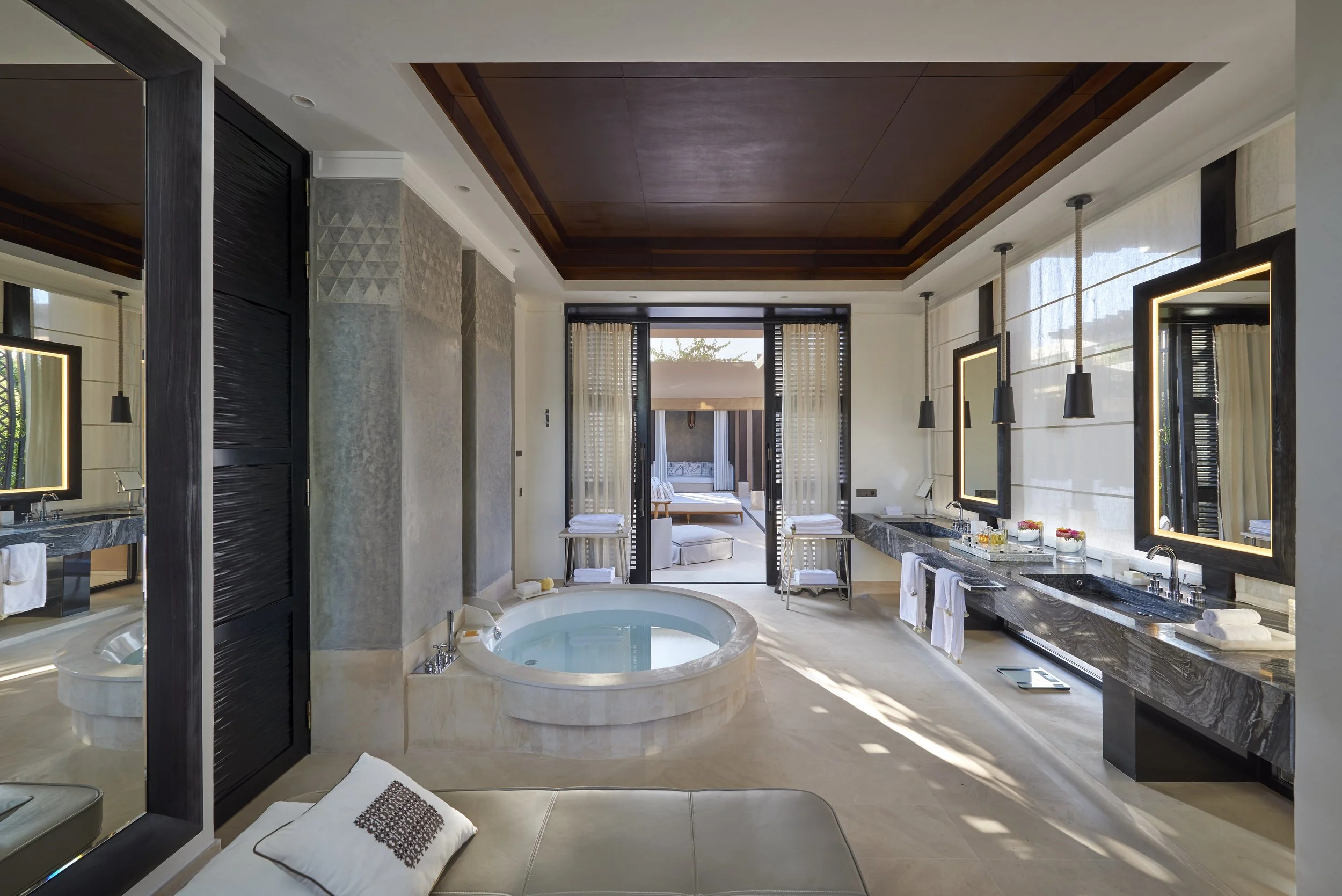
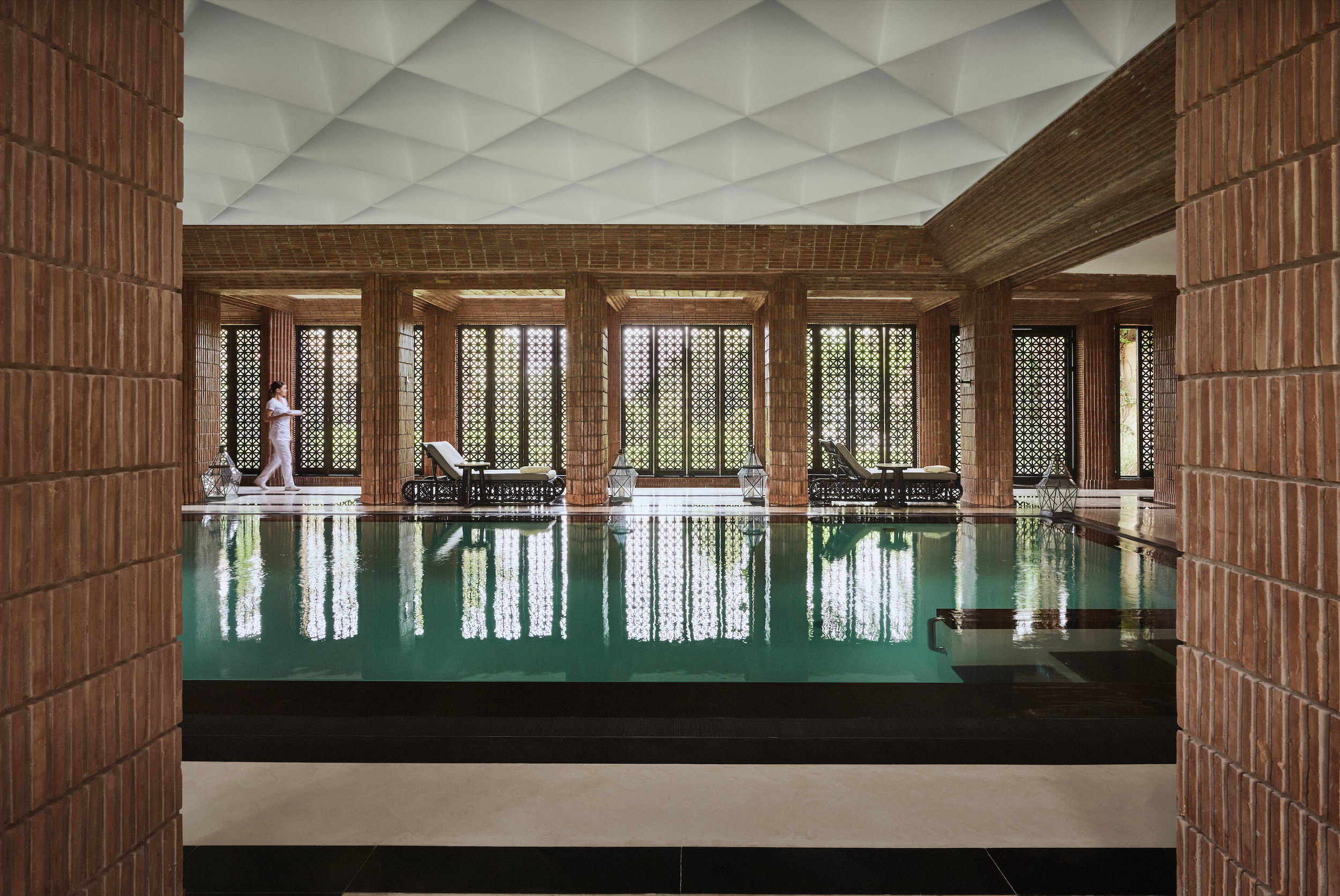
The spa follows the same philosophy. Inspired by Andalusian architecture, its vaulted spaces, filtered light, and tranquil courtyards create an atmosphere that invites you to slow down. At its centre lies an indoor pool framed by soaring ceilings and views onto the gardens beyond. Traditional hammams sit alongside holistic treatments and personalised wellness rituals, bringing together Moroccan traditions and contemporary wellbeing. Even without a treatment, the space itself encourages a slower rhythm.
Dining at Mandarin Oriental Marrakech felt like a continuation of the experience itself. I found myself at Ling Ling by Hakkasan, where modern Cantonese dishes and cocktails brought a special energy to the evening. Honey from the resort's own beehives, olive oil produced on the estate, and seasonal vegetables harvested from the gardens bring the essence of the land directly to the table.
Beyond the gardens and villas, I discovered M.O Studio, a light-filled gallery space developed in collaboration with Galerie 208. During my stay, the gallery was presenting Étoffes du Temps, featuring works by Franco-Moroccan artist Majida Khattari and Moroccan textile artist Soumiya Jalal. Exploring themes of memory, identity, and femininity through photography and textiles, the exhibition felt less like an extension of the hotel and more like a reflection of Marrakech itself, where tradition and contemporary creativity exist side by side.
What stayed with me long after leaving was the way Mandarin Oriental redefines the idea of a luxury hotel. Beyond the beauty of the villas, gardens, and impeccable service, it is the harmony between its architecture and its philosophy of serene living that gives the resort its character.
In a city celebrated for its colour, energy, and cultural richness, Mandarin Oriental offers a different perspective on Marrakech, one where space becomes a form of luxury, and where every detail reveals a story of tradition reinterpreted through a contemporary lens. More than simply a place to stay, it feels like an experience to inhabit: a living dialogue between Moroccan heritage, art, and contemporary design.