
words by MATTHIAS EYCKMANS
In a world where luxury is often defined by excess, AMAN stands for something radically different: silence, space and intention. For many years, Aman has represented a distinct approach to hospitality, particularly for those drawn to considered design, a strong sense of place and a more understated form of luxury.
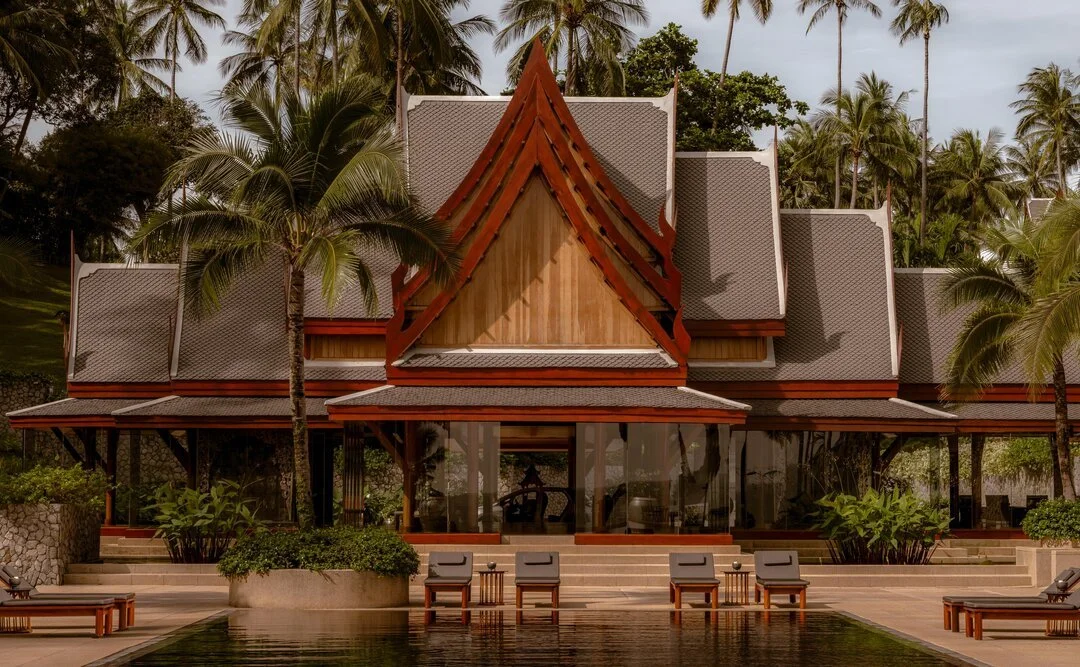
Starting in Thailand, we delve into three distinct layers, taking a closer look at Aman’s founding philosophy, the AMANPURI resort in Phuket, and the ethos of its founder, ADRIAN ZECHA, including his newest project in the Japanese countryside. What emerges is a reflection on timeless design, slow travel and a quieter understanding of luxury.
Since the beginning, Aman has attracted travellers searching for places that bring together beauty, culture, architecture and a sense of calm. The brand’s philosophy has become particularly influential within luxury hospitality, where service is expressed through attention to detail rather than spectacle. Aman’s properties have established a distinctive language of space, proportion and atmosphere, creating environments where the surroundings remain central to the experience.
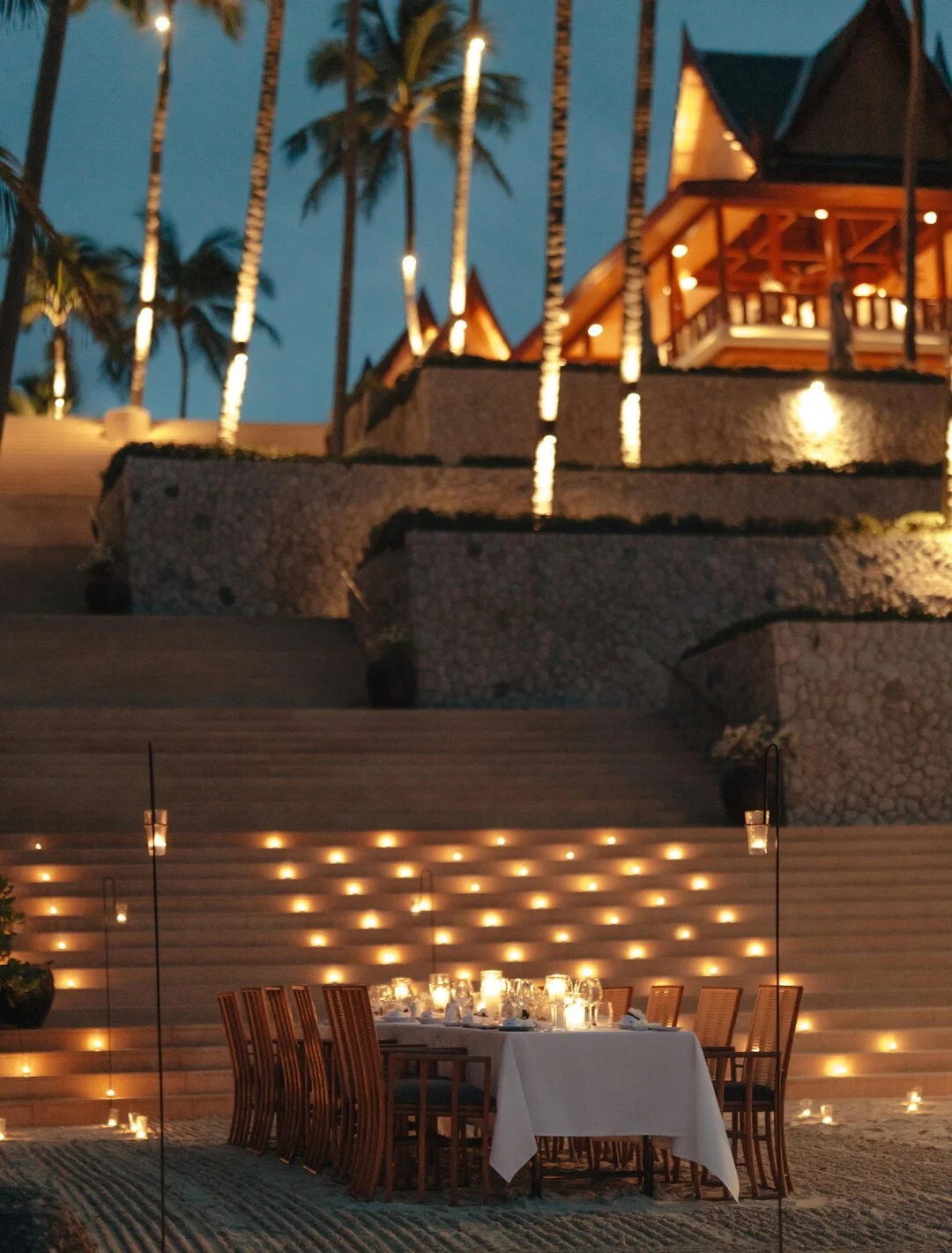
For those working within luxury travel and consultancy, this approach offers a useful reference point when looking at properties that understand luxury as something rooted in experience, detail and atmosphere. It is precisely this philosophy that continues to distinguish Aman. A sense of care and service operates at a level where nothing feels forced, and everything feels considered.
Amanpuri derives from Sanskrit, where aman means “peace” and puri means “place.” Together: place of peace. The resort opened in 1988 and is often referred to as the birthplace of Aman, the first property developed by Zecha.
The site was once a coconut plantation on the west coast of Phuket. Zecha initially explored it with the intention of building a private holiday residence. The idea evolved into something more restrained in scale: a small resort developed in partnership with three other entrepreneurs. The project was largely self-financed, as traditional lenders did not align with the limited number of planned keys.
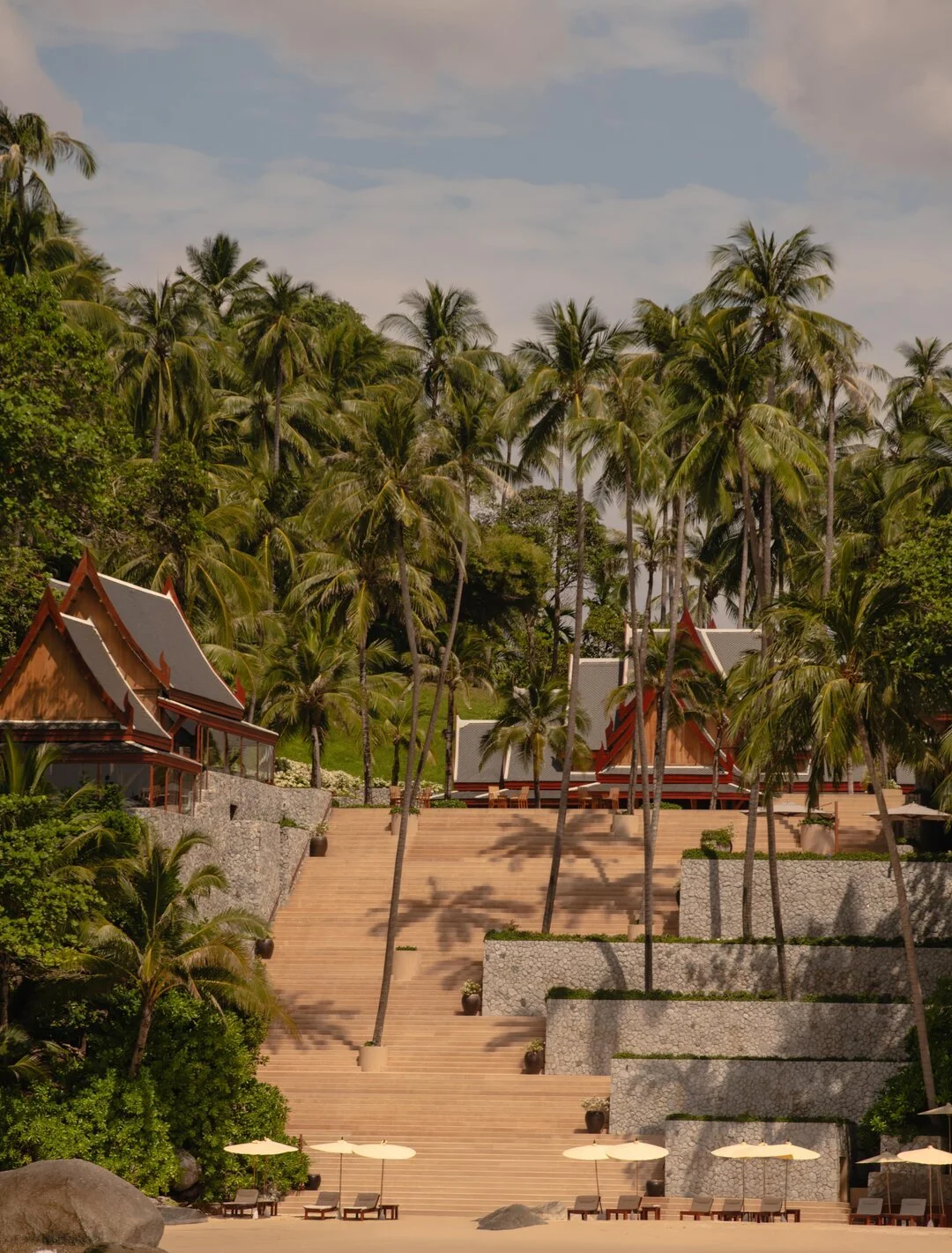
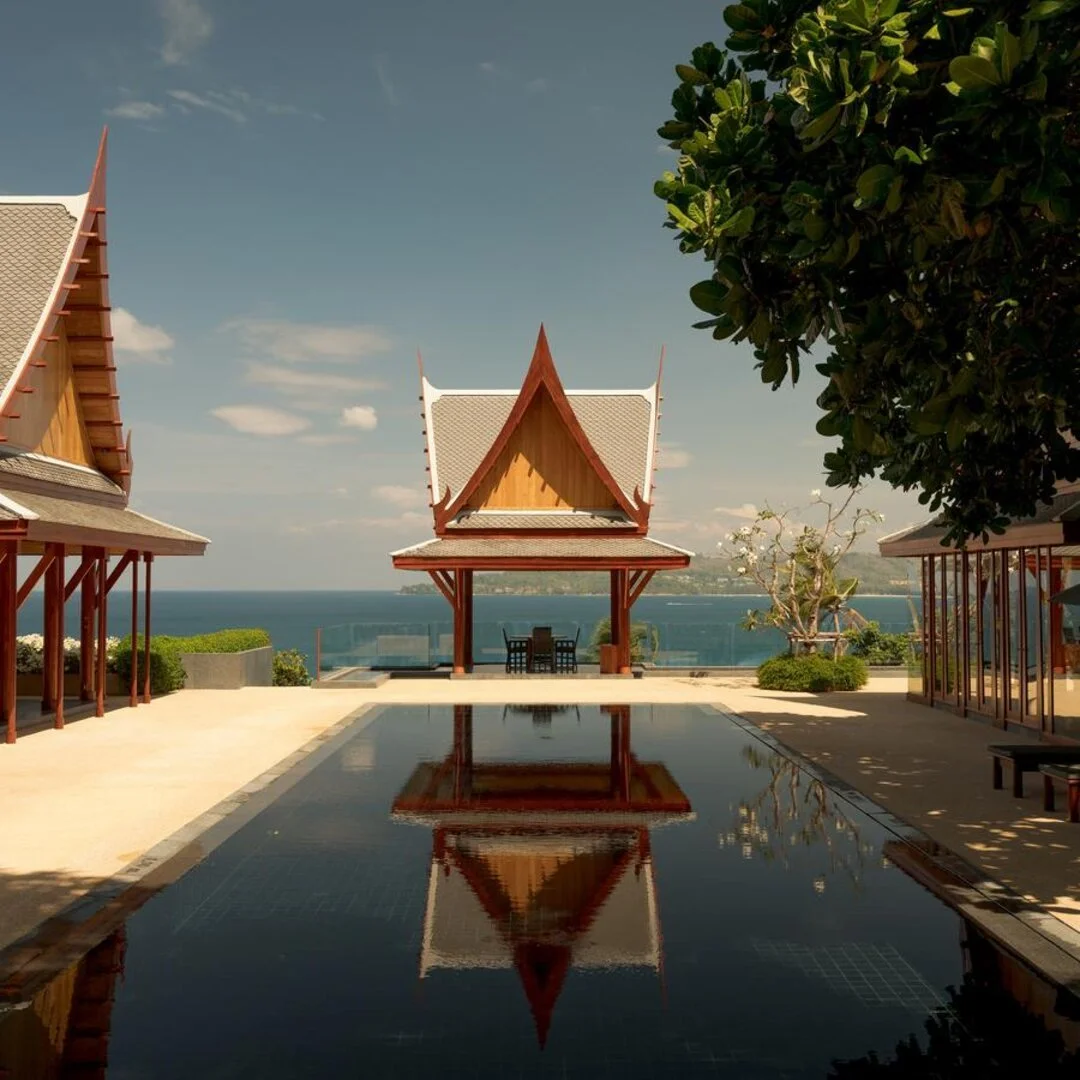
When Amanpuri opened in the 1980s, the total development cost was approximately four million US dollars. The resort was designed by architect ED TUTTLE, who drew inspiration from the forms of traditional Thai temples, particularly those found in the ancient capital of Ayutthaya. The result is a language of proportion, shadow and spatial calm.
Today, Amanpuri remains defined by its low-density layout. Forty pavilions and 44 private villas are set into the hillside, opening out onto the Andaman Sea or framed by tropical gardens. Interiors are shaped by simplicity: low lines, natural materials and a subtle use of local references rather than ornamentation.
Amanpuri’s legacy lies less in scale than in its position as a starting point. A place where the idea of Aman first took form: space as a defining element, simplicity as structure.
Aman was sold in 2014 to VLADISLAV DORONIN, marking a transition in ownership while its original philosophy remained embedded in the properties. Zecha stepped back from operations, leaving behind a body of work that defined a new language of hospitality.
At 93, Zecha remains involved in projects that follow a similarly understated vision. His focus continues to be shaped by place, scale and simplicity. Travel has become faster and more uniform over time, but his approach has stayed the same: starting from the land, not the concept. Luxury, in his view, remains linked to space and reduction rather than accumulation.
His most recent project, AZUMA FARM KOIWAI, opened on 23 April 2026 in rural Japan, near Koiwai Farm in Iwate Prefecture. Surrounded by open fields, and with views toward Mount Iwate, the setting feels expansive. The landscape appears to constantly shift with the light, weather and seasons.
The project is made up of a small cluster of low wooden buildings spread across the land. The lodgings are intimate and simply designed, with natural wood interiors, soft tones and large windows that frame the fields outside. Rooms are kept minimal, with refined furniture and a calm, warm atmosphere.
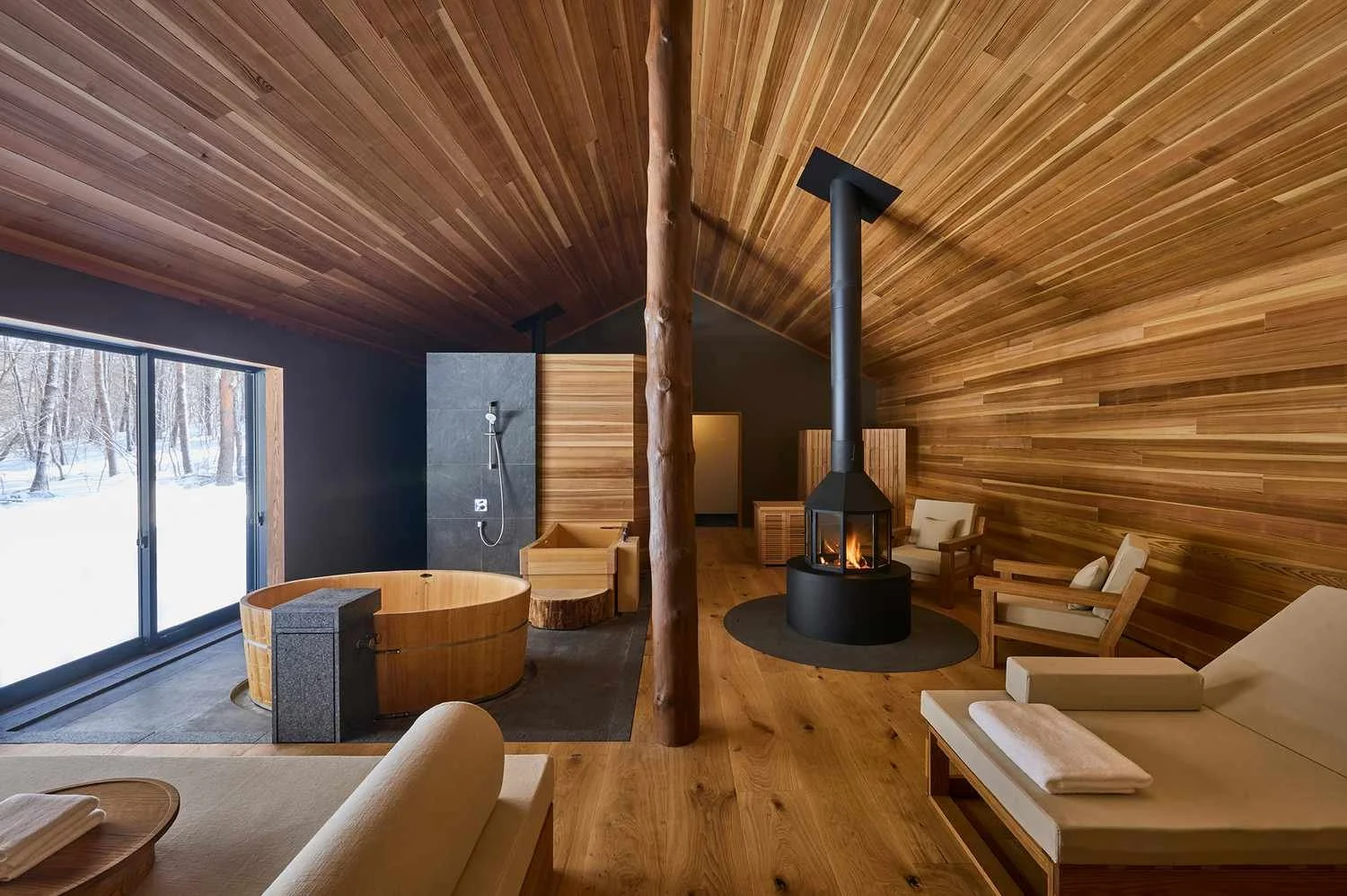
Each structure relates differently to the landscape, some open directly onto the fields, while others feel more tucked away. Shared spaces, including a dining area connected to the farm and a small sauna and bathing area, add to the overall experience.
In a world that continues to accelerate, the appeal of stillness has not disappeared. It has simply become harder to find.
