
MOVIES WE ABSOLUTELY LOVED AT BERLINALE
words by FRANCESCO PIZZUTI
With winter dragging on long and our little cinephile hearts shrinking by the day, Berlinale came to the rescue, feeding us and energizing us in the way only a film festival can. We jumped from screening to screening, letting celluloid seep deep into our brains. We cried, we laughed, we moved to the rhythm of Charli XCX, and we traveled past, present, and future like in a Fabulous Time Machine, feeling all the feels of this 76th edition. Now that it has come to an end, as we slowly unglue our behinds from the cinema seats we’ve been warming for the past eleven days, we are ready to give you the rundown of eleven of the most memorable films from this year’s Berlinale.
AT THE SEA, Kornél Mundruczó
USA, HUN 2026, Competition
© 2026 ATS Production LLC
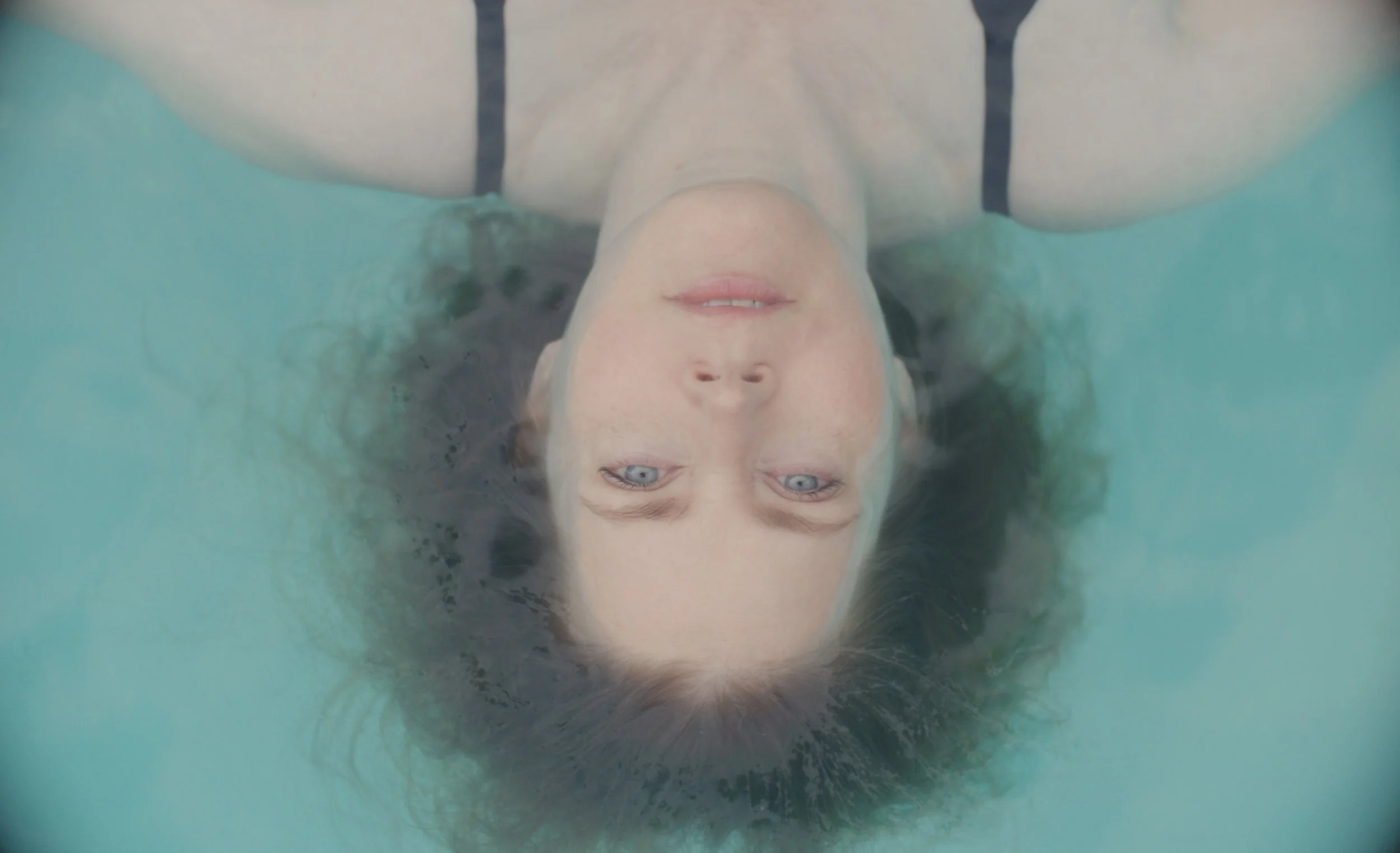
Newsflash: healing isn’t linear, and if that still wasn’t clear, At the Sea might be the film for you. Here, Amy Adams plays an ex-functioning alcoholic girlboss returning to her childhood beach house after rehab. Naturally, she comes home changed, while everyone else is swamped in the family’s same old ways. So the movie poses the question: without the identity that once justified her self-destruction, who is she?
Yes, it’s another film about an upper-middle-class family with their upper-middle-class problems, but somehow, we’re still here for it. With the sea in the background working overtime as a metaphor, Mundruczó crafts an intimate character study tracing the protagonist’s healing journey from denial to acceptance.
THE WEIGHT, Padraic McKinley
DEU, USA 2026, Berlinale Special
© Fields Entertainment / augenschein Filmproduktion
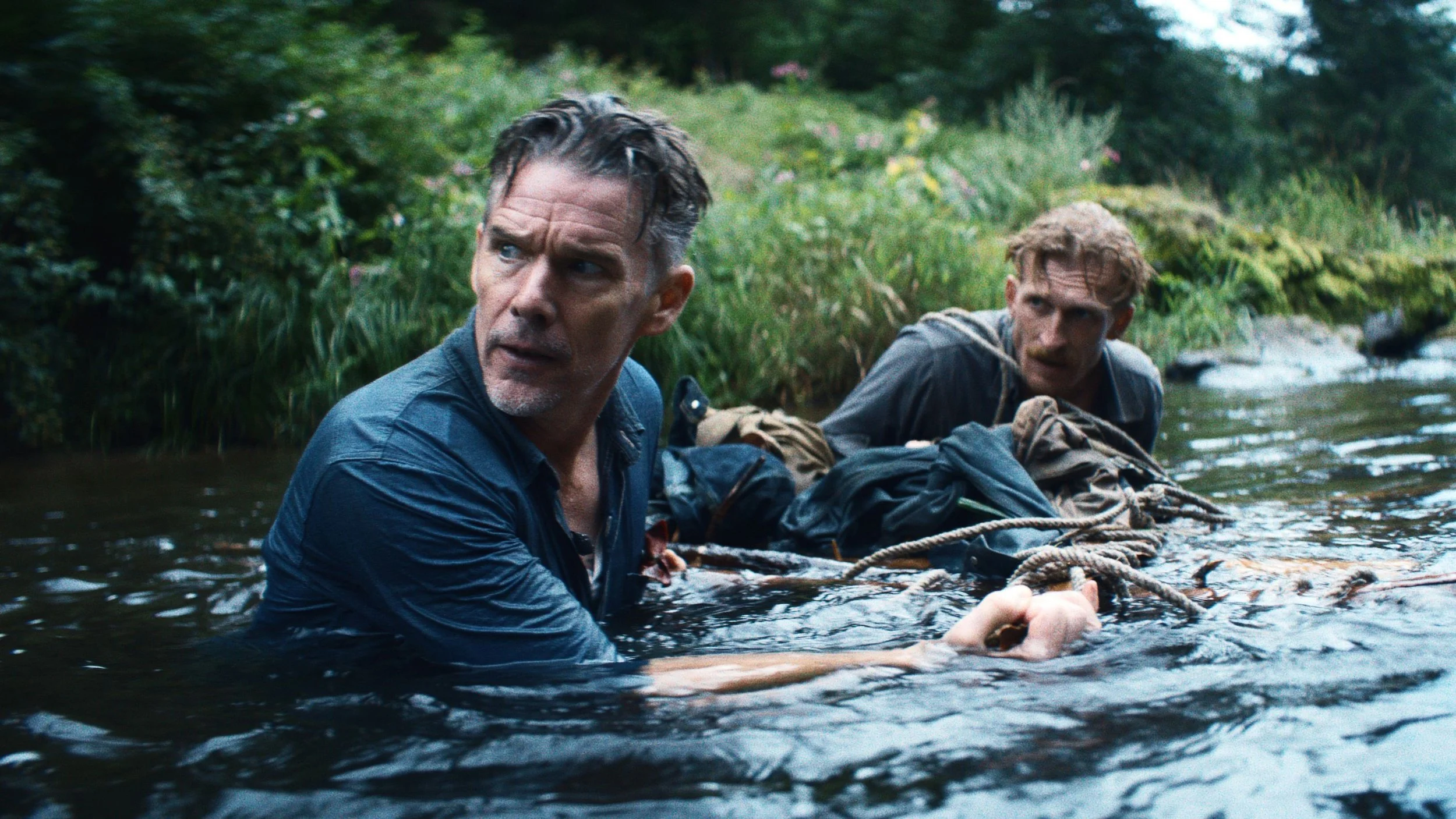
This one is for the final girls and boys who would die, or survive, for a proper survival thriller. Directed by Padraic McKinley, The Weight is, at its core, a mission movie. Set in the 1930s great depression, Murphy and Clancy, played by none other than Ethan Hawke and Russel Crowe, embark on a mission to transport four sacks of gold bars through the forests of Oregon as they are put through the wringer. Their journey is relentless, dealing with physical ordeals, nature almost swallowing them whole, and the slow burn of human suspicion turning man against man.
A lot of denim and a lot of old-fashioned, tense adventure; honestly, all we needed.
Fun tidbit: we got Oregon at home, quite literally. The film’s Oregon forests were actually shot in the woods of Bavaria, Germany, which made it an even more perfect Berlinale watch.
JOSEPHINE, Beth de Araújo
USA 2025, Competition
© Josephine Film Holdings LLC
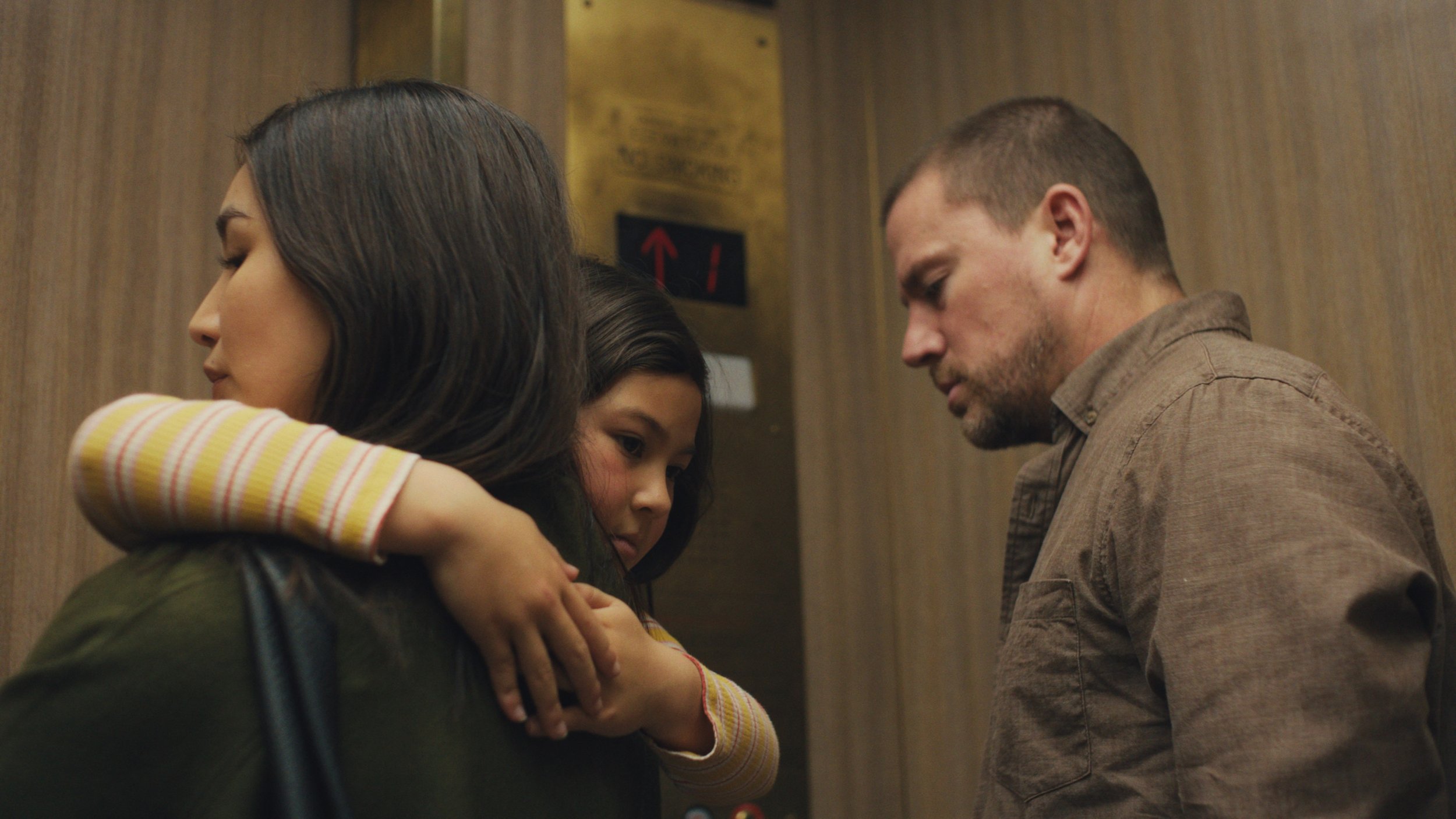
Beth De Araújo’s Josephine is a heart-wrenching yet necessary watch, the kind that sits heavy in your chest long after it ends. Told through the perspective of an eight-year-old girl, it immerses the viewer in the disorienting, grimy aftermath of trauma with an intimacy that feels almost unbearable. Mason Reeves gives one of the most astonishing child performances in recent memory as Josephine, a young girl who witnesses a sexual assault. As her parents, portrayed by Channing Tatum and Gemma Chan, attempt to navigate their own shock and grief, Josephine is left alone with questions she cannot yet articulate. Her world fractures as she struggles to understand what she has seen. Through her eyes, everything becomes contaminated. That loss of safety, from someone who should only know joy, makes the film especially devastating. Yet Josephine is not solely about damage; it is also a story of resilience and the slow, difficult pursuit of justice.
A FABULOSA MÁQUINA DO TEMPO, Eliza Capai
BRA 2026, Generation
© Eliza Capai
“Before everything, it was dark. Then God started playing and making all things up. He made the man from the dust, and the woman from the man… Would women be different if they were made from dust, too?”
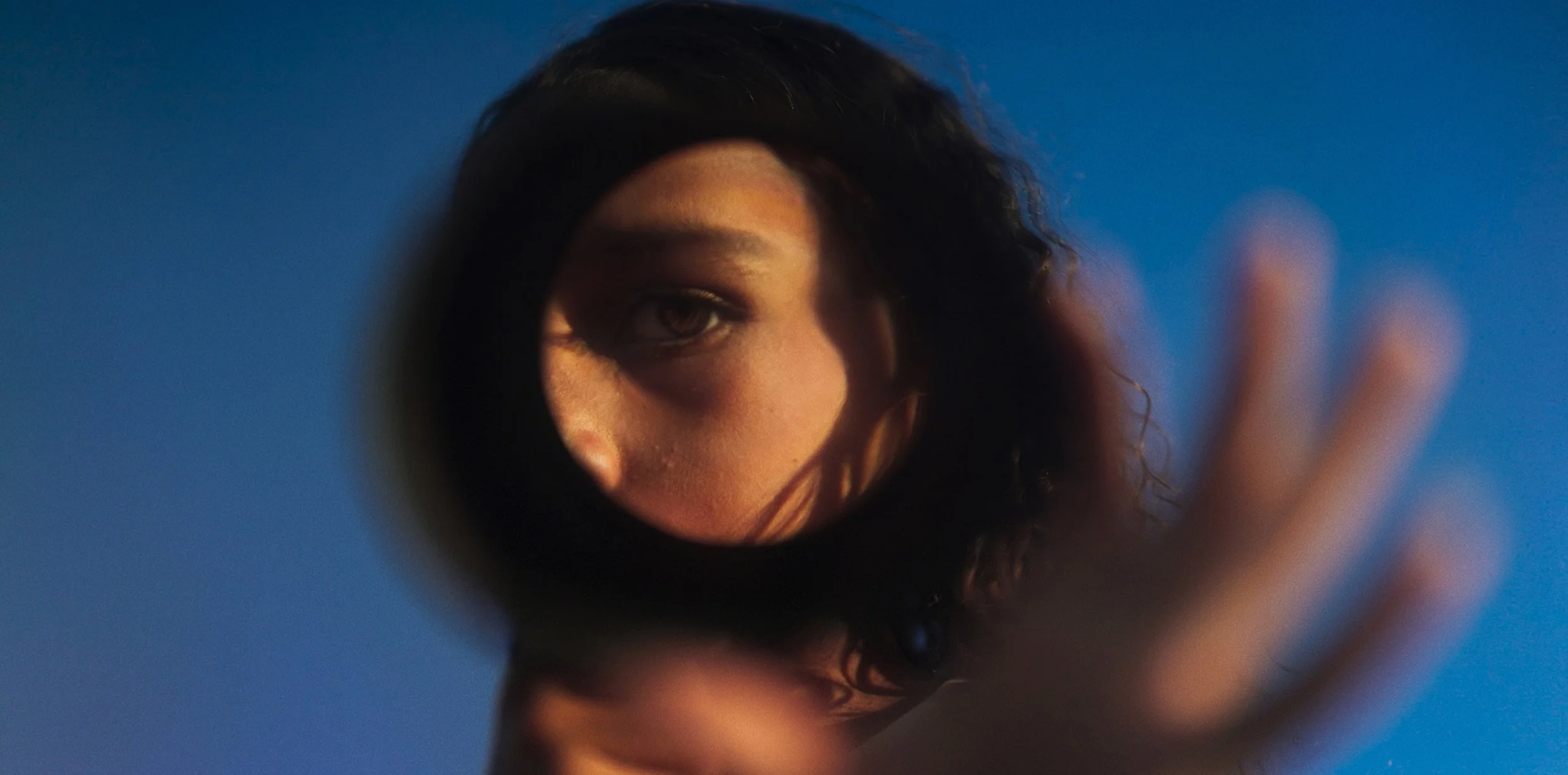
A Fabulosa Máquina do Tempo (The Fabulous Time Machine) is a radiant, imaginative ode to girlhood. Set in a Brazilian village, it follows a group of girls’ journey from childhood to adolescence. Playful, curious, and already questioning the stories they’ve inherited, the girls deal with complex issues such as gender differences, alcoholism, and religion in that whimsical way only kids can pull off. With gorgeous cinematography and immersive sound design, the film is heartwarming and energizing, powered by the girls’ infectious, irreverent spirit.
COSMONAUTS, Leo Černic
SVN, ITA 2026, Berlinale Shorts
© Finta film
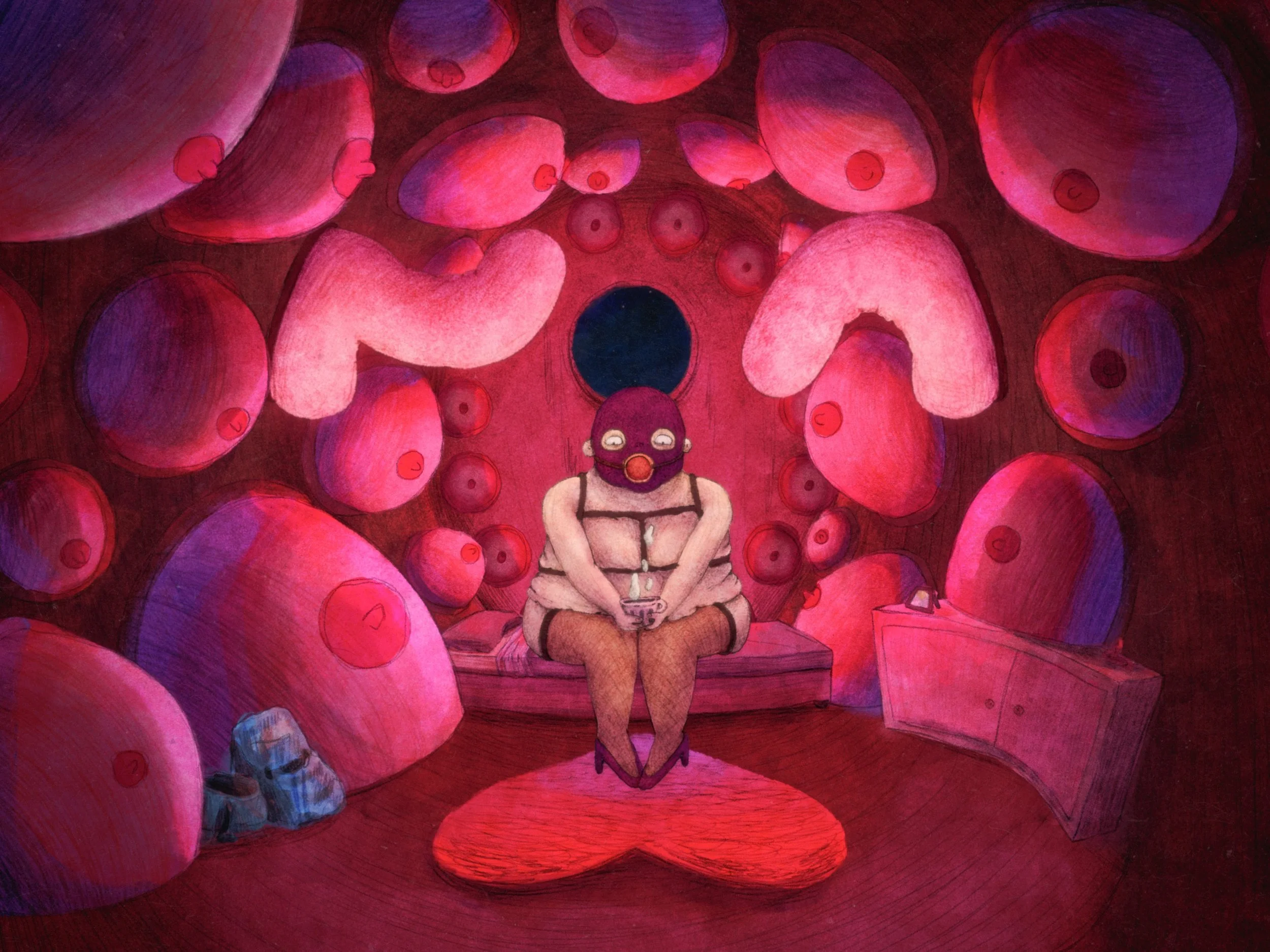
Woke is back? Woke never left? We are not sure, but Leo Černic’s Cosmonauts carried the woke flag loud and proud, and we loved it. In fact, what if we told you there’s an animated film about a phallic intergalactic cruise for singles in search of sex and pleasure?
With a premise that some might consider outrageous, this short film takes it and turns it into something unexpectedly tender. Following lonely passengers Delfino, Rita, and Zenf aboard the Pompelmo Express, the film blends absurd humour with sincere longing. Beneath the stunning illustrations of this neon chaos lies a surprisingly sweet meditation on intimacy, vulnerability, and the universal desire to be seen.
ROSE, Markus Schleinzer
AUT, DEU 2026, Competition
© 2026_Schubert, ROW Pictures, Walker+Worm Film, Gerald Kerkletz
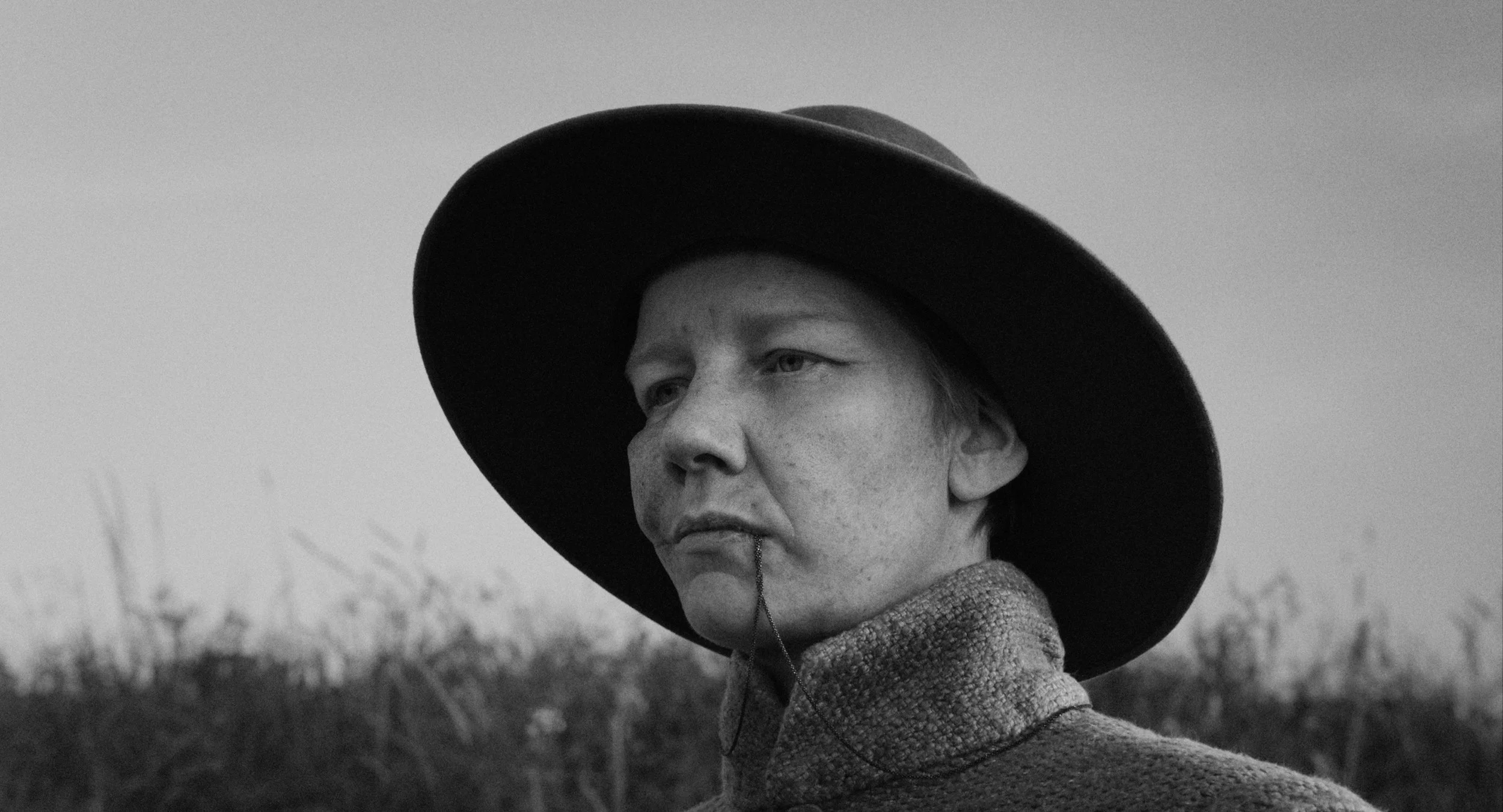
Set in a stark 17th-century Protestant village, Rose unfolds in a gorgeous black-and-white formality. A scarred soldier arrives, claiming inheritance of an abandoned farm, slowly earning trust through piety and labor. But beneath the modest exterior lies a radical deception: the stranger is a woman passing as a man, rewriting destiny in a world ruled by doctrine and suspicion. What begins as austere becomes an endearing study in gender, individual freedom, and survival. Reflective and subversive, Rose exposes identity as conscious, self-constructed, and profoundly linked to agency, while representing faith as something far more fragile than it appears.
QUEEN AT SEA, Lance Hammer
GBR, USA 2026, Competition
© Seafaring
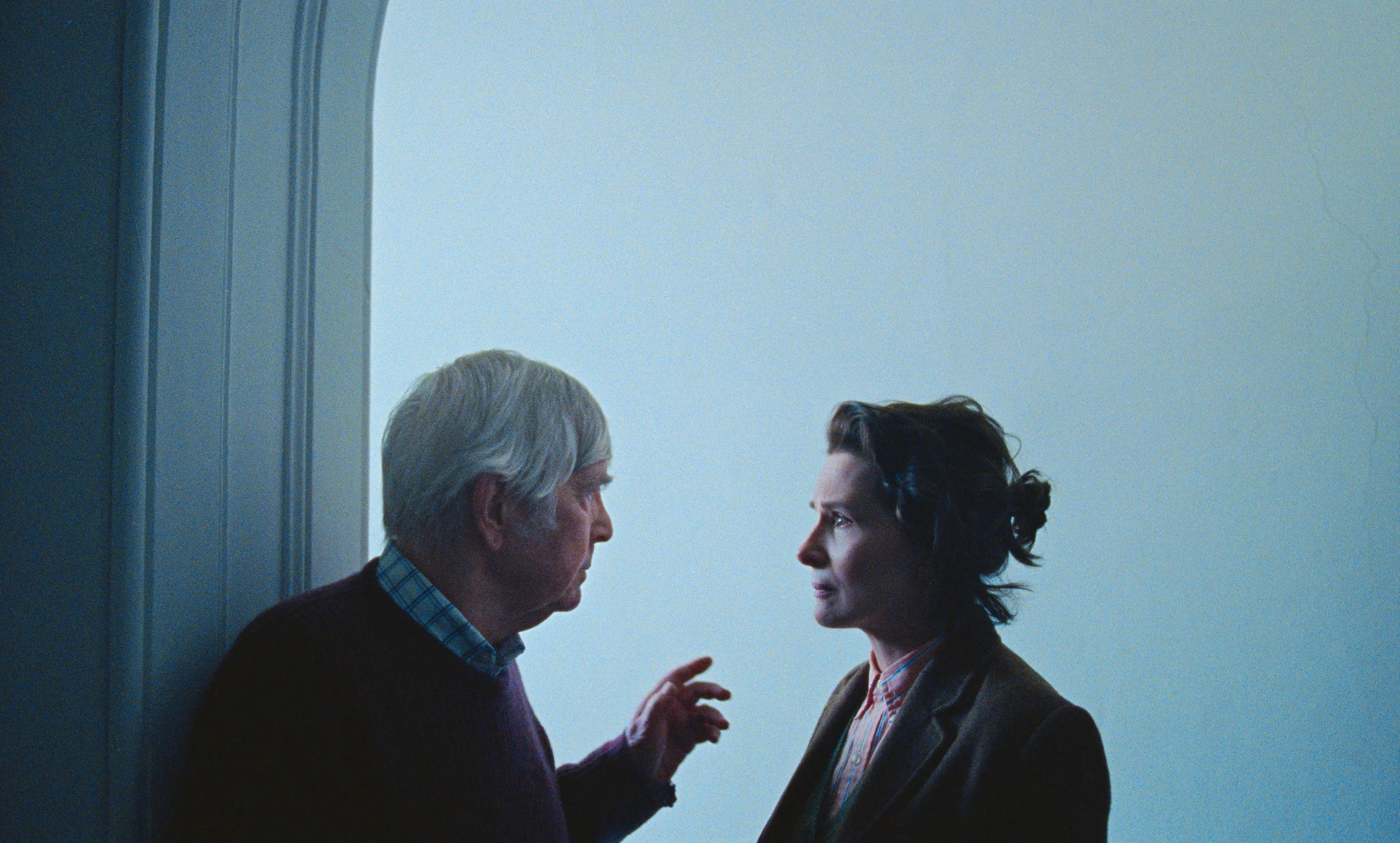
Raising universal questions around agency and consent, Queen at Sea is a tragic story about dementia and the ambiguous contradictions around care. Tom Courtenay and Anna Calder-Marshall deliver ferocious late-career performances as a couple negotiating love at the edge of memory. When their daughter, played byJuliette Binoche, intervenes after witnessing an intimate moment she believes to be assault, the film fractures into a moral battleground. The movie doesn’t necessarily force us to take sides but rather confronts us with the scary idea that multiple things can be true at once. It refuses easy answers. Is it protection, or betrayal? Love, or violation? Queen at Sea inhabits the boundaries of memory and agency.
RONSENBUSH PRUNING, Karim Aïnouz
ITA, DEU, ESP, GBR 2026, Competition
© Felix Dickinson
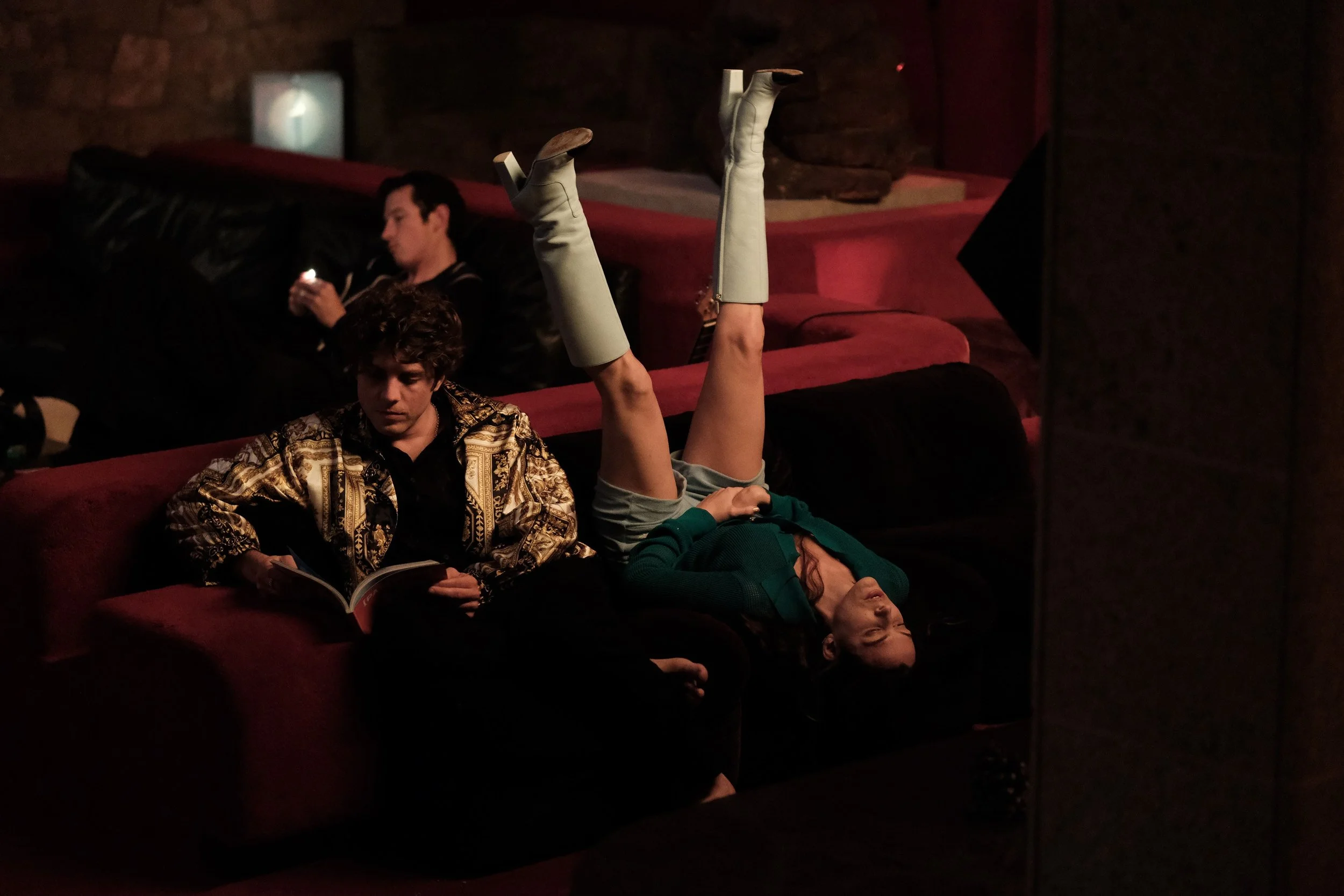
Call us basic, but a story about sexy, filthy rich, and twisted siblings will always have us sat, and Rosebush Pruning is no exception. Take Cruel Intentions, multiply the freak factor by 10, and you get Karim Aïnouz’s newest film.
Following four siblings living in their Spanish mansion under the sun, the movie observes the eat-the-rich satire genre of the last half-decade in a pretty straightforward yet entertaining way. As the oldest sibling moves out, bonds fracture, the family fabric unravels, and generational lies surface — all while dressed in designer, of course.
THE MOMENT, Aidan Zamiri
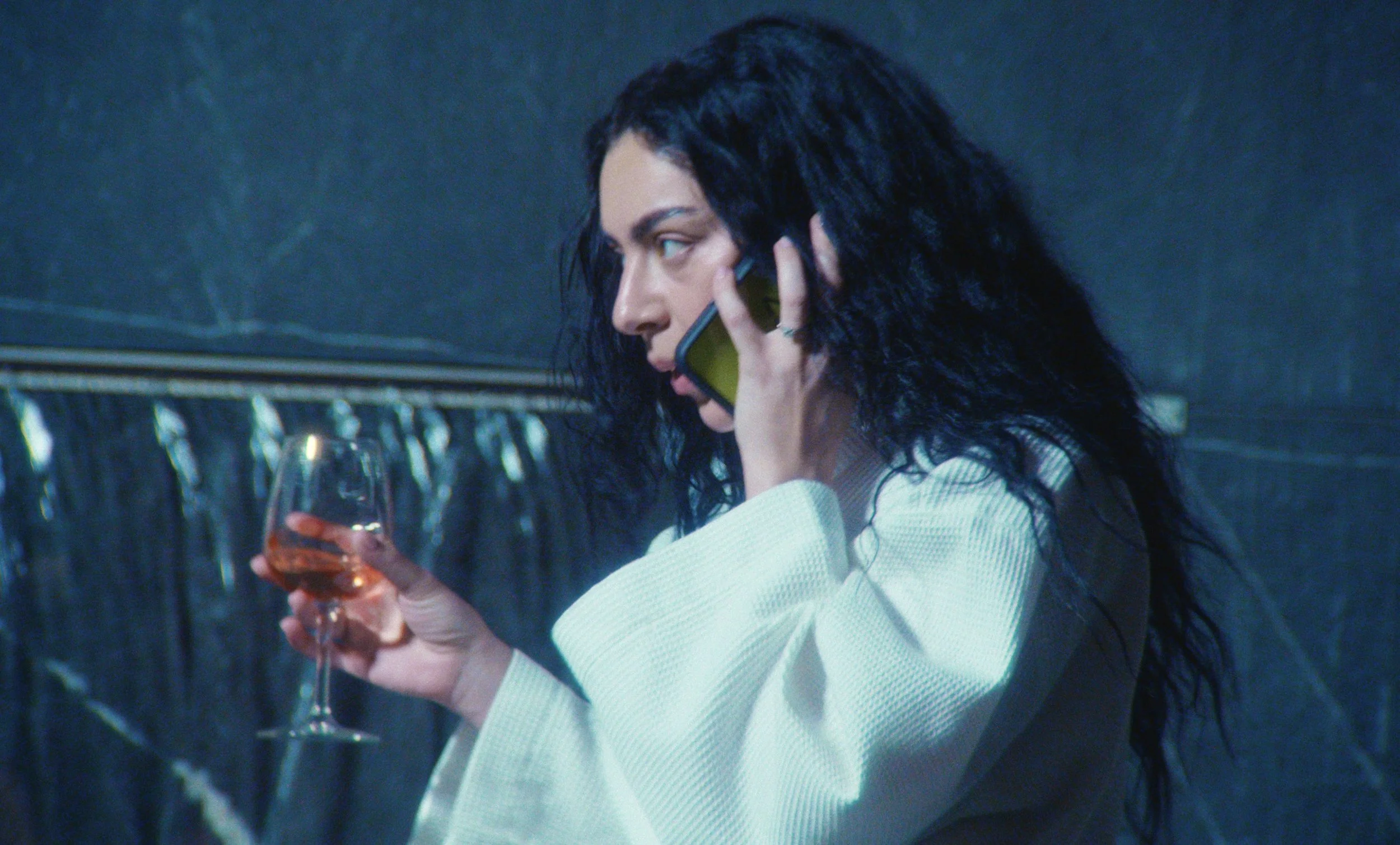
USA 2026, Panorama
© A24
The Moment is no ‘Eras Tour film’ but a raw and vulnerable meditation on how fleeting fame has become, now more than ever. The mockumentary understands the pop-industrial complex to its rotten core. It punctures the cycle we all pretend not to see: build up, overexposure, and resentment; because the higher the high, the faster the crash. Even the title feels like a warning label — fame exists only in bursts, in moments. With that self-referential humor and cool aesthetic that made us fall in love with the brat era, the film captures that specific 2020s exhaustion. Self-aware, chaotic, and cleverly on point, The Moment proves the comedown is always part of the choreography.
A FAMILY, Mees Peijnenburg
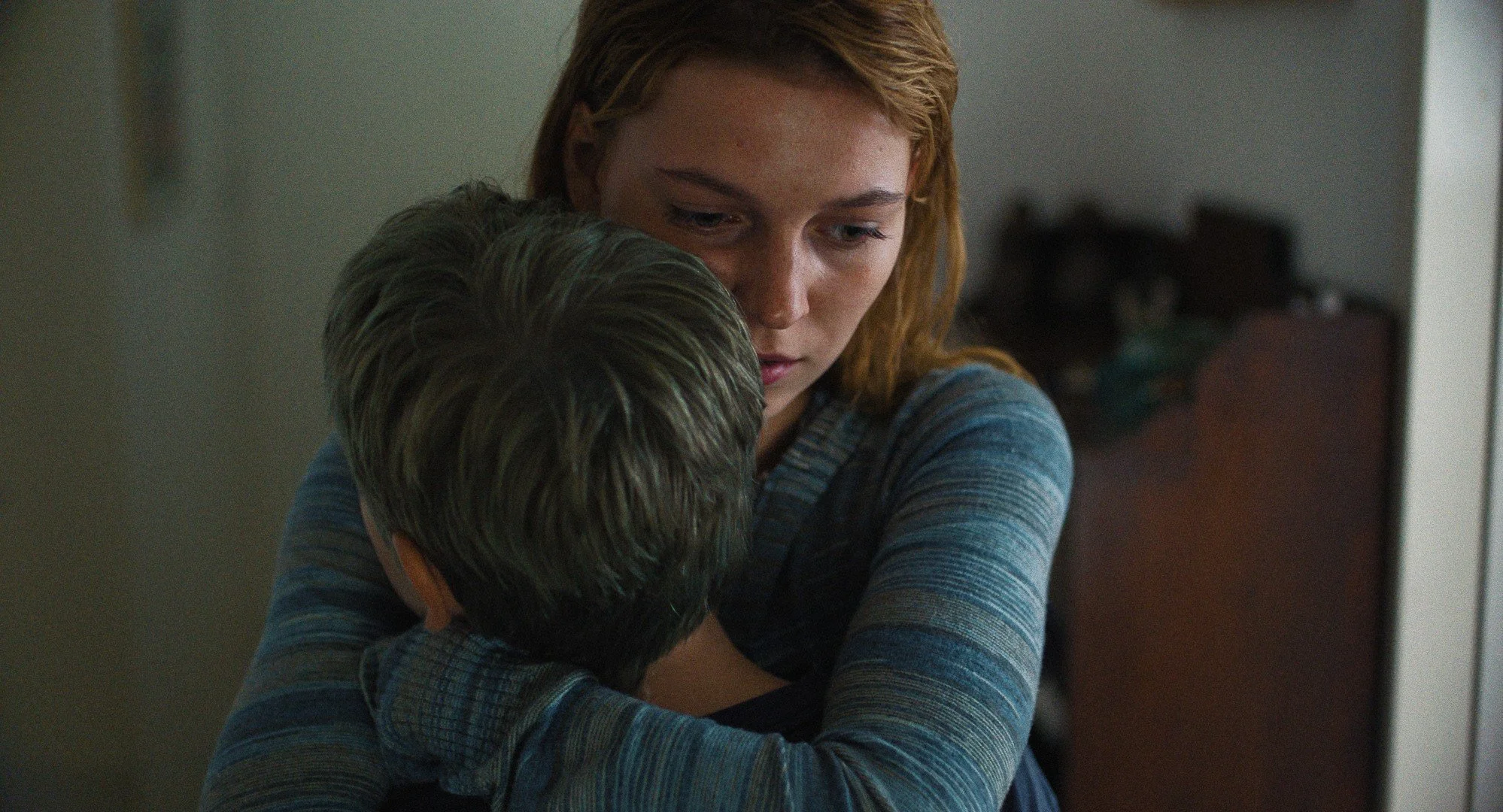
NLD, BEL 2026, Generation
© Jasper Wolf
This emotional and intimate story drops us into the turmoil of divorce from the perspective of two siblings. The two couldn’t feel more differently about what’s happening around them; yet the true plot twist is learning, with them, how to show up for each other. Structured in two chapters, the same three weeks unfold twice, first from Nina’s perspective, then from Eli’s, revealing how differently the same events can be experienced. While Nina wants distance from the chaos, Eli holds onto the hope of reconciliation. Courtrooms, conversations, and silences carry different weights depending on who is speaking. Without melodrama, the film captures the quiet loneliness of adolescence and the shared longing beneath opposing choices: love, stability, and recognition.
YELLOW LETTERS, İlker Çatak
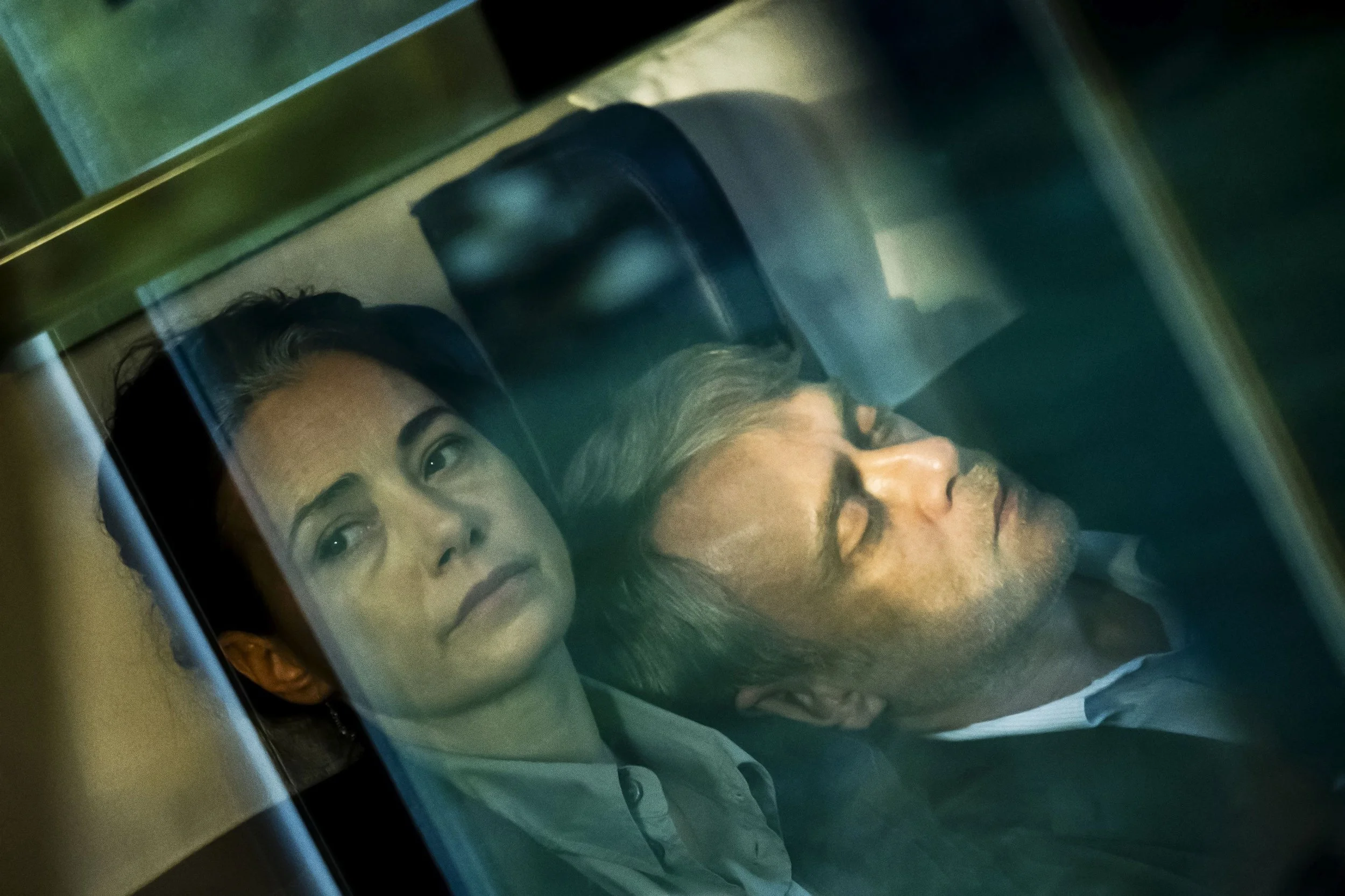
DEU, FRA, TUR 2026, Competition
© Ella Knorz_ifProductions_Alamode Film
Last, but certainly not least, Yellow Letters, winner of the Golden Bear, feels urgent. The film centers on renowned artist couple Derya and Aziz, whose lives unravel after an incident at the premiere of their new play. Set amid pro-Palestine protests and rising state arbitrariness, the film confronts censorship head-on as the family starts getting targeted by the state and loses their job and home.
Although the film is set in Turkey, Çatak employed a brilliant narrative and visual device by filming it in Germany. On the surface, it speaks about Turkey; yet gradually, it becomes unmistakably about Germany, about the recent rise of fascism, state repression, and the charged atmosphere surrounding the Palestinian genocide. What emerges is a sharp commentary on the precarious position of contemporary artists navigating an increasingly censored society, where political expression carries real consequences. Necessary and confrontational, Yellow Letters makes a statement that resonates far beyond Berlinale.
