
IN CONVERSATION WITH MINIMAL COLLECTIVE
interview by ELIANA CASA
‘Welcome home’, Minimal Collective co-founder Brent Jacko shared with me right after attending their listening session at murmur during the latest edition of ADE - and my very first encounter with the collective. Born in 2016 from a shared belief that creativity spans disciplines, Minimal Collective is an ecosystem where art, sound, and technology intersect with critical reflection and cross-generational learning. At its core, the Collective seeks to unite a global community of creatives through a democratic approach: one that acts as both an amplifier and a connector, continuing to open rooms for experimentation, dialogue, and connection.
As Brent explains, he doesn’t see himself at the center of this universe, but rather as someone who helps carry, translate, and give form to ideas that emerge between people, bringing forward diverse perspectives and stories – whether through Minimal Collective or his creative studio, Ozon Studio.
In a world that constantly urges us to move faster, minimalism exists as a practice of resistance, disciplining us to slow down, breathe, and reflect.
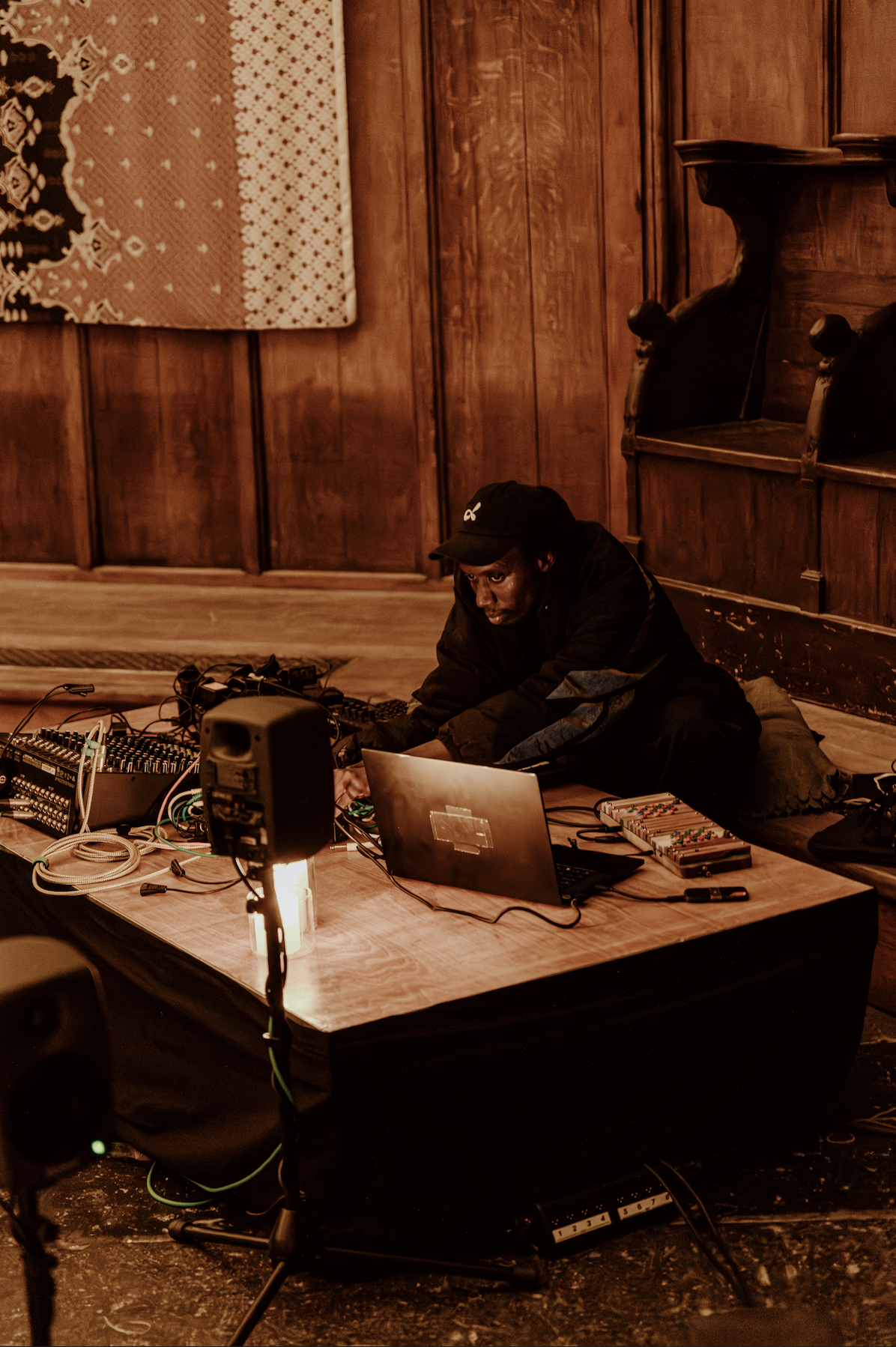
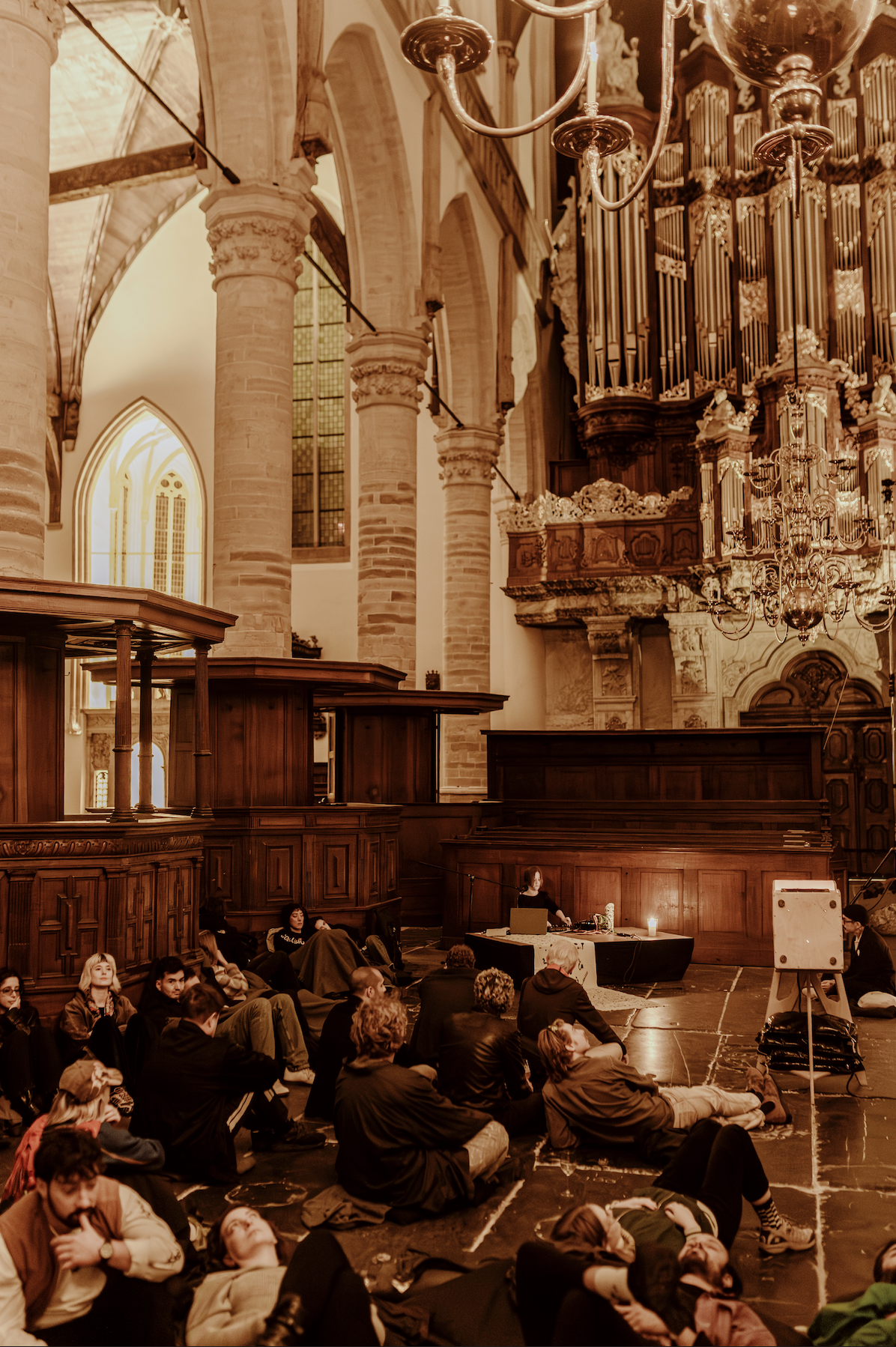
all images courtesy of MINIMAL COLLECTIVE
What is the first memory you have associated with music?
It’s less a specific memory than a feeling, like nostalgia. As a kid, movie soundtracks and the gaming world – like the Diablo II score – shaped how I experienced atmosphere and emotion. Music quickly became a refuge for me. I’d explore genres instead of paying attention in class, and wherever I was, I picked up sounds from the streets that caught my ear: the cracking of leaves, the humming wind. It wasn’t escapism as much as imagination. That relationship hasn’t changed. Music is still the only place that lets me hide in silence.
Can you share how it all began?
Minimal Collective grew organically. There wasn’t a single starting point. What binds us is curiosity and the desire to translate what people intuitively feel but rarely articulate. And by ‘articulate,’ I don’t mean describe literally; art stops being art the moment you try to pin it down. Instead, we platform voices and amplify them without over-explaining. For example, we might grasp the emotion at the core of a track and translate it into motion design, or take the architectural context of a space and reflect it in musical programming. Minimal Collective is an ecosystem where function follows form – we absorb what’s around us and express it in our own language.
How does minimalism shape the way you create, curate, or listen to music?
Minimalism is a philosophy guiding life as much as it guides our approach to music. It’s about stripping back to the essence and constantly reflecting on what we do, why, and how. When it comes to music, that reflection takes shape in questions like: Who made this?
Where does it come from? What instruments are used? What’s its cultural context, intention, and emotional impact? It’s analytical, but it also explores the metaphysical.
Over time, this intuitive method has been supported by thinkers like Byung-Chul Han. In Absence: The Transparency of Things, he contrasts Western and Eastern ideas of emptiness—showing how absence, or minimalism, is understood differently around the world. That lens shapes how we approach everything: maximum zoom in, maximum zoom out. From this comes what we call ‘maximal minimalism’ – walking as a living observatory, exploring the outer edges of a spectrum.
Ultimately, it’s an attitude toward the world and toward music itself; paying attention, noticing absence, and finding depth in simplicity.
I want to look back at your latest Listening Session at murmur during ADE. It genuinely felt like a breath of fresh air during such a dense week filled with events and long nights. How are you reimagining this format within the Collective? And what is the philosophy behind it?
Also, a stripped-back focus is key. We follow the methods of traditional listening sessions while gently merging them with the environment and other arts. True listening sessions are fragile, like a gallery in white: they require silence, care, and room for introspection. No rules are imposed; attention emerges naturally. Inspired by composer and humanitarian Pauline Oliveros’ ideas of ‘deep listening’ and Byung-Chul Han’s reflections on the disappearance of rituals in Western society, we aim to create a space where attention becomes currency. When entering a new space, people like Ivan Cuic (Kantarion Sound) and Matteo Weigele (Creative Producer) really scan it from their own expertise. Outside of production mode, long-winded chats about what listening is ‘supposed’ to mean help sharpen our approach over time. There should be just enough – or just too little – so you can truly absorb the sound. Listening is an inward practice – once you reach that frequency, you understand. Culture is lived, not acted out.
An intimate living room and a great sound system, provided by Kantarion Sound. Everything seemed aligned - the line-up from Carrier and Cio D'Or to Mammo and Okwga, all top-tier. How do you select the artists for an event like this? And why murmur?
Intuition comes first, reflection second. And often, it’s just a matter of having the right people in the right place at the right time. murmur shares our values: stripped-back settings, custom sound by Kantarion, and a music-first philosophy. When selecting artists, we think about time, place, history, and intergenerational connection. Diversity in every sense – roots, gender, generation, musical background – guides our curation; the more mixed, the more inspiring. Because our collective spans the globe, across time zones and cultures, sometimes everything just aligns: artists from different continents and generations end up performing together. What you experienced at murmur was, I think, a mix of careful planning, deep connection, and a little bit of luck.
Now tell – what’s the secret to putting together an event so well structured for free? Electronic Beats approached us to organize this together. Their support allowed us to present an RSVP-led event during ADE – a counterpoint to the usual pace of the week, while introducing people to listening with intention and care. In a utopia, all our events would be free. At its core, that’s our nature: gathering in a cozy, warm setting, sharing music, listening attentively, and creating cohesion as one extended family. This is our contemporary campfire. A big thank-you to the Electronic Beats team for helping light it.
As someone slowly approaching the ambient techno world, I almost immediately felt part of a community just by being in that room. How did you manage to build such a distinctive community from zero?
That’s such a lovely message to read – welcome home. We don’t think the community was ‘built’ by us; it grew organically around shared values and consistency. Our collective values sincerity, depth, and humility. One artist who performed, Okgwa, shared how humbleness is highly valued in her country of origin in Asia, and how the Minimal Collective event resonated with her on that frequency – where all elements of the experience are given equal attention, instead of spotlighting one artist. Messages like these are what keep us going. We don’t aim to build a stage, but a bridge for cultural exchange and genuine connection. From that, a melting pot of authenticity comes to life. Personally, I often sit quietly in the back, absorbing the energy; every moment feels unique.
Going back in time for a moment again: just before its closing, you presented Post Hypnotism at De School, explored the philosophy of deep listening, and opened a conversation on AI’s impact on today’s creative landscape. In what other ways would you like to engage with technology? And what thoughts or insights have stayed with you since that discussion?
Glad you’re going this far back. Since that day in 2023, AI and generative tools have increasingly shaped our lives – not only within the creative landscape, but far beyond it. Yet our attitude towards technology remains curious and open-minded. For us, technology is a tool and a connector. When used with intention, it can amplify human creativity rather than dilute it.
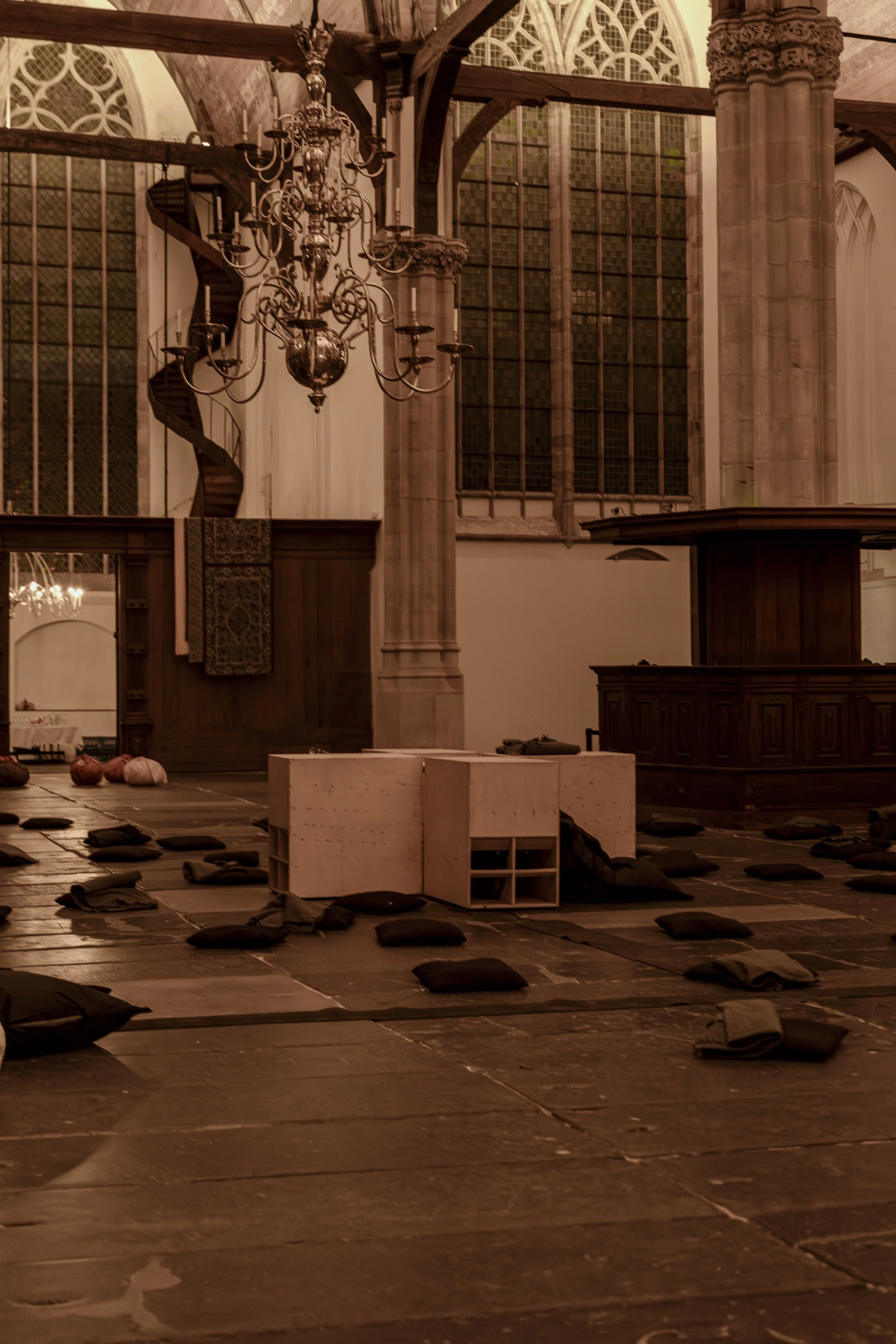
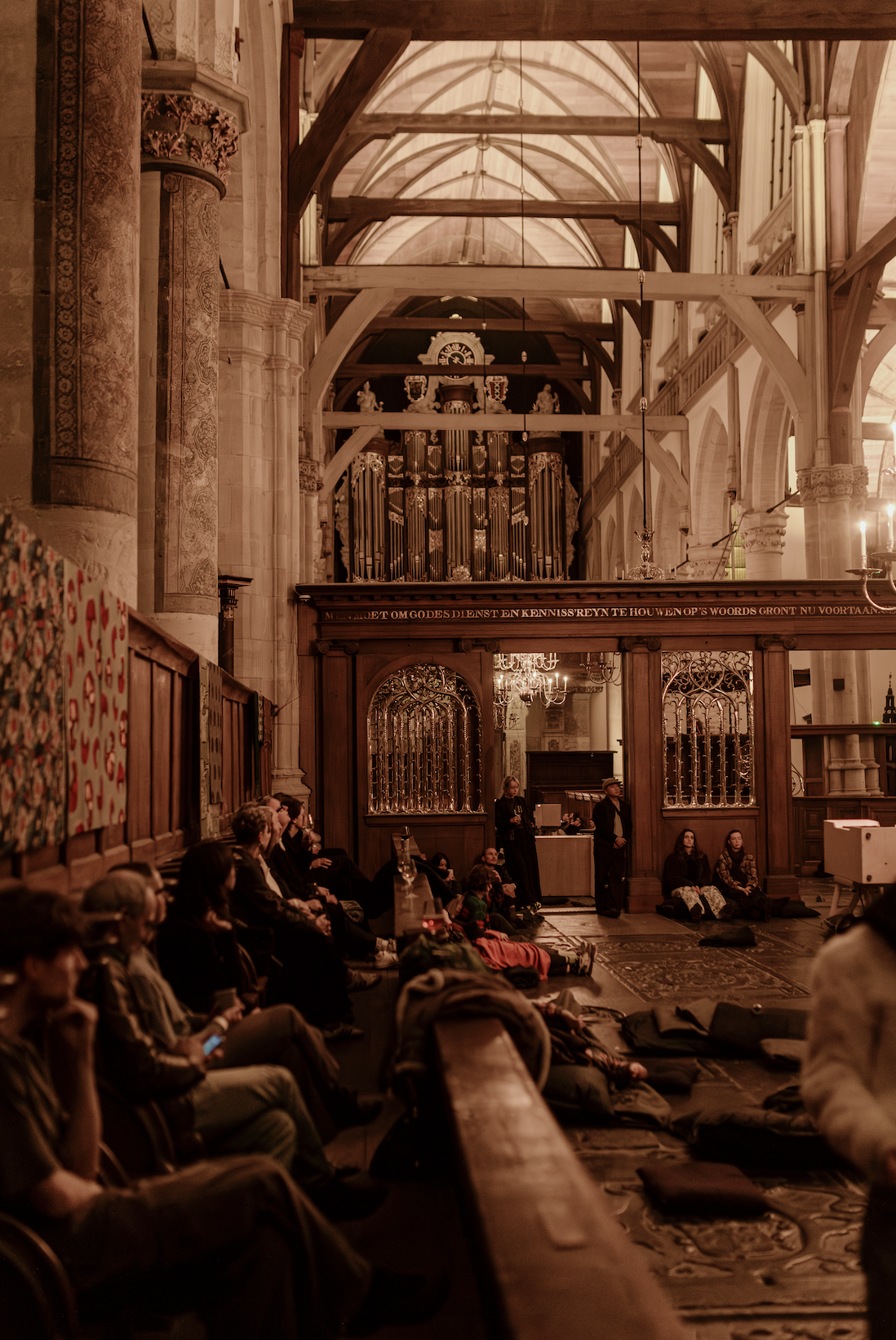
A recent example is our Post-Space listening event at Oude Kerk, Amsterdam’s oldest monument. Through 3D scanning and AI-supported modeling, we translated the 900-year-old building into spatial, digital assets. This allowed us to tell the story of the space, the event, and the artists in new ways – contextual, spatial, and textural – while making it accessible to audiences far beyond the city itself.
Our perspective isn’t fixed. Technology comes with challenges, but it also opens up dialogue. We’re interested in the space where human presence and machine intelligence meet – not as a replacement, but as a potential synergy worth exploring.
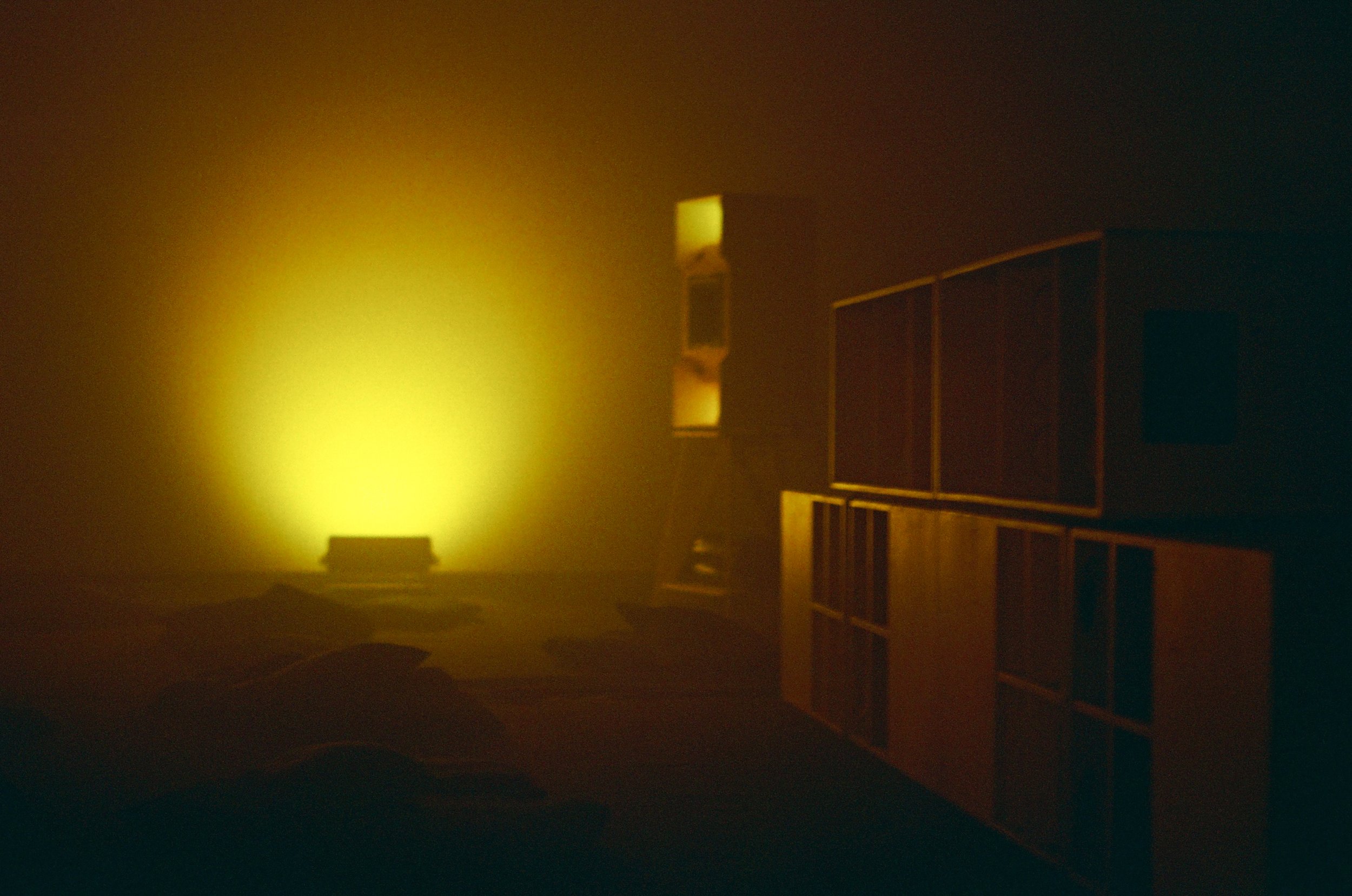
The installations by artist Boris Acket reminded me of his recent collaboration on the BOSS SS26 shown in Milan last September. I was there, and now, connecting the dots, I find this intersection of art, sound, and fashion fascinating. Do you see Minimal Collective collaborating with fashion in the future?
Most likely, yes. It’s an idea that has lived within the collective since the early days. That said, it’s a dialogue that requires care. Minimal Collective tends to move away from persona, while fashion naturally engages with presence and the human form. That tension isn’t a problem – it’s where potential lies.
Fashion already operates as a form of living art, with human talent as moving sculptures and garments coming to life in real time. When elements like sound or performance enter that dialogue, the experience can shift, opening up a new dimension. Over time, we’ve realised that at the core of both practices lie shared components: design-thinking, sensitivity to materials, and a desire for worldbuilding.
Once the right partner and moment align, the fusion will happen naturally – whether fashion enters our context, or we step into the world of fashion.
What is one area that still feels unexplored?
Many areas still feel unexplored: ecology, architecture, fashion and broader societal or anthropological landscapes. What connects them all is philosophy – not as abstract theory, but as a tool for asking better questions about how we live, create, and relate to one another. Through the minimalist lens we discussed earlier, we aim to uncover and connect the totality of the world, using sound and art as messengers. Above all, we’re curious about the potential of our collective audience – their views, voices, and interactions – and what these can teach us. Humanity and nature will always feel partly unexplored. For us, the path of discovery is unlimited.
How do you see the Collective evolving in ten years from now?
Without boundaries – digital and physical, research and experience coexisting seamlessly. We envision residencies, a rural refuge, and a traveling listening concept to revitalize heritage and cultural spaces. Ultimately, we want to create a learning ecosystem – a legacy space where artists, thinkers, and audiences connect across disciplines. A reference for us is Stiftung Insel Hombroich, where nature, architecture, and art coalesce across acres near the German border. As a ritual of manifestation, we visit this place regularly.
For those who want to sink into the pleasure of ambient listening, next Sunday, February 15th, Minimal Collective and Mostra host a day-to-night ExtraMostra at Garage Noord.
