
EVERYONE’S AFRAID OF VIRGINIA WOOLF AND IN LOVE WITH NICOLE KIDMAN
words by NIA TOPALOVA
editor MAREK BARTEK
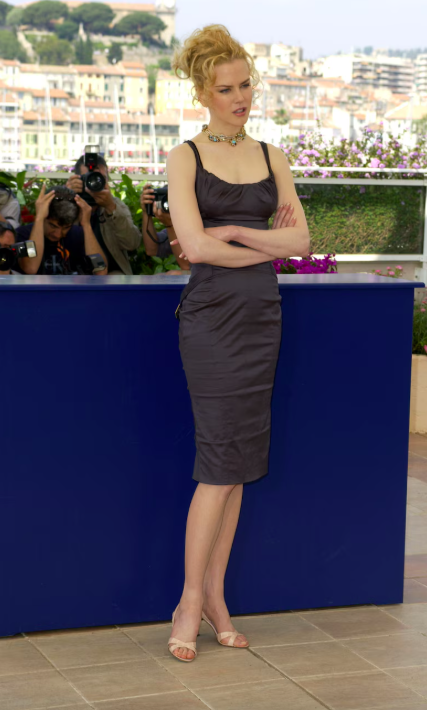
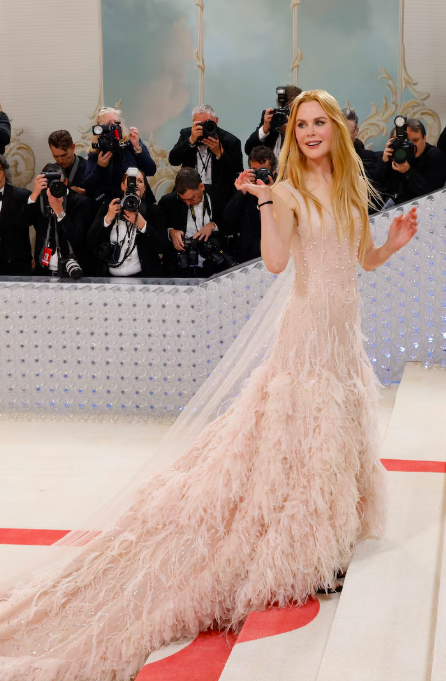
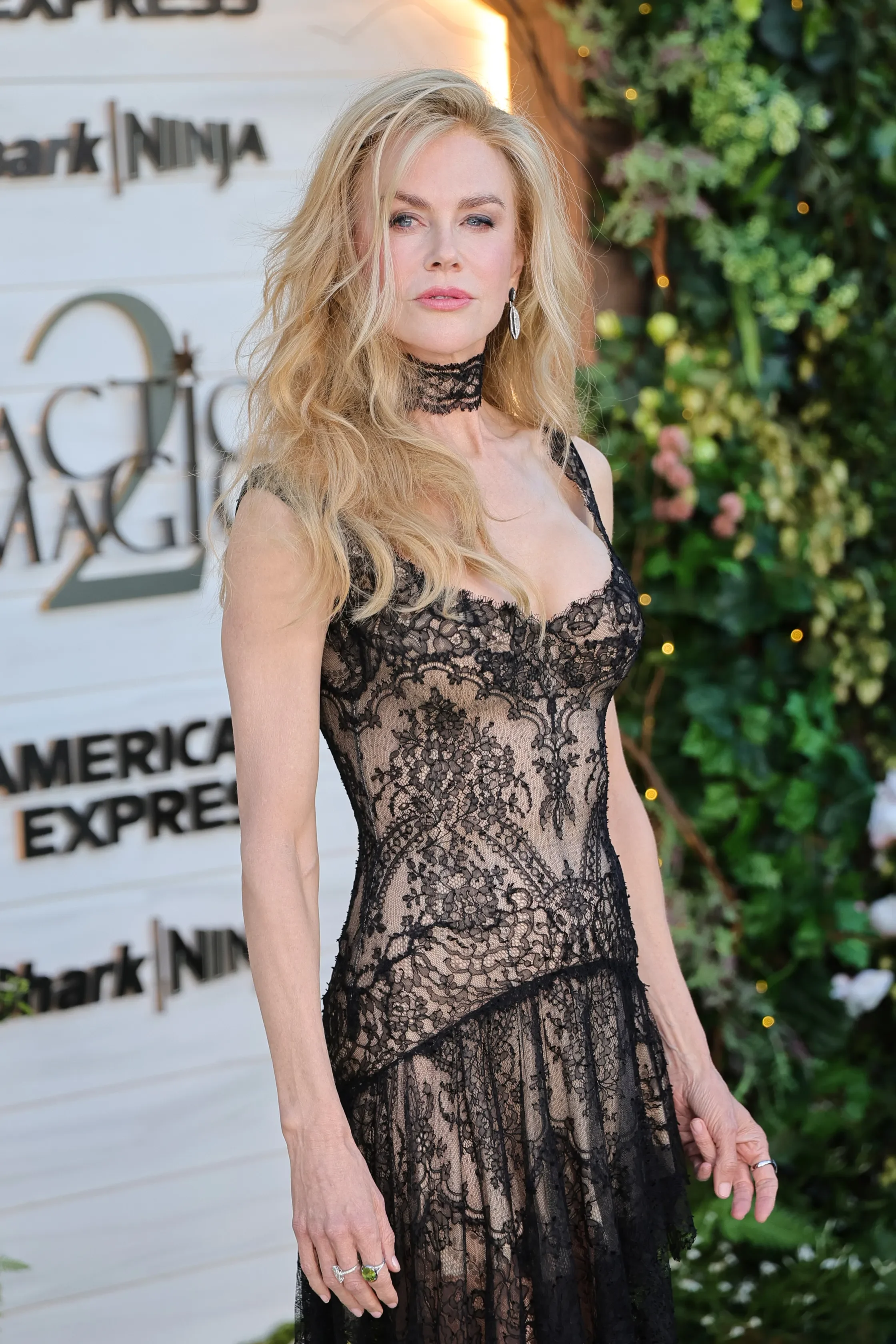
If we were to delve into Nicole Kidman’s everlasting, passionate orbit of awe around herself, we’d have to start with the fact that, besides having an extraordinary film career, she is, first and foremost, a muse for the masses: starting from her 1996 Jerry Maguire premiere in New York wearing Dolce & Gabbana, to early 2000 in Dior by John Galliano for the Academy Awards; in Jean Paul Gaultier for her Moulin Rouge London premiere, in Gucci by Tom Ford for the Cannes Film Festival, in Chanel for Met Gala 2023, and in Pieter Mulier’s first look for Versace in 2026 for her Practical Magic 2, coming back together with Sandra Bullock.

She is furthermore, as relevant as ever: Kidman keeps landing covers, sharing a sigh for living a “well-examined life”, to try things, fail, get back up, move on, embrace love and remain open to possibility. She is in Troye Sivan’s new video She’s the Best, and Adéla recently named a song after her, recreating her Babygirl and Moulin Rouge looks, very much appreciated by Kidman herself.
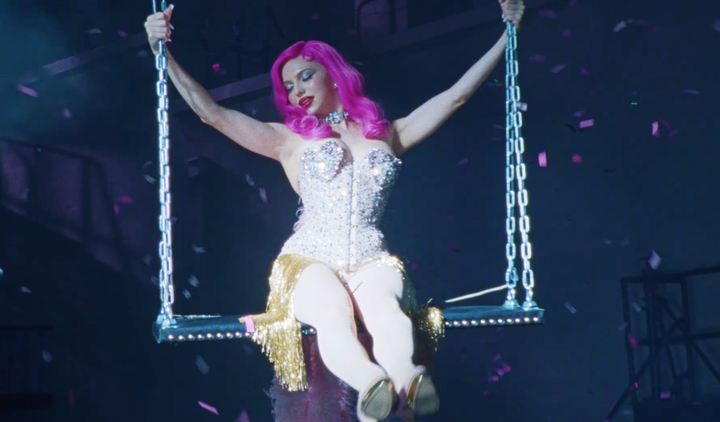
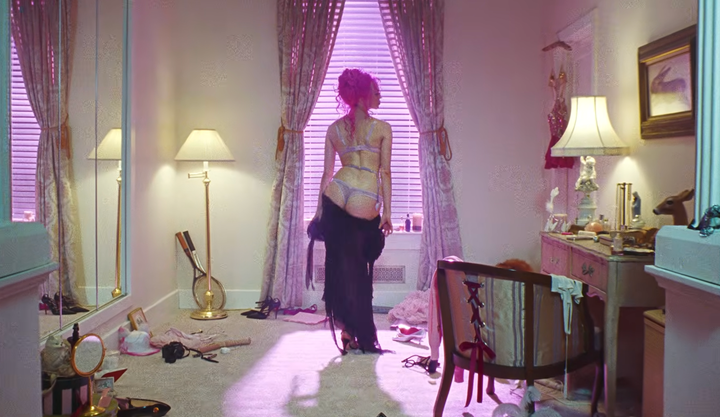
Adéla - “Nicole Kidman”
Her cultural presence exists within cinema, fashion, music, and media. She can be Satine, Virginia Woolf, Gillian Owens, Alice Harford, Erin Bell, or Celeste Wright. In The Hours, Kidman put on a prosthetic nose, altered her voice and played Virginia Woolf as a woman fighting her own mind struggling with severe depression, while attempting to write Mr. Dalloway. That role earned her Best Actress at the 75th Academy Awards, as she physically and mentally transformed herself in order to fully comprehend Woolf’s tragedy and power, and the way those two are far from separate.
Woolf’s sense of feminism revolved around the absolute necessity of intellectual freedom, material independence, and the equality of women in a male-dominated society. Living in bitter Victorian Britain, she was observing the lives of women suffering in a society managed by patriarchal dynamics, inequality relying on social classes, wealth, and gender. She was intimately concerned with women’s existence, writing in a way that anyone could feel their pain.
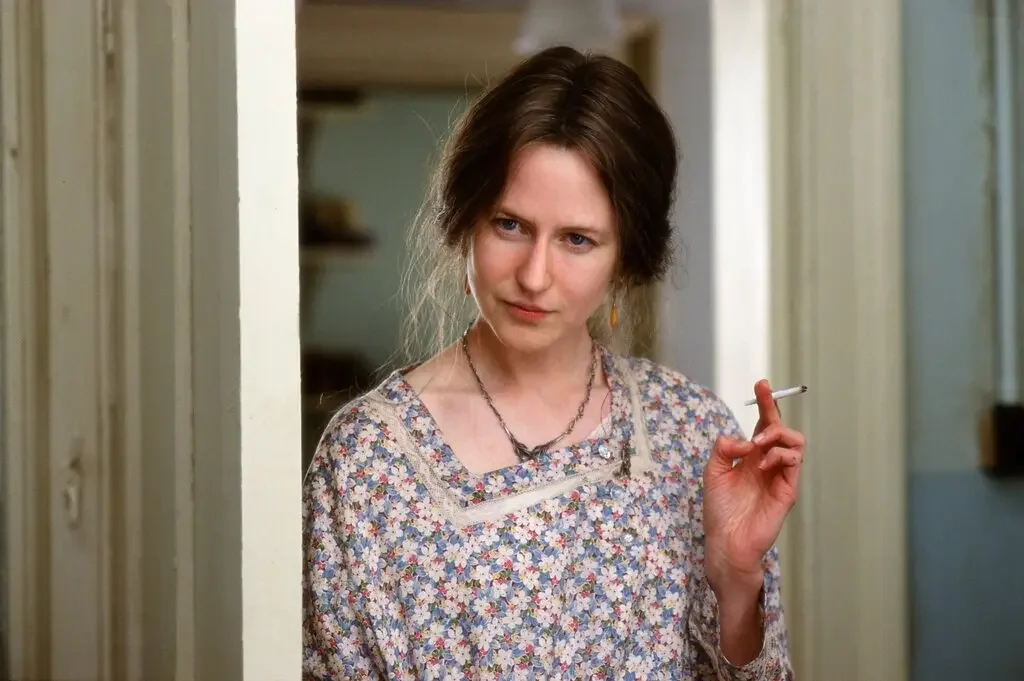
The Hours, 2002
Interestingly enough, Edward Albee’s impeccable play Who’s Afraid of Virginia Woolf, played by Elizabeth Taylor and Richard Burton in the film version, has very little to do with Woolf herself. Albee has talked about the idea behind the title, being in a saloon in New York, and seeing Who’s Afraid of Virginia Woolf scrawled in soap on a mirror. “...When I started to write the play it cropped up in my mind again. And of course, who’s afraid of Virginia Woolf means who’s afraid of the big bad wolf… who’s afraid of living life without false illusions.”
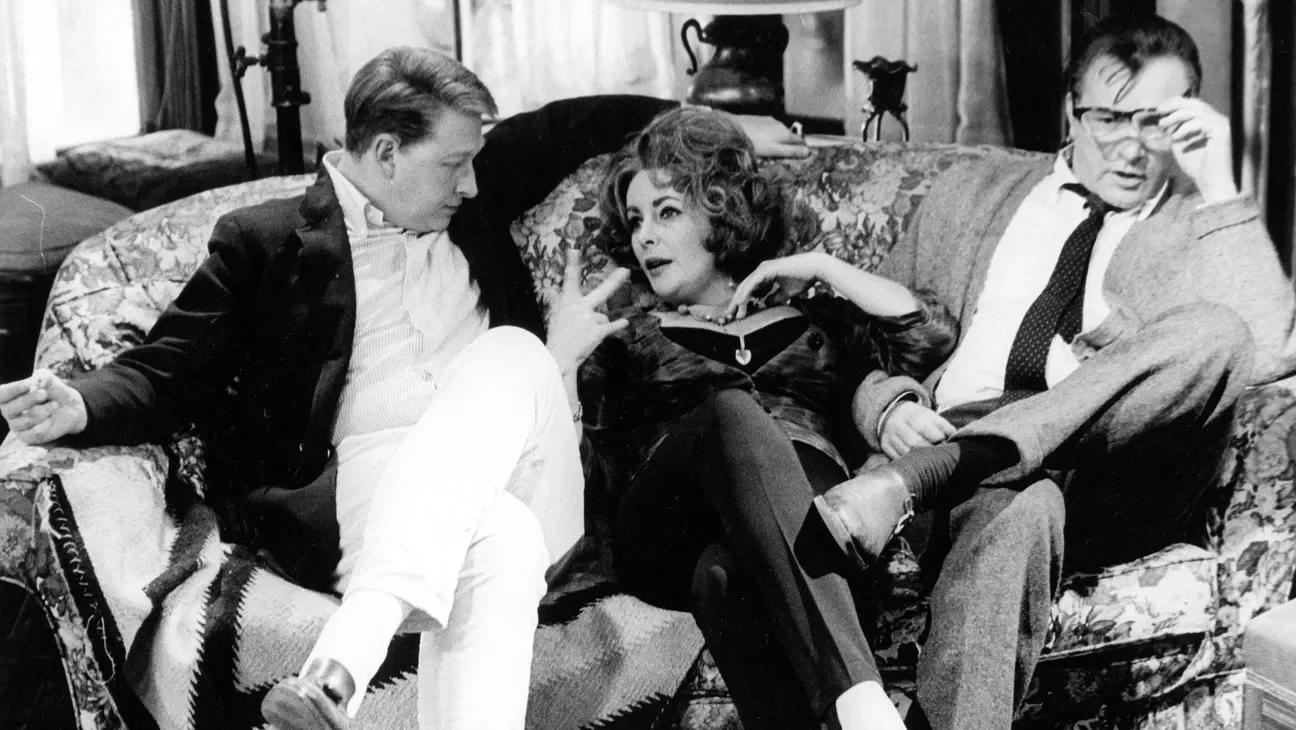
Who’s Afraid of Virginia Woolf, 1966
More than a century later, Kidman’s feminism belongs to a modern world with more than enough points of contact. Nicole has spent years advocating for women’s rights, using her public platform to raise awareness around gender equality, economic empowerment, and the fight to end violence against women. We have watched her marry, divorce, entirely reinvent herself, age in front of the public eye, withstand scrutiny surrounding her marriage to Cruise and its aftermath, and continue working and emerging in new forms. In a 60 Minutes Australia interview in 2011, Nicole shares she’s “just a girl who’s been put into pretty extraordinary situations”, navigating her way through.
And she does that excellently, accepting ageing with passion and excitement in an industry, and society, where the very act of it is still considered some form of rebellion. At fifty-nine Nicole is the queen of European summers, dancing in Ibiza wearing dark glasses and a wig, having the time of her life, incognito. It seems that Nicole too, occasionally needs a Room of her own, preferably one with a DJ and a cocktail.
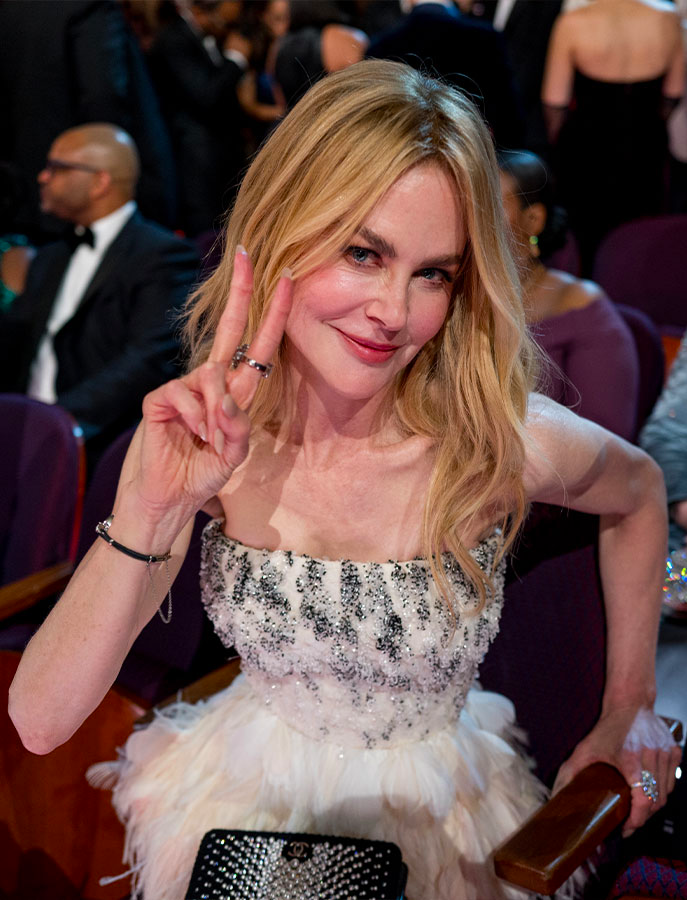
Nicole Kidman at the 98th Oscars
