
‘MARILYN MONROE: A PORTRAIT’ EXHIBIT OFFERS NEW PERSPECTIVES ON 20TH CENTURY HOLLYWOOD LEGEND
words by BEX WHITLEY
June 2026 marks what would have been the 100th birthday of Marilyn Monroe. Yet how much do we actually know about the woman so often reduced to an image?
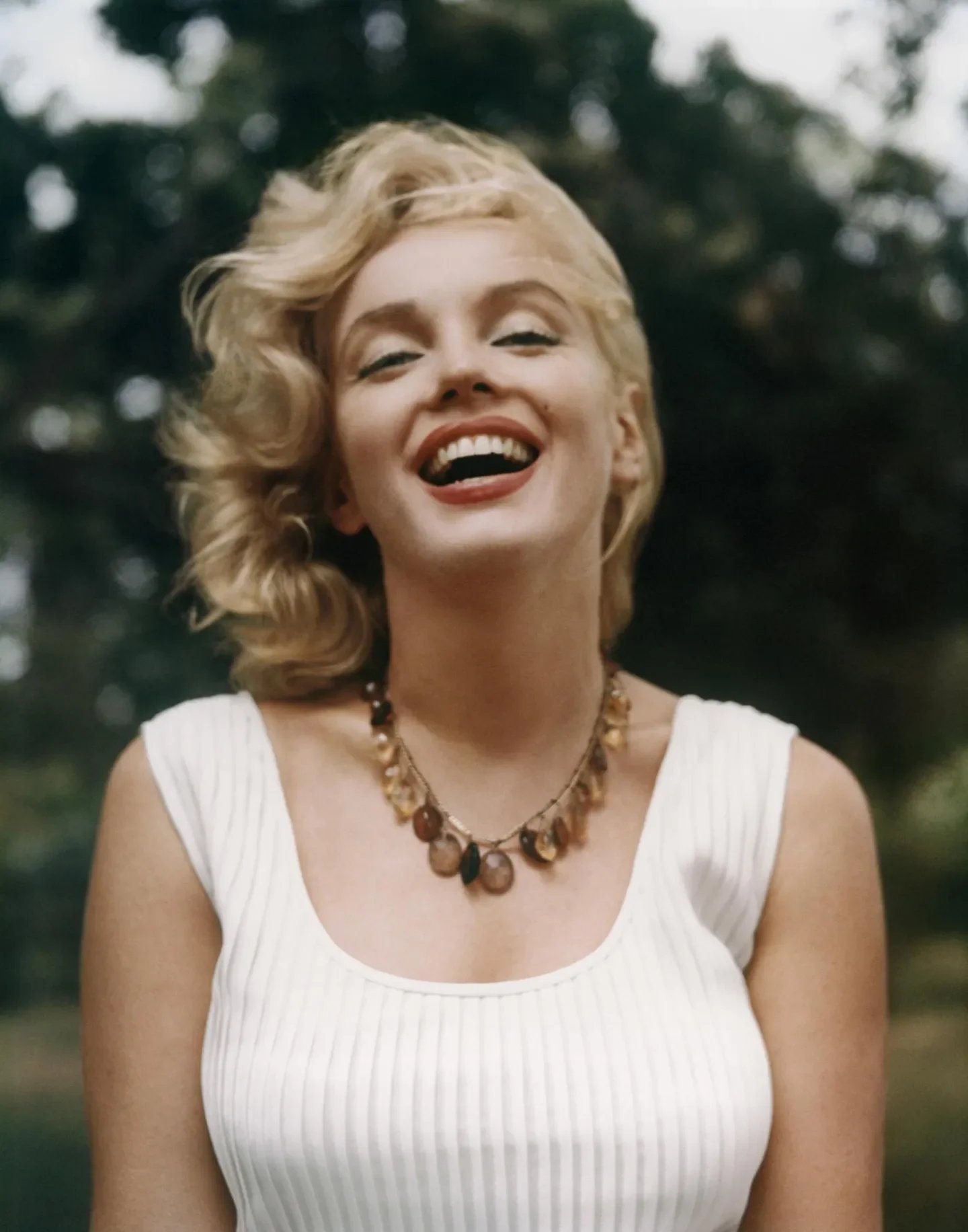
image courtesy of NATIONAL PORTRAIT GALLERY
The National Portrait Gallery's Marilyn Monroe: A Portrait follows Monroe's professional career from Norma Jean to Marilyn. In what was described by the gallery’s Director as one of their “most highly anticipated exhibitions”, the depiction of Monroe as simply a ‘blonde bombshell’ is challenged throughout. Instead, the display offers an exploration into the multi-faceted and tenacious woman once described by legend Ella Fitzgerland as being ‘ahead of her time’.
What lies at the heart of the exhibition is the dialogue between two bodies of work – the images captured within Marilyn’s lifetime, and the artists subsequently inspired by them. Despite her death at 36, Marilyn remains one of the most photographed people of the 20th century, a fact whose weight is only compounded from one room to the next. Marilyn’s final interview, a conversation with Life associate editor Richard Meryman, accompanies visitors throughout as the audio guide. Both literally and figuratively, she is given the last word.
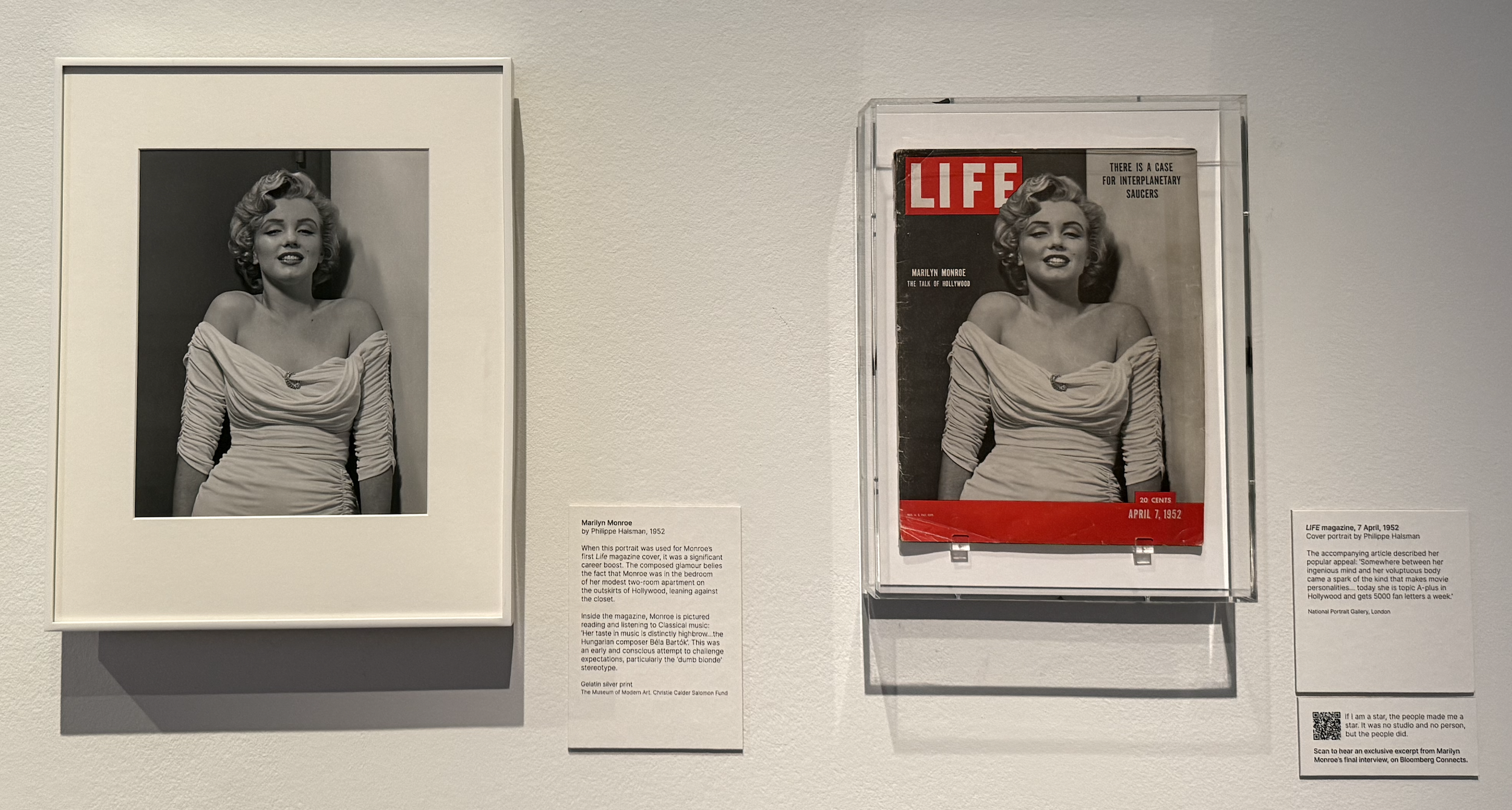
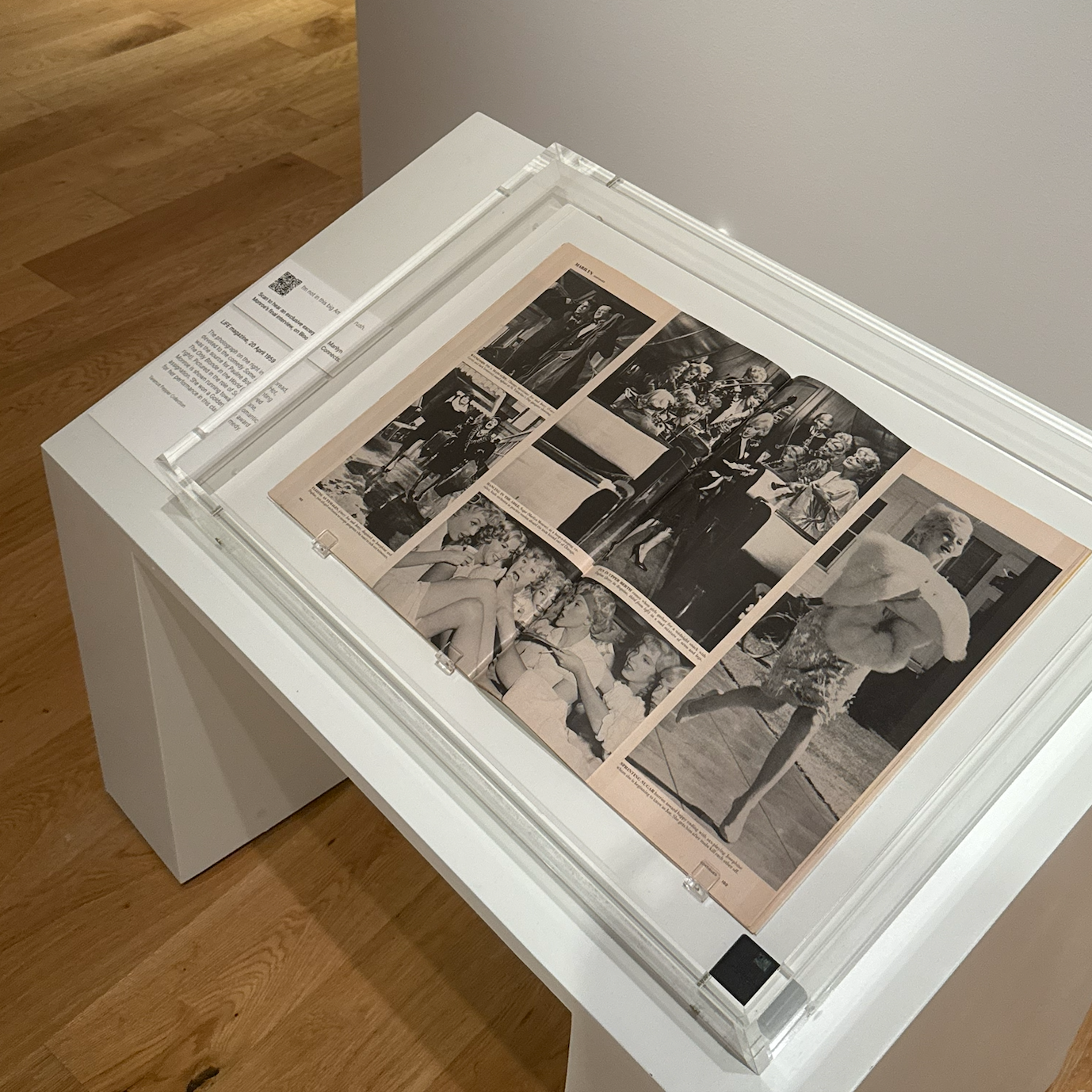
images courtesy of BEX WHITLEY
“Marilyn Monroe remains one of the most recognisable people in modern history: a shorthand for glamour, distilled from the films that she appeared in and the wealth of photographs of her, reinforced by the generations of artists she has inspired.”
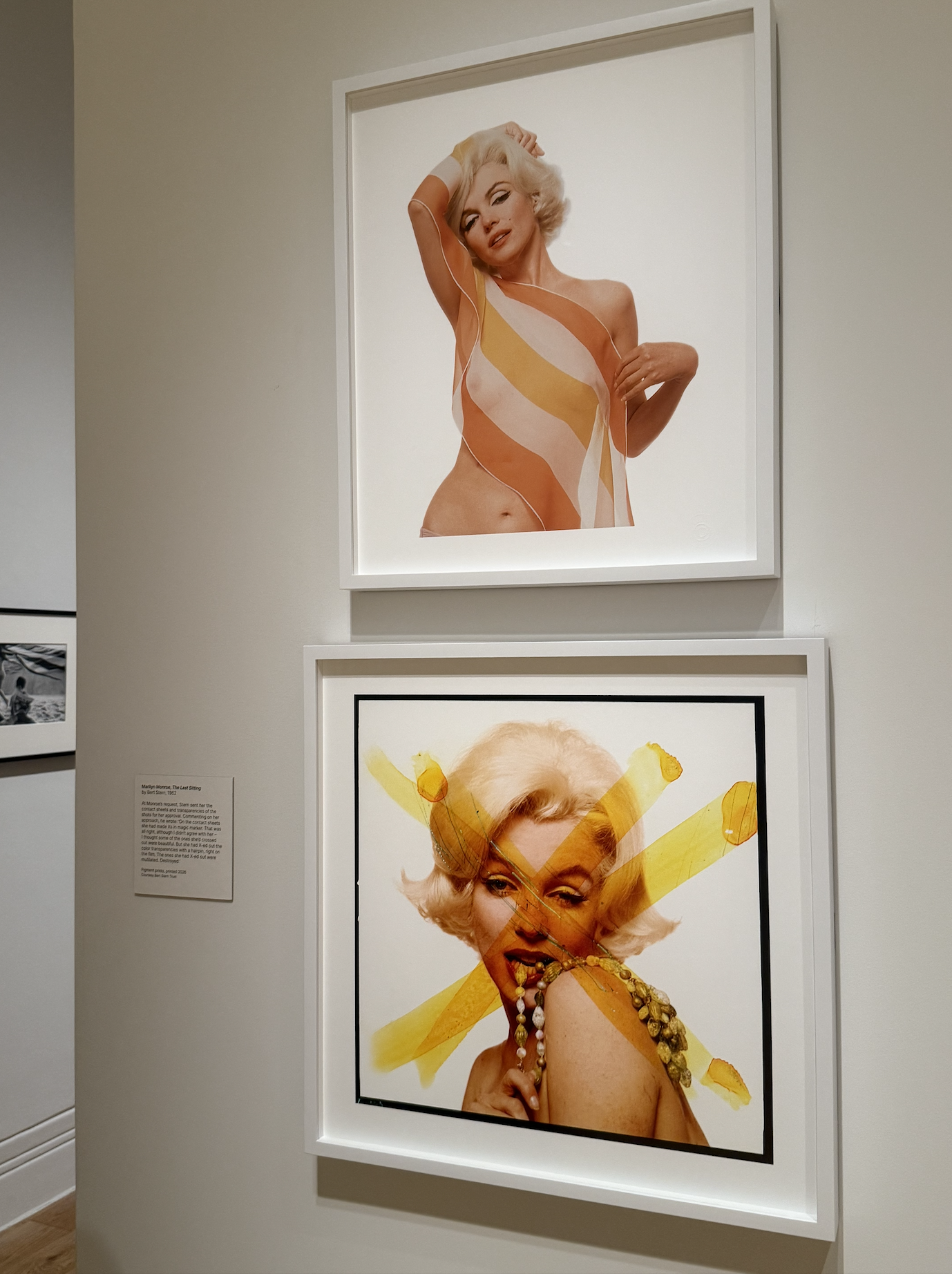
The curatorial decision to refer to her throughout as Marilyn, the name she preferred, is just one of many made by Rosie Broadley and Georgia Atienza. Despite the complexity which surrounded her, this isn’t an exhibition that positions Marilyn as misunderstood. We are introduced to a multifaceted woman, one respected by fellow creatives and considered a collaborator and an equal. Richard Avedon noted that she would pore over contact sheets for hours, always searching for what she called an “honest picture.” Bert Stern's The Last Sitting, shot just weeks before her death, tells the same story. At Monroe's request, Stern had sent her the contact sheets for approval. Those she disapproved of were immediately destroyed.
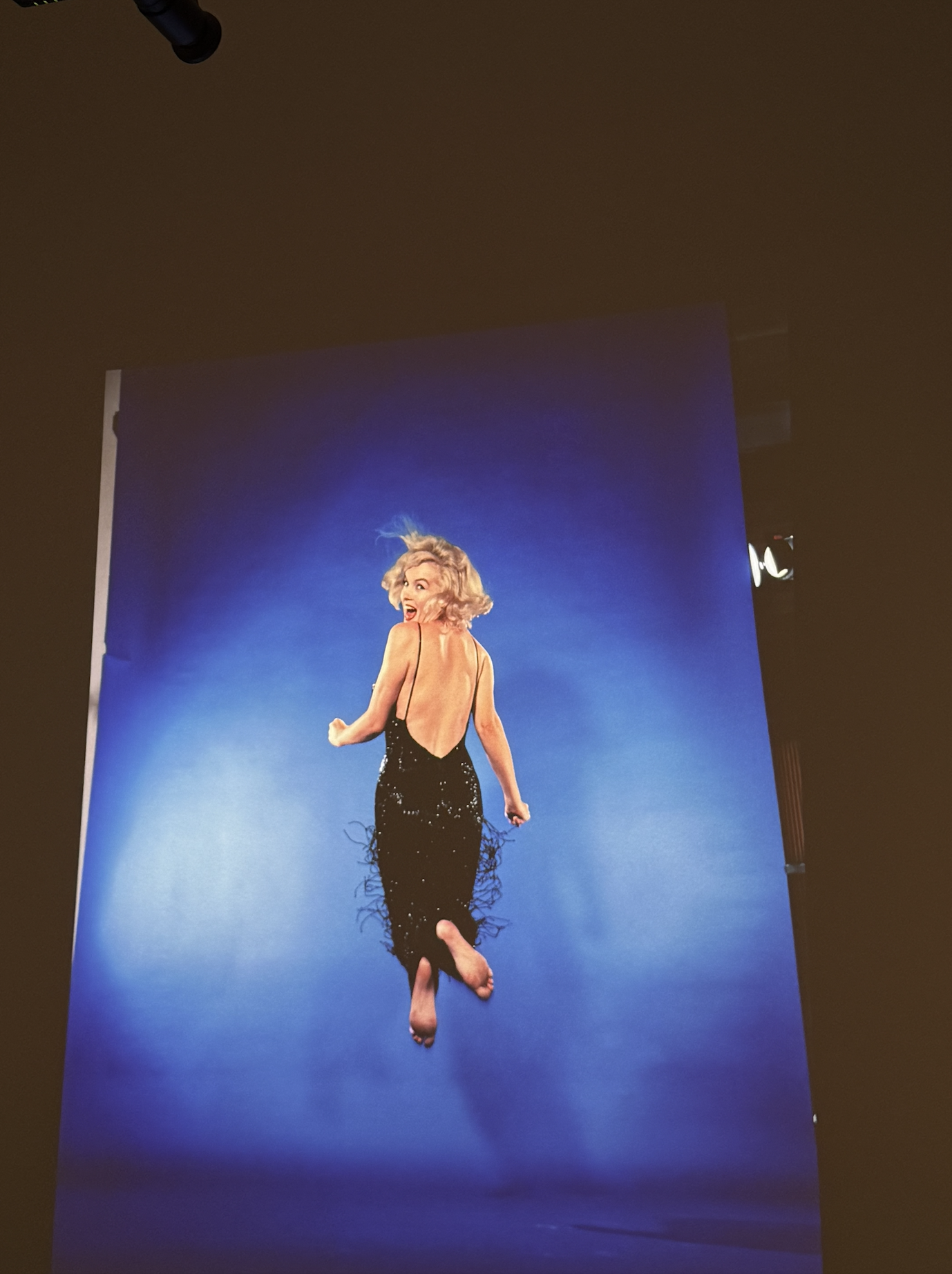
Perhaps one of the most impactful pieces features a painting by Pauline Boty, whose profound grief following Monroe’s death led to her painting, Colour Her Gone.The prominence of female artists throughout the exhibition stands in contrast to the predominantly male photographers who documented Monroe during her lifetime. For even the most devoted enthusiast, there are images here that have seldom been seen, often from the same shoots as the most iconic frames, yet ones that never quite made history.
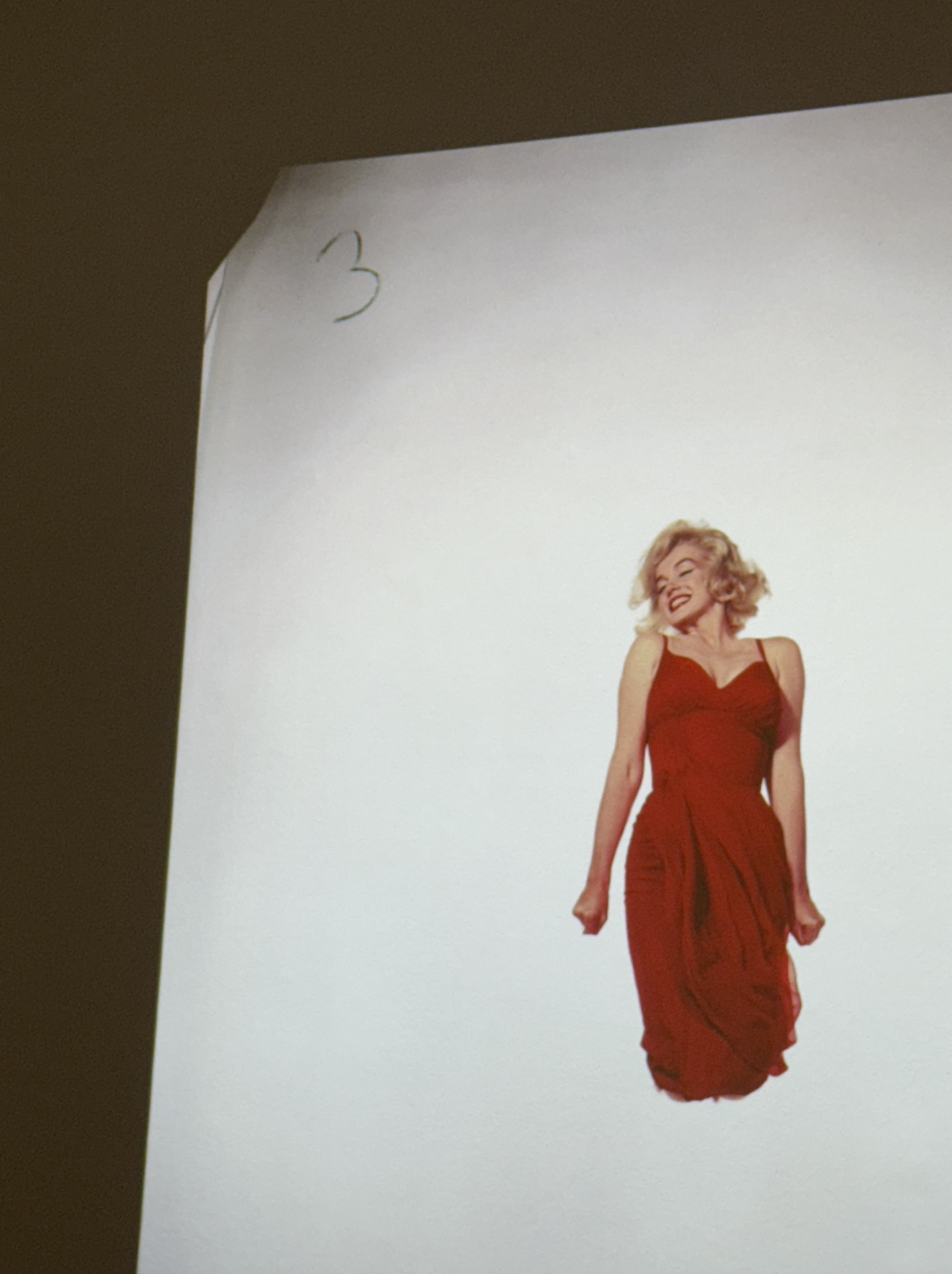
images courtesy of BEX WHITLEY
“She gave more to the still camera than every other actress – every other woman – I had the opportunity to photograph.”
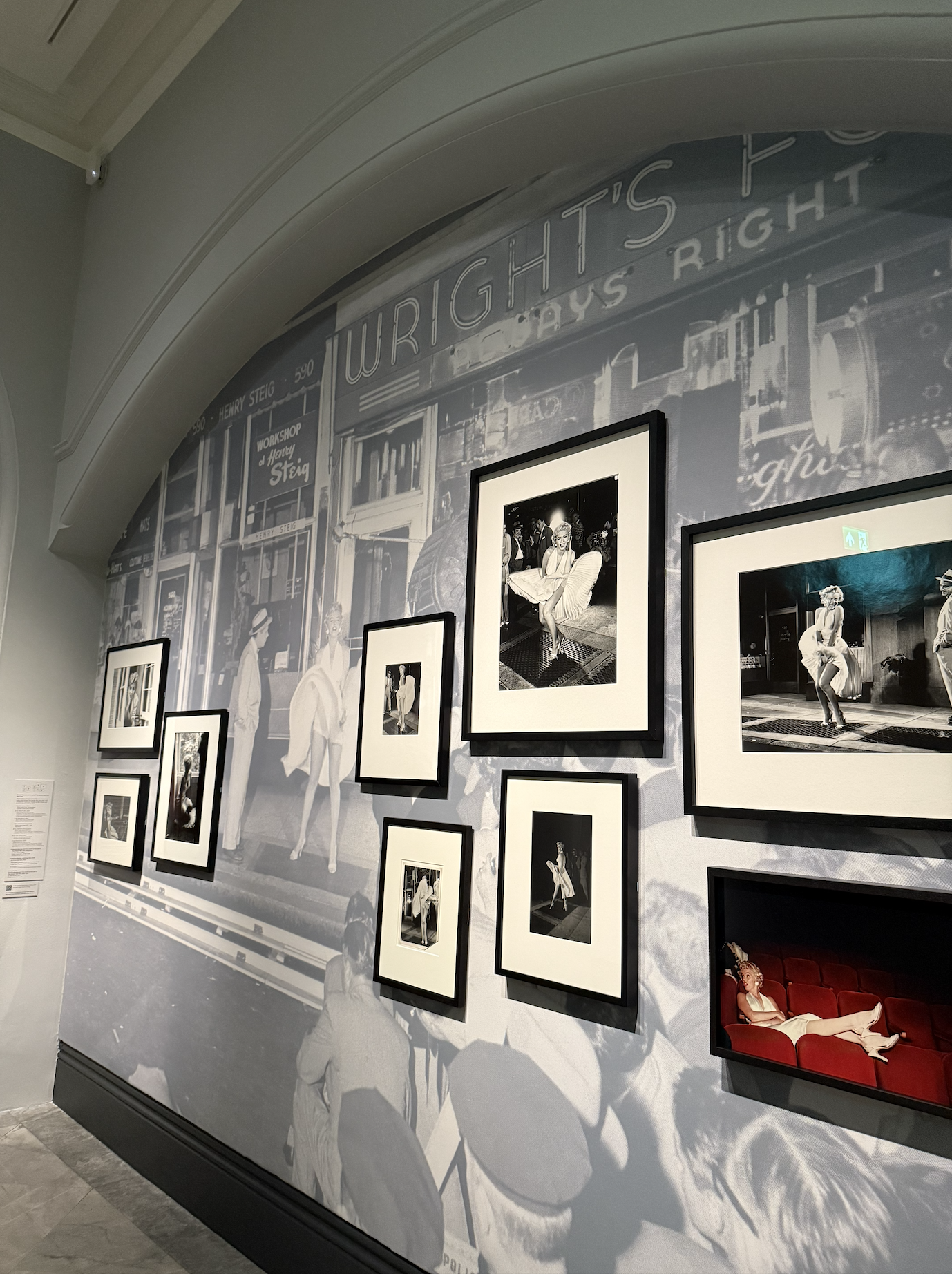
That isn't to say that some of the items that have been part of the Hollywood star's legacy have been forgotten. Among the two hundred items are three Warhol screen prints, fitting for a woman who became the defining motif of pop art itself, and an impressive achievement for the gallery. Alongside them are Sam Shaw's photographs of Monroe standing over the subway grate, white dress billowing… the image that made history, George Barris's final beach photographs from the last weeks of her life, and previously unseen images by Allan Grant, taken at Monroe's Brentwood home the day before her death – 432 captured, only eight ever published.
The woman who shaped her own image, even as others tried to define it, is finally being seen on her own terms.
images courtesy of BEX WHITLEY
Marilyn Monroe: A Portrait will be available to visit at the National Portrait Gallery in London from 4 June until 6 September 2026.
Rights of Publicity and Persona Rights were used with permission of The Estate of Marilyn Monroe LLC.