
MUSEUM BOIJMANS VAN BEUNINGEN PRESENTS A MAJOR RETROSPECTIVE OF WORK BY POP ART ICON MARISOL
Marisol (1930–2016), one of the stars of the New York art scene in the 1960s, was lovingly described by Andy Warhol as “the first female artist with glamour”. From 9 October 2026 to 29 March 2027, Museum Boijmans Van Beuningen’s Depot in Rotterdam will present a retrospective of the Venezuelan-American artist’s work.
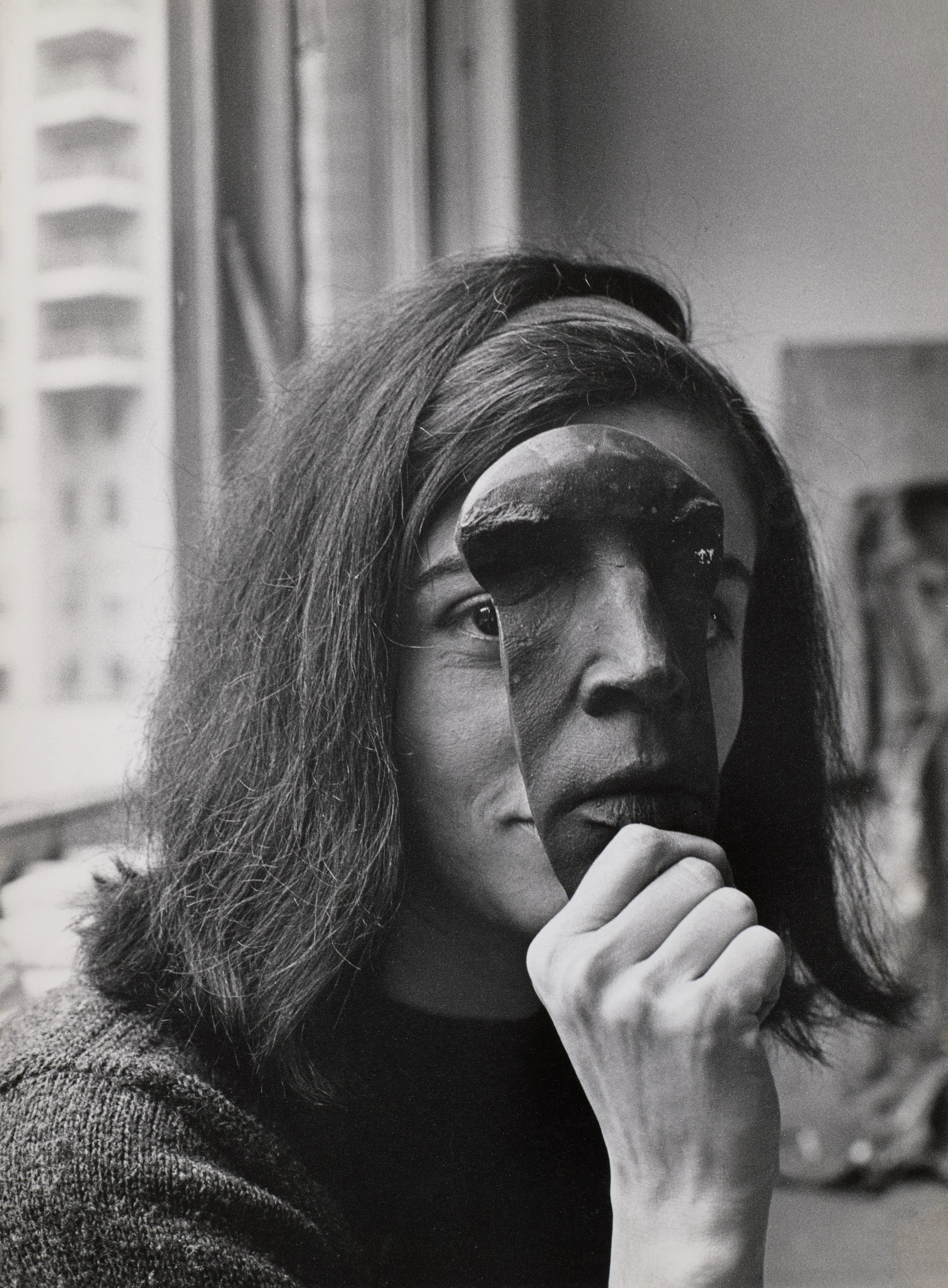
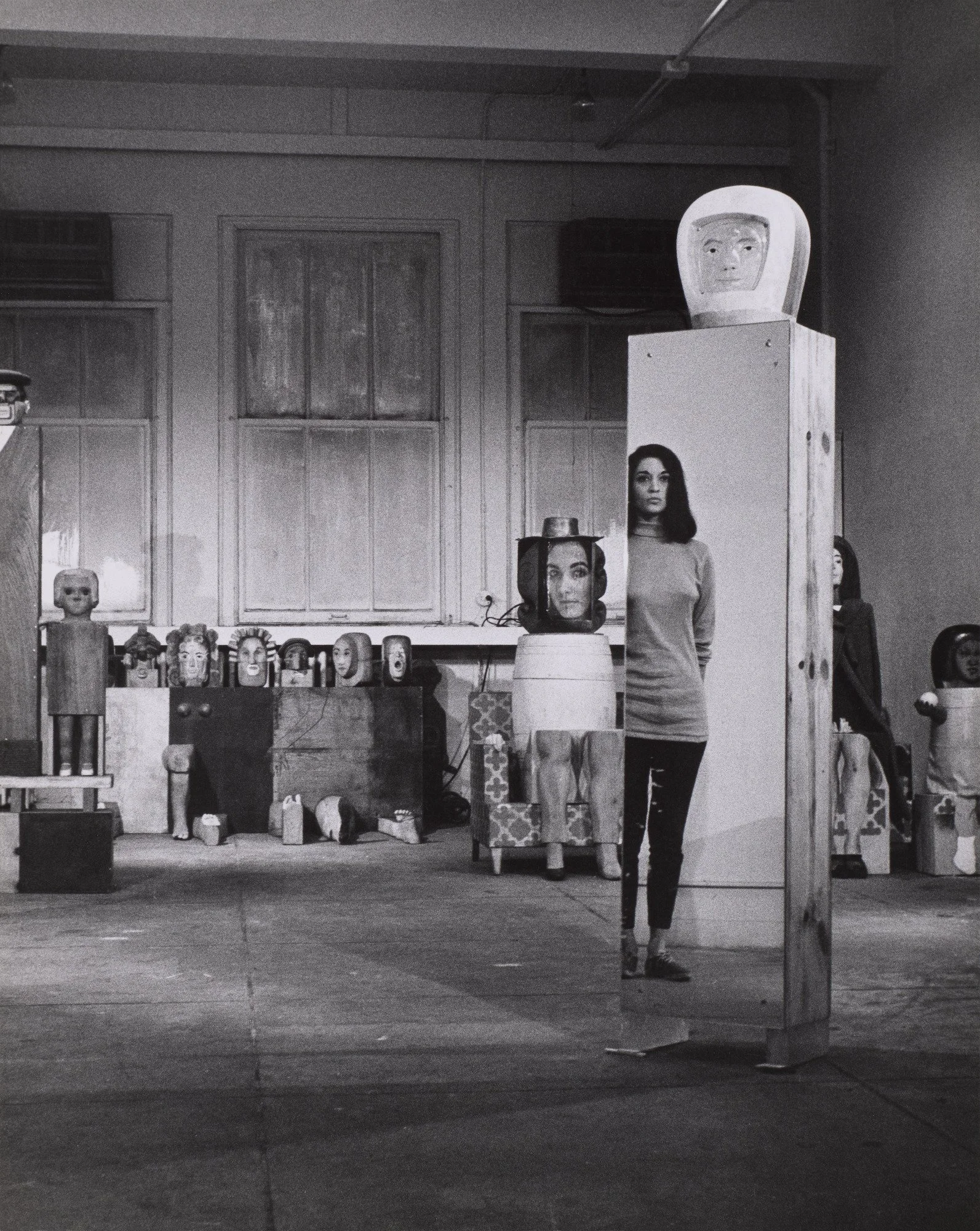
Born María Sol Escobar in Paris in 1930, Marisol grew up in Caracas and the United States. Her distinctive artistic style combined pop art, folk art, found objects and self-portraiture. She created colourful wooden sculptures and satirical ensembles exploring identity, femininity and women’s roles in society. By incorporating casts of her own face and hands into her work, she questioned how women could define themselves as artists and members of society.
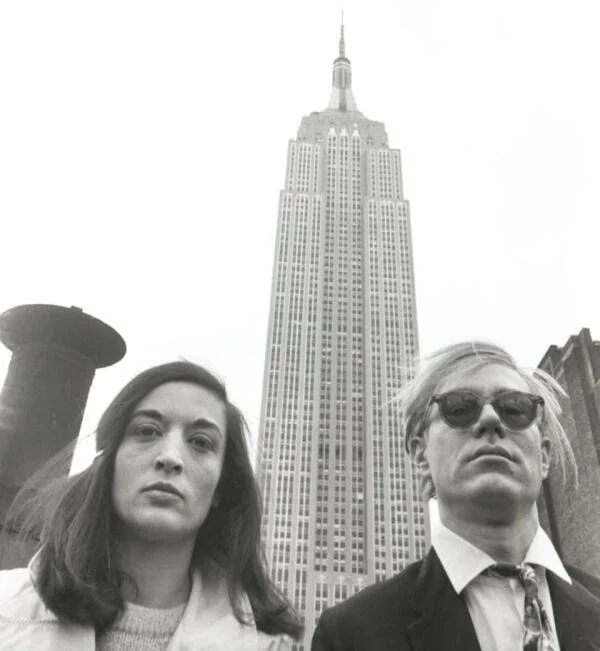
The Rotterdam exhibition featured more than eighty international loans and revisited the artist’s first solo museum exhibition in the city in 1968. Highlights included La visita (1964), a group portrait of three women, and Mi Mamá y Yo (1968), a personal depiction of Marisol as a child with her mother. Another major work was The Car (1964), a half-scale blue Ford Falcon containing five passengers, most bearing the artist’s face. The sculpture explored identity, freedom and the American dream while exposing racial inequality and restrictions on interracial marriage in 1960s America. The exhibition also explored Marisol’s friendship with Warhol through sculptures and experimental films, including Kiss (1963).
In the late 1960s, Marisol withdrew from the art world and developed a passion for diving in Tahiti. Her growing environmental awareness inspired her to create wooden fish and underwater creatures addressing pollution, threatened ecosystems and American global power. Some works evoked Cold War submarines, but harsh critical responses contributed to her declining reputation.
Through this retrospective, Rotterdam sought to restore Marisol’s place in art history, highlighting the continuing relevance of her explorations of identity, gender, environmental responsibility and political power.
