COUTURE MEETS THE HIGH STREET IN JOHN GALLIANO'S RE{FORM} FOR ZARA
words by DEBORAH DRENOFCI
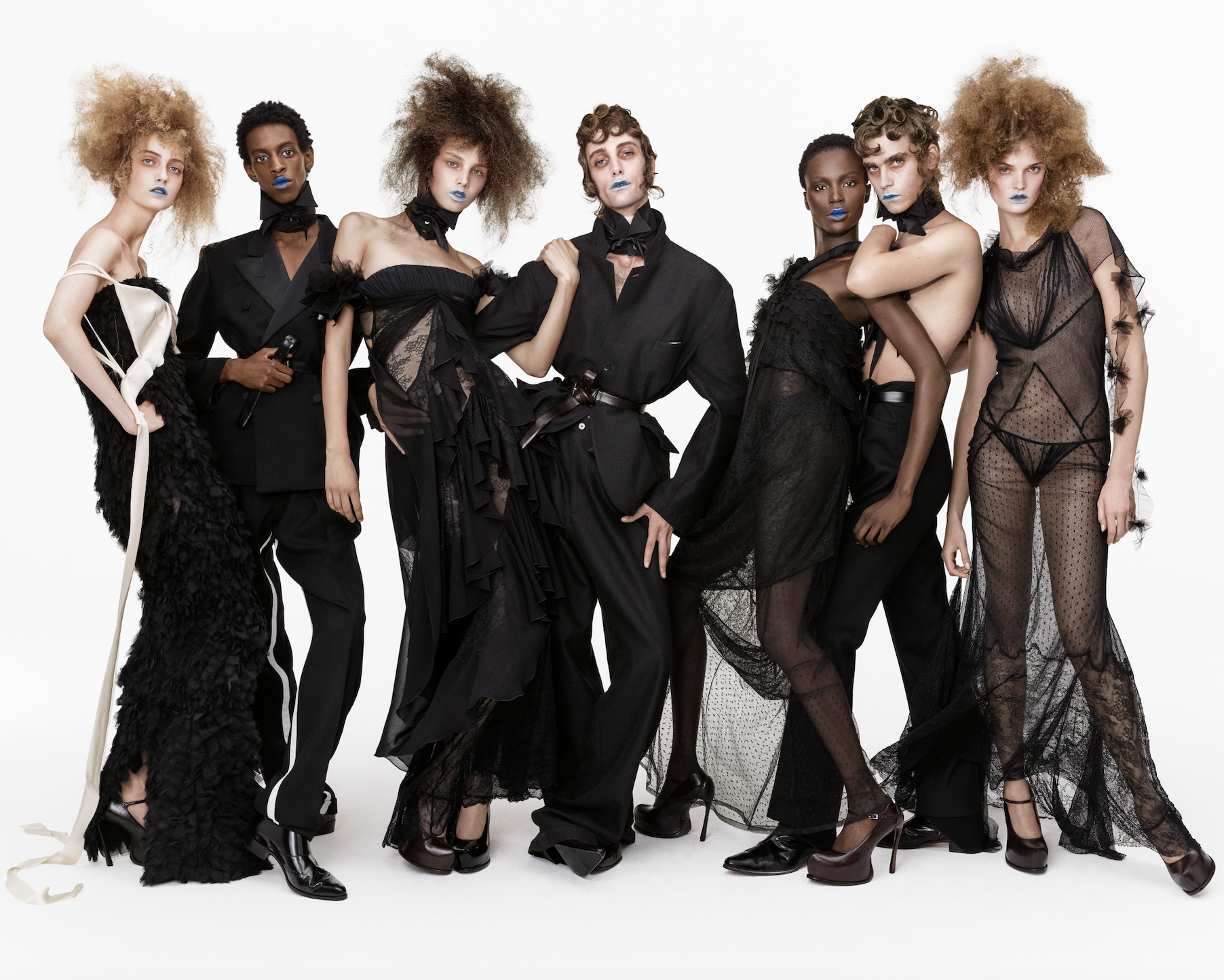
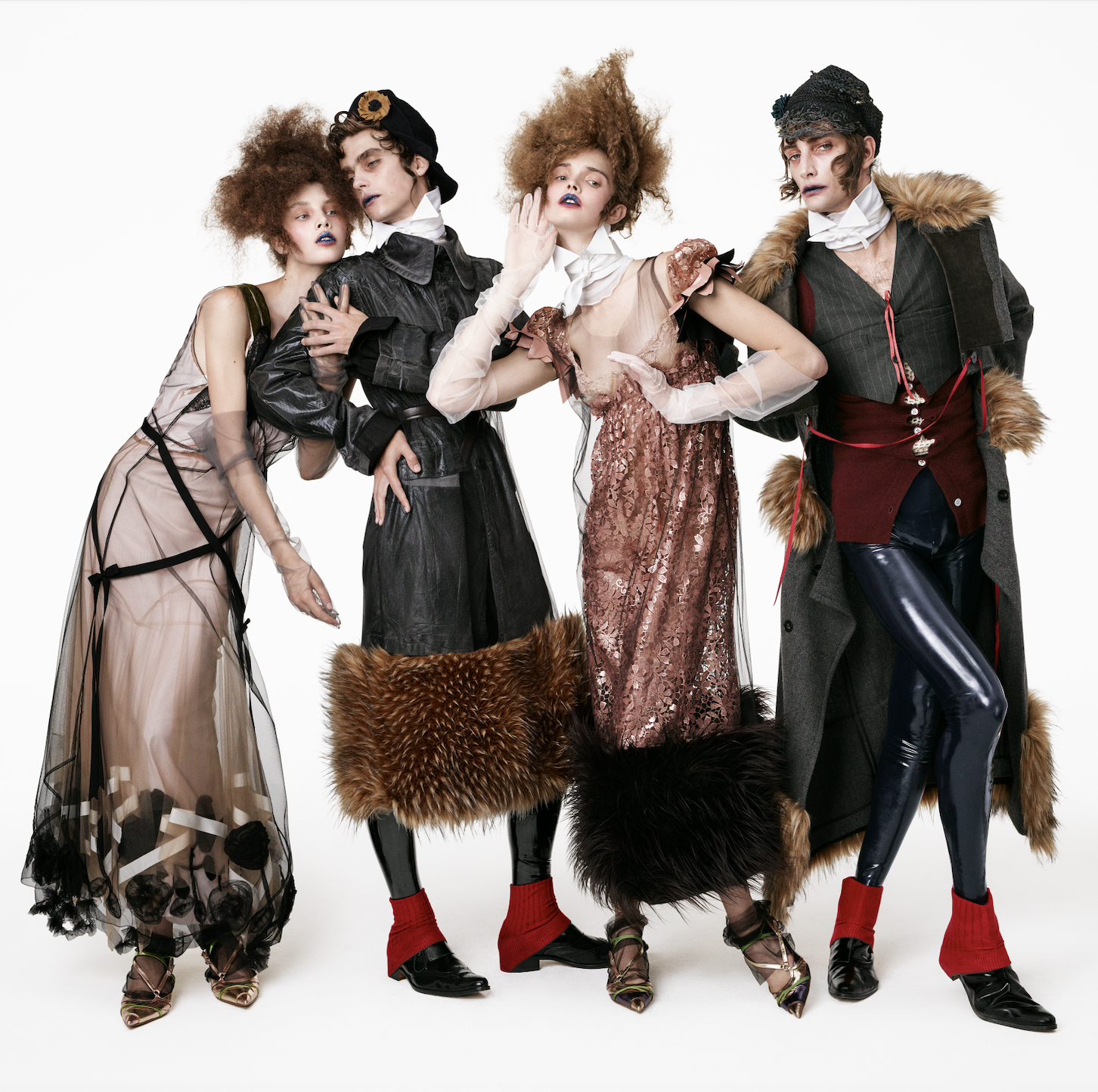
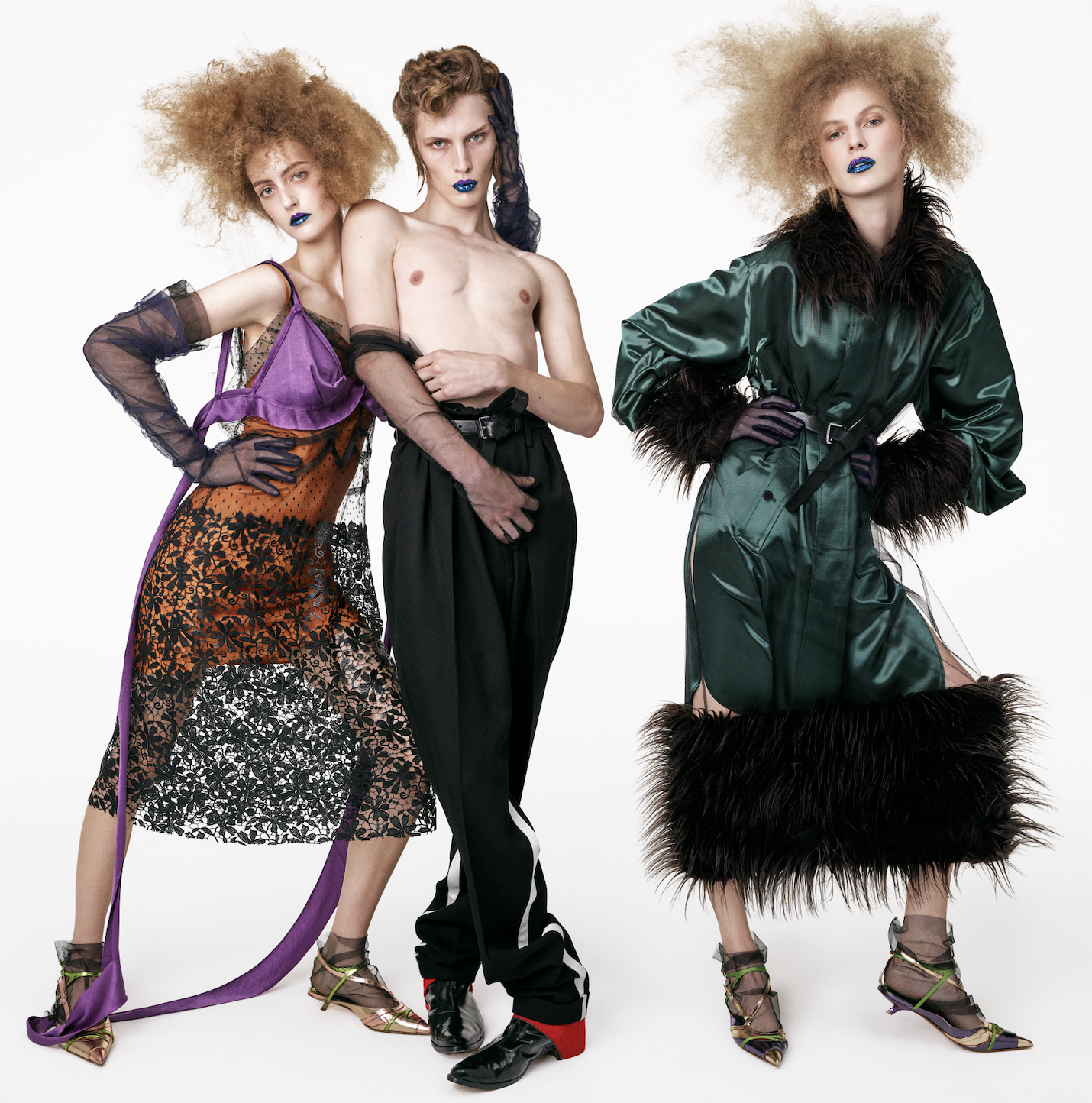
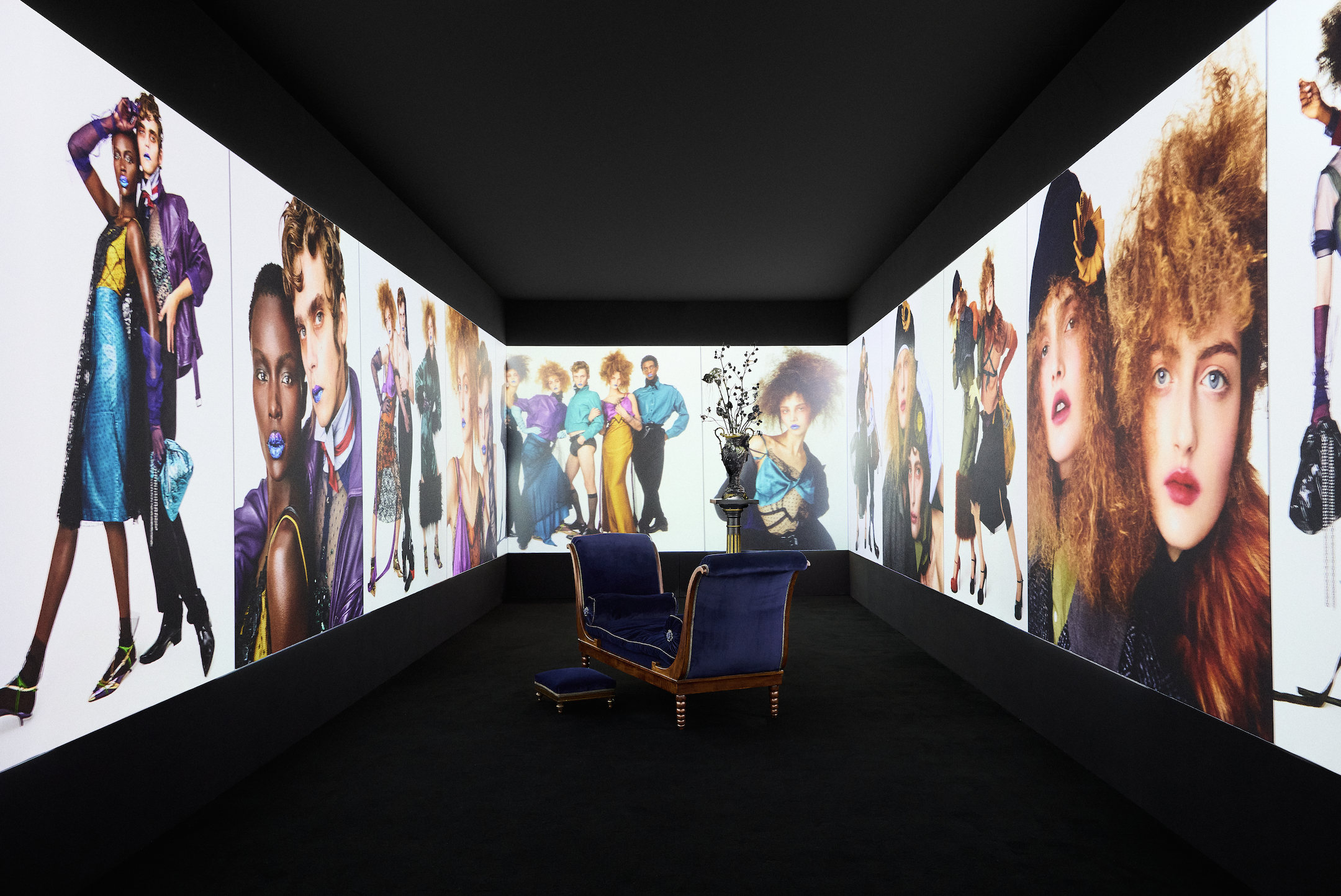
The long-awaited collaboration between John Galliano and fast fashion's great translator, Zara, has finally taken shape. Re{form} is a two-year series of seasonal, genderless collections in which Galliano's magic reimagines Zara's endless archive. Vol. 1 launched on October 1, online and in the brand's flagship stores in London and Madrid. To mark the occasion, Zara has taken over a townhouse in the Marais from October 1st to 6th, where an appointment-only pop-up invites visitors into Galliano's journey through the archive, from his sketches to his haute couture savoir-faire. It is an exclusive salon in Paris, staged by the brand that built its empire on making fashion fast and accessible. Designer collaborations on the high street might not be nothing new, but one of this scale and ambition definitely shifts the conversation. On paper, this should be the democratisation of fashion at its finest. But the question keeps returning: who is democratising whom?
all images courtesy of ZARA
There is no doubt that Galliano is more than a designer. From Dior to Maison Margiela, what persisted was his love for art and history, and the way he wove them into every garment with a wave of passion. Re{form} definitely carries his touch.
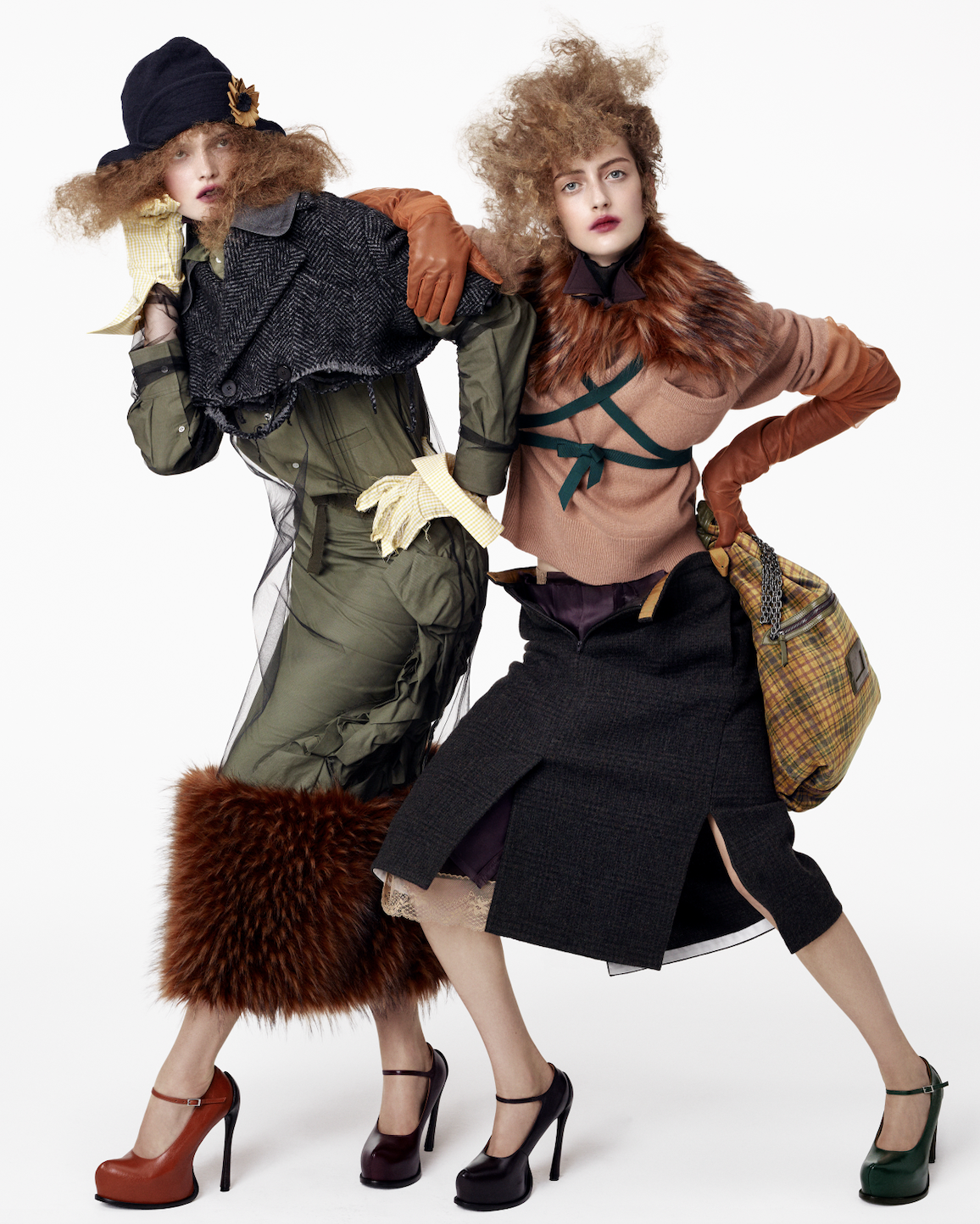
He treated Zara's archive like a box of old photographs, pulling pieces out, cutting them apart and stitching them back together into something new. Out of that process came old friends. Les Incroyables and Les Merveilleuses, the flamboyant young rebels who dressed up Paris after the Revolution, first appeared in Galliano's 1984 graduate collection. Forty years later, they are back, with a fresh attitude.
The tricks are pure Galliano. A simple shirt grows into a coat, a jumper is thrown over the shoulders and knotted like a stole, and jacket pockets slip out of place to give the tailoring some cheek. Sheer layers stack up like the pages of a flipbook, so what looks like one coat is really several garments at once. The palette tells its own story, starting in the sober browns and navies of a gentleman's wardrobe, wandering into olive and ochre, and ending in orchid pink and acid green. The accessories are just as playful. The Tri-Chic is shaped like a bin bag, and its name plays on tri sélectif, the French word for sorting your rubbish.
So, back to the question. Who is democratising whom?
For decades, Zara's genius was speed. What walked down a runway in New York, London, Milan or Paris could hang in a store weeks later at a fraction of the price. In its own way, that was democratisation, though the designers never asked for it. Now one of those designers has been invited inside, and the direction has reversed. The clothes still start at the price of a T-shirt, but prices can reach very high ceilings. The debut happens in an appointment-only salon in the Marais, not in a shopping street. Zara isn't only bringing couture down to the people. It is also lifting itself up towards it.
And what about Galliano? After turbulent years, and a month after withdrawing from a planned exhibition at the Met, he could have retreated. Instead, he went back to the cutting table. Away from the weight of a luxury house and with an archive he was free to cut into, he has spoken of getting his spontaneity and energy back. Zara gives him room to play, and he gives Zara the one thing speed could never buy, which is authorship.
So Zara democratises Galliano, though it is hard to argue he ever needed it. Fashion itself is another matter. A dress costing several hundred euros is far from what most people expect when they walk into Zara, and a debut staged by appointment in the Marais keeps the whole conversation behind closed doors. Instead of narrowing the gap between couture and the high street, Re{form} seems to widen it. Yes, the clothes are beautiful, and there are not many of them. But they arrive alongside Zara's usual pace, not instead of it. The regular collections will keep landing in stores as quickly as ever, untouched by Galliano's slower hand. A true democratisation of fashion has yet to come.