
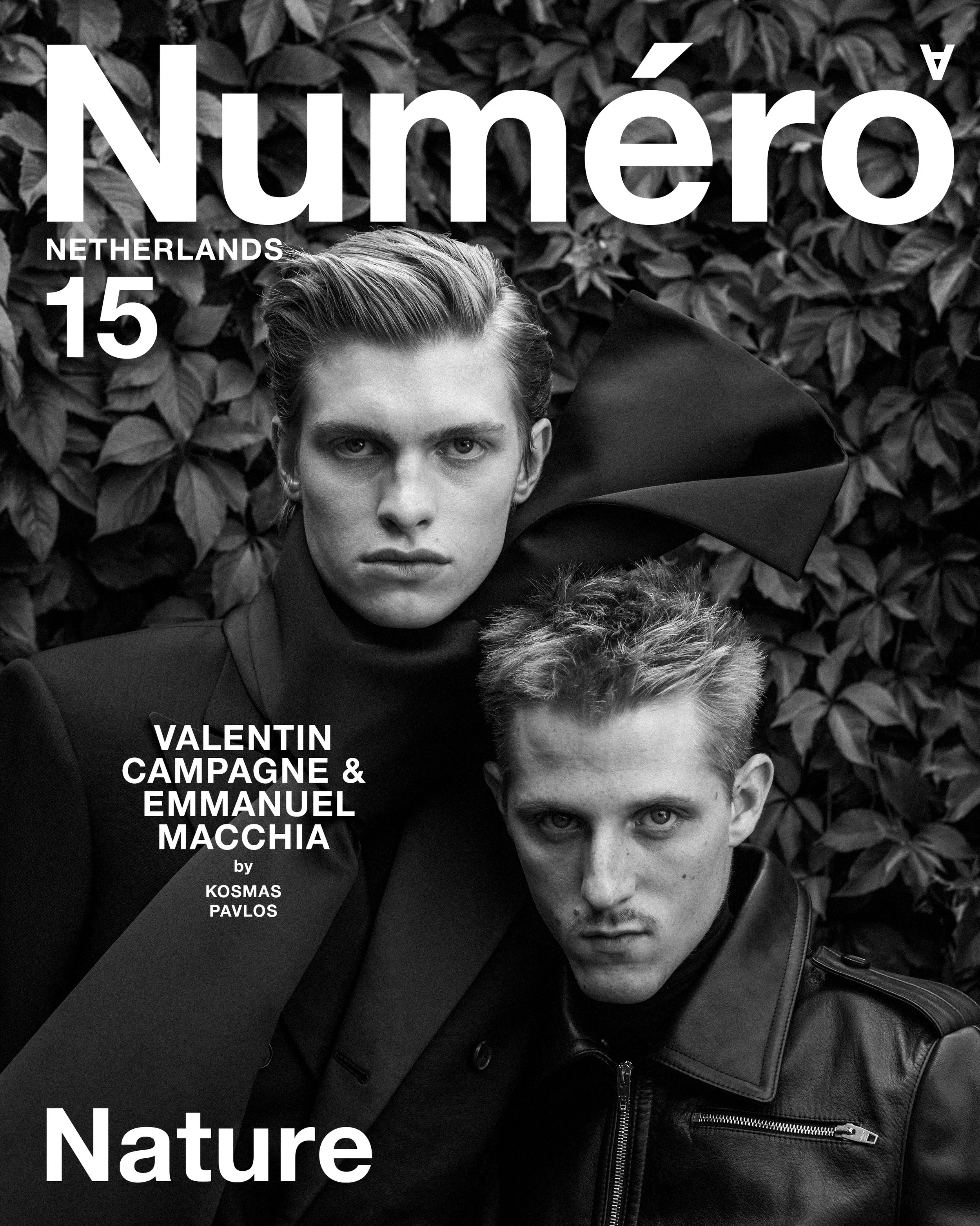
IN CONVERSATION WITH EMMANUEL MACCHIA AND VALENTIN CAMPAGNE
In LUKAS DHONT’s acclaimed 2026 film Coward, EMMANUEL MACCHIA and VALENTIN CAMPAGNE inhabit a world where love and war, tenderness and violence exist in close proximity. As PIERRE and FRANCIS, two young men drawn to one another amid the uncertainty of World War I conflict, they bring a striking intimacy to the screen — one shaped by instinct, vulnerability and trust. Their chemistry gives the film much of its emotional charge, while their performances reveal two distinct approaches to the art of inhabiting a character.
You weren’t looking for cinema when cinema found you. Looking back, do you ever think your life changed the moment Lukas Dhont saw something in you that you hadn’t yet seen in yourself?
I think there was something in me that just needed to be discovered and set free. My emotions were really blocked, for example, and I think I needed to free myself to perform, to accept my emotions and to play in front of the camera. I think that was the real objective for me.
Before acting, you were studying landscape architecture. Do you feel that learning to observe landscapes, spaces and their relationship with people gave you a different way of seeing the world? And is that something you now bring to your acting?
I’m more of a person who observes others before doing something. I try to know people, how they think, how they live. Studying landscape architecture taught me all of this, and I also learned to have more passion for myself and for others.
You were discovered at school and almost immediately found yourself at the centre of a film. What was the biggest adjustment for you, not as an actor, but as a person?
It was special because it was my first time acting. It was something completely new for me, and I was suddenly at the centre of a movie. I felt a lot of responsibility and pressure, especially because of the way the other people on set would look to me.
I also connected with Pierre because he is simply thrown into that world, into the war, into art. He doesn’t know anything and has to find his way. I think we have that in common. It might not have been a safe place, but I could understand him, both on set and as a person.
What was it like to be guided by Lukas Dhont through the process of discovering Pierre and finding your way as an actor?
It was intense because Pierre is a character who lived through war. It was about learning to perform and allow my emotions to come through, because I was struggling with my own emotions before the movie — learning to accept myself and show my emotions to others.
Even during the filming process, I discovered emotions that I didn’t know I could feel. I think, during and after the movie, it was really about discovering myself and learning how to be myself in front of the camera and in real life.
Pierre is a character who often seems to carry so much inside him without being able to express it. How did you find your way into his silences and the things he cannot say?
I was struggling with my own emotions, so discovering Pierre was also a discovery of myself. I think it’s interesting because Lukas wanted something from Pierre — for him to be shy and more introspective, not really expressing himself or showing his weakness to others. Sometimes I wanted more from Pierre. I wanted to express myself more, but I couldn’t. It was a balance between what Pierre wanted to express and what Lukas wanted him to be.
The relationship between Pierre and Francis feels incredibly raw and physical. How did you and Valentin build that sense of trust and intimacy between the two characters?
When we first met at the casting, it was intense, with a lot of real emotion and laughter. But I didn’t really feel a connection with him at that moment. It was more like friction between the two of us.
After the rehearsals, we sat down and talked. We wanted to get to know each other — who we are, where we come from, what we are, and what events in our lives shaped us.
After that, there was trust between the two of us. It wasn’t Valentin’s first movie, but, speaking for him, maybe it was his first big movie with a big role. For both of us, it was a big project where we could feel a little lost but also find something with each other, both on set and outside of it.
The film places these two young men in an environment where death is constantly around them. How do you approach playing someone who is trying to experience love while knowing that the people around him may not survive?
During the shoot, those moments really touched me as a person. When we started, we were just young people who didn’t really know who we were, where we were or what we were doing for a movie. At the same time, we were playing young soldiers from the past and building those connections with the soldiers — my friends — not only as actors but also as people.
I had to play with the idea that someone could die, and that Pierre could experience love and maybe choose love instead of his friends and his country. It was a choice, but it was also about following my own instinct as a person and as a character.
It was a discovery for me as a person and as an actor, but more as a person — the choices you can make as a young soldier, as a young person, and the consequences those choices can have on you and others.
Sharing the Best Actor Award at CANNES this year was an extraordinary recognition. But beyond the award itself, what did making Coward leave you with as an actor and personally?
It was the best thing that could happen to us. We won it together, and it was really a piece of work we did together, from the beginning to the end.
For me, as a young man, it was about accepting my emotions. I’m from an Italian family that is very strict about men showing their emotions. We cannot really talk about them.
It was about accepting myself, showing my emotions, and doing a movie where I can show that a man from the past could also try to have a love story with another man. I’m really proud, and it makes me more confident about myself, what I can do, who I can be and, why not, who I can love.
There is a remarkable vulnerability in your performance, particularly in the moments when Pierre allows himself to be seen. What was the transition for you from living so deeply with Pierre during filming to returning to your life afterwards?
I think it’s a process that we have to go through day by day — for me to understand Pierre, to understand my own emotions and to be able to act.
But after the movie, it was difficult because I started filming when I was 18 years old, and now I’m 20. It’s a strange feeling, as if I had become another personality. I’m a bit of Pierre, but not completely.
It’s strange because it feels like I lived another life — a really good and intense life, with all the best things that could happen in the life of a young person, with all these young men, my friends, and that sense of freedom. And then suddenly, I had to return to my real life from this world we had created. It takes a moment to process it.
Nature has been part of your life long before cinema. Is there a particular place in nature where you feel most like yourself, or where you feel a particular sense of freedom?
Yeah, truly. I grew up in the countryside. There wasn’t a lot of activity there, and I was very connected with nature. My family is also connected with nature.
I think it’s my safe place — sometimes being alone in the forest next to a river and just thinking about nothing is my kind of moment. It’s when I can let go of everything and just reconnect with myself.
VALENTIN CAMPAGNE
You began performing at nine, studying theatre while also playing piano, singing, dancing and rapping. What did performing give you at that age that you weren’t finding anywhere else?
Performing at that age gave me what art gives to people. I think it gave me a lot of freedom, and it’s a lot about accepting emotions. I have the impression that dancing, singing, rapping and theatre give you a connection with yourself and your emotions. It gave me this — the ability to know myself.
You studied music, including music theory and choir, before seriously training as an actor. Did you ever feel you had to choose one discipline, or were you always drawn to the space where all of them meet?
Yes, of course. With acting, I was always thinking, “I want to be an actor.” But my parents always told me that I would need different forms of art if I wanted to do big roles — roles where I see movies and I’m like, “Oh my God, I want to play this.”
I knew that I would enjoy a musical the most. So, in a way, I knew that the thing I focused on was acting, but I would never let music and the other disciplines go. Even now, I don’t feel like I have to choose. I do music too.
Growing up in the suburbs of Paris and later training at the conservatory COURS FLORENT and acting school ESCA, you experienced very different artistic environments. How have those places shaped the person you have become beyond the actor?
I think when you want to be an actor, you have to see a lot of the world, especially people. I would say that growing up in the suburbs of Paris gave me the opportunity to meet a lot of different mentalities and to see different landscapes, because the suburbs of Paris can be very different from one another — Massy is very different from Verrières-le-Buisson, for example, and from Paris. It impacted me through the mixing of all of it.
Francis seems to have a very different energy from Pierre, more instinctive, more expressive, almost fearless at times. What did you recognise in him when you first encountered the character?
His joy, his way of looking at others. I would say his ability to perform and to make people trust him, to make them believe that he has no fear, even if it’s actually fake.
The chemistry between Francis and Pierre is at the heart of the movie. How much of that connection was built through rehearsal, and how much did you and Emmanuel simply discover together on set?
A lot was built during the rehearsals. A lot, really a lot, because we had about three months before the shooting. For me, it was 42 days of preparation for the character of Francis — to dance, to learn how to sing, all of this.
We had time to learn how to perform together. I would say that about 70 percent was built before shooting, and the rest was on set, because I have the impression that before the shoot, I was meeting Emmanuel and discovering who he really is, while on set, it was Pierre. So there was something else to add.
The film asks you to move constantly between tenderness and brutality, intimacy and the reality of war. Was there a particular scene that demanded more from you emotionally or physically than you expected?
I would say the scene where I “give birth.” It was extremely demanding.
And then there’s the scene where I sing in a dress in front of all the soldiers. That asks a lot from you because, for me, the whole film and the whole character of Francis were connected to that scene.
For Lukas, it’s very important that everything feels real. So when I sing, there was no studio recording. I was actually singing in front of a lot of people. That makes you feel something as a person, especially when you’re standing in front of a group of men wearing a dress.
There is something incredibly powerful about the way you give yourself to the musical and theatre scenes in the film. How special was it for you to draw on your own background in music, dance and performance in those moments?
It was special, as it was my dream. I felt like I was waiting for this role. When I read the script, I said to myself, “That’s the role I’ve been waiting for for a long time.”
Sharing the Best Actor Award at Cannes is an incredible accolade. But beyond the award itself, what did making Coward leave with you as an actor and as a person?
It was about accepting emotions. There was a scene that was cut from the movie, just after the sex scene between Emmanuel and me, where I simply cried. Francis allowed himself to be free after a moment of love. The scene didn’t make it into the final film, but it made me realise that I could cry, that I could allow myself to feel and express that emotion. Coward gave me that.
It gave me a connection with myself and made me less afraid to show my emotions. I’m constantly learning to do it, but that was the first step.
There is something about stepping away from the noise of everyday life and being surrounded by nature. Do you feel that nature has a way of revealing something about ourselves that we don’t always notice elsewhere?
I think we all feel that inside us. We go to the forest, and we keep returning because, somehow, we feel that the answers are there.
For me, the real truth is in nature, in the forests. This is the only place where humans can breathe. It’s the only place where you can truly feel the grandeur of nature and see how small we are. We can find something in nature that we can’t find in cities, with all the noise and everything. It reconnects us.
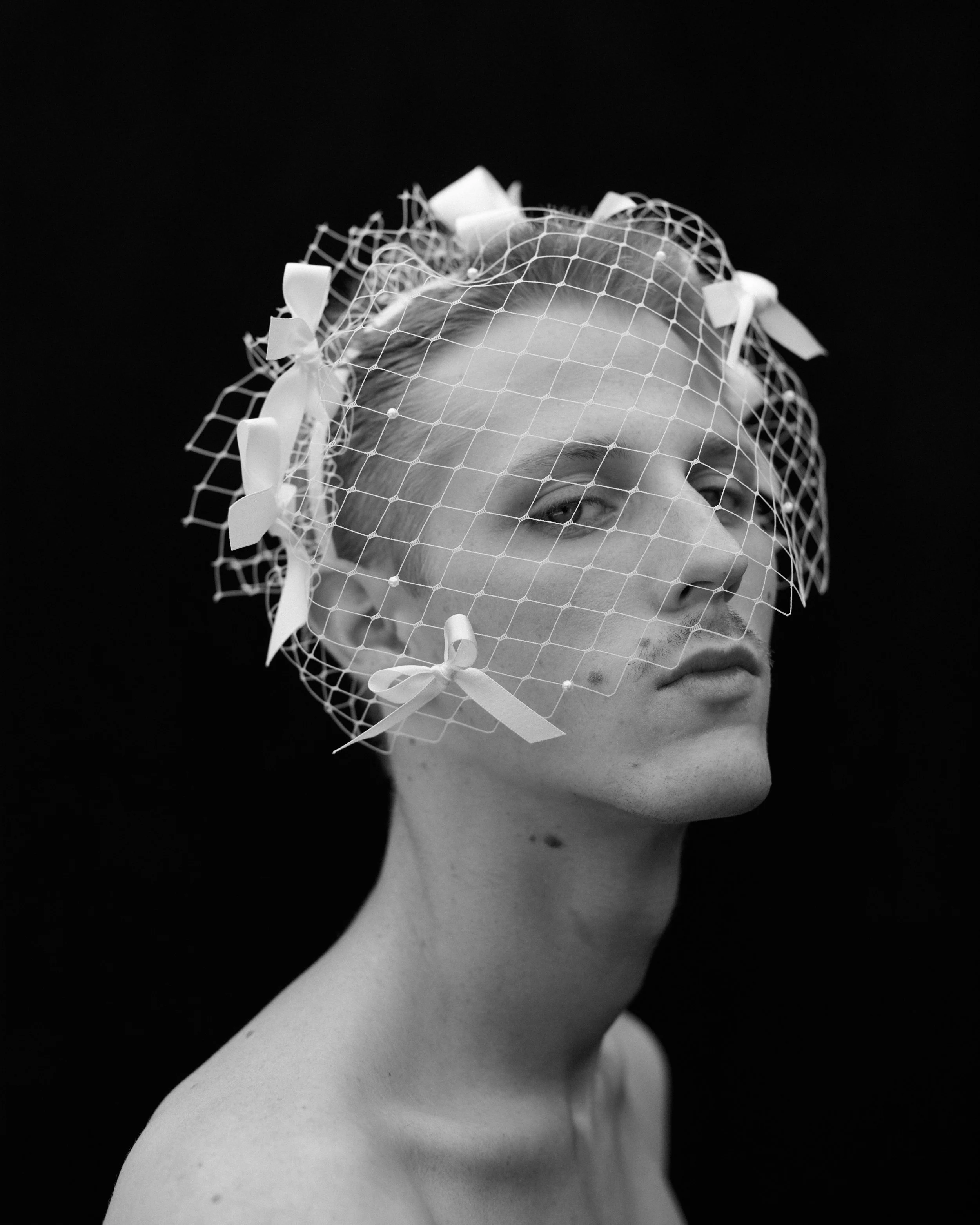
Valentin:
headpiece STEPHEN JONES
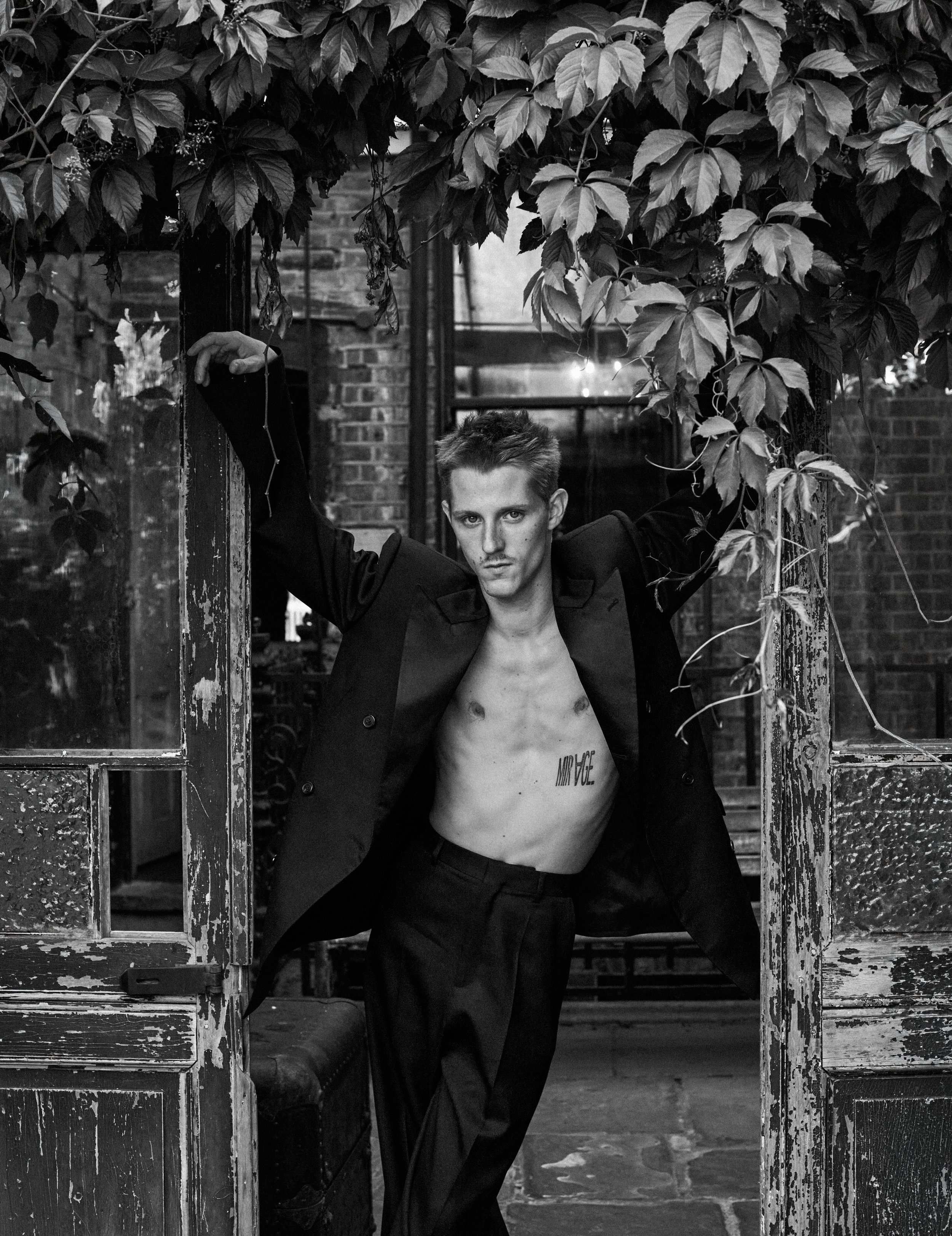
Valentin:
full look CELINE
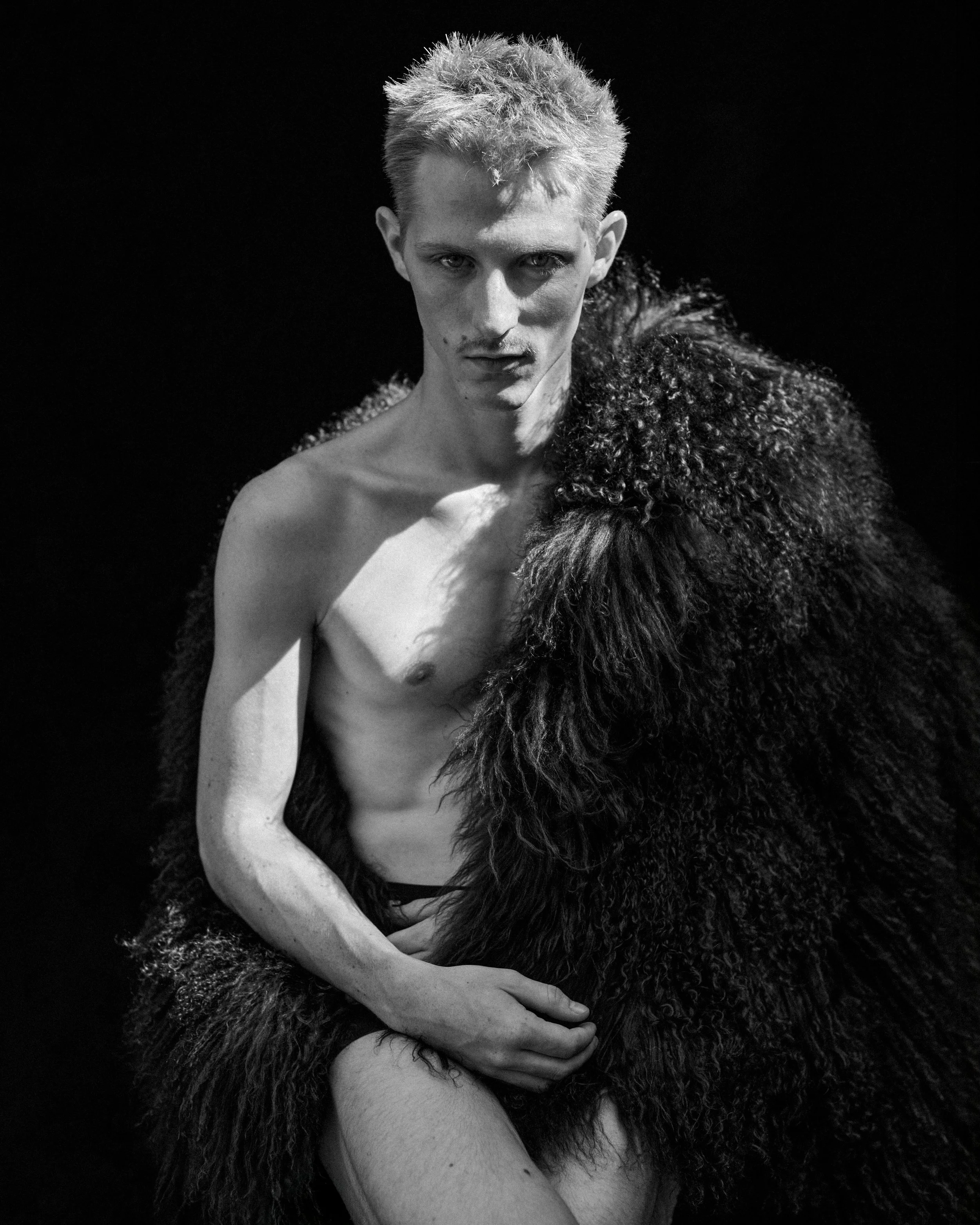
Valentin:
coat AMI PARIS
underwear CELINE
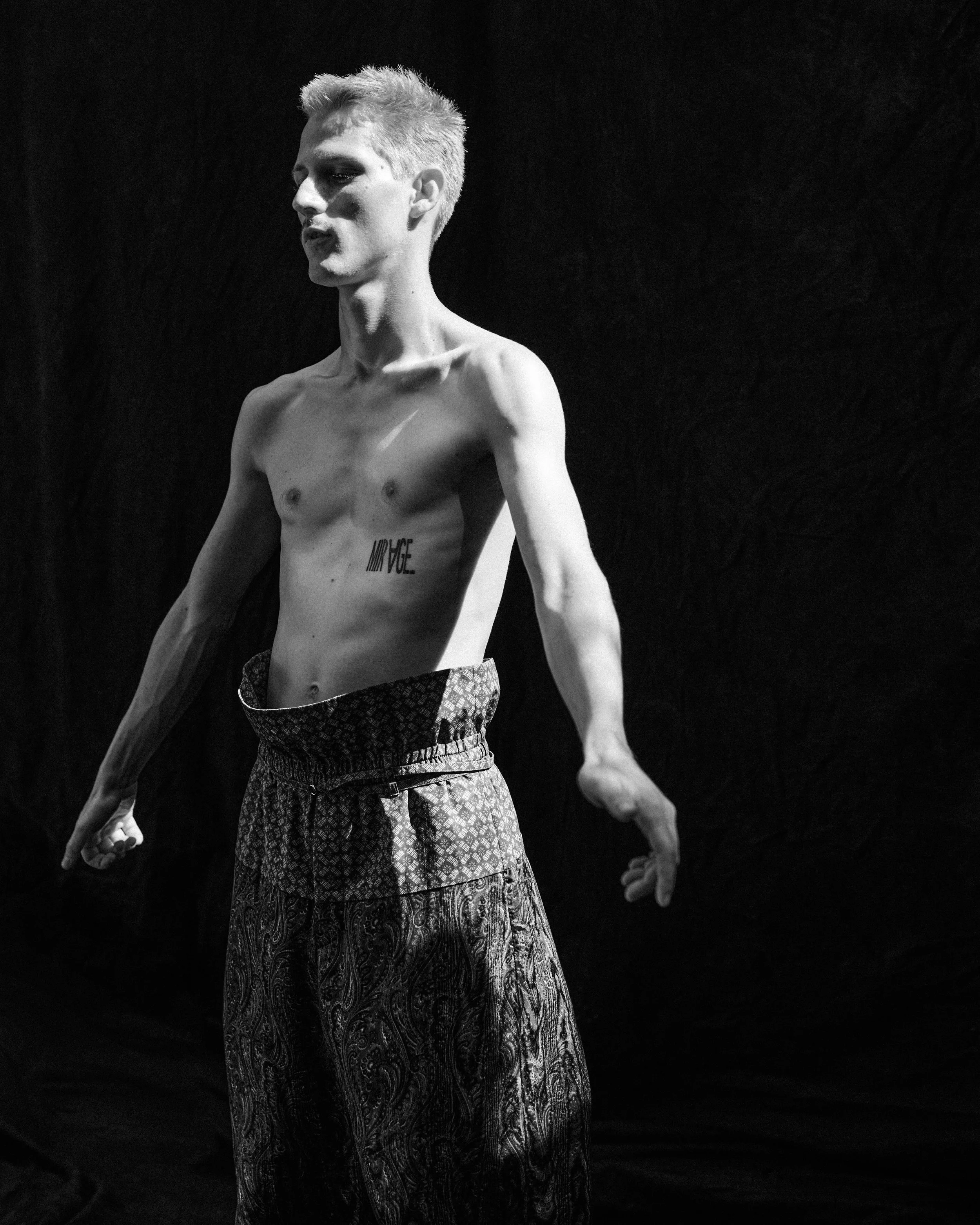
Valentin:
full look DRIES VAN NOTEN
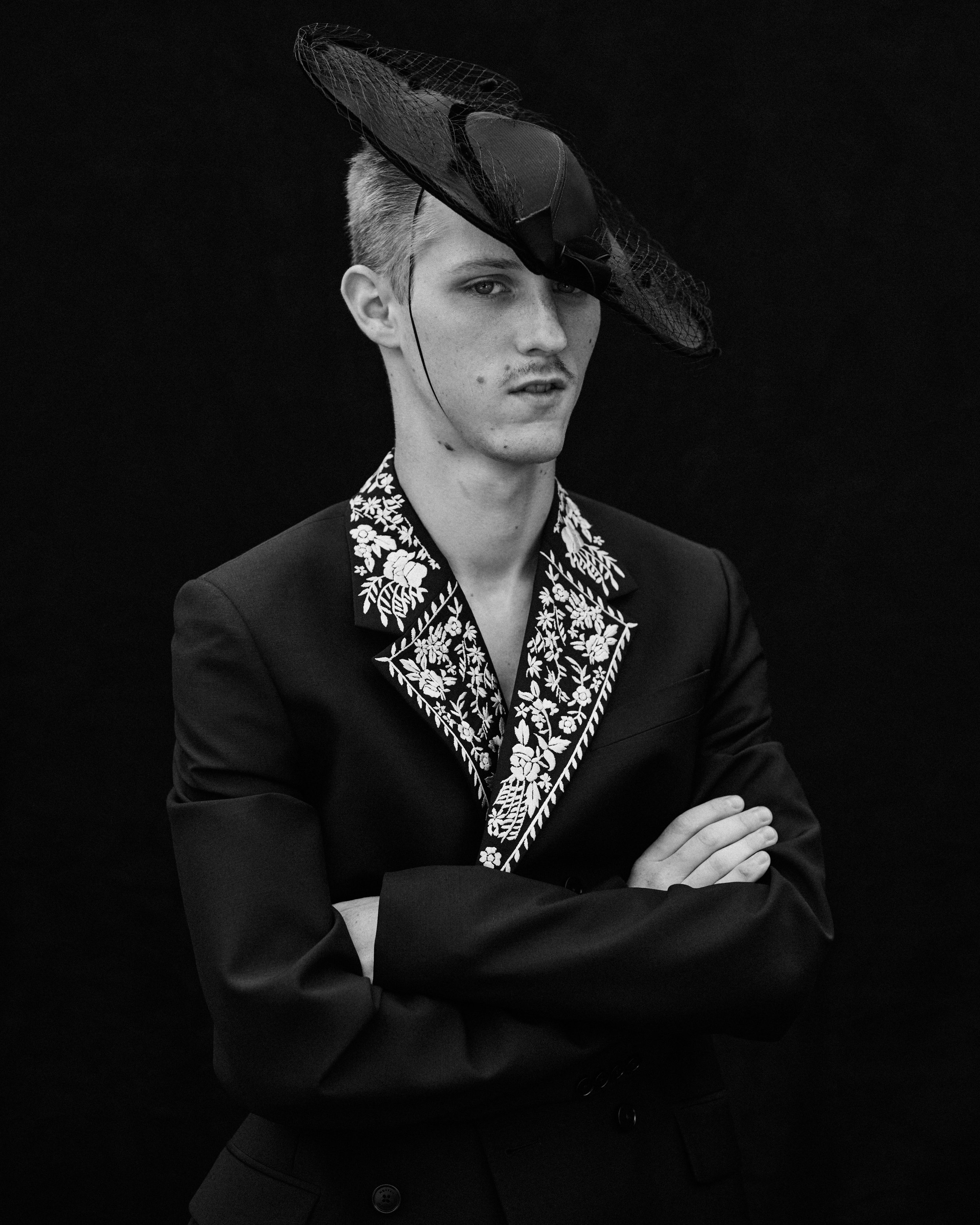
Emmanuel:
full look MCQUEEN
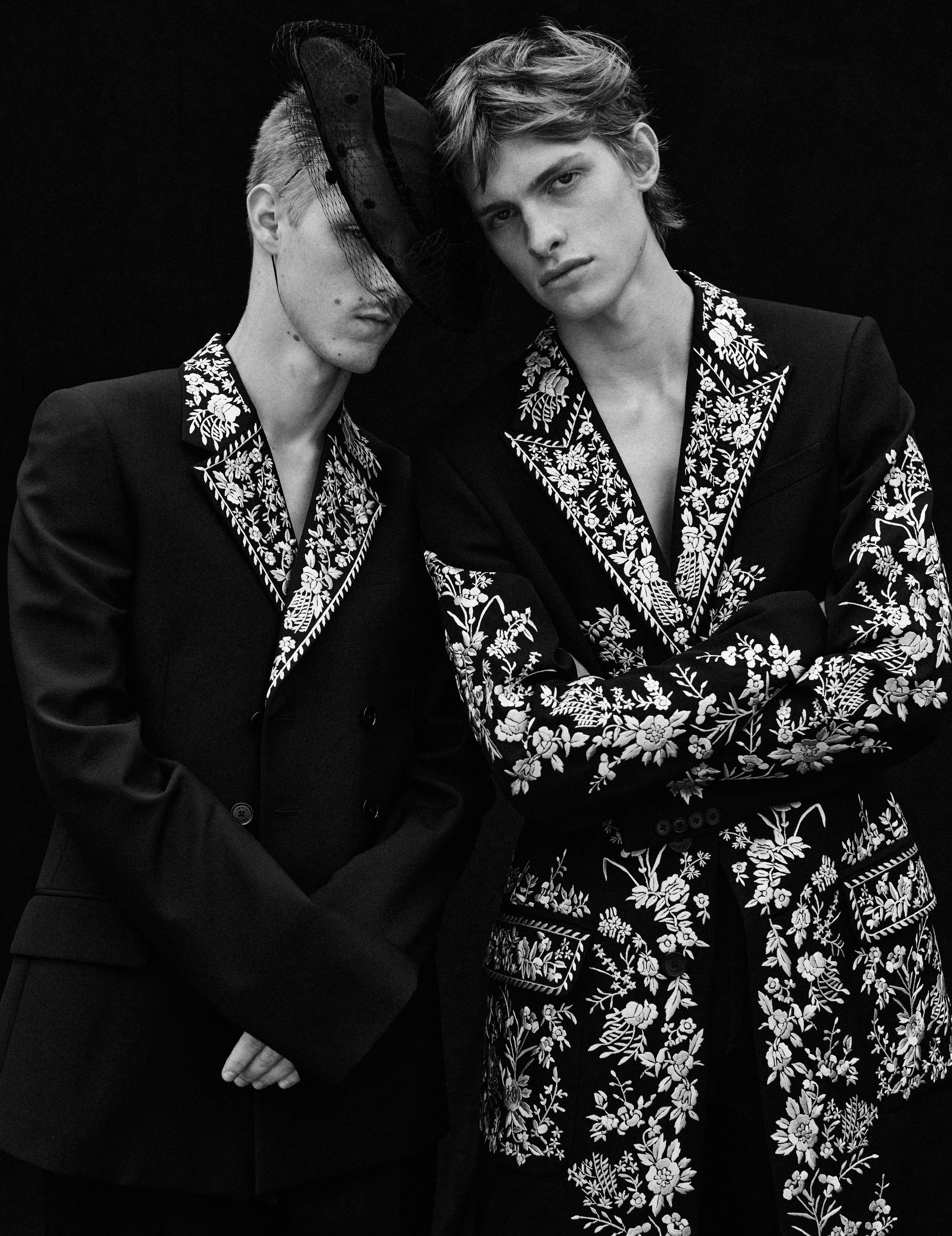
Valentin:
hat STEPHEN JONES
jacket and trousers MCQUEEN
Emmanuel:
full look MCQUEEN
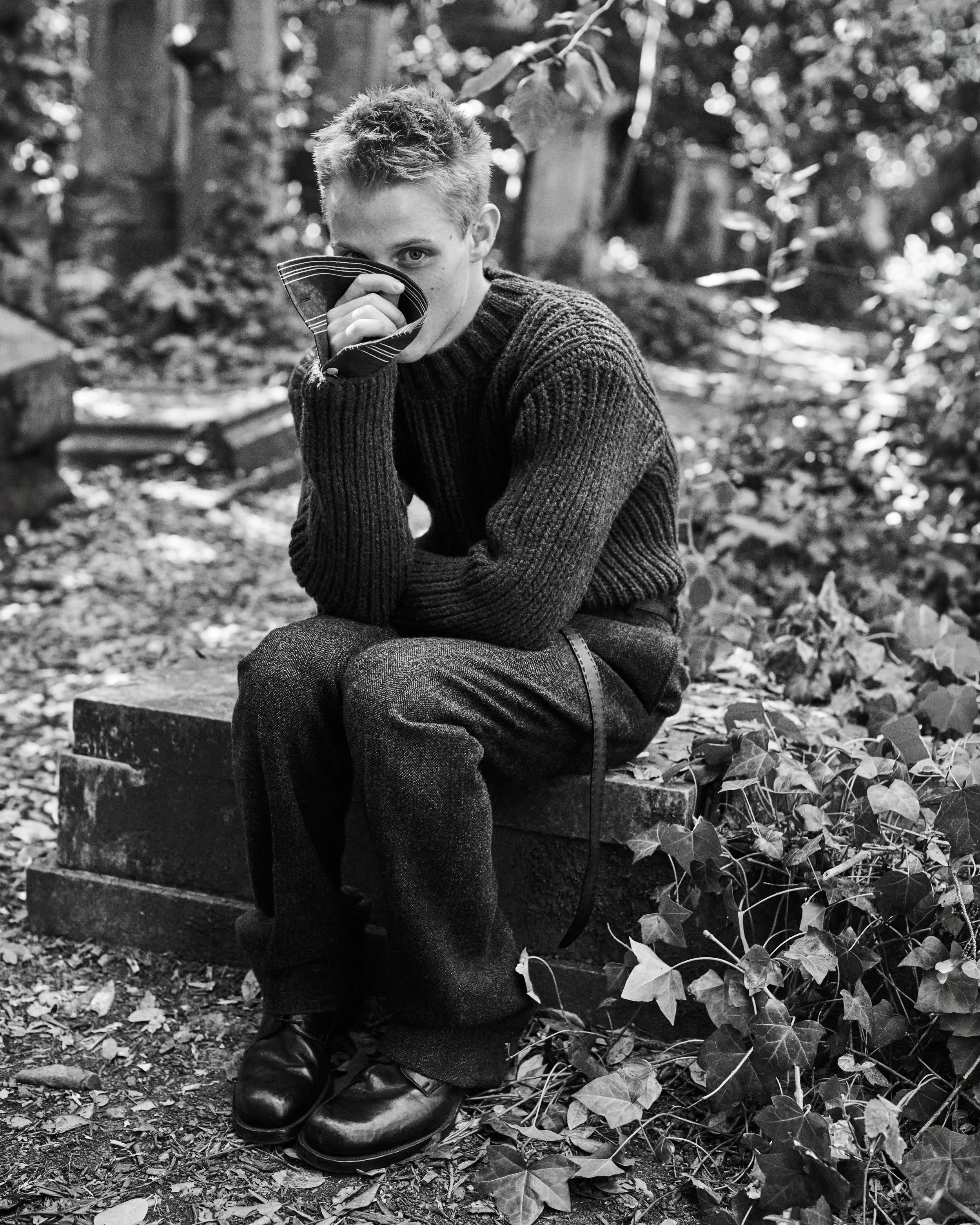
Valentin:
full look PRADA
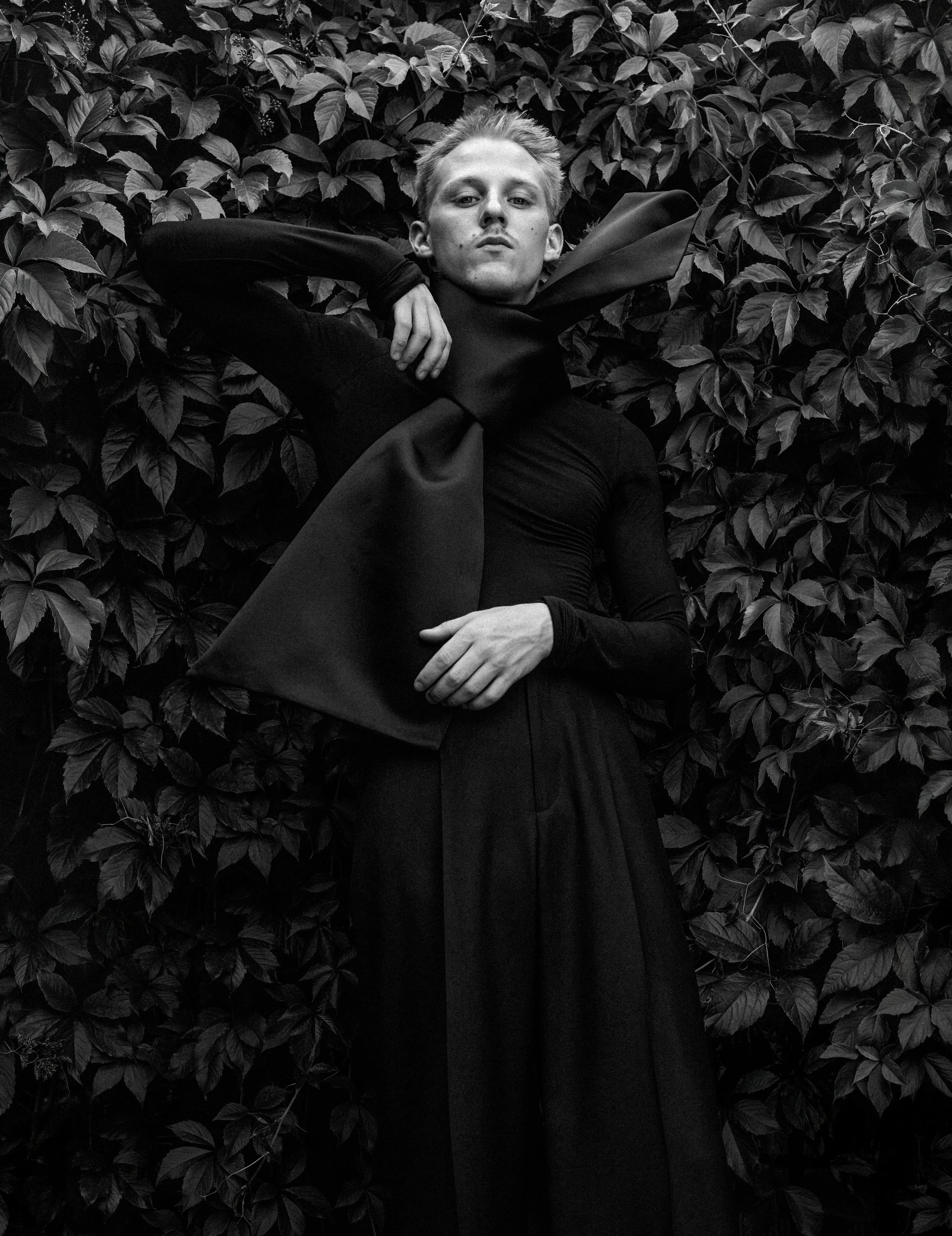
Valentin:
full look CELINE
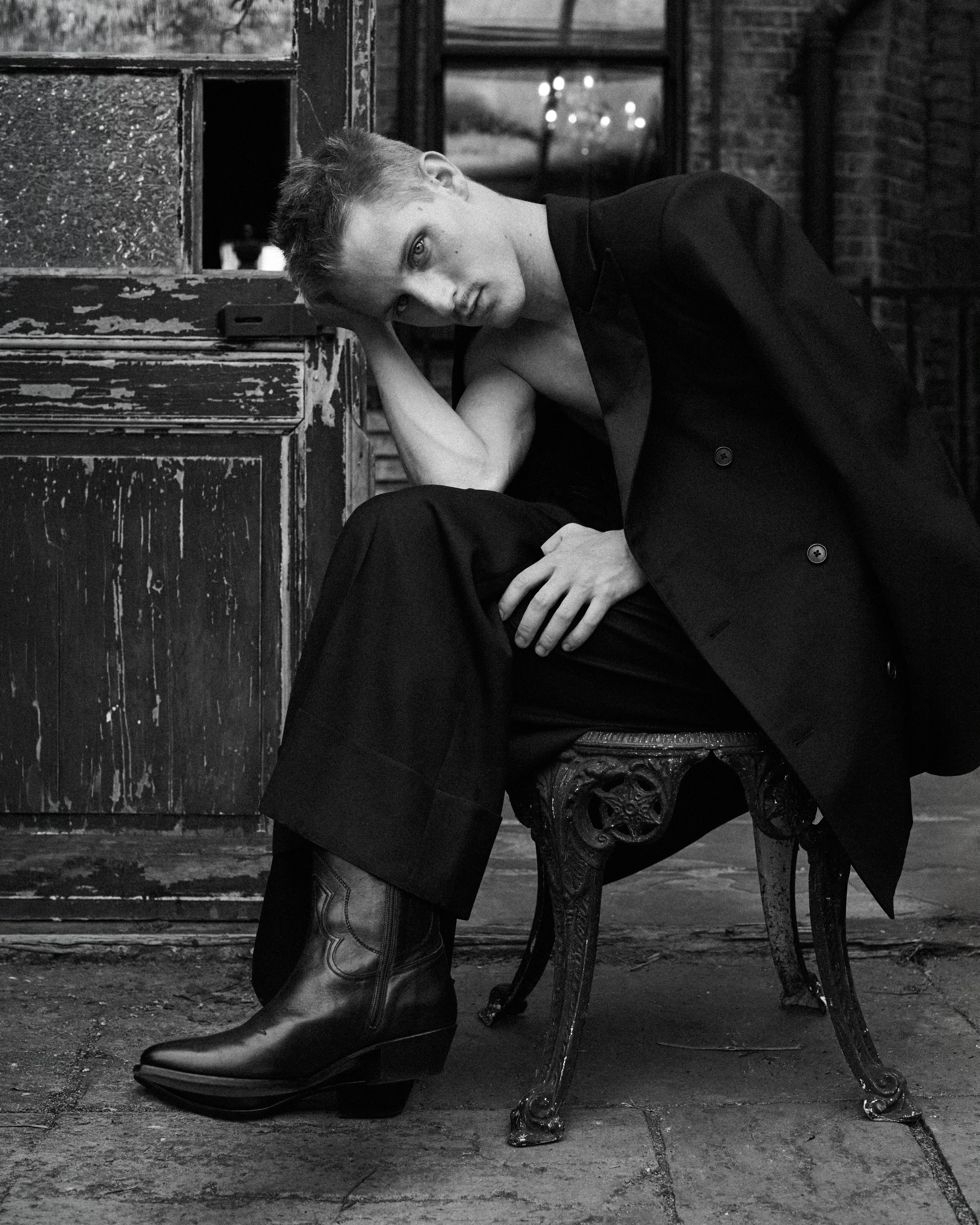
Valentin:
full look CELINE
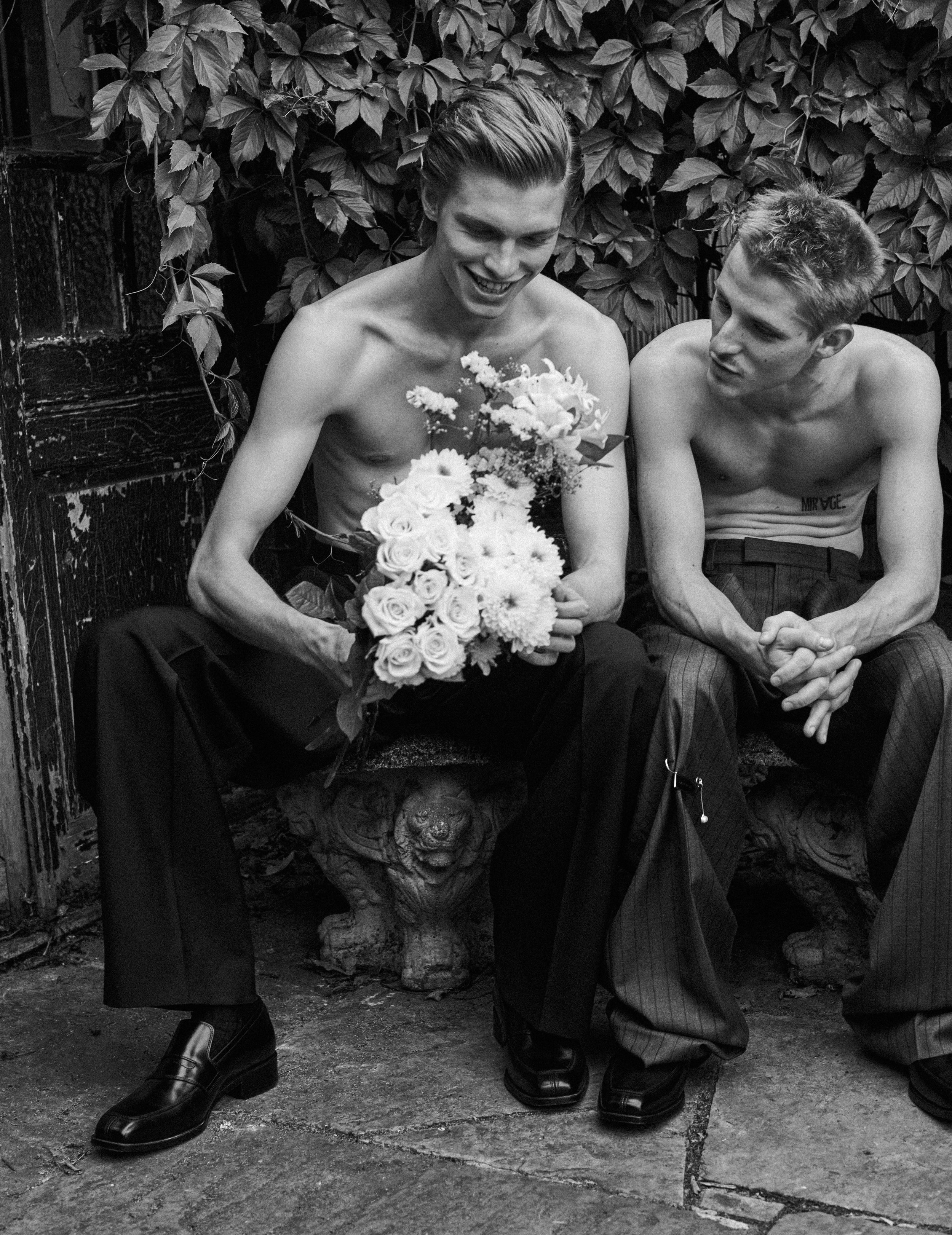
Emmanuel:
trousers GIVENCHY
shoes FENDI
Valentin:
trousers GIVENCHY
shoes FENDI
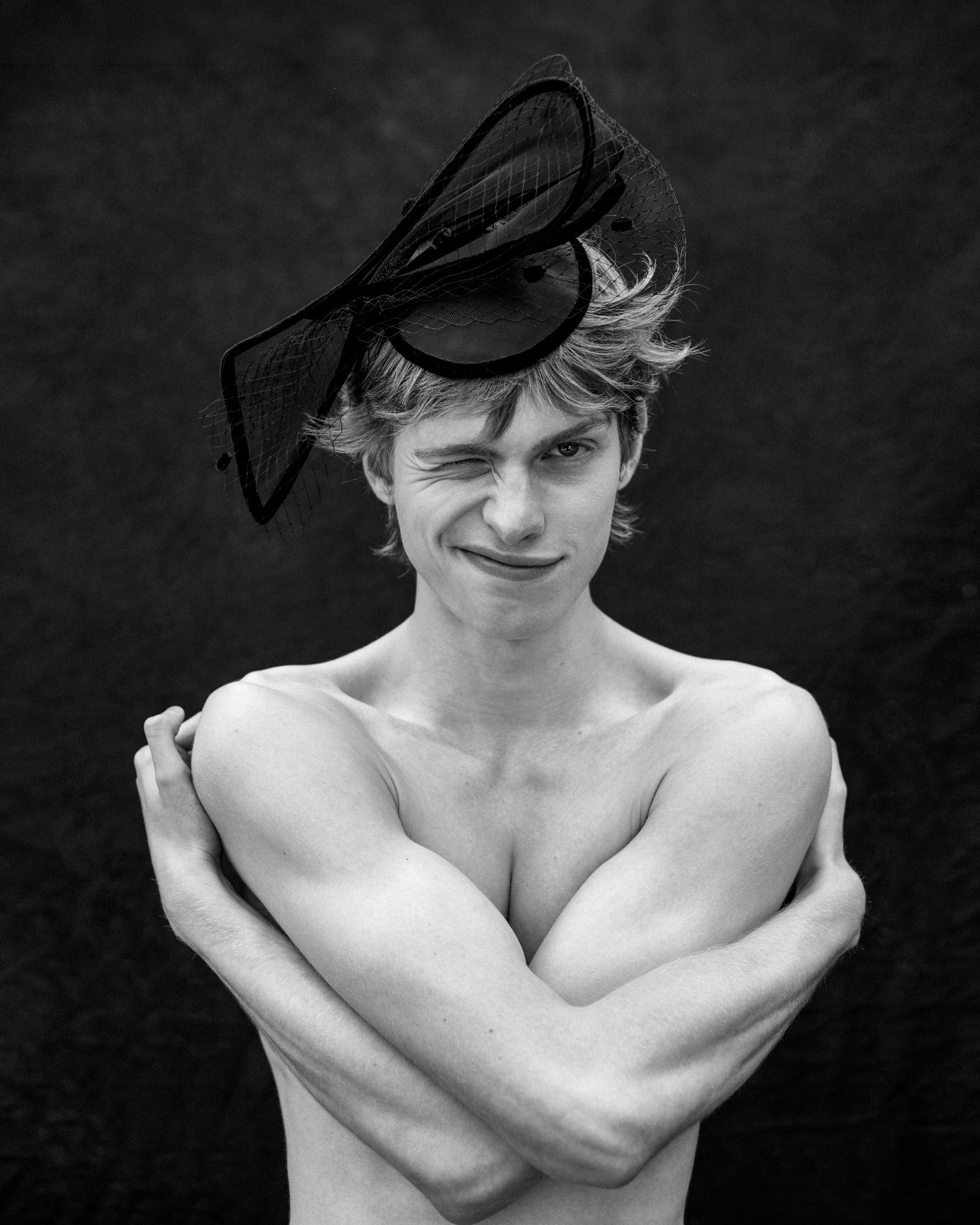
Emmanuel:
hat STEPHEN JONES
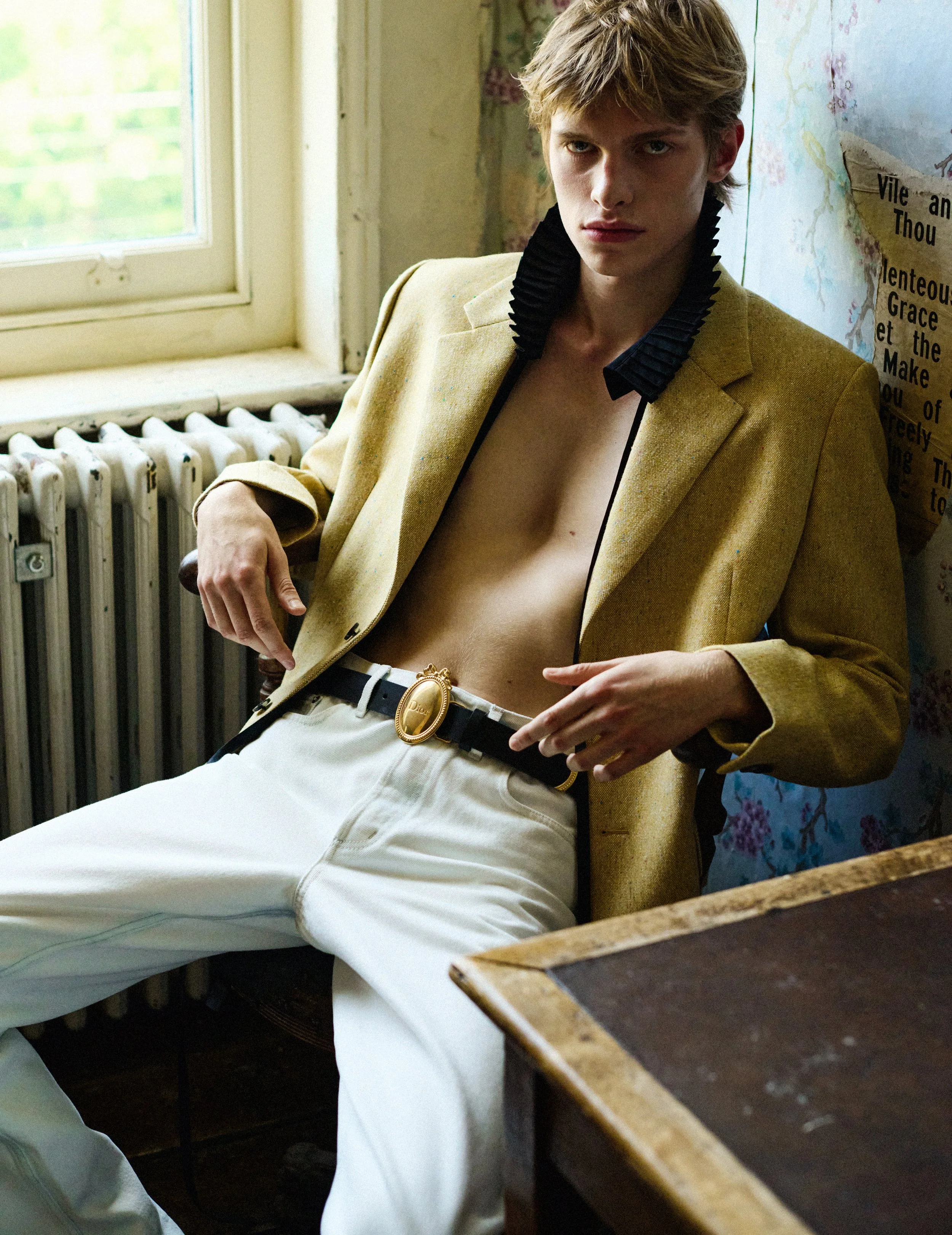
Emmanuel:
full look DIOR
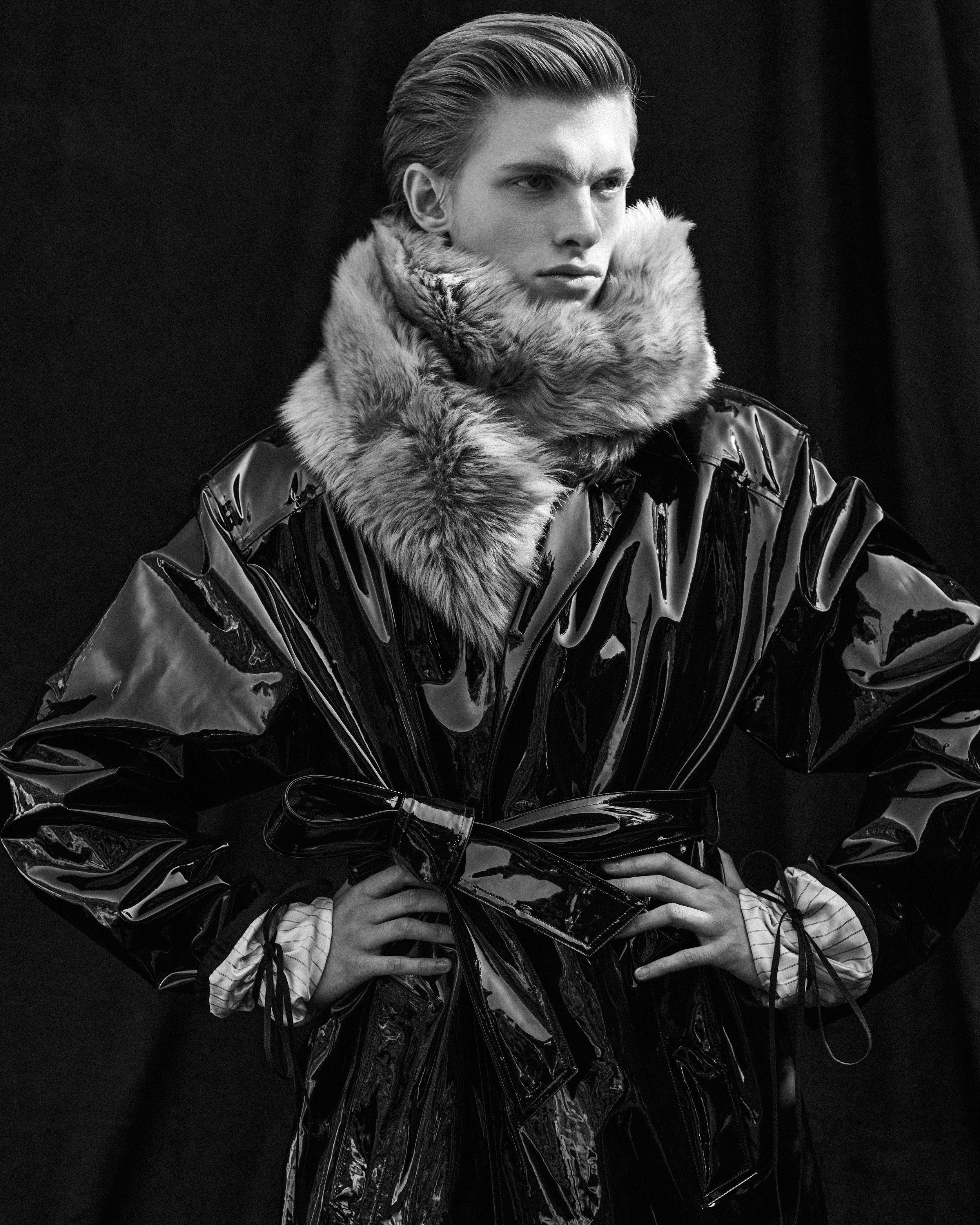
Emmanuel:
full look SAINT LAURENT
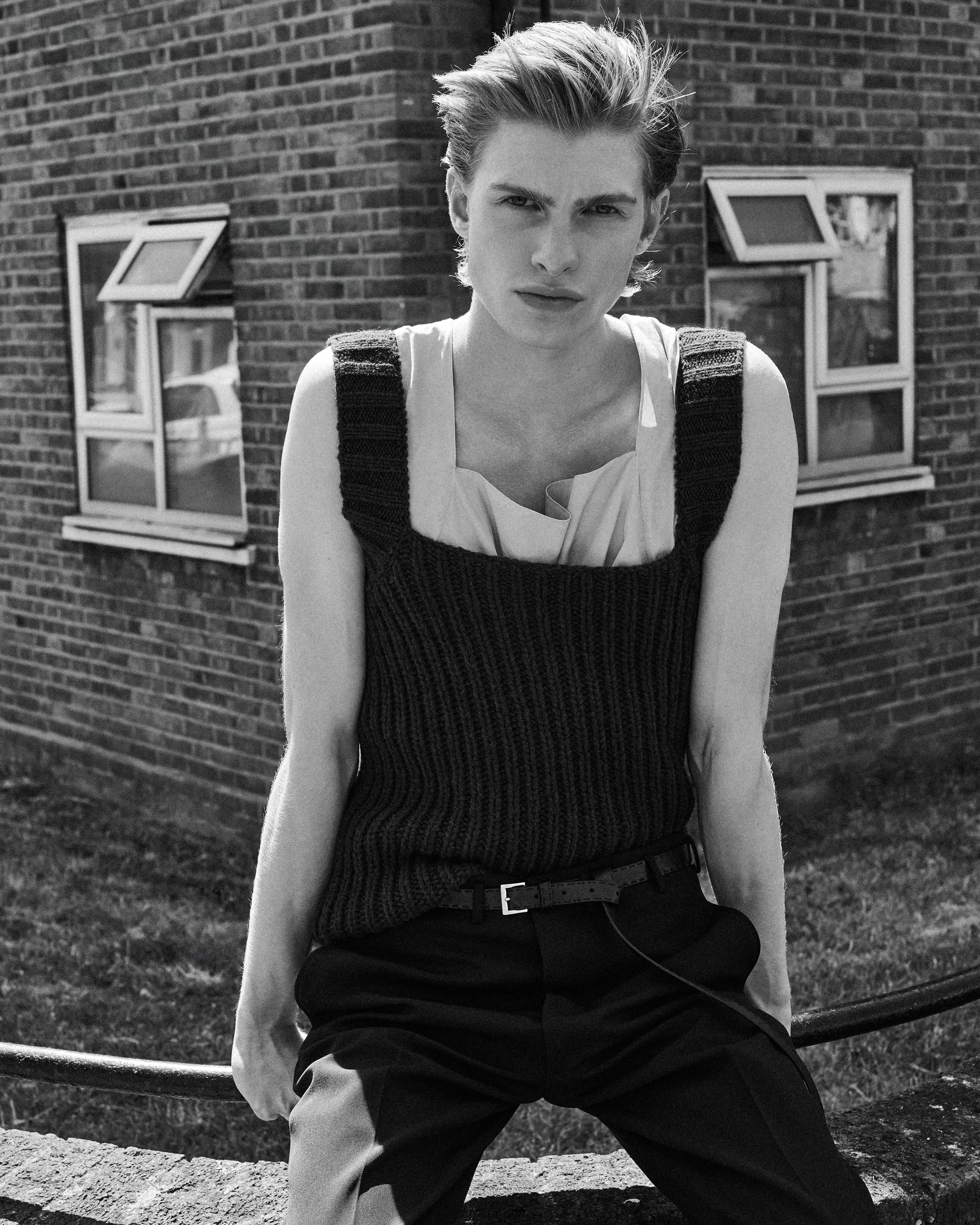
Emmanuel:
full look PRADA
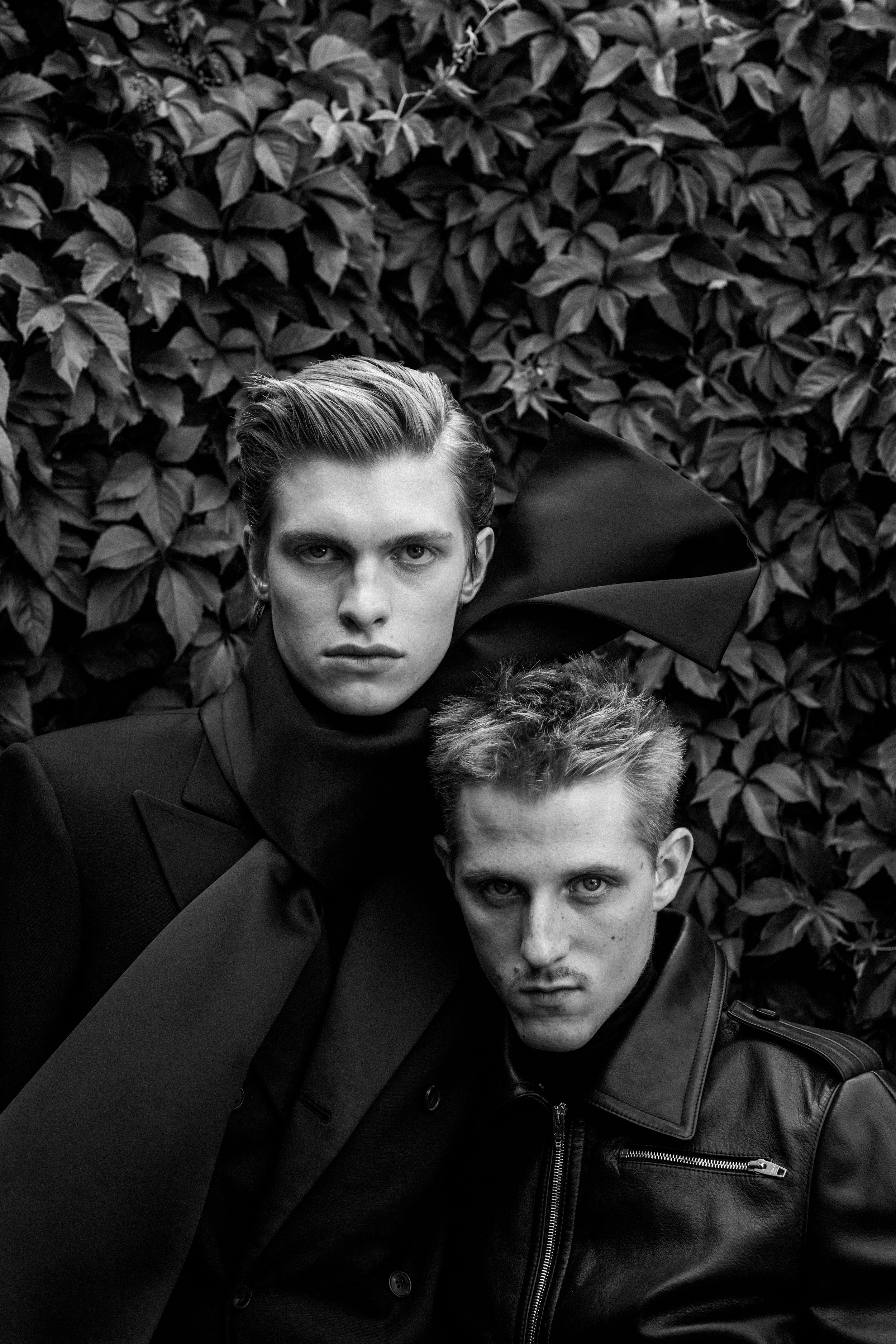
Emmanuel:
full look CELINE
Valentin:
full look CELINE
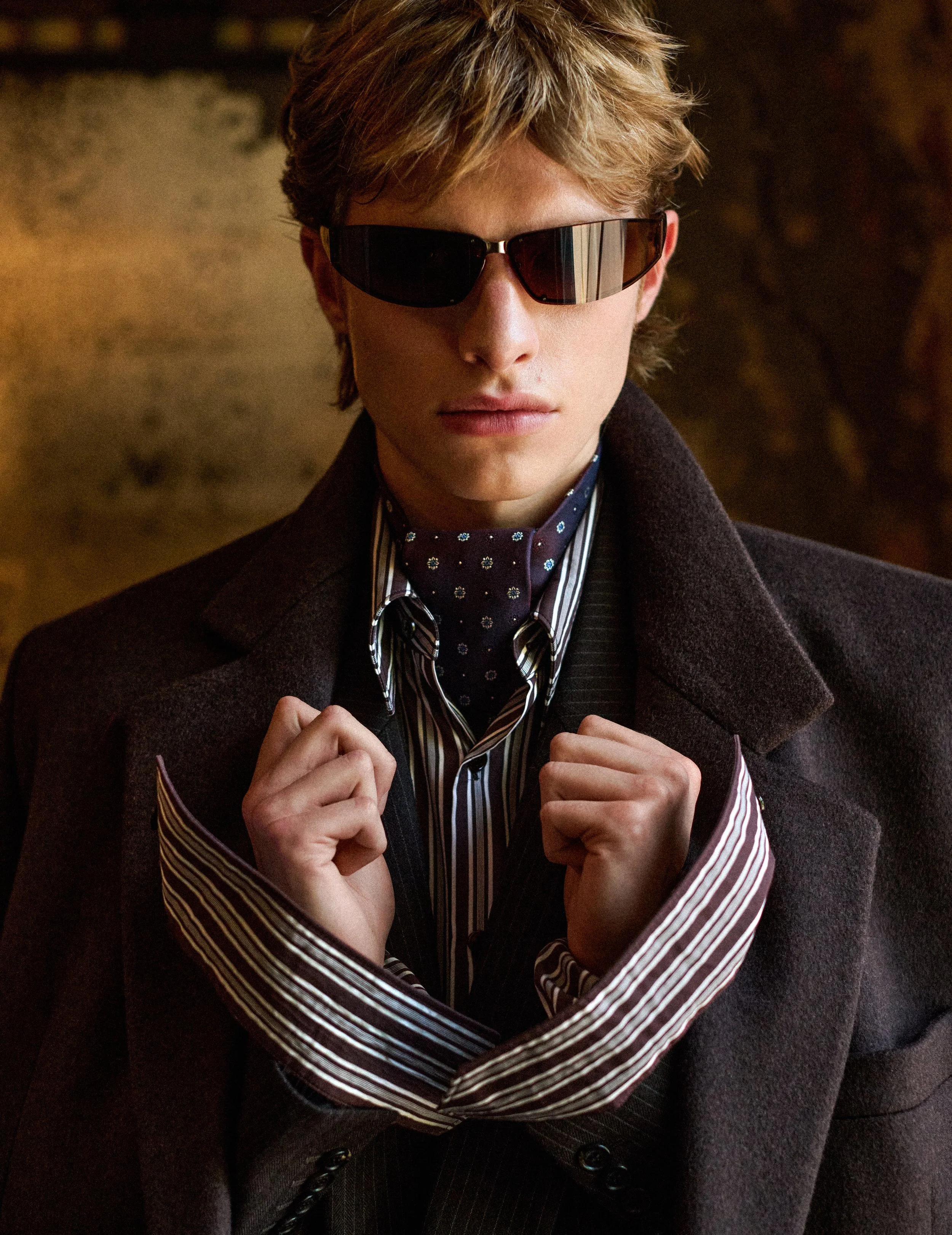
Emmanuel:
full look SAINT LAURENT
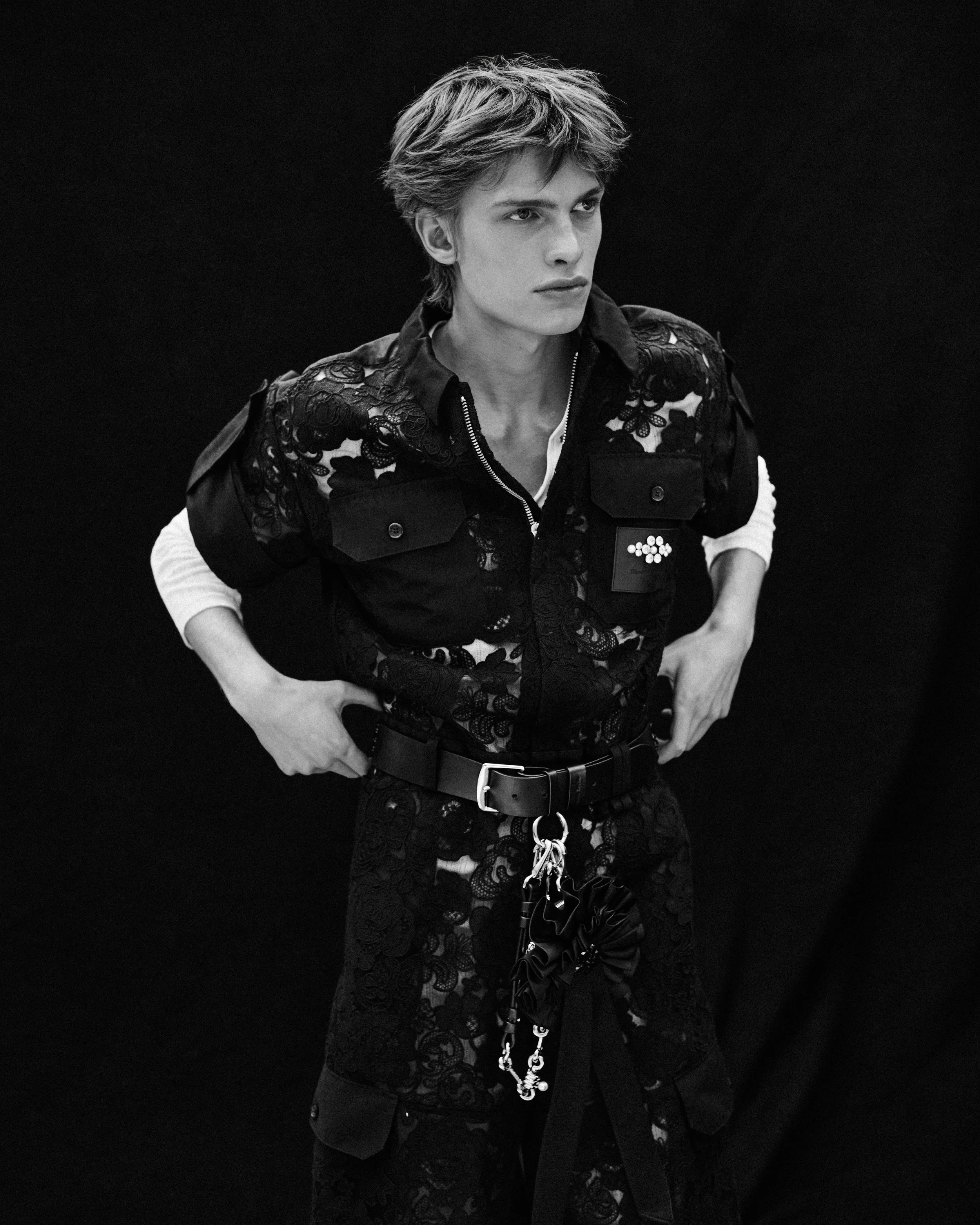
Emmanuel:
full look SIMONE ROCHA
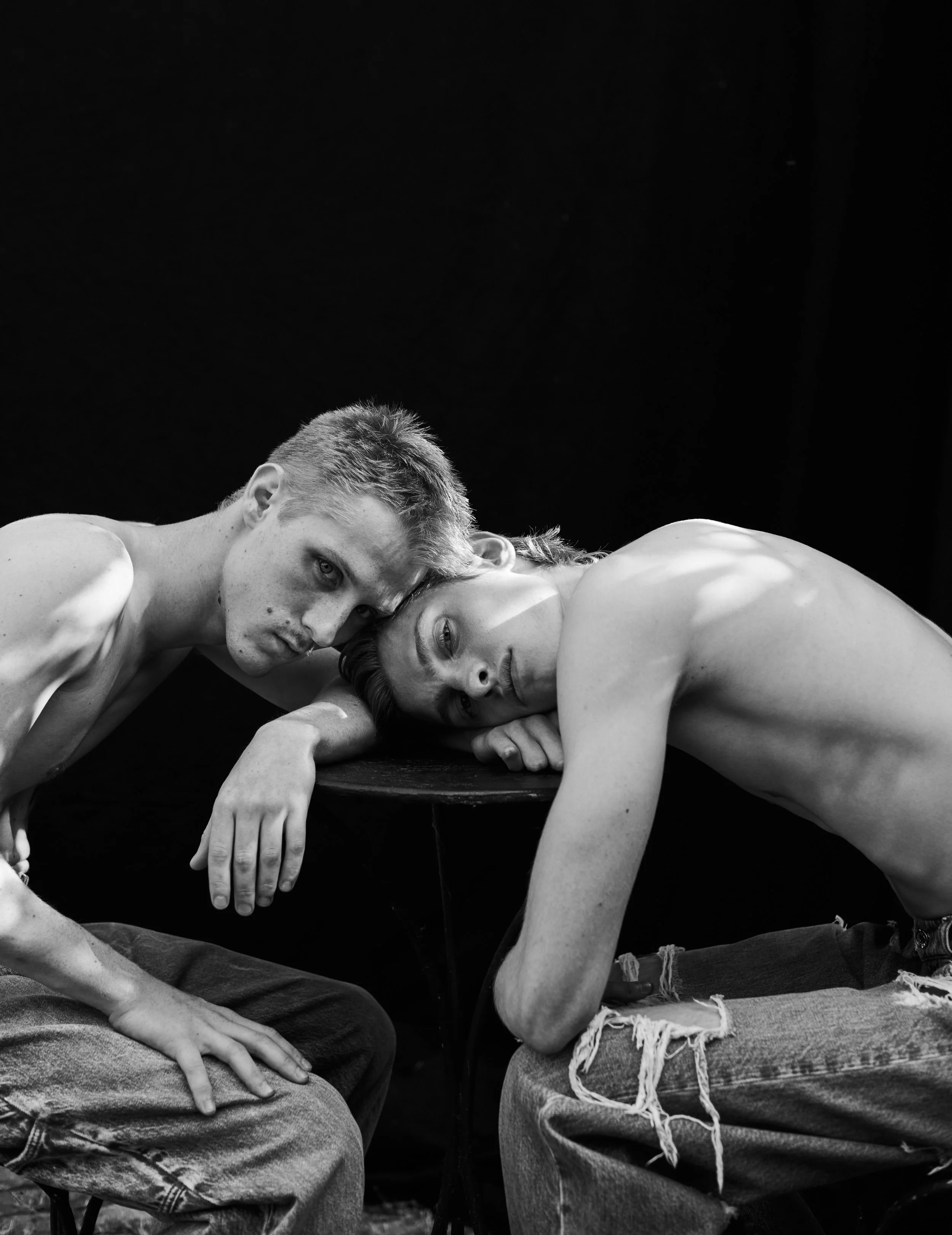
Valentin:
jeans DOLCE & GABBANA
Emmanuel:
jeans DOLCE & GABBANA
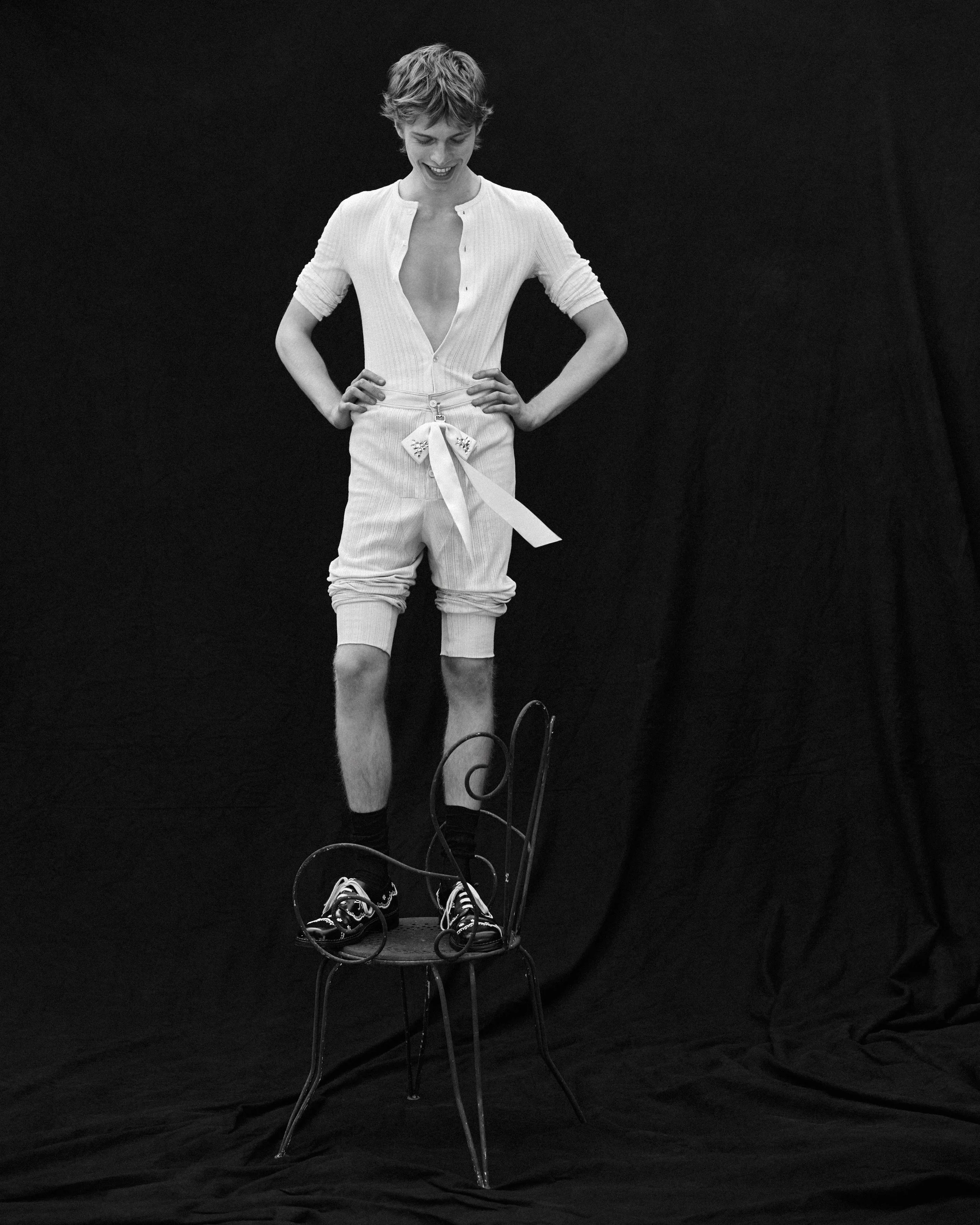
Emmanuel:
full look SIMONE ROCHA
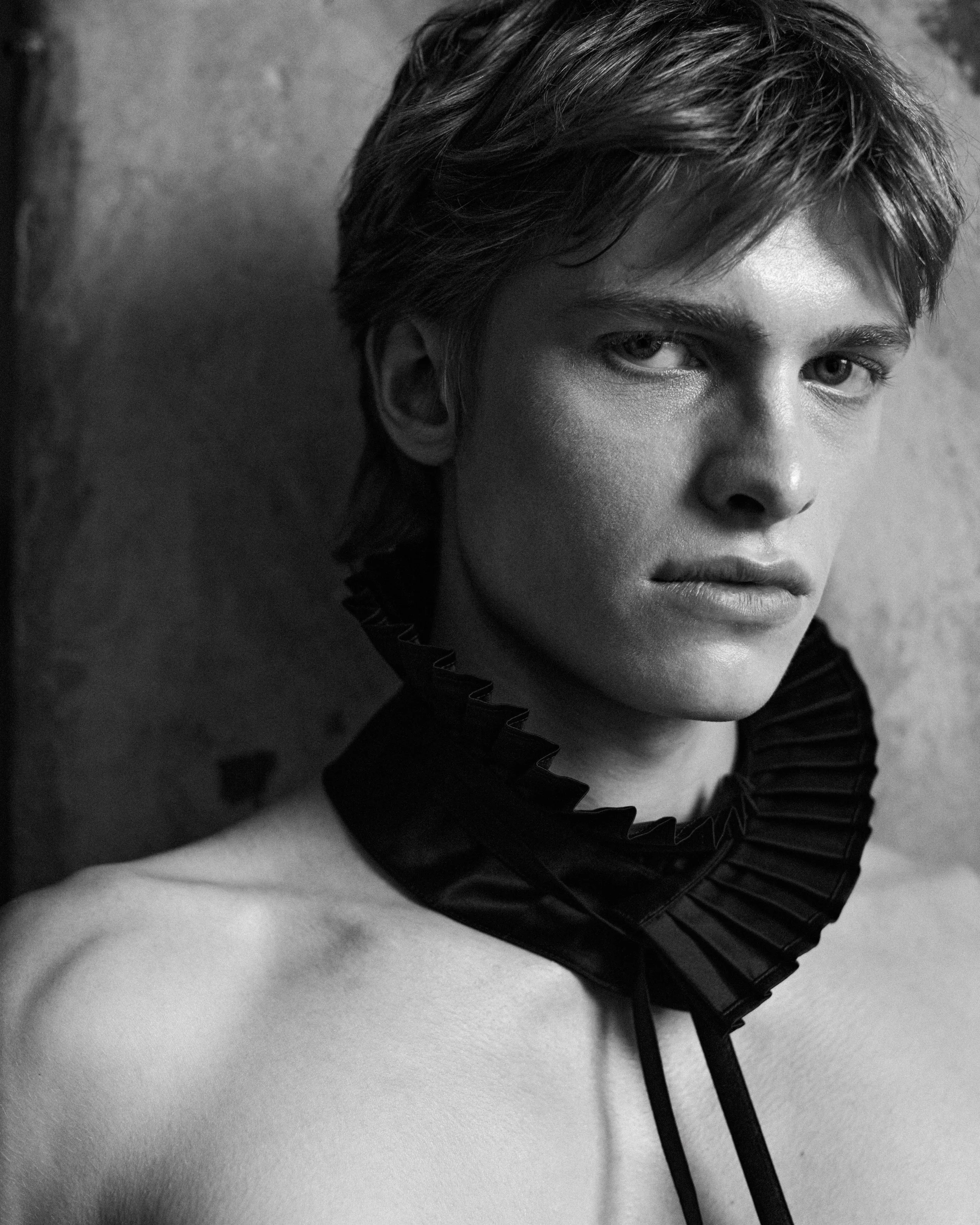
Emmanuel:
collar DIOR
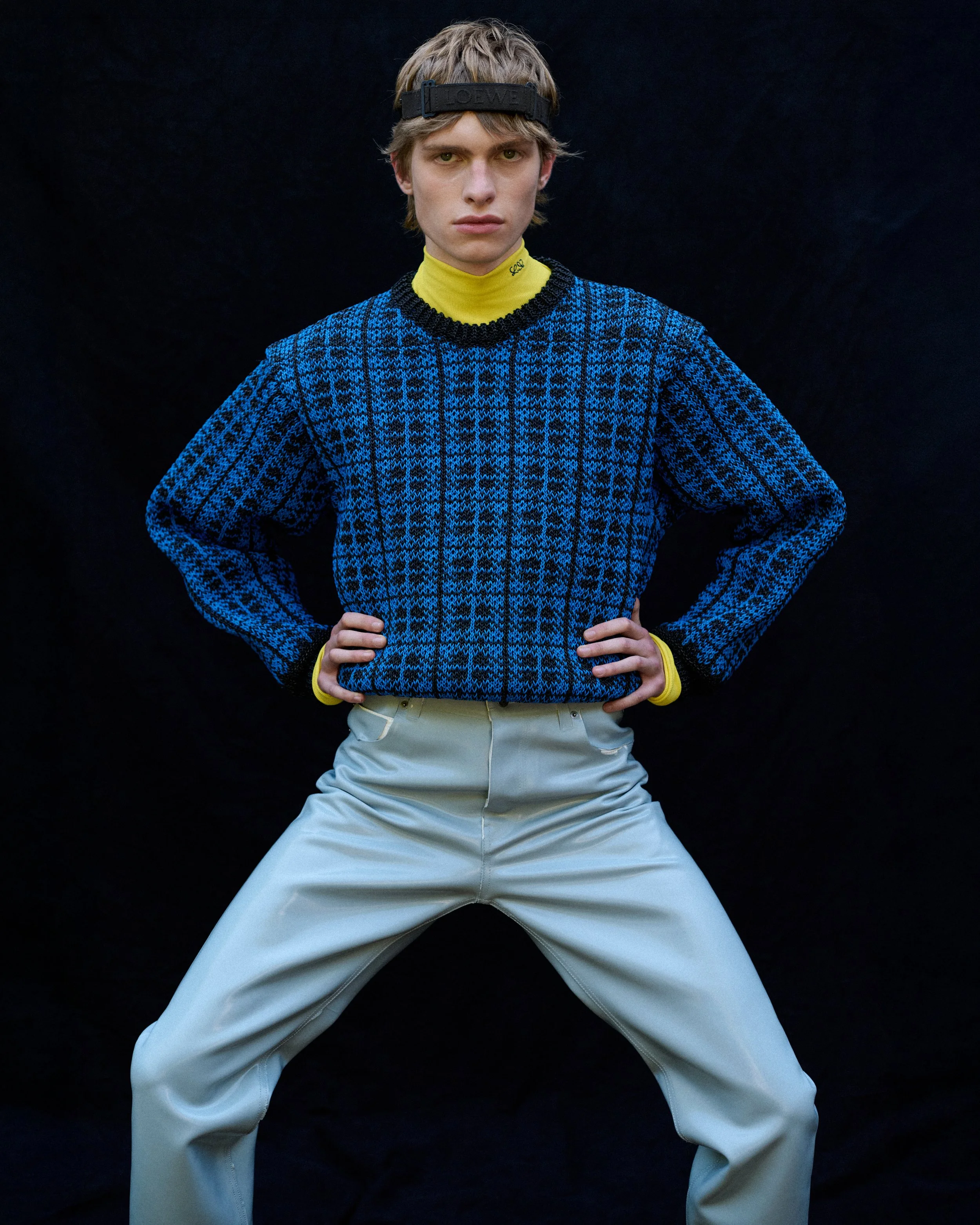
Valentin:
full look LOEWE
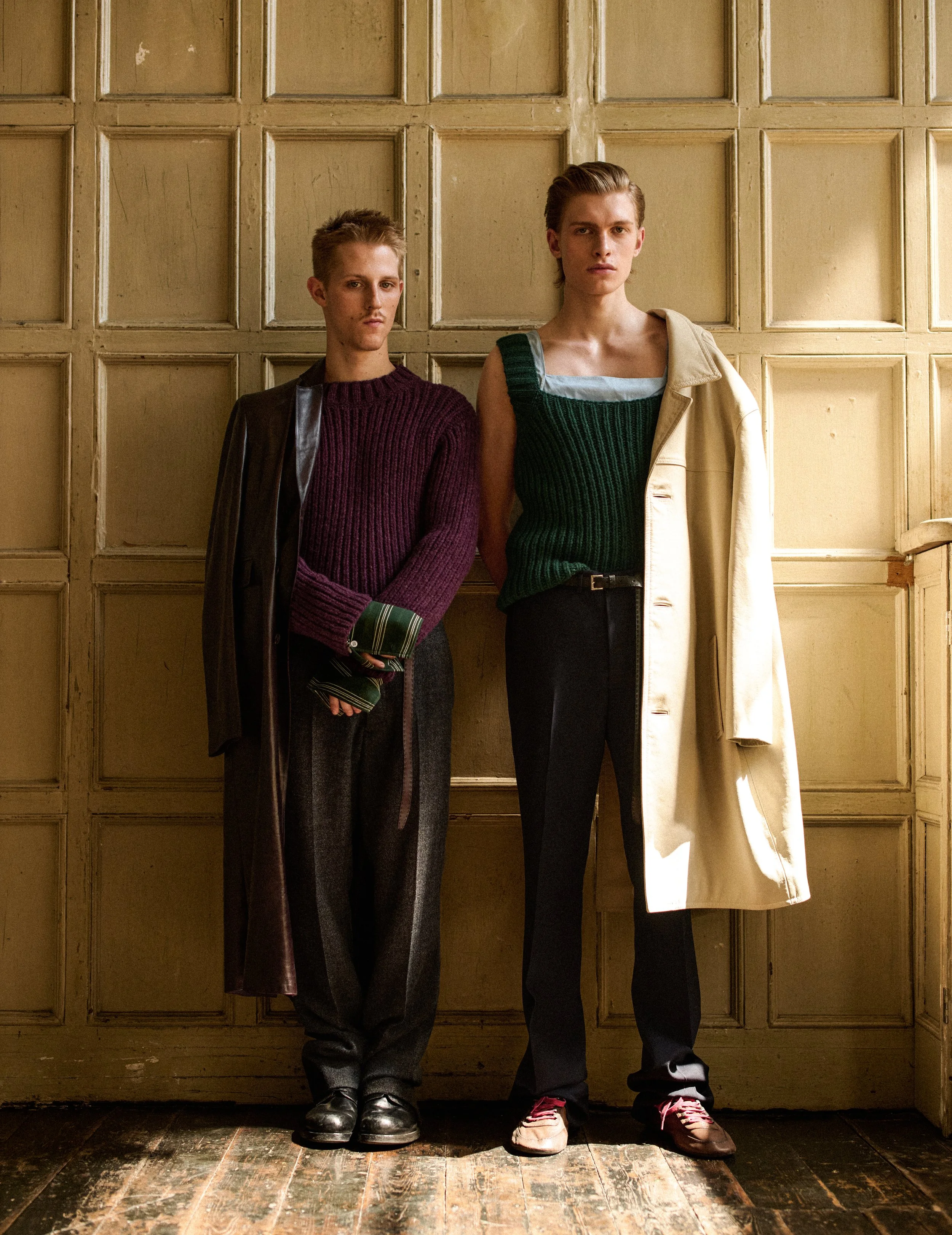
Valentin:
full look PRADA
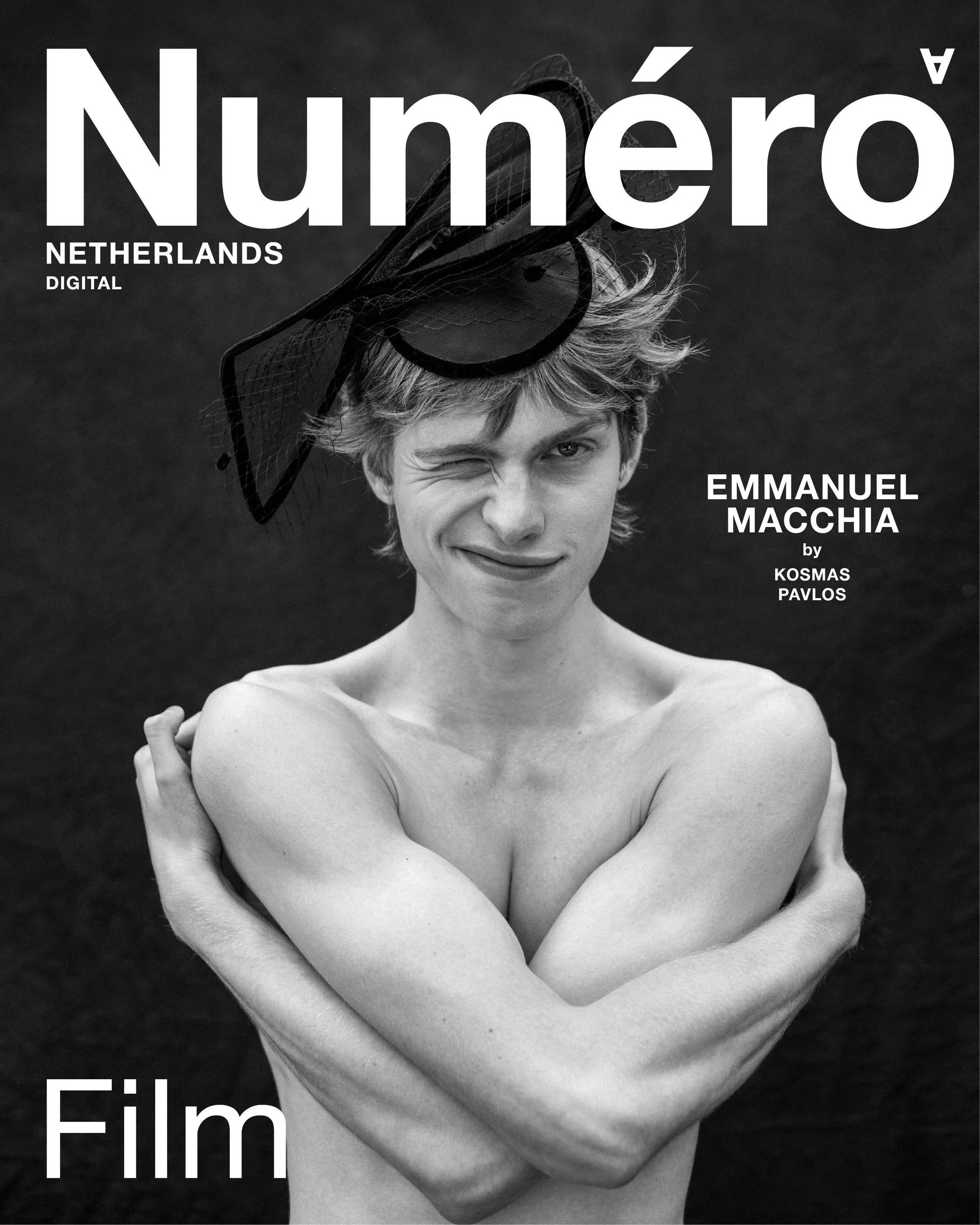
Emmanuel:
full look PRADA
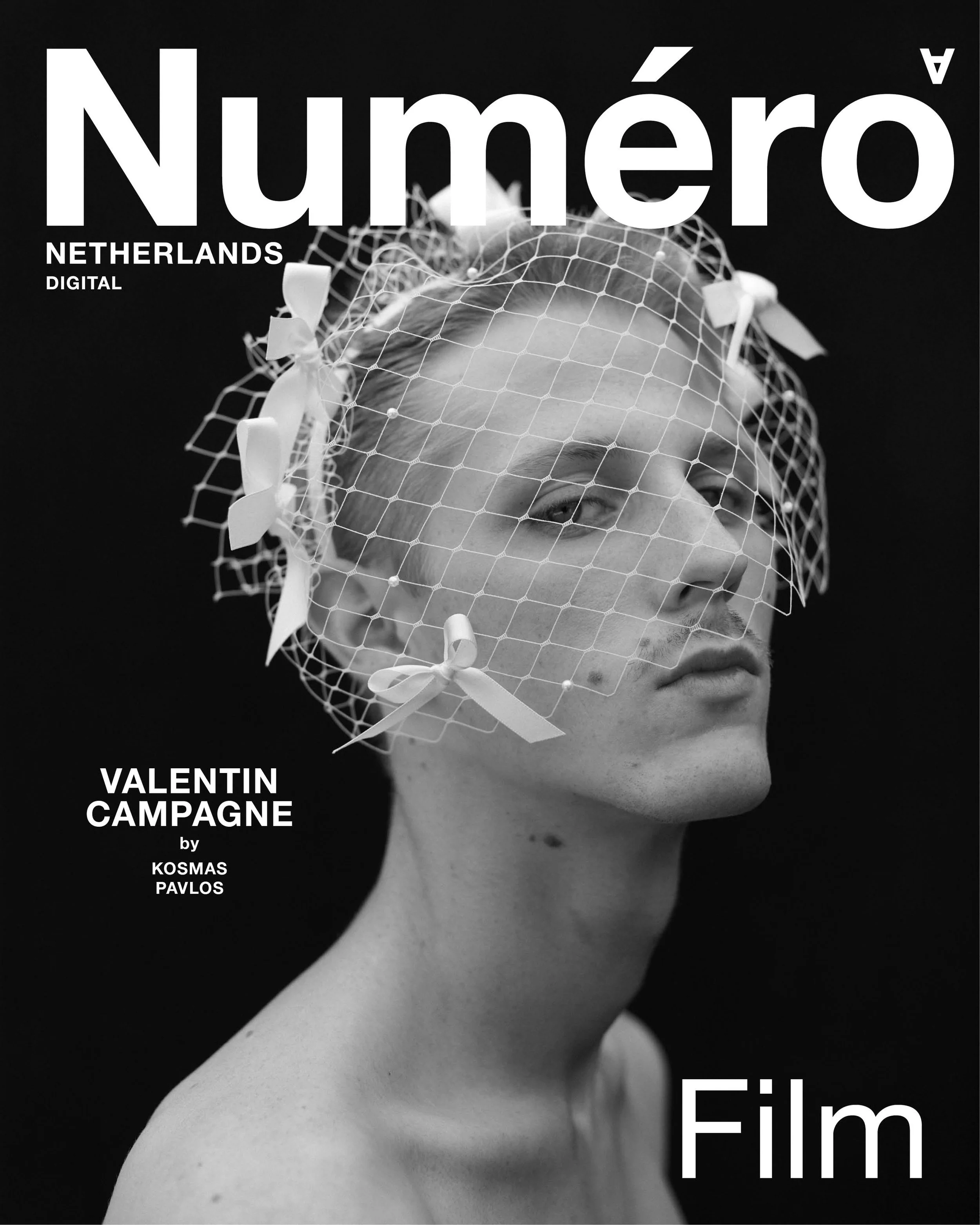
TEAM CREDITS:
talents VALENTIN CAMPAGNE and EMMANUEL MACCHIA
photography KOSMAS PAVLOS
styling DAVEY SUTTON at A-FRAME AGENCY
grooming BRADY LEA at A-FRAME AGENCY
lighting director LUKE JOHSNON
post production ALEXANDRA HEINDL
production MICHAEL BAKER
styling assistance EMILIA ZENTNER
casting and editor TIMI LETONJA
interview TIMI LETONJA and LEANDRO DA SILVA
cover design ARTHUR ROELOFFZEN
