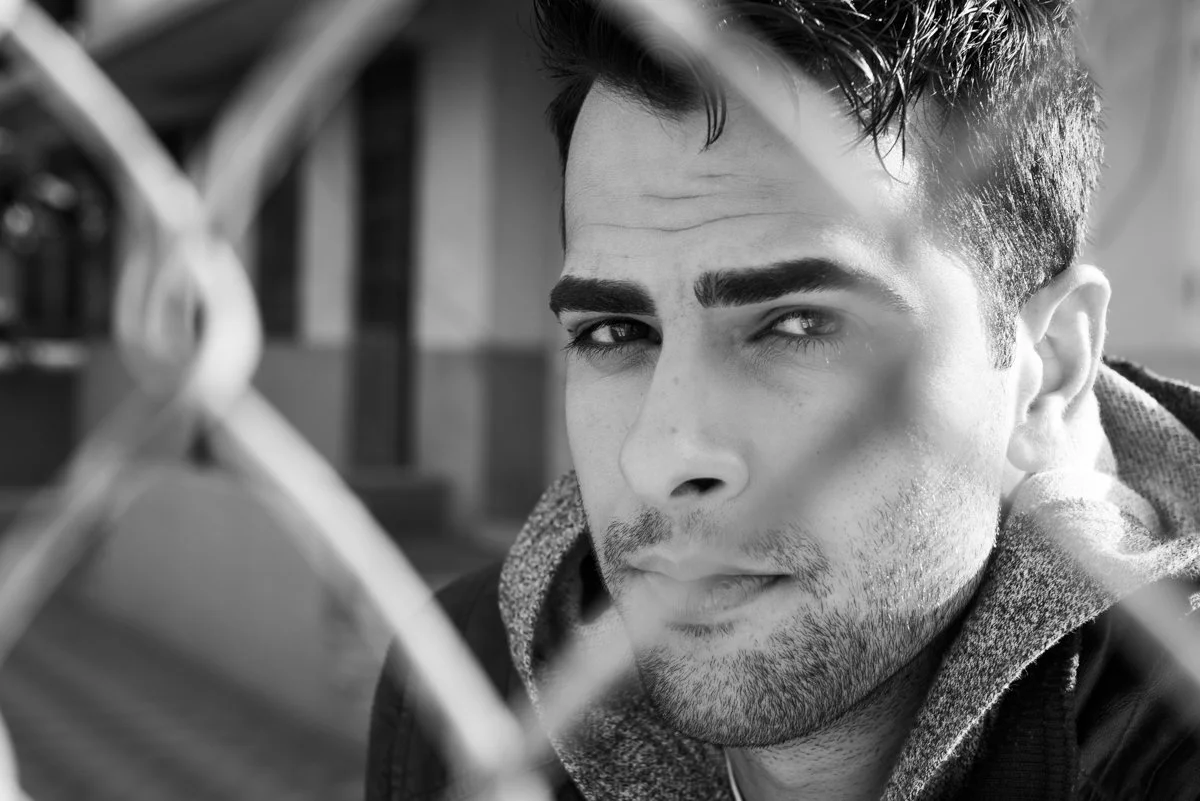
IN CONVERSATION WITH ANKUR RATHEE
interview by JANA LETONJA
Ankur Rathee has built a career that bridges two worlds with remarkable ease. Born in India and raised in the United States, the Indian American actor has become one of the few performers successfully navigating both Hollywood and Indian cinema, bringing a unique cultural perspective to every role. This fall, he takes center stage as the male lead in Netflix’s Best of the Best, an energetic coming-of-age dance film that celebrates the vibrant world of collegiate Bollywood fusion dance. Blending the competitive spirit of Bring It On, the spectacle of Step Up and the heart of Glee, the film introduces global audiences to a thriving dance culture while exploring identity, teamwork and ambition. Already known for acclaimed performances in Amazon Prime Video’s 4 More Shots Please and Made in Heaven, Netflix’s Single Papa and the blockbuster Shehzada, Ankur continues to redefine what it means to be a global actor.
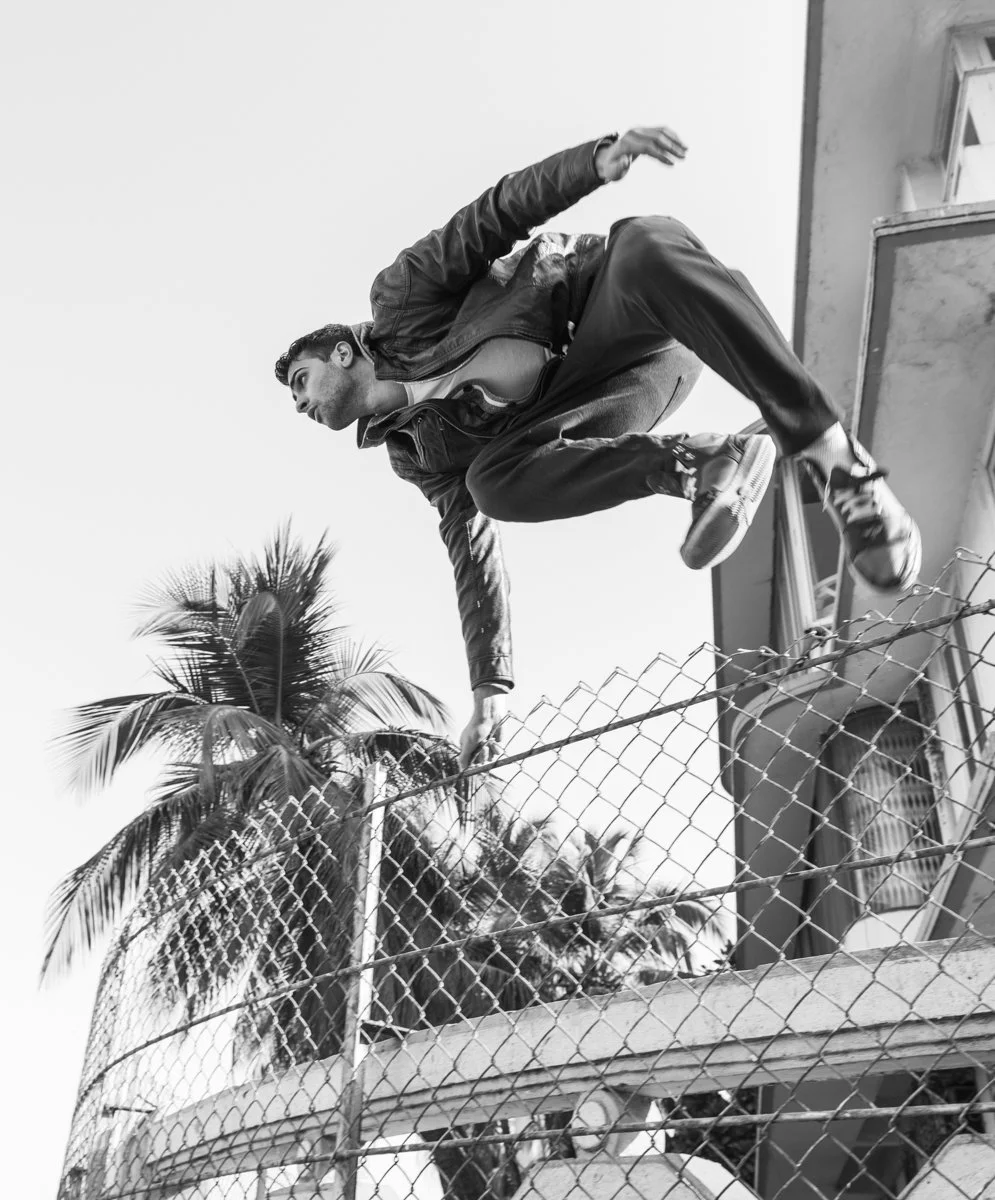
photography by KAAMNA PATEL
Best of the Best introduces audiences to the world of competitive Bollywood fusion dance. What first excited you about the project?
Hollywood still mainly depicts South Asians as worker bee nerds, desexualized dorks, and Muslim extremists. That’s the cultural narrative that’s been set. However, this film has no taxi driver, no IT guy, no terrorist. America will finally get to see “cool” South Asians on screen. Wait, there’s such a thing? Yes, we’re attractive, athletic, and creative. Our intelligence and overachieving natures don’t disqualify us from popularity and charisma.
Your character leads a college dance team. What kind of preparation, physically and mentally, did that role require?
Honestly, there was no time for prep. I wrapped Single Papa in Mumbai, flew to Bangkok for 4 More Shots Please, when I got the offer for Best of the Best, and the next week I was rehearsing in Jersey City. I was thrown into the deep end, but I thrive in such situations. Fortunately, Ronak wasn’t too far from who I was as a college student. I had similar shortcomings and also took myself too seriously.
The film blends comedy, emotion and high-energy dance sequences. Which aspect challenged you the most as an actor?
There’s an emotional volatility that often comes with being a passionate 22-year-old who thinks he’s got it all figured out. Finding that energy proved to be a challenge. Often Lena would tell me, “It’s feeling too grounded.” Eventually I realized Ronak’s confidence is built on others’ words, rather than life experience. He has a robust self-belief, but a fragile foundation. When someone like Maya tests it, it shakes him.

For audiences unfamiliar with Bollywood fusion, what do you hope this film teaches them about the culture and community behind it?
They say every 7km in India the dialect, clothing, and cuisine changes. Having spent a decade living there, I can tell you that’s not an oversimplification. Add to that the other 7 countries comprising South Asia and you have the most diverse cultural region on the planet. For example, most see these collegiate dance teams as “Bollywood fusion,” but that only refers to Hindi cinema. There are at least 6 other major film industries, Tamil, Telegu, Malayalam, Kannada, Marathi, Punjabi, from which these teams pull music and dance styles from. We’ve done our best to represent many of them in this film, but my hope is that audiences feel the richness here and want to explore more for themselves.
You’ve described yourself as someone who has always lived between cultures. How has your Indian American identity shaped your career?
Depending on when they emigrated, most Indian-Americans identify heavily with one culture over the other. Language is one measure of this. You may be bilingual, but what language do you use when you dream, curse, or talk to yourself? For most, that’s the same language, but for me it’s changed a few times in my life. To work in both continents, I’ve had to evolve into somewhat of a cultural chameleon. It’s no longer as binary as code-switching.
Dance plays such a central role in Indian cinema. Did you grow up with that tradition, or was this a completely new experience for you?
I grew up enamored by Bollywood dance numbers. I’d learn and perform them for family. Then on stages at cultural festivals. Then dance classes, musical theater, college dance teams. Teachers I’ll forever be indebted to. Bollywood to hip hop to contemporary. Back to Bollywood, but this time in the actual movies. Somewhere in between, I was a finalist on Dance India Dance and started a YouTube dance channel. It’s just been a constant in my life, and I can’t imagine who I’d be without dance.

Best of the Best is ultimately about ambition, teamwork and belonging. Which of those themes resonated most with you personally?
Teamwork. You can’t do it alone. I struggled to understand that most of my career. We need each other.
You’ve spoken several languages throughout your life. How has language influenced the way you approach acting and character?
Our dialect, speech cadence, vocal register, sentence structure, vocabulary all tell a story about where we come from. Humans are experts at subconsciously assigning meaning to these things the second someone opens their mouth. It’s an important part of building a character, and frankly I think I should be focusing more time on it. The first part of my career I was simply satisfied with getting the dialect right. That’s not enough.
Representation has evolved significantly in recent years. What does authentic South Asian representation mean to you today?
Take your scripts and ask yourself what would happen if I changed this character’s name from Andy to Arjun. Does your film still work? Does it create fun opportunities? If not, why? Why is Andy being white crucial to your story? Of course, it’d be great if more South Asian stories were financed in Western societies, but I want to play Andy’s role. Give it to me. Make me the romantic lead, the action hero. Cast a South Asian as James Bond. I’m sure a lot of us work at MI6.
Outside of acting, what inspires your creativity—whether it’s travel, music, literature or something else entirely?
Entrepreneurship. Entrepreneurs are unhinged magicians. They conceive wild ideas, inspire others to believe and even sacrifice for the ideas then painstakingly build it brick by brick. Their obsession with their idea drawing more people to it like a magnet until finally it comes to life.
If you could tell one story that hasn’t yet been explored on screen, what would it be?
My father-in-law’s story. Alankar Joshi.