IN CONVERSATION WITH LARISSA LAMBERT
interview by JANA LETONJA
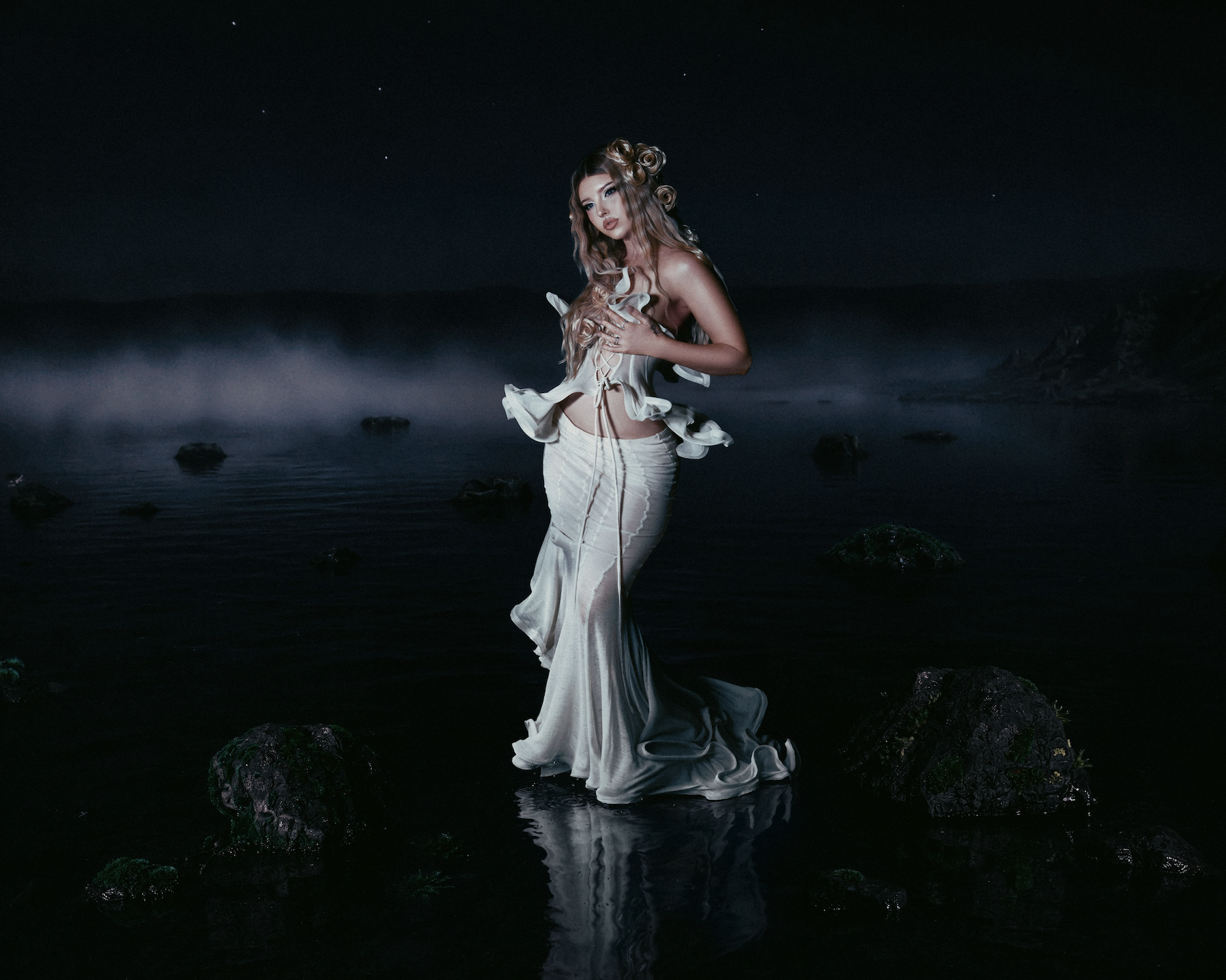
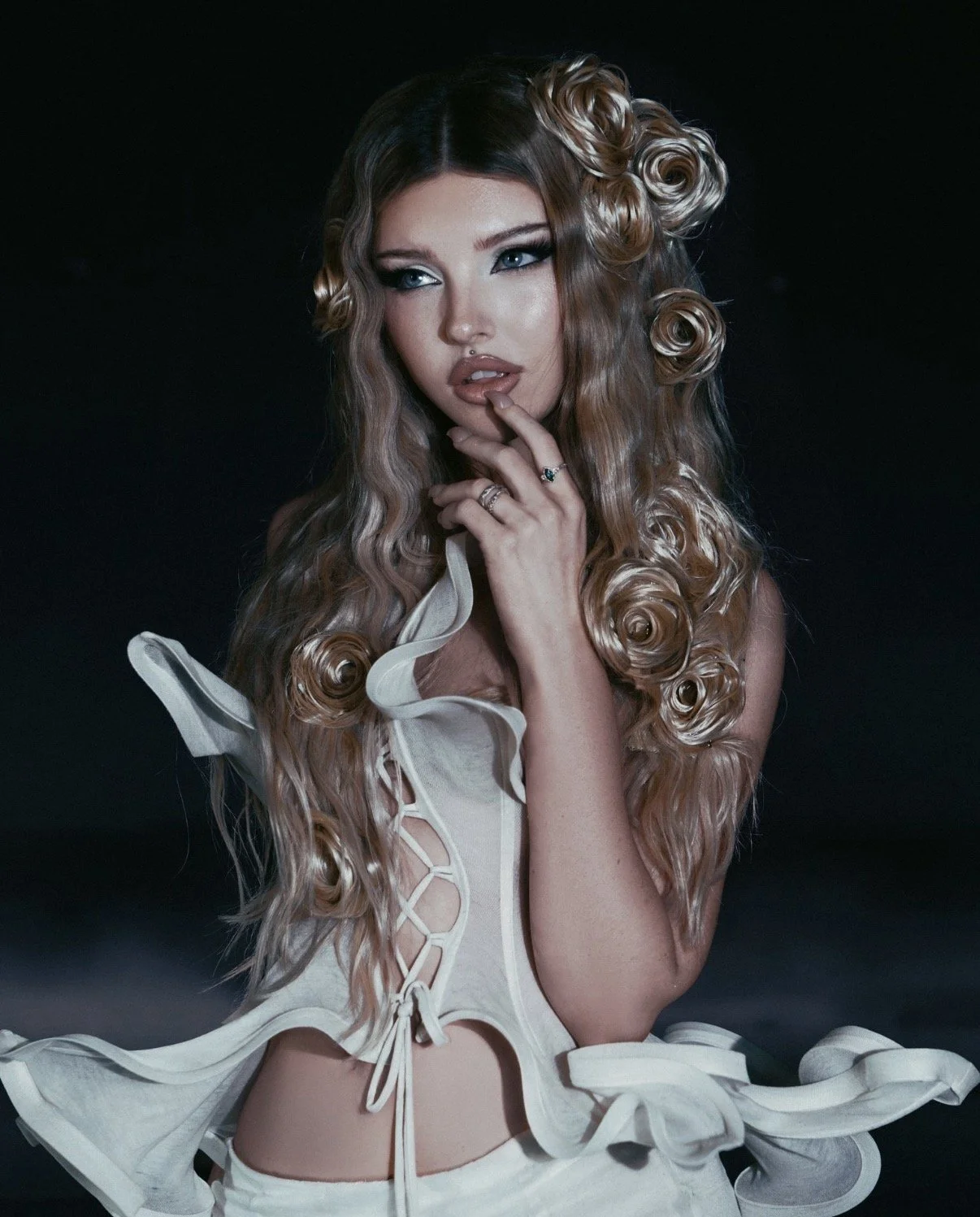
Australian singer-songwriter Larissa Lambert is stepping into her most fully realized chapter yet. After first capturing global attention with her interpretation of SWV’s Weak, she now turns inward with her debut album, Yearning, arriving on 18th September. Exploring desire in all its complexity, from obsession and heartbreak to self-worth, healing and letting go, the record introduces an artist increasingly interested in building worlds as much as writing songs. Dark romance, medieval imagery, folklore, nature and mythology collide with R&B and a deeply feminine visual language, transforming personal emotions into something cinematic and otherworldly. For Larissa, Yearning is more than a debut album, it is the first complete expression of her music, imagination, style and identity on her own terms.
photography by TONIA BLAKE
You’ve described Yearning as your true introduction. What are we finally discovering about Larissa Lambert that audiences haven’t seen before?
I think my audience is definitely seeing a softer, more “healed” side of me. I’ve usually written and created from a place of hurt and pain because, when I was younger, music was how I processed a lot of my feelings and emotions. But I’m at a place now where I feel much more at peace within myself, and I want my music to reflect that growth.
There are still darker moments on the album, but I don’t feel like I’m writing from inside the wound in the same way anymore. I can look back at certain experiences with more perspective now, and I think that’s allowed me to write about love and pain without feeling completely consumed by them.
I also feel like I’m really stepping into my world visually a lot more. I want to bring my listeners deeper into that world and create a more immersive experience, not just sonically but visually too. I want the imagery and the music to feel like they exist in the same universe.
The title initially suggests romantic longing, but the album expands yearning into ideas of self-worth, understanding and healing. How did the meaning of that word evolve while you were making the record?
Yearning to me is that deep sense of longing, the desire to love, to be loved, and to find self-love. But it isn’t just about romantic love. You can yearn for a place you’ve never been, a version of yourself that once existed or one you’ve yet to meet. You can yearn for a feeling, a person, a time, or something you can’t even quite put into words.
I really tried to capture all of those different forms throughout this album and all of the emotions that come with them. Some songs live very much in romantic yearning, like I Love You Out Loud, where you’re completely surrendering to what you feel. Then there are records like Damaged Goods, which deal more with self-worth and wanting to feel worthy of love, or Free World, where yearning becomes learning how to release someone even when the love is still there.
Do you find that songwriting helps you understand an emotion only after you’ve lived through it?
Yes, definitely. I always write from wherever I’m at emotionally in that moment. Writing has always been a way for me to process what I’m feeling and find the words for things I maybe couldn’t articulate before.
Sometimes I’ll start writing thinking I’m talking about one feeling and realize halfway through that there’s something deeper underneath it. With Blood on the Strings, for example, I started thinking about certain behaviors and relationship patterns, but writing it made me realize how much of that was connected to things I had learned or absorbed growing up. Sometimes the song explains the emotion to me before I fully understand it myself.
You grew up in Ballarat, Australia, and music and imagination became forms of escape for you from an early age. What kinds of worlds did you retreat into growing up?
If I wasn’t out exploring forests or rivers, I was playing video games. I’ve always loved immersing myself in RPGs and feeling connected to the characters and the worlds they exist in. Games like Skyrim and Assassin’s Creed were huge for me because I could disappear into these completely different environments and become someone else for a while.
I especially loved being able to customize characters and experience the world through them. Gaming has always been a huge form of escapism for me, a way to ease my mind and switch off from the real world.
Nature and the forest give me that same feeling in a different way. They both allow me to step outside of everyday life for a moment and get lost in another world.
Water and the ocean appear prominently within the visual language of Yearning. What do they symbolize for you?
I think I’m drawn to the ocean a lot for the visuals of these tracks because, to me, the ocean can feel chaotic, intense and overwhelming. Those are a lot of the same emotions I’m expressing throughout these songs, so visually it feels like the perfect way to paint that picture.
There’s also something about the ocean being beautiful enough to pull you in even though you know how powerful or dangerous it can be. I think love and attachment can feel like that too. You can know something is overwhelming you and still be drawn deeper into it.
There’s something about that unpredictability and intensity that mirrors the emotions throughout Yearning really well.
Fashion feels integral to the Yearning universe, particularly its romantic femininity, darker textures and medieval references. What role did clothing play in defining this version of yourself?
Just like I loved playing characters and customizing them in video games, I’ve always loved the idea of customizing my own avatar in the real world.
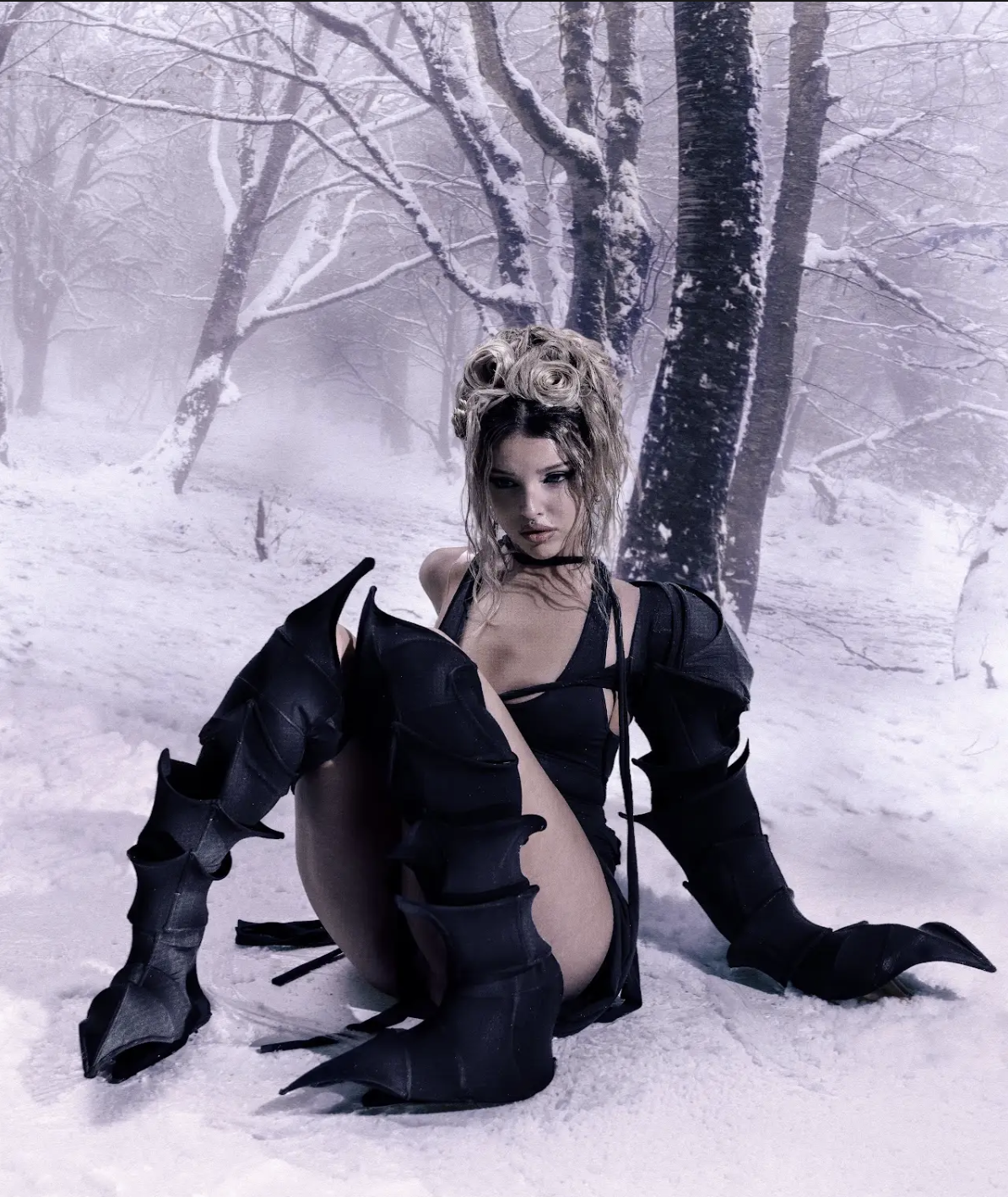
I’m extremely drawn to dark feminine energy and things that feel almost a little eerie, but still beautiful. There’s something about that contrast that I’ve always connected with, kind of like the ocean for me. It can feel dark and mysterious and even intimidating, but fascinating at the same time.
With Yearning, I finally feel like I’m allowing those interests to exist alongside the music instead of feeling like I have to visually look the way people might expect an R&B artist to look.
Do you think fashion can communicate contradictions about a woman — strength and fragility, innocence and sensuality — in ways that music sometimes cannot?
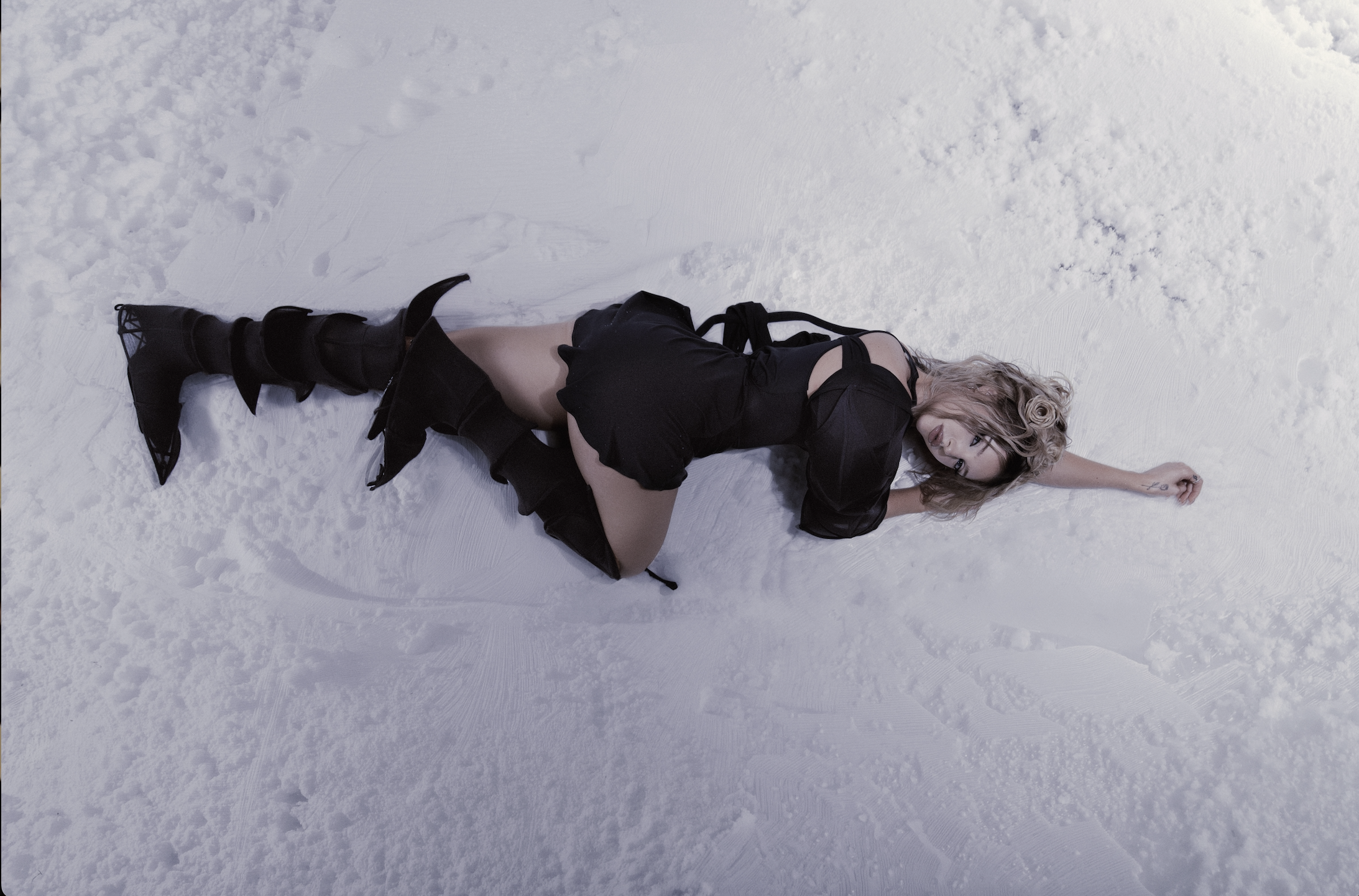
Yes, definitely. A lot of my songs are quite soft and sweet, but visually and through fashion, I love playing with dark feminine and eerie elements alongside things that feel ethereal or delicate. I love that contrast.
For a long time, I felt like the music industry would try to paint artists visually based on how their music sounded, but there’s no fun in that to me. Humans are constantly changing and evolving, and we can hold so many different sides of ourselves at once.
I think fashion gives me another space to explore those contradictions and express parts of myself that you might not immediately hear in the music.
Your interpretation of SWV’s Weak introduced your voice to millions of listeners. Was there ever a challenge in moving from being recognized for interpreting someone else’s song to establishing your own artistic identity?
Yes, but it was all internal. I put this pressure on myself to make music that emulated that cover and what I thought people wanted. I started second-guessing everything I made because I was constantly asking myself, “Would the people who loved Weak love this too?” instead of asking whether I loved it.
I ended up moving really inauthentically sonically instead of making what actually felt good to me, and I got stuck in a huge writer’s block because of it.
I’ve learned that it’s so important not to take the creation process too seriously. The moment I start overthinking what something needs to be or how it’s going to be perceived, I block myself every time. I create my best work when I let myself play and follow whatever feels natural in the moment.
Yearning was really me letting go of that pressure and making music based on what felt honest to me.
Having SZA, Justin Bieber and Ty Dolla $ign organically support your work must be affirming. Does recognition from other artists affect your confidence differently from numbers, streams or industry accolades?
It means so much because it’s like your biggest idols telling you that you’re doing something right. It’s extremely validating for me and reassuring that I’m on the right path.
Numbers can sometimes feel abstract. You can see a million streams on a screen and not fully process what that actually means. But when an artist whose work has influenced you personally tells you they connect with something you made, that feels very real.
I respect and look up to them so much, so it means the world. Numbers and awards are great, but a pat on the back from the big dogs is top tier.
As the album progresses from longing for another person toward understanding what you need yourself, do you feel that the woman who finished Yearning is different from the one who began it?
The one thing that’s definitely different is the amount of stress I have trying to finish this album. I’m doing my first ever press tour right now and wow, it’s a lot of work.
But emotionally, I don’t think I became a completely different woman while making it. I think I became more trusting of myself. There are songs on this album that came from versions of me who were questioning their worth, holding onto people too tightly, or trying to understand why certain emotional patterns kept repeating. Damaged Goods deals with self-worth, Blood on the Strings looks at patterns we inherit, and Free World is about getting to the point where you understand that loving someone doesn’t always mean you’re supposed to keep holding on.
If anything, I’ve gained more reassurance in myself and the path I’m on. I’ve learned how important it is to always stay truly authentic, open and honest with myself and with the people listening. As an artist, I feel like I have a duty to be exactly that. I’m delivering music through my own vessel for the world to connect with, so the most important thing I can do is make sure it comes from a genuine place. I pray I never lose those parts of myself.
Now that you’re presenting your songwriting, fashion, visual imagination and personal experiences as one complete world, how protective are you of that creative vision?
I’m very particular about how I want things to be perceived, so honestly I only work with people who truly understand me and my vision. I’m always open to different perspectives, ideas and opinions, and I love when someone can bring something to the table that I might not have thought of myself. But as long as the core feeling and vision are still there, that’s the most important thing to me.
Especially with Yearning, the world building is so connected to things I’ve genuinely loved and used as forms of escape throughout my life, so I need the visuals to feel emotionally connected to the music and not just look cool for the sake of looking cool. I never want the heart of what I’m trying to create to get lost in the process or be influenced by something I’m not aligned with.
Besides the album almost being out, what do you have coming up next?
World tour baby, at least I hope. That’s definitely the goal.
I really want to figure out how to bring the Yearning world into a live setting so it feels immersive and people aren’t just coming to hear the songs, but actually stepping into the world we’ve created.
I’m also excited to keep traveling, connecting with listeners internationally and seeing where this next chapter takes me.