
IN CONVERSATION WITH DJ YUKI
Interview by Samo Šajn
Photography by Elizabeth Lenthall
DJ YUKI has built a name in UK dance music through rolling house grooves, sharp vocals and a fearless sense of style that pulls from her Nigerian roots and her London upbringing. She has taken her sound from BBC Radio 1 and Isle of Wight Festival to London Pride, while building fashion partnerships with L'Oréal, YSL and Fenty Beauty along the way. In this conversation, she opens up about representation in dance music, the ritual behind her look and the world she is building around her label, GLAZD Records.
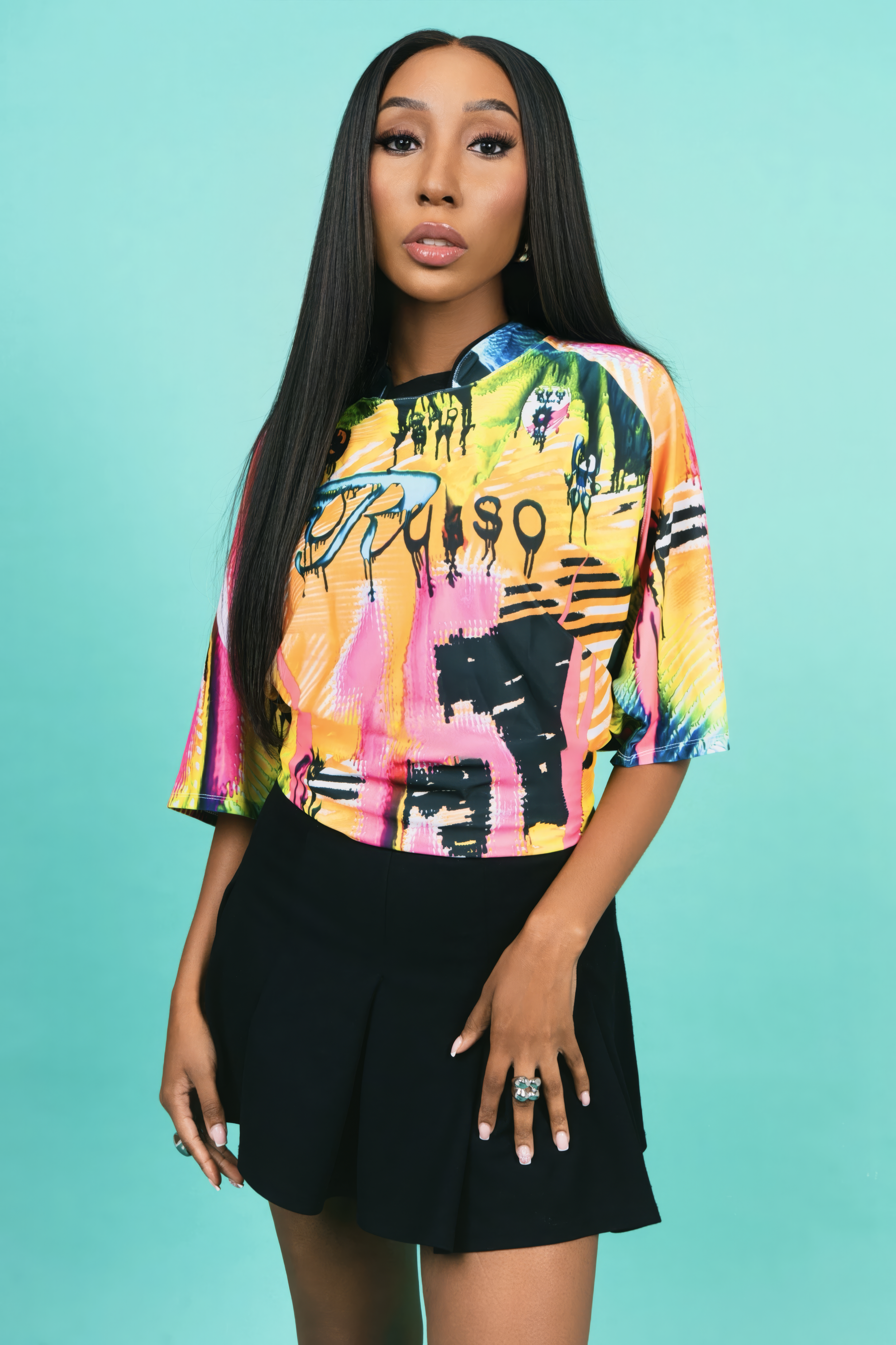
Your world spans rolling house grooves and bold vocals in music, but it also reaches into fashion through work with L'Oréal, YSL, Fenty Beauty and London Fashion Week. How do you see the connection between your music and your style?
I’ve never really separated the two. The way I dress is usually an extension of whatever mood I’m in musically.
My music is quite bold, rhythmic and full of attitude, and I think my style has that same energy. I love colour, strong shapes and looks that feel memorable, but I never want it to feel like I’m wearing a costume. Sometimes it’s a statement dress, sometimes it’s streetwear. It completely depends on the setting and how I want to feel that day.
There’s also something about the ritual of getting ready. The music you play, the makeup, choosing the outfit, all of it helps you step into a certain energy. That’s probably why working across music, fashion and beauty has always felt very natural to me.
Your look draws on your Nigerian roots and the London streets you grew up in. How did that combination shape the artist and person you have become?
I think growing up Nigerian in London gave me two very strong sides.
Nigerian culture is expressive. There’s so much colour and personality. Everything is extra and nothing is really done halfway. Then growing up in London exposed me to so many cultures, sounds and styles, so quite early on I stopped thinking I had to choose just one thing.
I can love house music, R&B vocals, streetwear, high fashion and African rhythms, and it all still makes sense because it’s genuinely who I am. That mix has probably made me more fearless creatively.
You opened London Pride to a crowd of over a million people. What did that moment mean to you as an artist and as a woman stepping into that kind of visibility?
It was honestly surreal. You can be told how many people will be there, but it doesn’t really register until you step out and see it.
There was so much joy in the crowd, and it felt bigger than just playing a set. Pride is about people being able to show up fully as themselves, so being part of that moment was really special.
As a Black woman, I was also aware of what it meant to be standing on that stage in front of that many people, and I remember feeling quite emotional about it, as visibility really matters. I tried not to overthink it in the moment, though. I just wanted everyone to feel good and completely free.
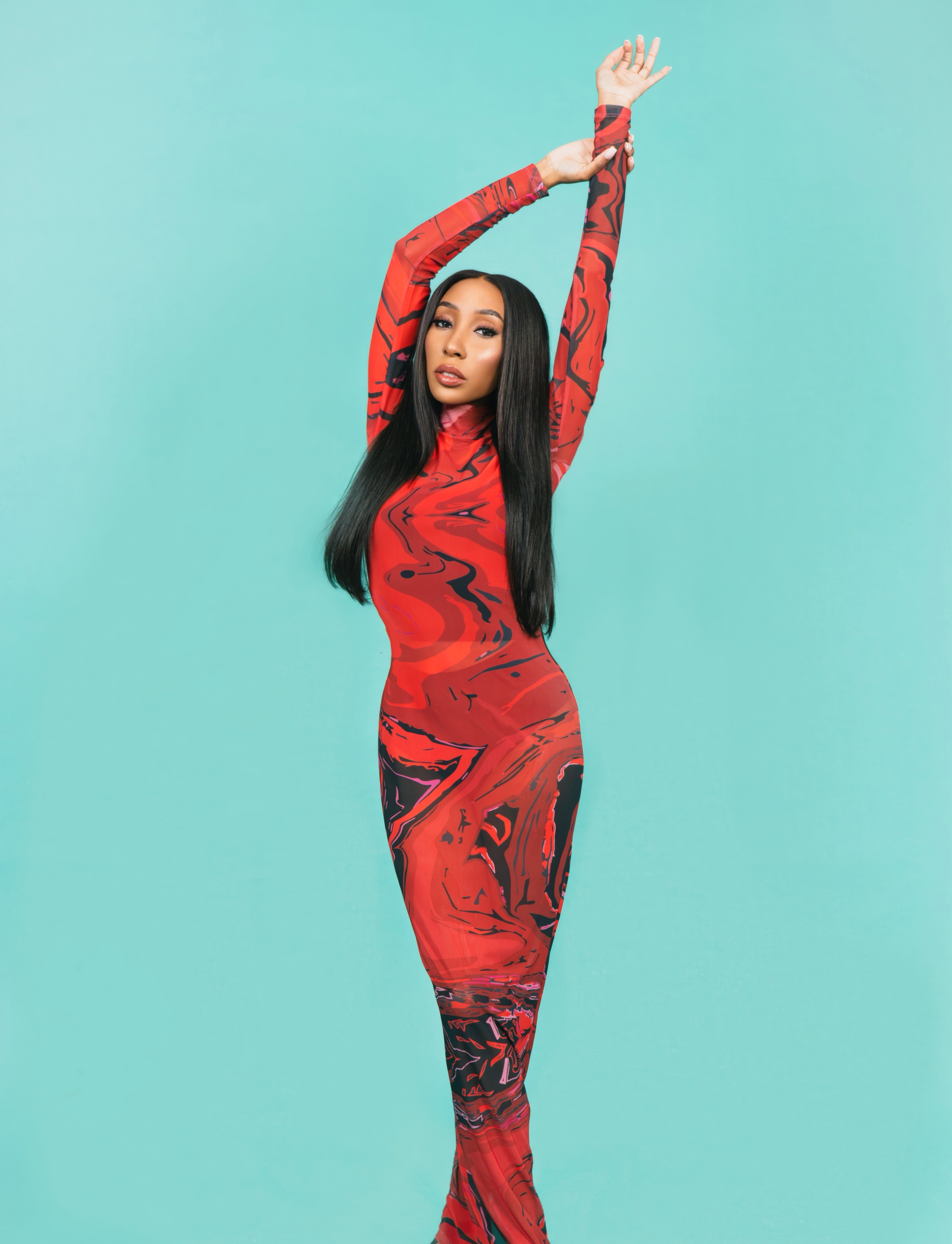
Dance music has long centred men behind the decks. How do you think about your role in changing that picture?
For me, real change is when seeing women on line-ups, producing records, running labels and headlining stages no longer feels like a big statement. It should just be normal.
Sometimes there is one woman on a line-up and it feels like the box has been ticked, but that is not real representation. It also matters who is in the rooms making the decisions, who is booking the artists, signing the records and deciding who gets the opportunities. If those rooms all look the same, then the outcome usually will too.
For me, my role is to keep doing the work, keep getting better and not shrink myself to fit what people expect from me. I know visibility matters because I have looked at women ahead of me and thought, “Okay, maybe I can do it too.”
I would love for someone else to look at me and feel the same, but ultimately I still want the music to be the reason I am there.
You say your mission is to make every woman in the room feel like she owns it. Where does that mission come from, and how do you carry it into every set?
I think being a woman, you are made aware of yourself all the time: how you look, how you’re coming across, whether you’re doing too much. Music is one of the few things that can make you forget all of that.
You can walk into a room not fully feeling yourself and then a song comes on and suddenly you’re back. You’re dancing, you’re with your girls and you just feel good again.
That’s the energy I want women to get from my sets. I want them to feel confident, sexy, a bit wild and completely free to enjoy themselves. Literally just dancing like nobody’s watching.
You have played Isle of Wight Festival, the Monaco Grand Prix and Abu Dhabi, among many other stages. How do you adjust your performance and identity across such different audiences and cultures?
I’m still me wherever I’m playing, but I’m definitely not going to play the exact same set at Monaco as I would in a sweaty London club.
At a festival, you might need to connect with people more quickly and create bigger moments. At a fashion event, there can be more space to build a mood. When I’m playing internationally, I’m also aware that I’m entering a different culture, so I try to read the audience rather than arrive with something completely fixed.
The core of what I do stays the same. It’s groove, rhythm, bass and strong vocals. I’m just finding a different way into it each time.
That’s one of my favourite parts of DJing, actually. You can prepare as much as you like, but the crowd will always tell you where the set needs to go.
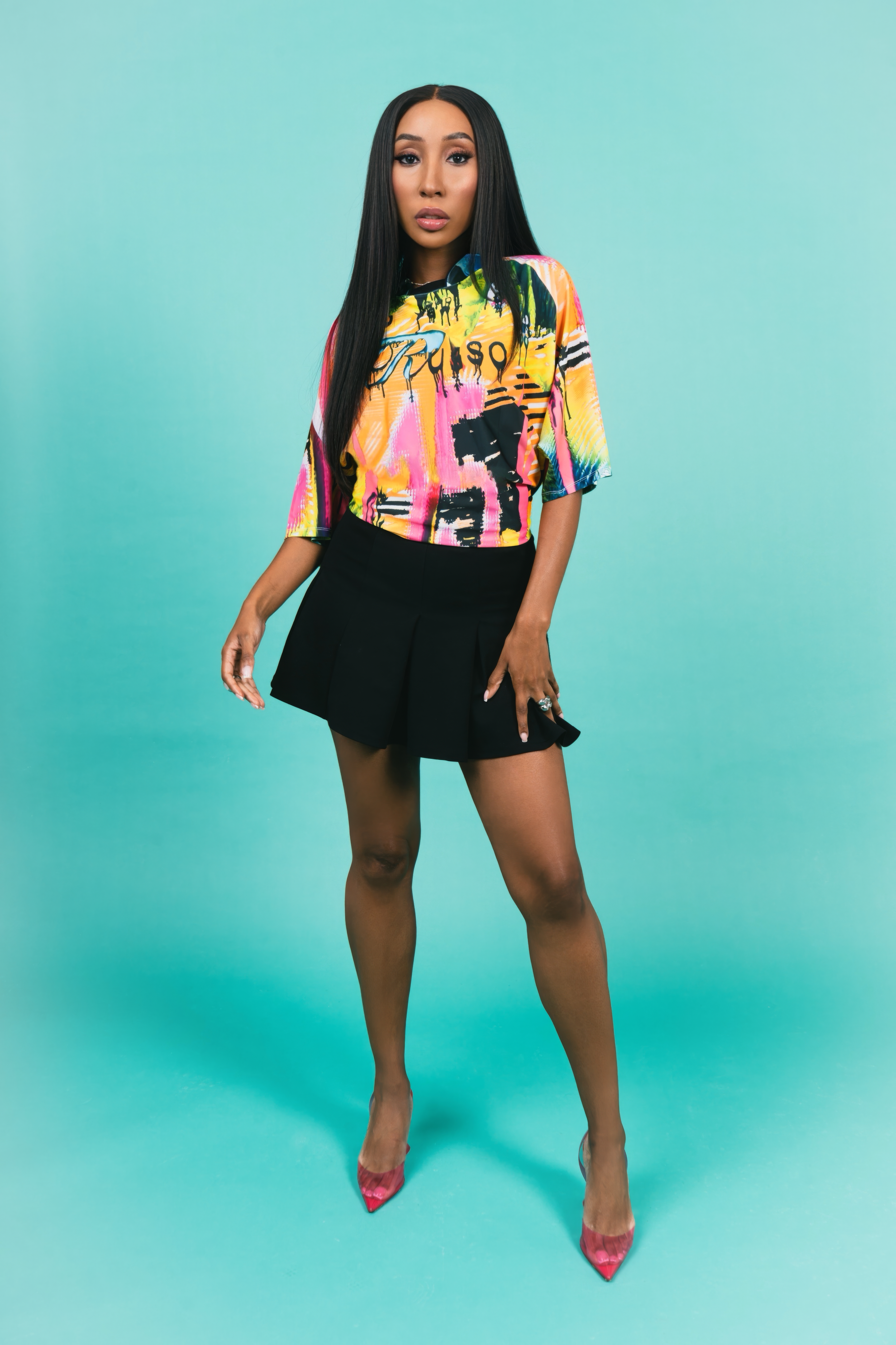
Style plays a huge role in your sets, from bold colour to statement dresses to elevated London streetwear. Walk us through how you build a look for a show.
I normally start with where I’m playing. Is it daytime or night? Is it a festival, a club or a fashion event? What does the space look like, and what sort of vibe do I want to bring into it?
Then I usually choose one main thing. It might be the colour, the silhouette or one really strong piece, and I build everything else around that.
I need to be comfortable enough to actually DJ and move, because there is nothing worse than spending the whole set adjusting your outfit. I learnt that the hard way!
Hair and makeup come into it too. I love a good glam and want to experiment whilst still feeling like myself.
What comes next for DJ YUKI, and how do you want people to remember this chapter of your career?
I feel like I’ve really found the sound and world that feels most like me now. I’m making rolling, groove-led house music with strong vocals, personality and a bit of attitude. “Inferno” started that direction for me, and “The Baddest” feels like the next step.
There’s a lot more music coming and I’m excited for people to hear how it all connects. I’m also growing GLAZD beyond just releasing records. I want it to feel like a real community around the music, with events, culture and things people can actually be part of.
I’d love people to look back on this chapter as the moment I really stepped into my sound, the music, the visuals, the confidence and the world around it. Ultimately, I just want to make music people genuinely connect with.
