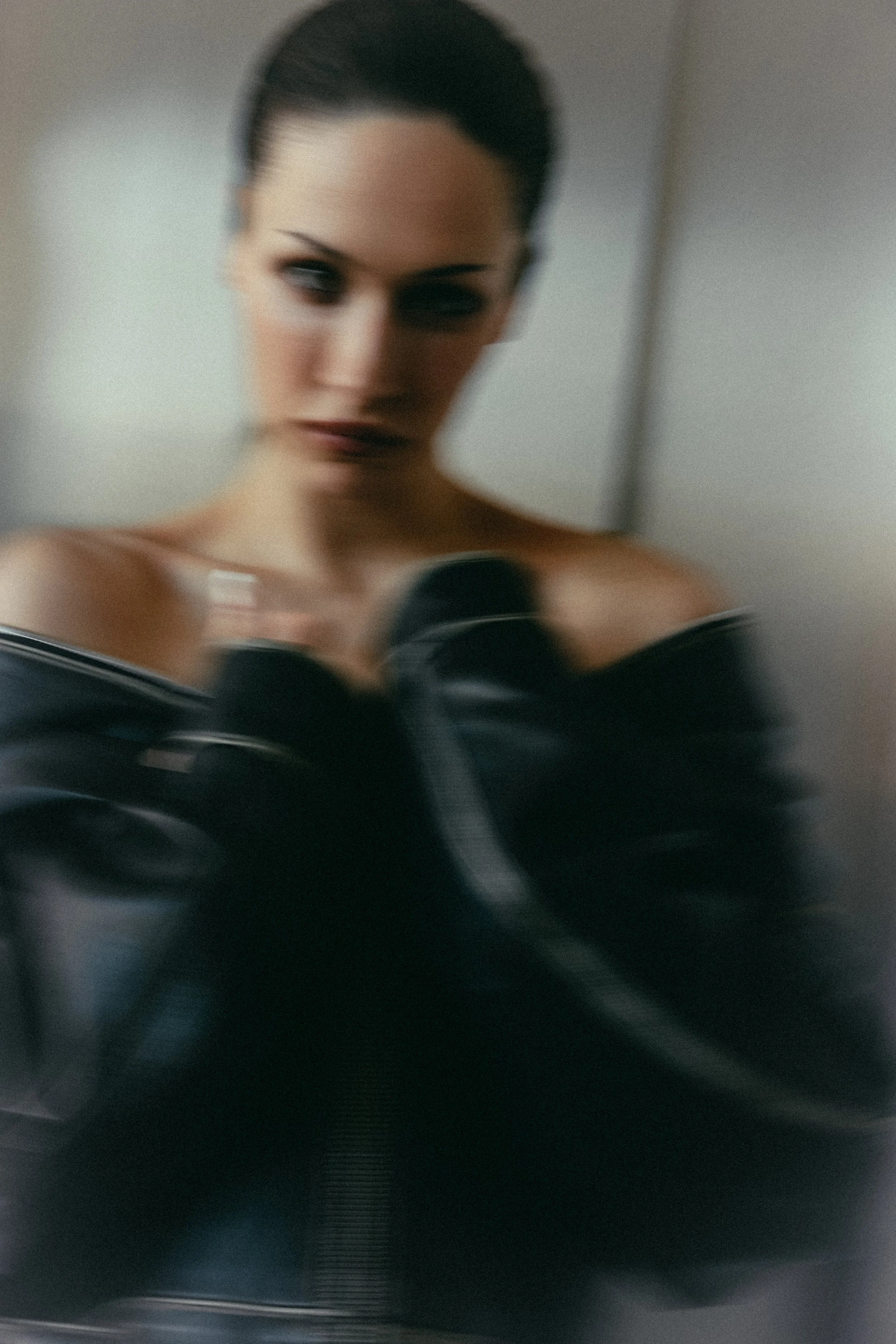
IN CONVERSATION WITH ELSIE HEWITT
interview by JANA LETONJA
London-born actress, model, mother and endometriosis advocate Elsie Hewitt is using her platform to bring greater visibility to a condition that affects millions of women yet remains widely misunderstood and underdiagnosed. Candid about the physical and emotional realities of living with endometriosis, Elsie has become an advocate for listening to one’s body and speaking openly about women’s health. Ahead of hosting Seeds of Change in New York City, the official launch celebration for The Blossom Ball 2027 on behalf of the Endometriosis Foundation of America, we speak with Elsie about her personal journey, the complexities of navigating an image-driven industry while living with chronic illness, and how motherhood, fashion, beauty and wellness have reshaped her understanding of self-care.
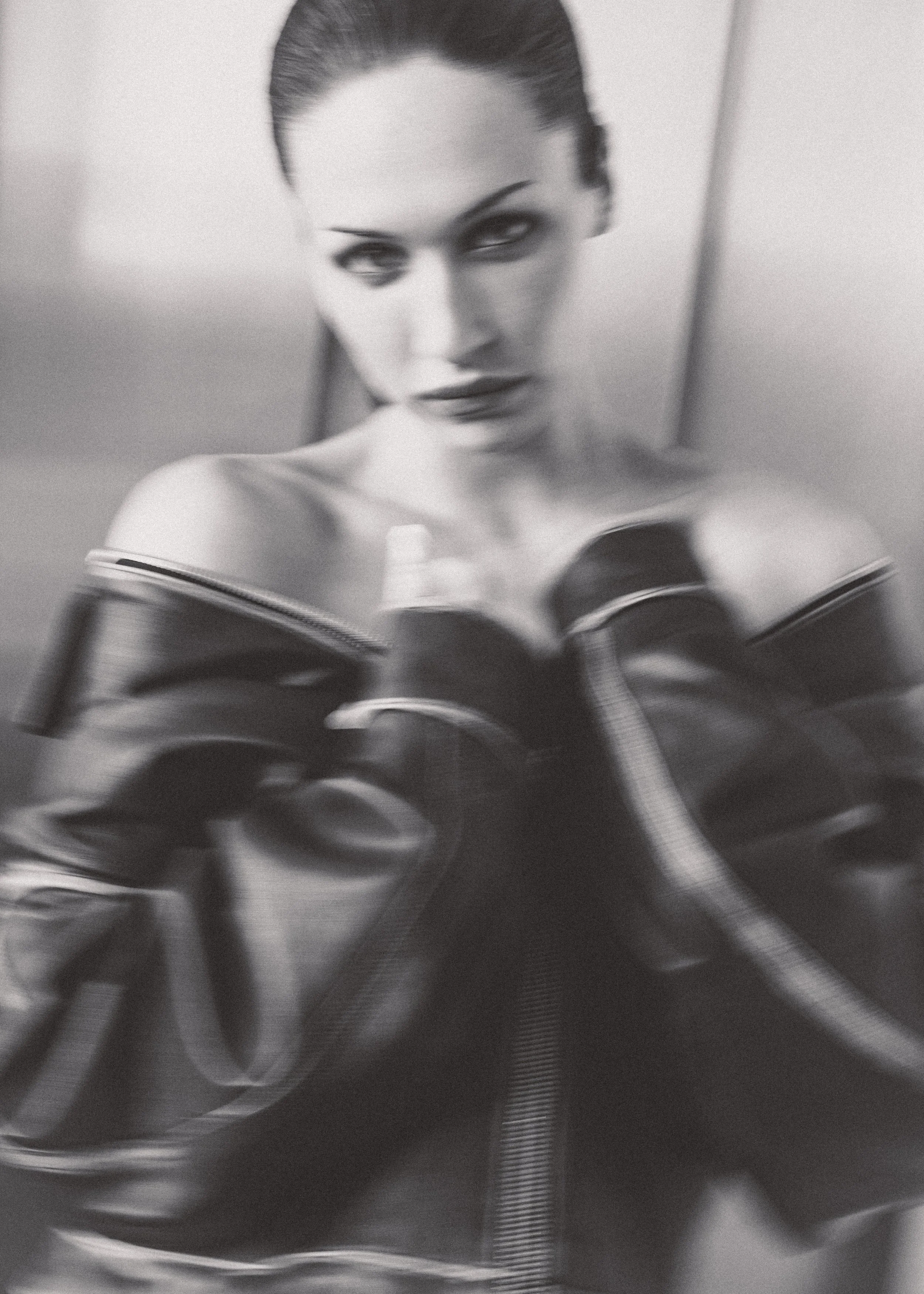
photography by JORDAN OWEN
You've spoken openly about living with endometriosis. What made you decide that you were ready to share such a personal part of your life publicly?
It was always a no-brainer for me. I've been frustrated for a long time by the lack of care and research put into women's health, particularly reproductive health, and by how quiet people stay about it, including those in positions of power to make the changes we really need. That silence is the exact reason it took me so long to get a diagnosis. Not sharing my story was never really an option. It's become part of my purpose in this life.
Endometriosis is still frequently misunderstood and can take years to diagnose. What do you wish you had known about endometriosis, and your own body, when you first began experiencing symptoms?
I wish endometriosis was taught in school. I worked with a sex ed nonprofit pushing to make sex education mandatory in middle and high school, because we live in a world where talking about this stuff is often still so taboo. We're getting more open, but it starts with education and normalizing the conversation. Right now, only 29 states and DC require sex education, and only 26 require it to be medically accurate.
All I was told in high school was that some women get pain with menstrual cramps. I've since learned that being in a ton of pain on your period is not normal. It's that simple, and it affects so many women. I wish I'd known what it was without having to search so hard for something that matched my symptoms. I wish diagnosis was easier, and I wish finding the right care was easier too.
Living with a chronic condition can affect much more than physical health. How has endometriosis impacted your relationship with yourself emotionally?
It's definitely changed my relationship with myself in so many ways. My experience with endometriosis has become one of the most defining parts of my experience as a woman. It's part of my identity and how I move through the world. It's given me empathy for so many people's pain, as well as the battles we have to fight through misinformation, dismissal, and the isolation that comes with a chronic illness.
It's also made me so proud to be a woman. I live with this illness, had surgery, got pregnant so soon after, built a life, birthed a child. I'm still in shock every day that I did that. I feel this immense level of pride and resilience, and a grit that I've really gained since becoming a mother.
As a model and actress, you work in industries where appearance is constantly scrutinized. How have you navigated moments of pain, bloating or physical change while working in such an image-focused environment?
This is a great question, and it's honestly something I still struggle with. I think before my diagnosis, I pushed through in ways I shouldn't have, whether it be work, exercise, my social life. I was also meaner to myself, and my relationship with food and my body was not as healthy because I couldn't understand why my body wasn't functioning the way I wanted and needed it to. Bloating, sluggishness. I felt like that was just my fault.
Once I received a diagnosis and understood that yes, this pain is real and this illness is causing some of these external physical symptoms, I had more language to talk about it. That has allowed me make more informed choices about what work I take, how I spend my time, and where I put my energy.
I get super bloated. And I'm not going to sit here and say it doesn't suck. It does. It always has and it always will. I think I'm just more attuned these days to the physical discomfort of it than wasting energy caring about how someone else might think it looks.
Fashion can sometimes function almost like emotional armor. Has the way you dress, or what you want from clothes, changed as your relationship with your body has evolved?
In my late teens, my whole self revolved around my body. When I started modeling, I was quickly put in the sexy, commercial, bikini and lingerie category. In hindsight, I think some of my being "curvier" could be related to inflammation and bloating I was dealing with. Regardless, I felt I had to cater to the male gaze and dress to maintain my income. Which is obviously not true. But it's very confusing to be young, perceived as "sexy," and then capitalize off of that. Certain outfits looked overtly sexy on me because of my boobs, but a more "high-fashion" model would wear it and it'd look so chic.
My modeling garnered the attention of people online, and while it was helpful for my career to have a following, I felt like I was at war with myself trying to share what was expected of me but feeling so disconnected from the way I was being perceived. I developed an overwhelming sense of shame working in an industry where I felt so misunderstood, only seen for the parts of myself that I didn't even understand my relationship with yet.
Anyway, I stepped back from modeling at 23 and focused on food content and acting. When I moved to New York at 25, I did a complete 180, super baggy clothes, covering up, dressing more "cool."
Now I've found a balance. I wear what I want based on how I feel that day, not what people will think. That comes with getting older, being more sure of myself, and appreciating my body as so much more than an object to be judged. I feel empowered to post what I want, wear what I want, and to anyone reading this, I love to see you doing the same because it's what makes you feel good, nobody else.
You've described a shift from thinking about self-care aesthetically to seeing it as something that supports your physical and emotional wellbeing. What does self-care actually look like for you today?
If you don't have your health, what do you really have? Living with chronic illness and chronic pain, self-care looks a lot more like rest. It's little moments throughout the day to recenter, and little things that make me feel good. A walk, dinner and wine with friends, a cozy game night at my place, a sweet treat in the afternoon with my baby.
Self-care right now is the little things that bring me joy, not being mad at myself on the days I can't do them, and being present enough to notice how nice it is when I do.
How has becoming a mother changed your relationship with your body?
I have a new appreciation and amazement for what the human body can do. It can create life. It's so resilient. With endo, dysautonomia, and a handful of other difficult diagnoses, my body sometimes feels like it's literally attacking itself. But since becoming a mom, I've gotten better at listening to it and appreciating what it can do.
I've also detached from the pressure I used to put on myself to be unattainably perfect. Before surgery and before having my daughter Scottie, I'd freak out over the tiniest bit of cellulite on my leg. I'm much more accepting and proud of my body now. And my daughter is the most perfect thing I've ever laid eyes on. People tell me she looks just like me, and I take it as a compliment because I think she's so beautiful. So I'm just infinitely proud to be her mom.
Overall, I think I feel more confident than I did pre-baby, just in a different and more wholesome and empowering way. I will say, I really want to get my muscle back, and I haven't been able to get there yet postpartum and with my flareups. I look forward to feeling super physically strong again.
You'll be hosting Seeds of Change in New York City on October 15, launching the journey toward The Blossom Ball 2027. What does being part of this event mean to you personally?
I've been in touch with EndoFound, the Endometriosis Foundation of America, for a while now. I connected with them after my surgery at the end of 2024 and attended the Blossom Ball in 2025. For this event specifically, I'm really looking forward to bringing people into the room who are still looking for answers. I want to show them what's possible and surround them by other strong individuals and advocates. I've invited a handful of people that have reached out to me about their symptoms, with the goal of giving them hope, information, and making them feel less alone. We're making strides toward this care being accessible to the many who need it.
What do you believe needs to change most urgently when it comes to endometriosis awareness, research and access to care?
A lot, but here's where I'd start. Firstly, education. Currently, the average time it takes to receive a diagnosis is 7-10 years. I want the next generation to know about Endometriosis so that there doesn't have to be so much time spent living in confusion and unbearable pain.
Secondly, right now, the only way to formally diagnose endo is through laparoscopic surgery. The world is not set up to make it easy for people to put their lives on hold and jump into a major surgery. More reliable testing, ways to detect endo without surgery could allow for earlier diagnosis and more comprehensive treatment plans. There need to be more options.
This includes treatment that does more than just mask the pain. IUDs and birth control can offer relief, but I've always said it feels like putting a band-aid on it. We do not currently know the root cause of endometriosis. There is no cure. We need to figure out the root cause of this illness and a cure. We need to keep working to figure that out, and I will not stop until we do.
In the meantime, patients need to feel educated enough to manage it before opting for surgery. And upon opting for surgery, it should be accessible, affordable, and covered by insurance. So many women are so confused and don't know where to turn. That's the goal, filling the gaps in a broken system, so the next generation doesn't have to live like this.
Advocacy often begins with telling your own story, but it can grow into something much larger. What kind of change do you hope your platform can contribute to?
I hope telling my story has helped women feel more validated in their own experience and know that their pain is real. I hope my continued advocacy can play some part in the changes I just described. What I think about most is my daughter, and how much it matters to me that, if this is something she, God forbid, ever has to go through, she will have the answers I didn't have and she can get the care she needs. I want Scottie to step into a world where doctors know exactly how to approach this illness and everything that comes with it. I want her and her peers to have access to comprehensive, multidisciplinary care without any question marks. I want to pave the way for people not to have to fight as hard as myself and the women before me.
At this point in your life, what are you learning to prioritize, and what are you learning to let go of?
I care so much less what people think now, and it's actually awesome. I've been to hell and back, and I still get up every morning with a smile on my face. Sometimes it feels like the world is crumbling, but ultimately all that matters is health, safety, shelter, and most importantly my daughter, and all of those things for her.
The two-dimensional, vapid, surface-level side of parts of this industry used to eat away at me. All the self-comparison, never feeling like I'm enough. I'd be lying if I said I never question things or get down on myself here and there, but overall I'm very quick to remind myself these days that we're all on our own path. And I like the path I'm on. Becoming a mother has brought me so much new purpose and gotten rid of a lot of insecurity. I feel the work I'm doing is good, important, and meaningful. And as long as I get to feel that, I'm cool. I'm chilling. I'm good.