
IN CONVERSATION WITH GABRIEL LEONE
interview by LEANDRO DA SILVA
Gabriel Leone has established himself as one of the leading actors of a new generation of Brazilian talent, building a career defined by versatility and a fearless commitment to transformation. From acclaimed performances in Ferrari, Senna and The Secret Agent to expanding his creative path as a producer and musician, Leone continues to challenge himself with stories that cross borders while remaining deeply rooted in his artistic identity. As his career enters an exciting new chapter, he reflects on creative evolution, the responsibility of portraying iconic figures, and the choices that continue to shape his journey.
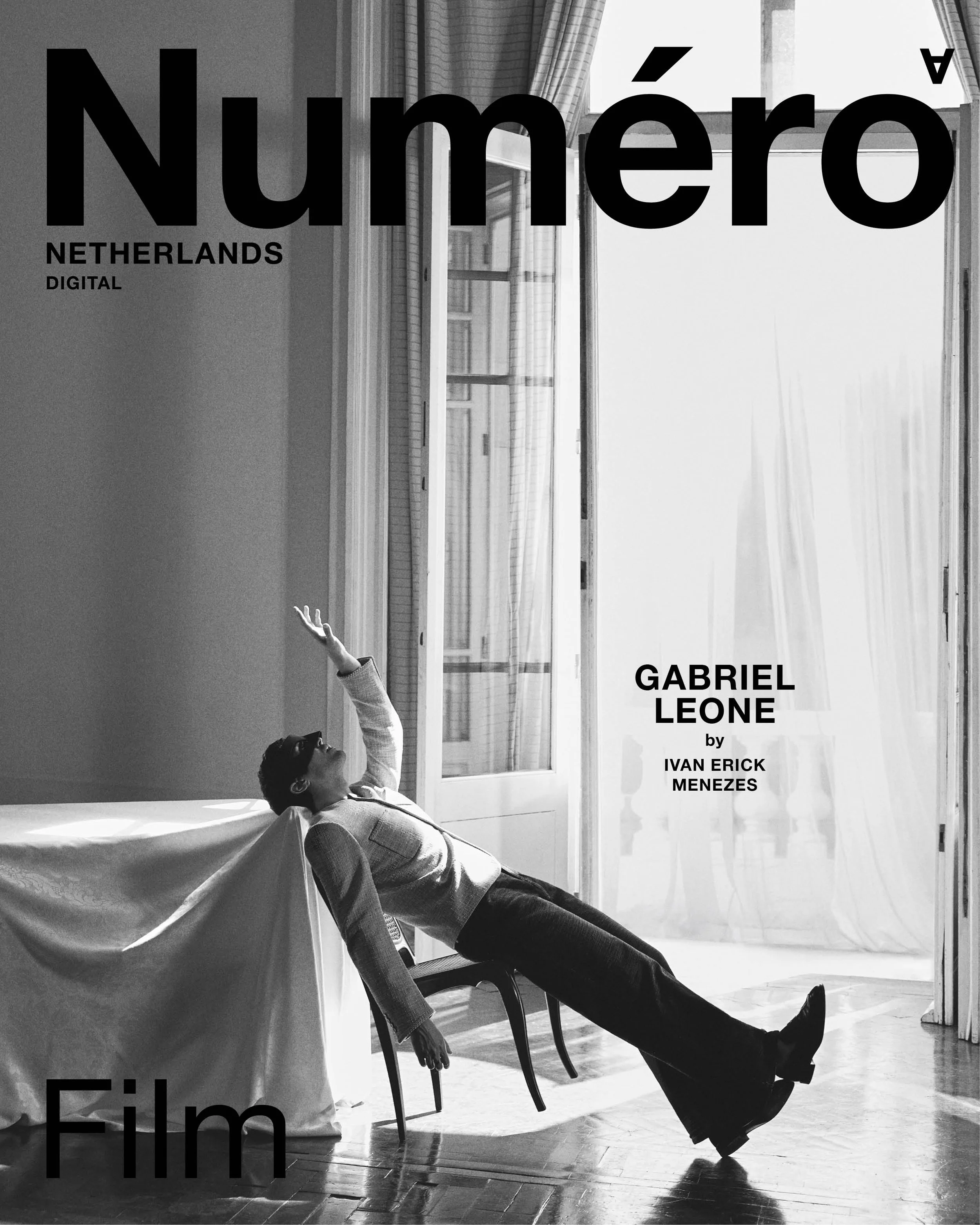
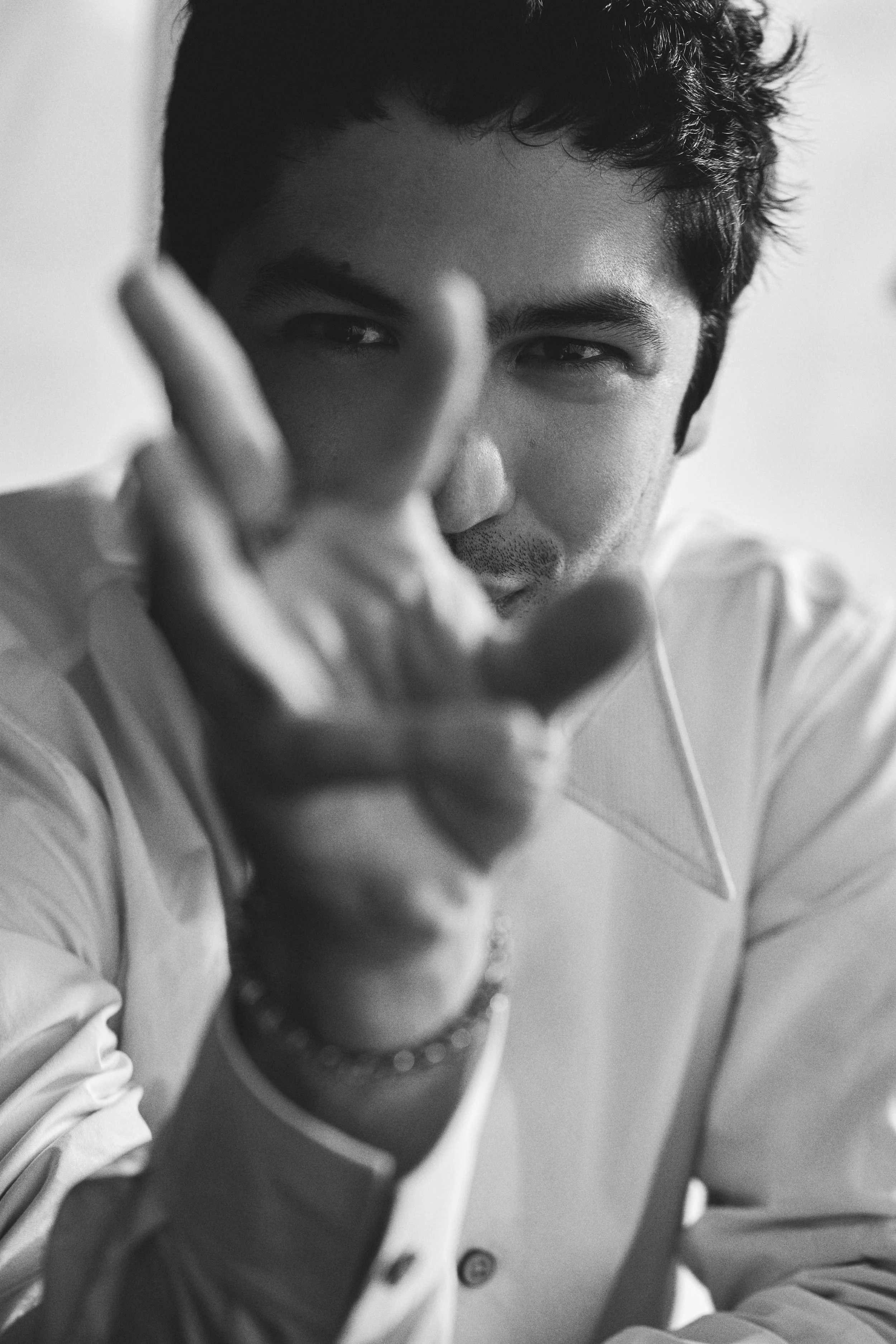
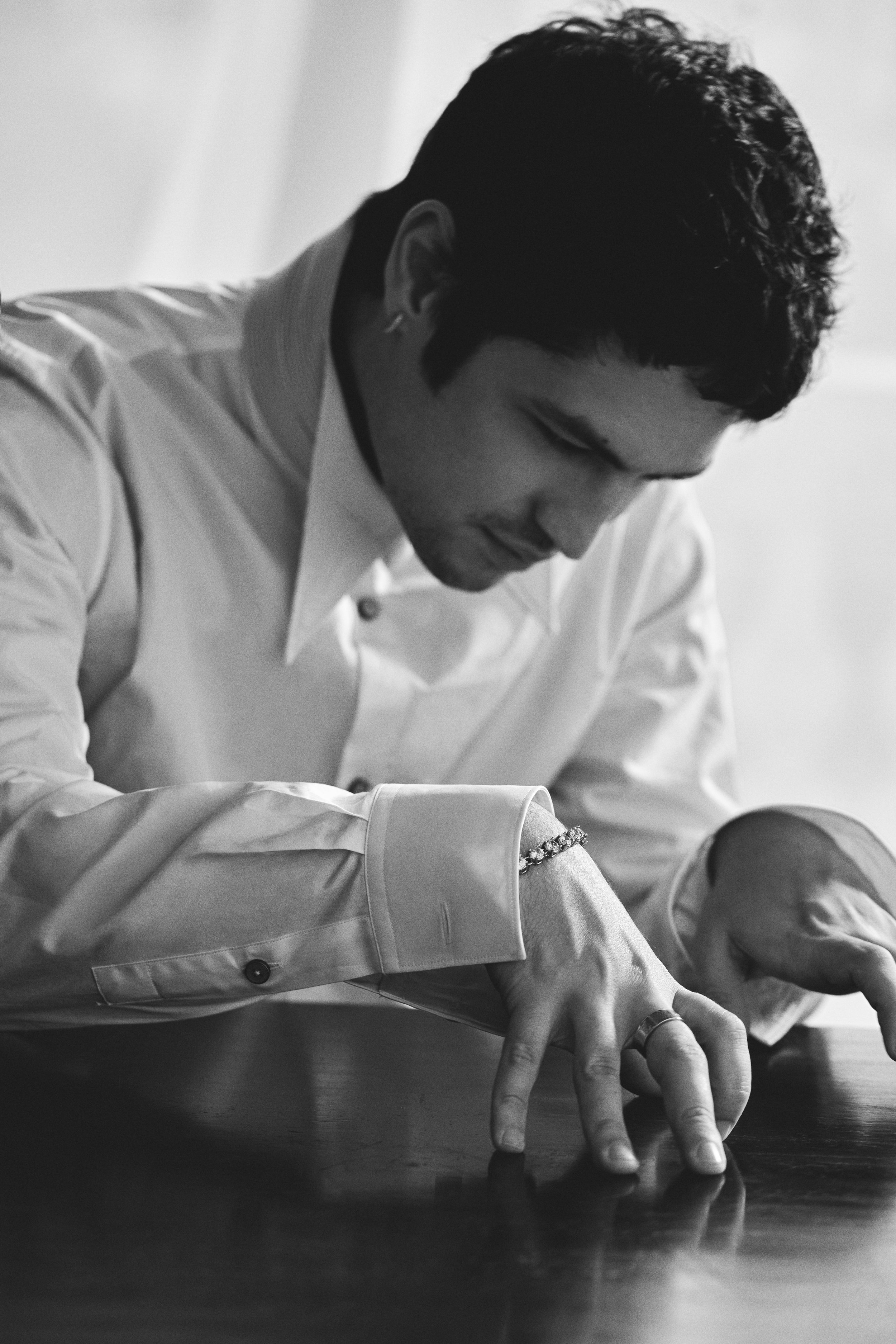
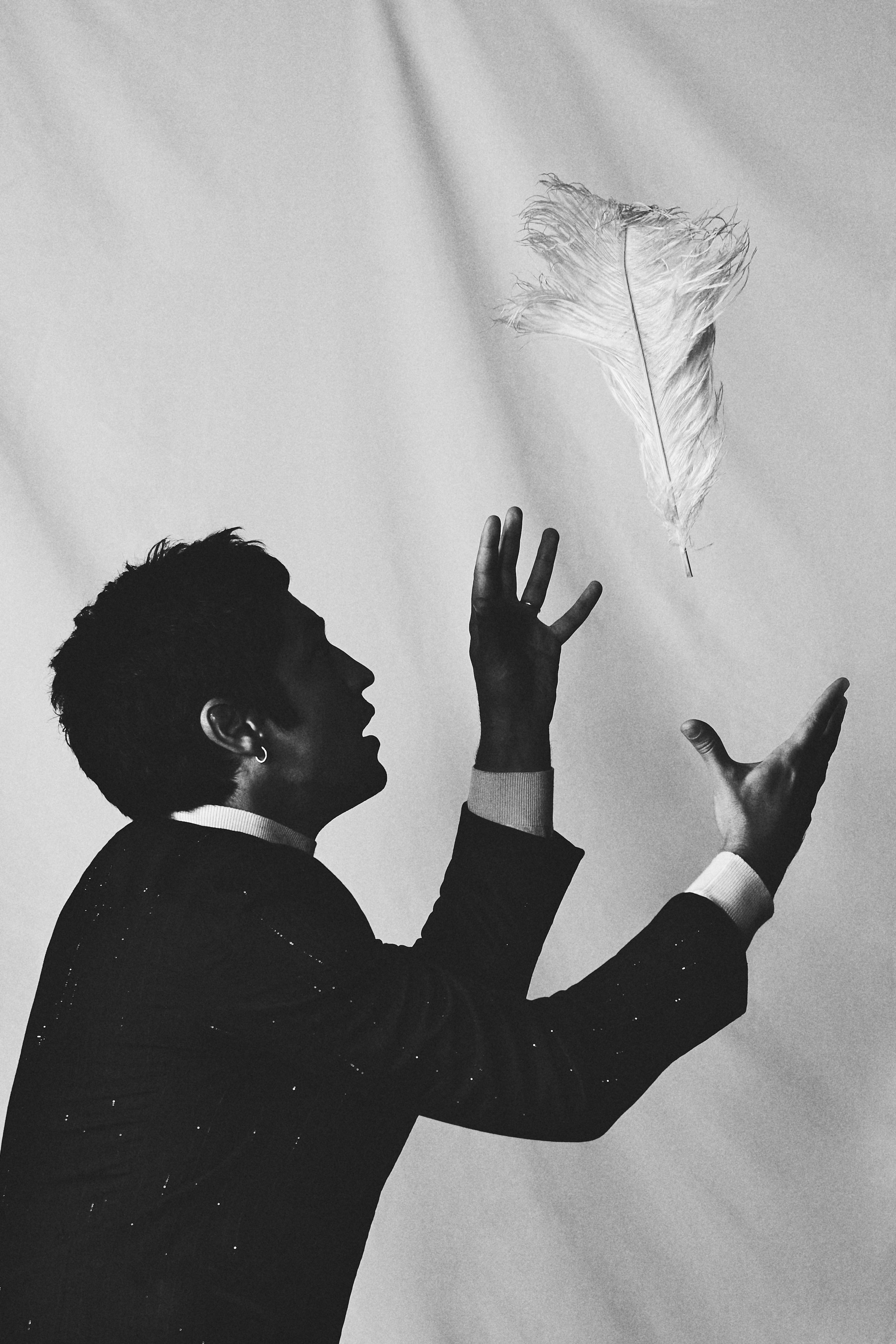
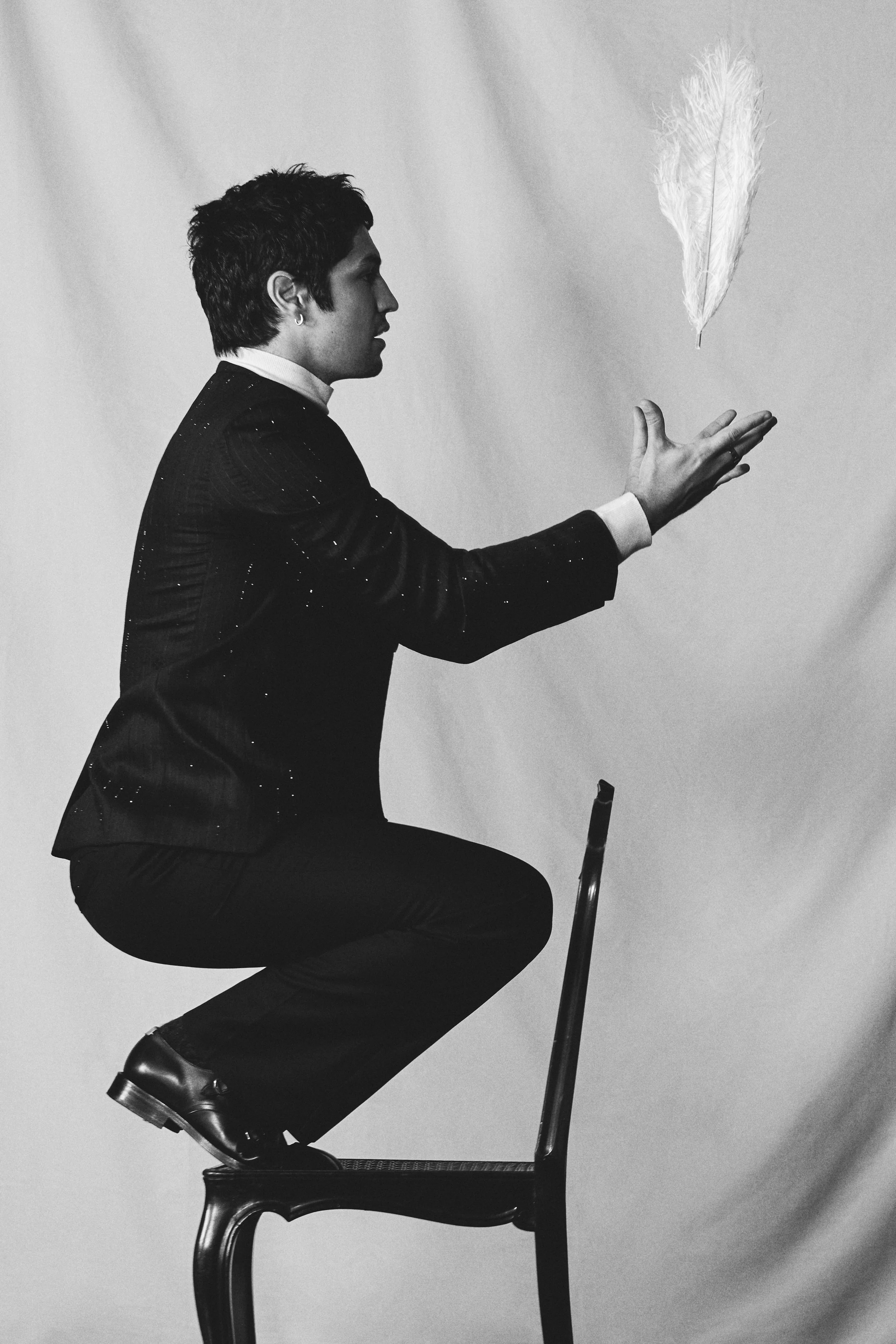
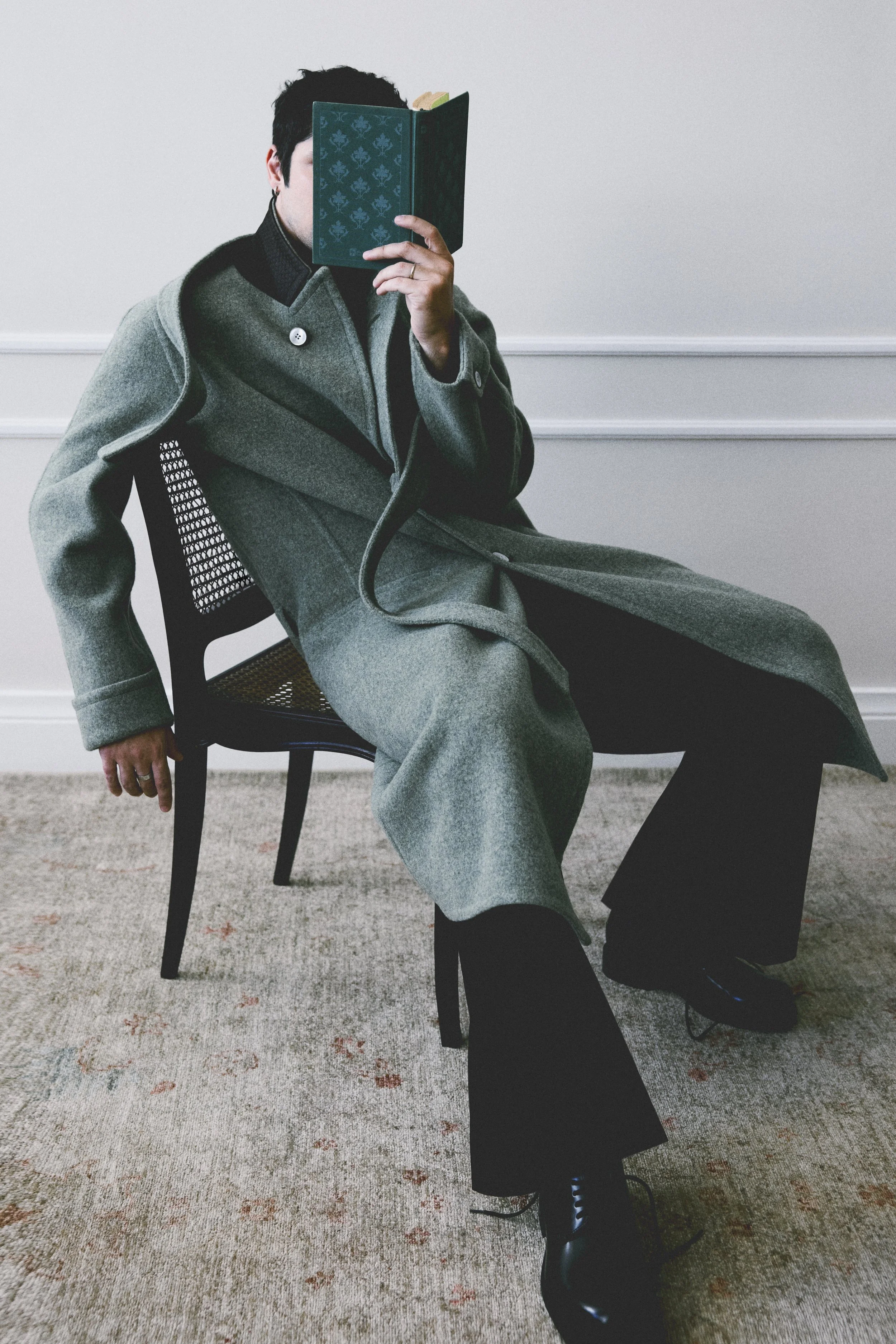
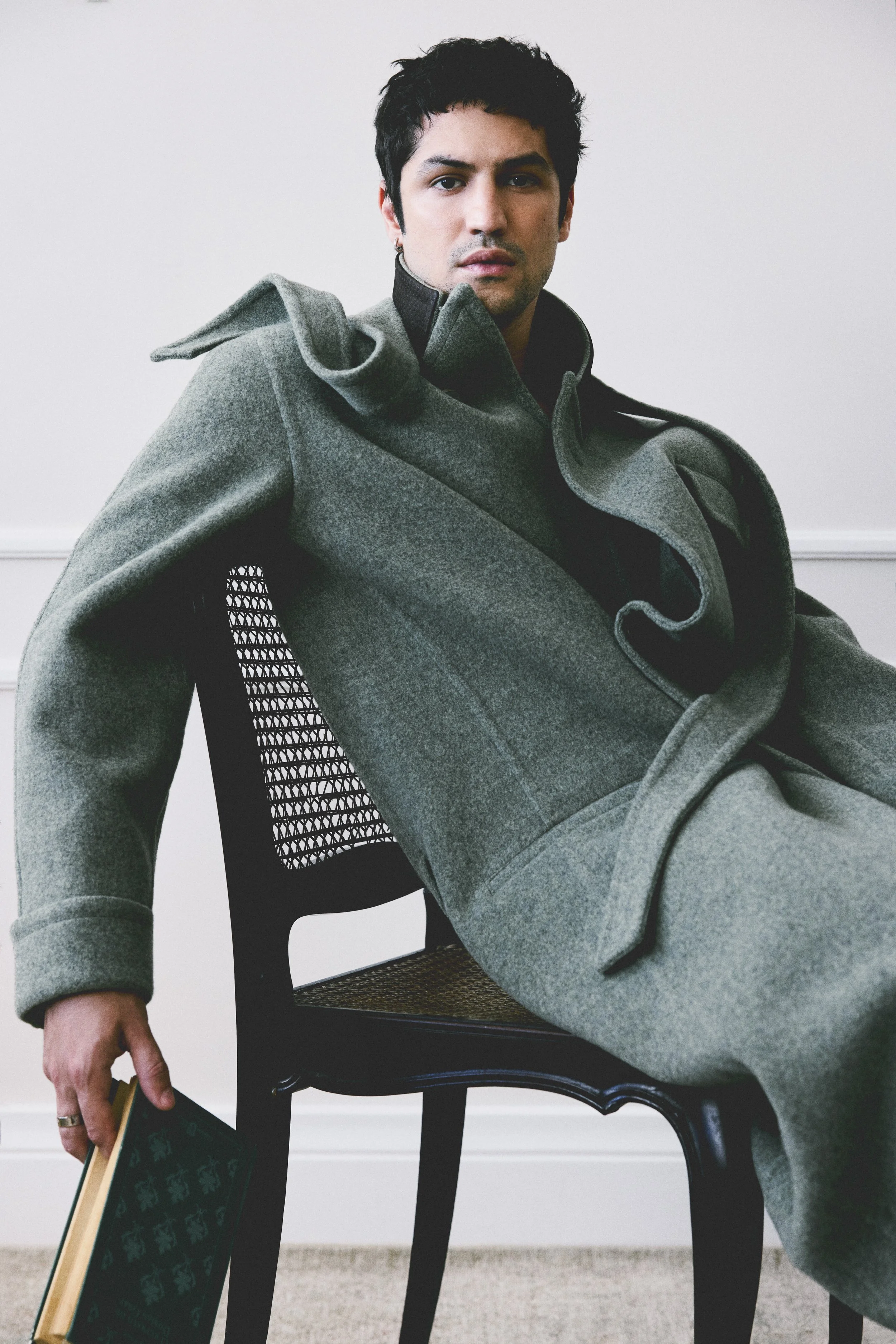
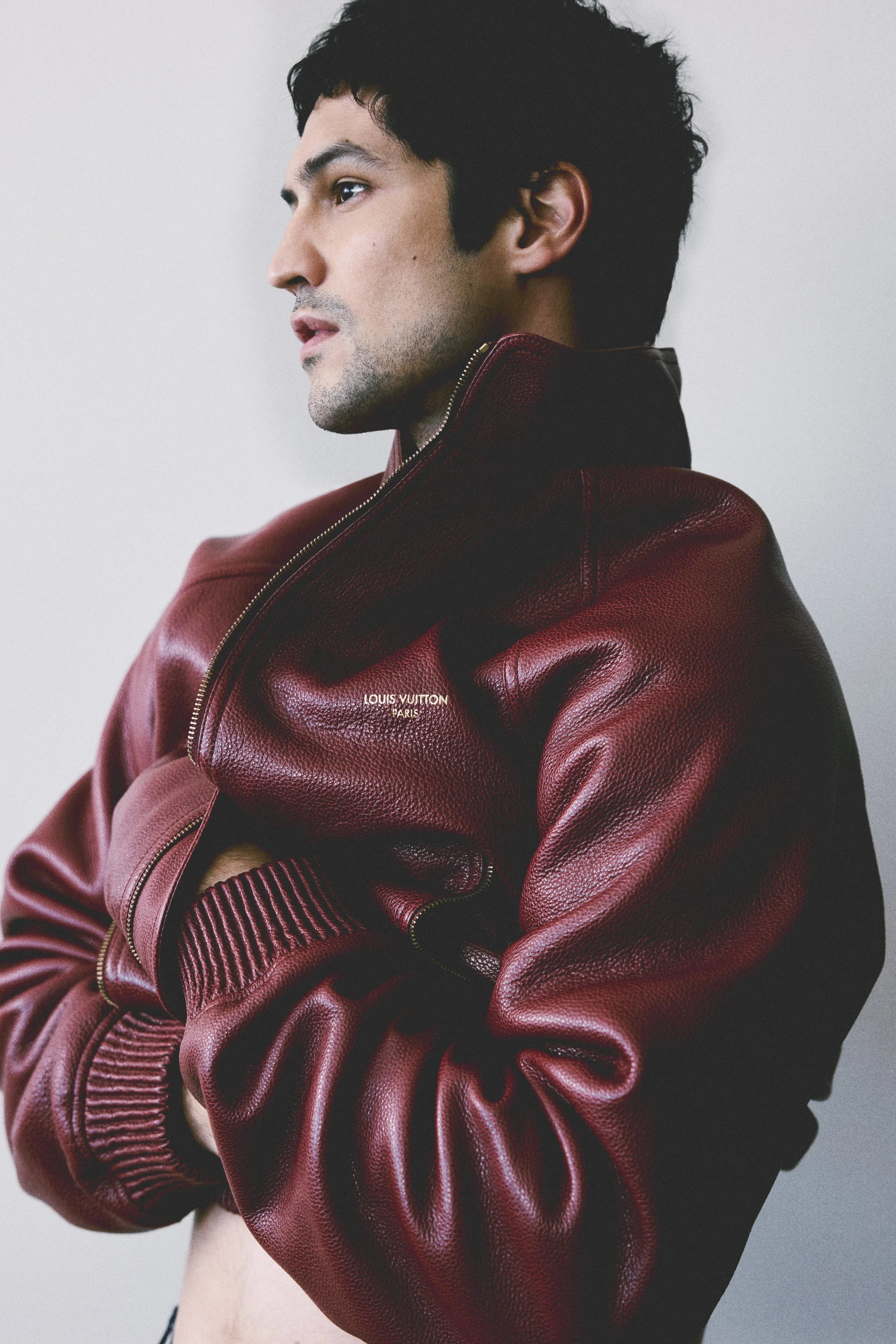
all looks LOUIS VUITTON
Over the past few years, your career has evolved beyond a series of achievements into a constant creative expansion. Today, you're acting, producing, making music, and leading projects with a global reach. Amid so many different creative roles, what remains non-negotiable in your identity as an artist?
I think what remains non-negotiable is the reason I wanted to become an actor in the first place: the pleasure of performing and bringing a character to life, especially when that character challenges me and pushes me beyond myself. Whether I'm acting, producing, writing or making music, I keep looking for that same pleasure and for ways to renew and challenge myself as an artist.
The Secret Agent has become one of the most internationally celebrated Brazilian films in recent years, bringing Brazilian cinema back to the centre of global conversations. What was it like witnessing that journey from the inside and realising the scale of its impact?
Being part of The Secret Agent's journey was an immense source of pride and joy, from Cannes and the awards to the Golden Globes and Academy Awards. Seeing its impact in Brazil was especially meaningful, with the film becoming the most watched among the Brazilian Oscar nominees. I think it's symbolic of a moment of revival and strengthening in Brazilian cinema. I'm very happy to have been a small part of it.
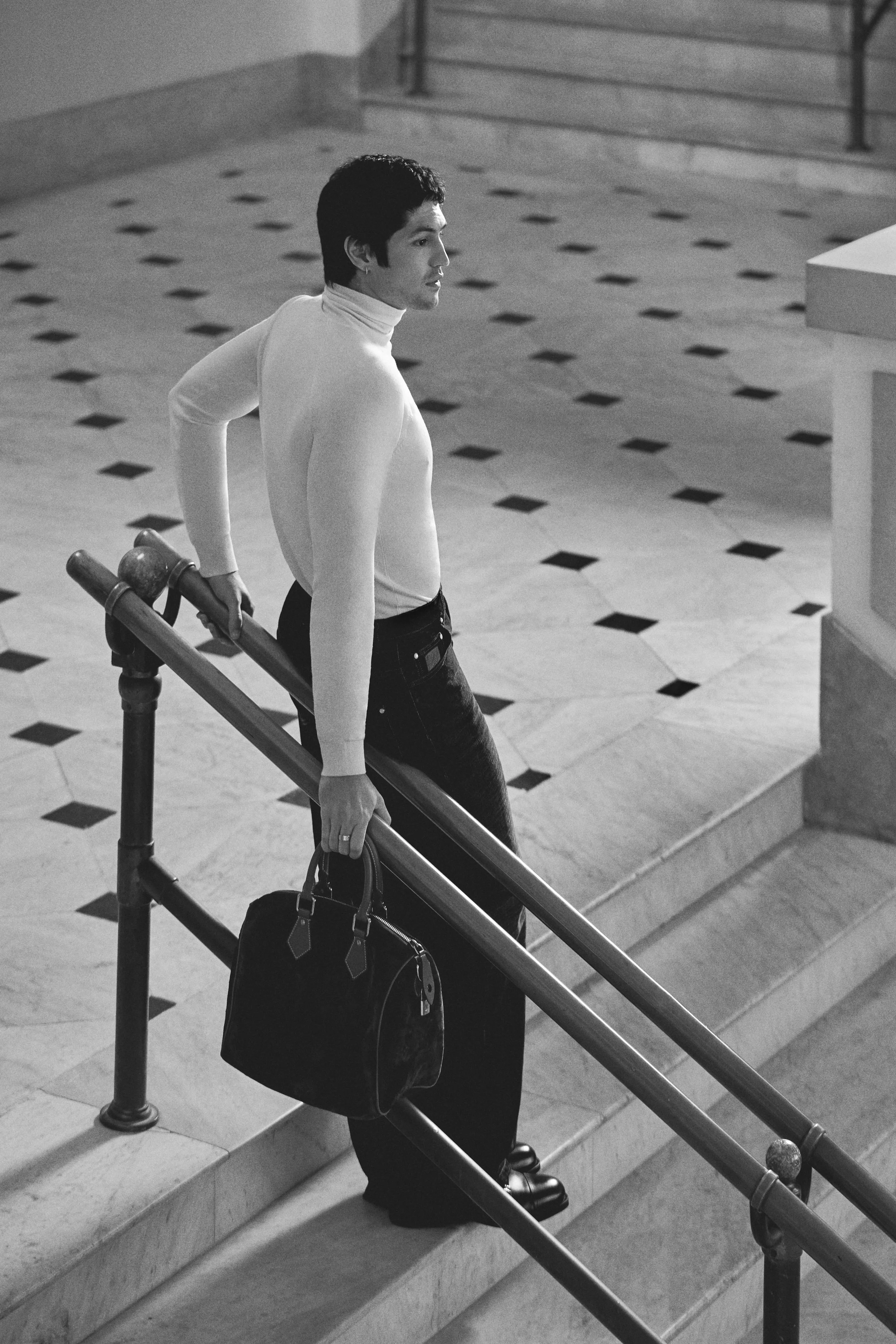
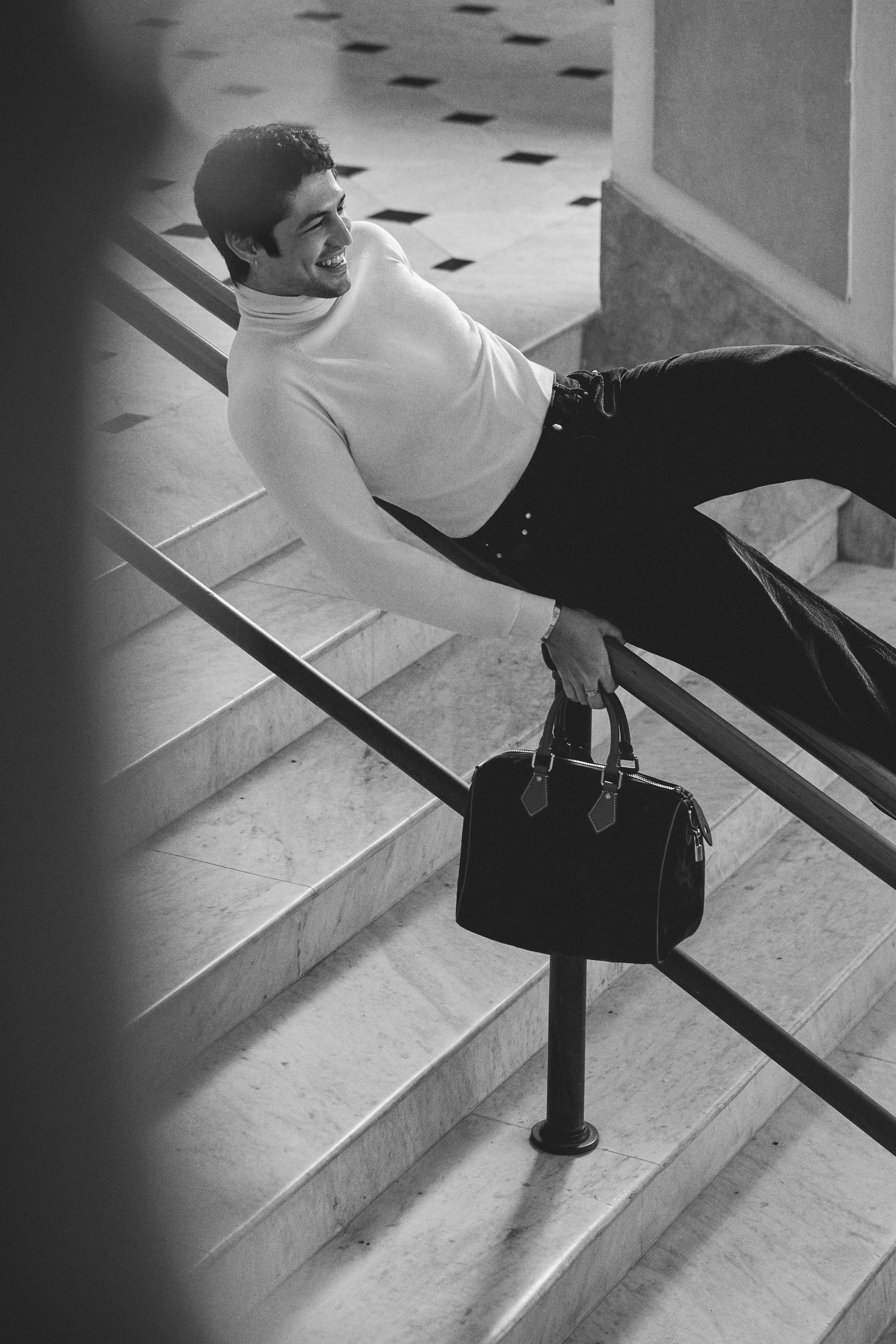
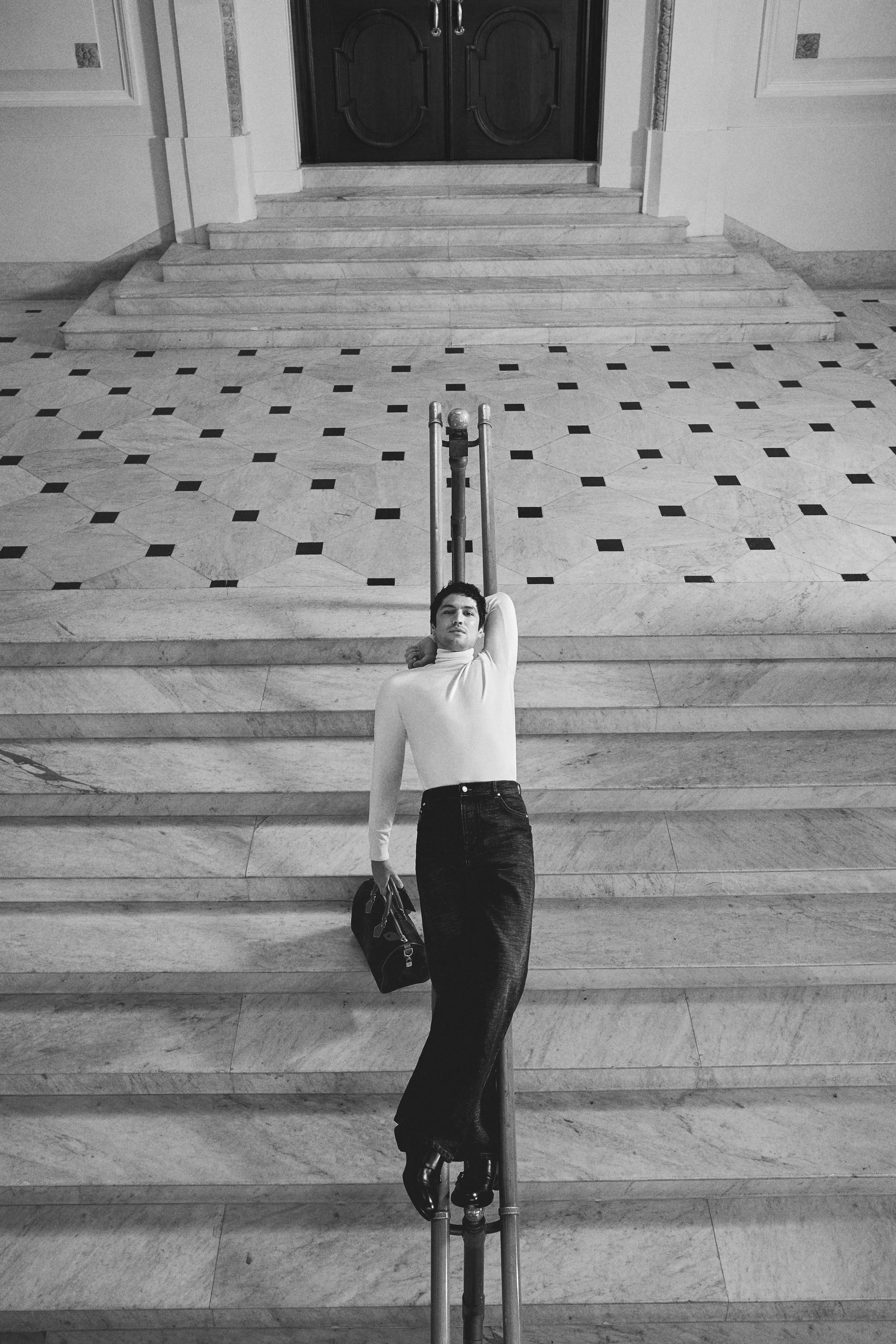
Your career moves across different languages, industries and creative environments. What changes in you when you cross those borders, and what remains exactly the same, regardless of the country or the people you're working with?
The artist I am is the same on any set, in any country, with any character. That's something uniquely mine that I try to bring to every project. At the same time, my Brazilian identity, my Carioca background, my life experiences and everything I've built as an artist all come together. I think that combination is what makes each artist unique.
Before a character ever exists on screen, there's a moment when they begin to take shape within you. What does that first encounter with a new role usually look like? Is there a ritual or creative process you never begin a project without?
The first contact is usually when I read the project and character and imagine myself inside that universe, asking whether it stimulates me and whether there's something I can add. Once I decide to do it, my process begins very much with the physical: finding the character's physical characteristics and feeling them in my own skin. Then come the study and rehearsals. When projects overlap, I have to find ways to switch from one character to the next, sometimes even planning physical changes around the schedule.
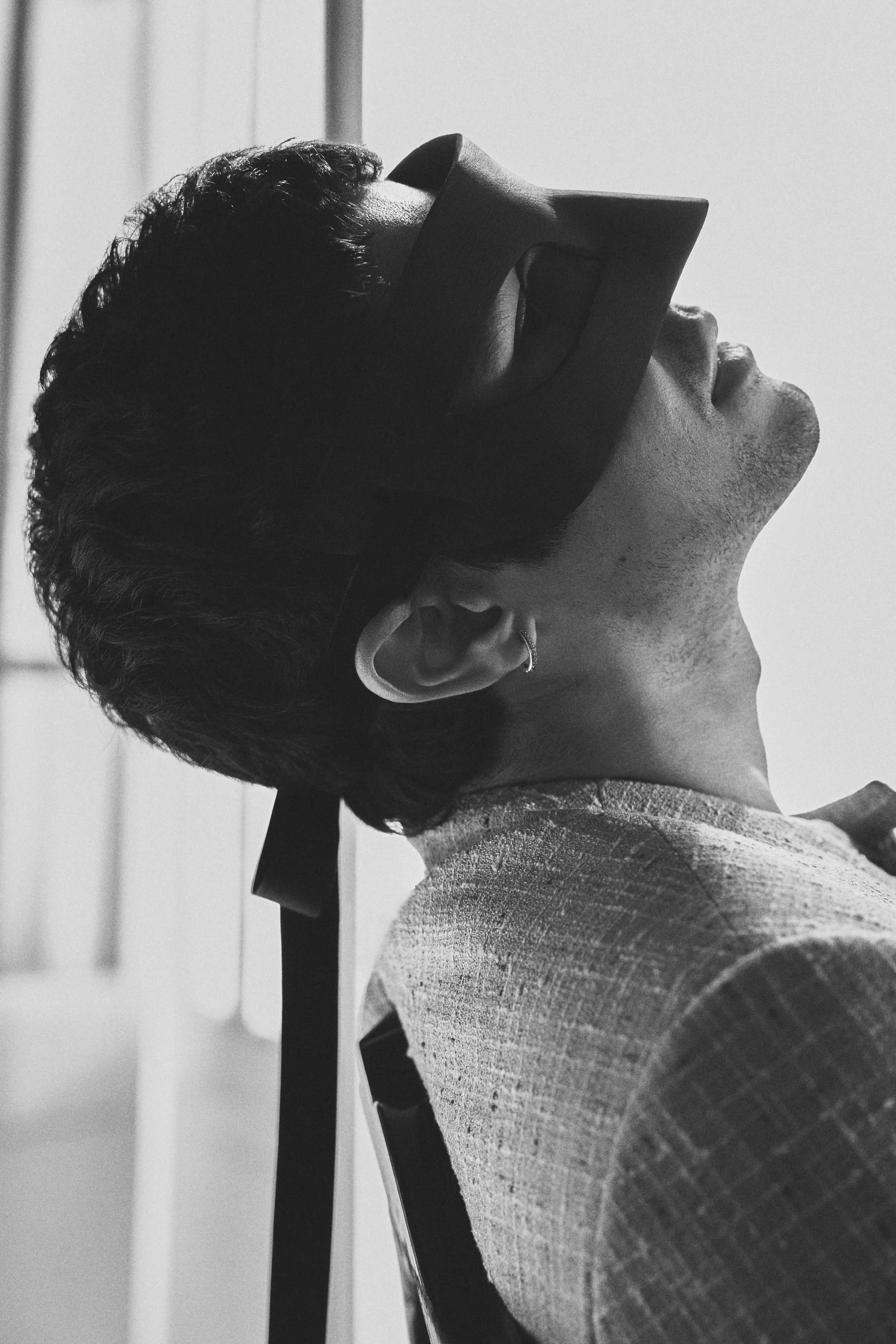
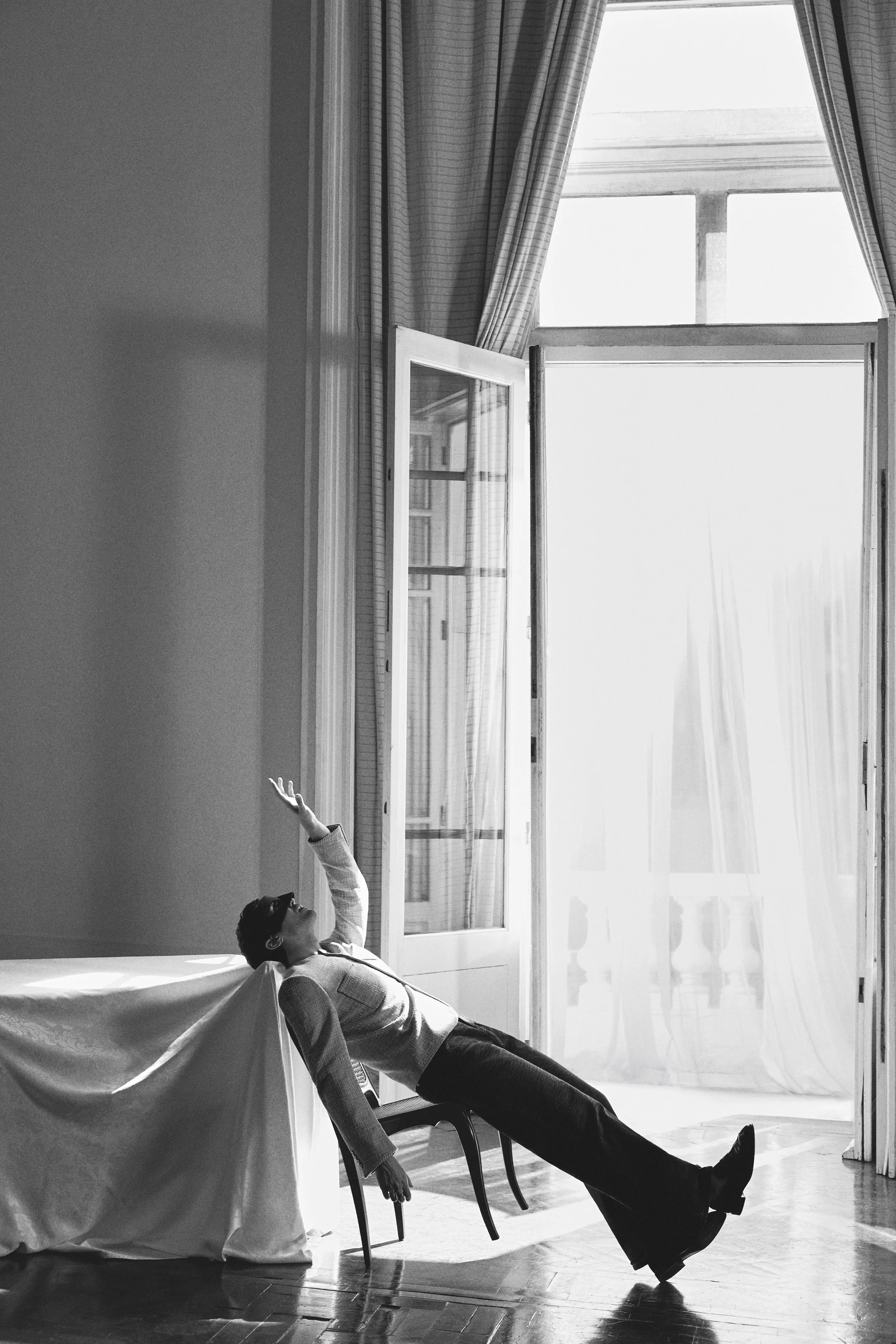
You've reached a point in your career where not every opportunity needs to become a yes. What makes a script or a character go from being an interesting opportunity to becoming an irresistible choice?
It starts with the reading: understanding the story and character, how much they stimulate or captivate me, and whether they offer something new. The artists involved also matter a lot. Sometimes I take on a project mainly because I want to work with a particular actor, actress or director. There has to be something that makes the project worth getting involved in.
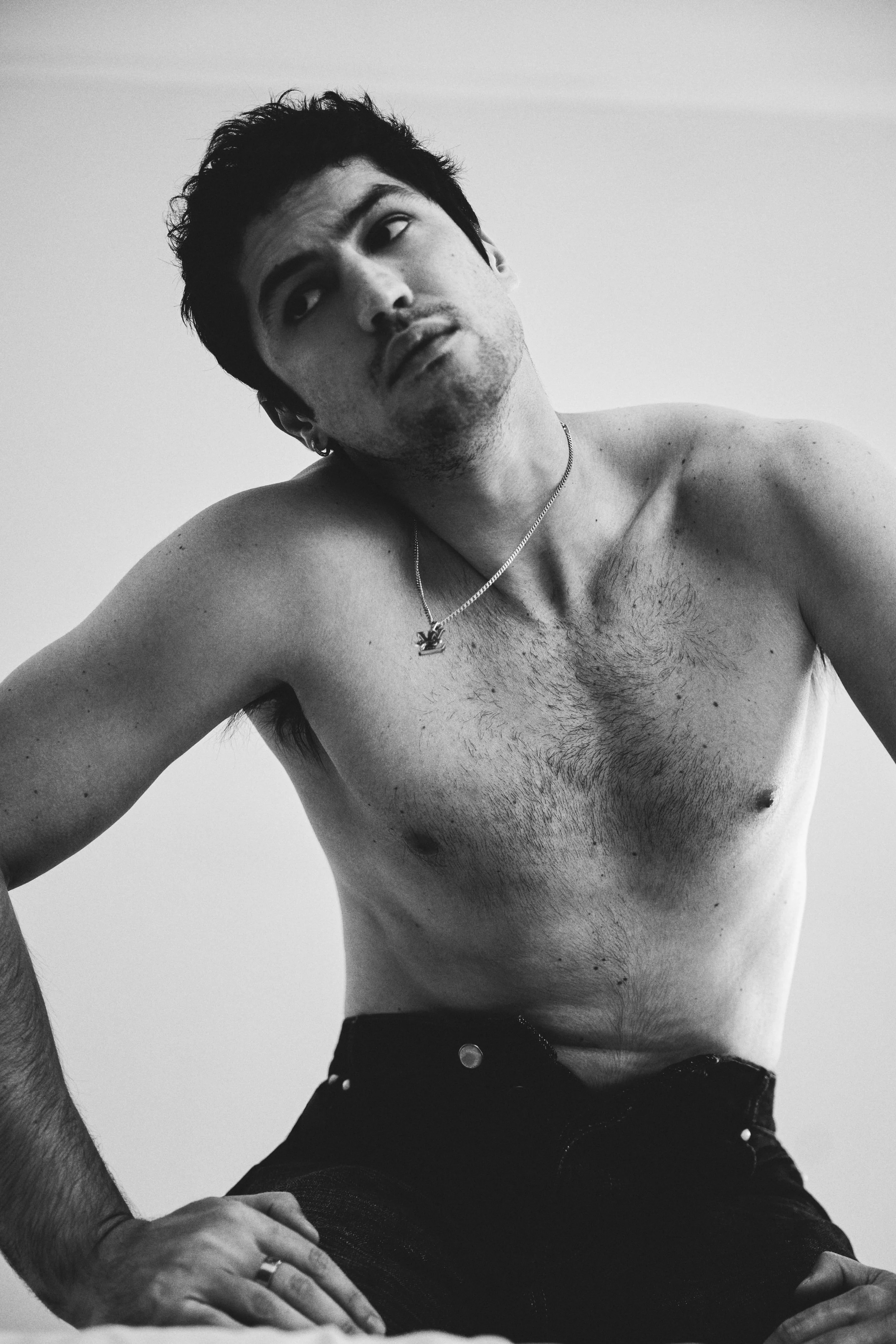
With Véspera, you're not only starring in one of your most ambitious projects, but also stepping behind the scenes as an executive producer. What inspired you to become involved in shaping a story long before stepping onto the set, and has that experience changed the way you see your future in the industry?
Véspera came at a moment when I increasingly wanted to be involved not only as an actor, but in the other aspects of a project as well. As an associate producer, I participated in casting and other decisions, contributed to the script and even directed a few scenes. It was a wonderful and very complete process, especially because I also played twins. It points toward another direction for my career: continuing as a producer, contributing to scripts and working closely with directors, and eventually perhaps directing a project of my own.
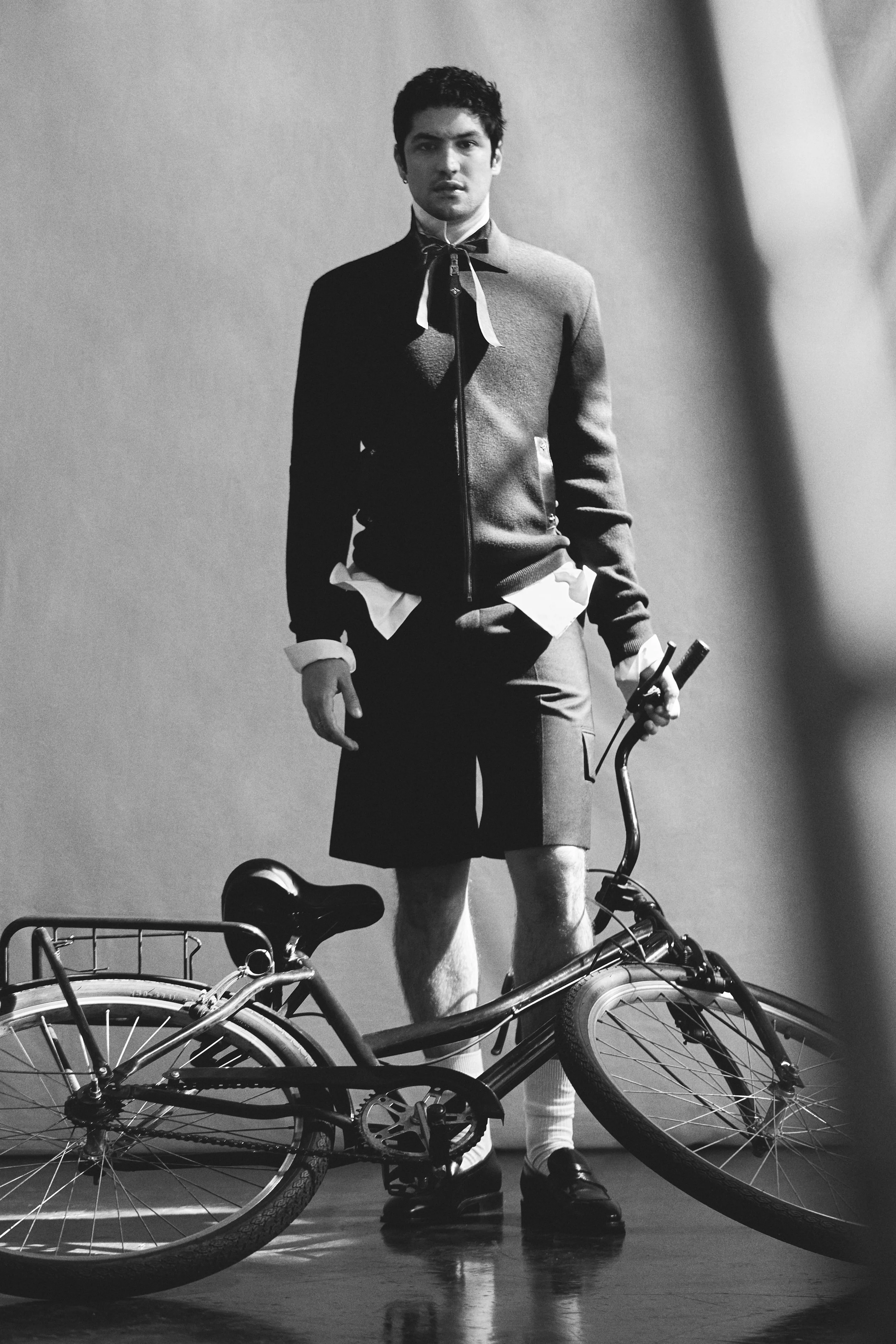
Playing Alfonso de Portago in Ferrari marked your first collaboration with director Michael Mann on a major international production. What did that experience represent for you as an actor? Was there anything about that set or creative process that fundamentally changed the way you approach your craft?
Ferrari came through an audition, as many international opportunities do, and it was a wonderful surprise. It was my first international production with a director I had admired since I was young, so it felt like a dream come true. What makes me happiest is that it happened because of my work. Michael Mann had seen the first episode of Dom, so my body of work brought me to him. His process was an incredible learning experience, full of experimentation and new possibilities. Beyond Ferrari, he became a close friend and remains deeply inspiring to me because of his energy, curiosity and passion for cinema.
Portraying Ayrton Senna meant engaging with the emotional memory of millions of people. How did you find the space to create an authentic performance without simply recreating the image that everyone already knew?
It was probably the greatest challenge of my life because of the expectations surrounding Senna, not only in Brazil but around the world. I knew I had to respect that emotional weight without turning him into a caricature. We worked through subtle physical details, but I also went deeply into his personality: his gaze, speech, energy and essence. I wanted to be a bridge between the audience and his story rather than have people focus only on how similar I looked. For me, it's always a mixture of research, dedication, experimentation and myself — that space in between where I can still make conscious choices.
There's a difference between interpreting emotions and turning them into music. During the creation of Minhas Lágrimas, was there an artistic or personal discovery that you feel only songwriting could have led you to?
Minhas Lágrimas was the realization of a dream. Music has always been a huge part of my life, and I had long wanted to create something of my own. I eventually realized that authorship could also come through interpretation, which connects naturally with my work as an actor. So I chose songs by Brazilian composers I love, many of them less-known works by artists such as Caetano Veloso, Djavan, Ivan Lins and João Bosco. I had a lot of artistic freedom in the arrangements, repertoire, musicians, producers and visual side. I'm also a record collector, so having my own album released on vinyl later this year is another dream coming true.
Looking back at the young man who first stepped onto a theatre stage, is there any advice you wish someone had given you or do you believe some lessons can only be learned by living them? I think some things can only be learned by living them — falling, making mistakes, trying and dealing with your own choices and frustrations. But I would also pass on some advice I received. Consuming art was one of my greatest forms of study: watching theatre and films with a curious, critical eye and learning by observing other artists. And I think knowing when to say no is as important as saying yes. Being conscious of your choices and remaining faithful to yourself and to the artist you are is essential.
Is there a film that is either a personal favourite or has changed you internally, something you would like to share?
I'm going to cheat a little and name four. Hair, directed by Miloš Forman, was the first film that truly moved me emotionally. The Last of the Mohicans, by Michael Mann, connects with my father's influence, my admiration for Mann and Daniel Day-Lewis, and my love of its music. Lavoura Arcaica, by Luiz Fernando Carvalho, is a monumental Brazilian film with unforgettable performances. And Deus e o Diabo na Terra do Sol is especially meaningful to me because I studied design, and its poster by Rogério Duarte is, to me, a work of art.
TEAM CREDITS:
talent GABRIEL LEONE
photography IVAN ERICK
creative direction and styling ALEXANDRE DORNELLAS
hair and makeup GABRIEL GOMEZ
fashion production KAIO BERGUER
executive production Mawé Productions
set design YASMIN PU WAKSMAN
photography assistants GABRIELA TENENBAUM and MARCIO MARCOLINO
set design assistant AMANDA VEIGA
video editing FFLORENCIA
retouching PHILIPE MORTOSA
editor TIMI LETONJA
interview LEANDRO DA SILVA
cover design ARTHUR ROELOFFZEN
special thanks to COPACABANA PALACE, A BELMOND HOTEL
