
IN CONVERSATION WITH LEO SUTER
interview by JANA LETONJA
Leo Suter takes on one of British television’s most iconic detective roles as DI Thomas Lynley in ‘Lynley’, BBC One’s highly anticipated new adaptation of Elizabeth George’s bestselling novels, premiering this February. As a brilliant investigator marked by his aristocratic background, Leo brings emotional nuance and modern complexity to a role already being hailed as a worthy successor. Alongside his screen work, he continues to command the stage and big screen, cementing his reputation as one of the UK’s most versatile actors.
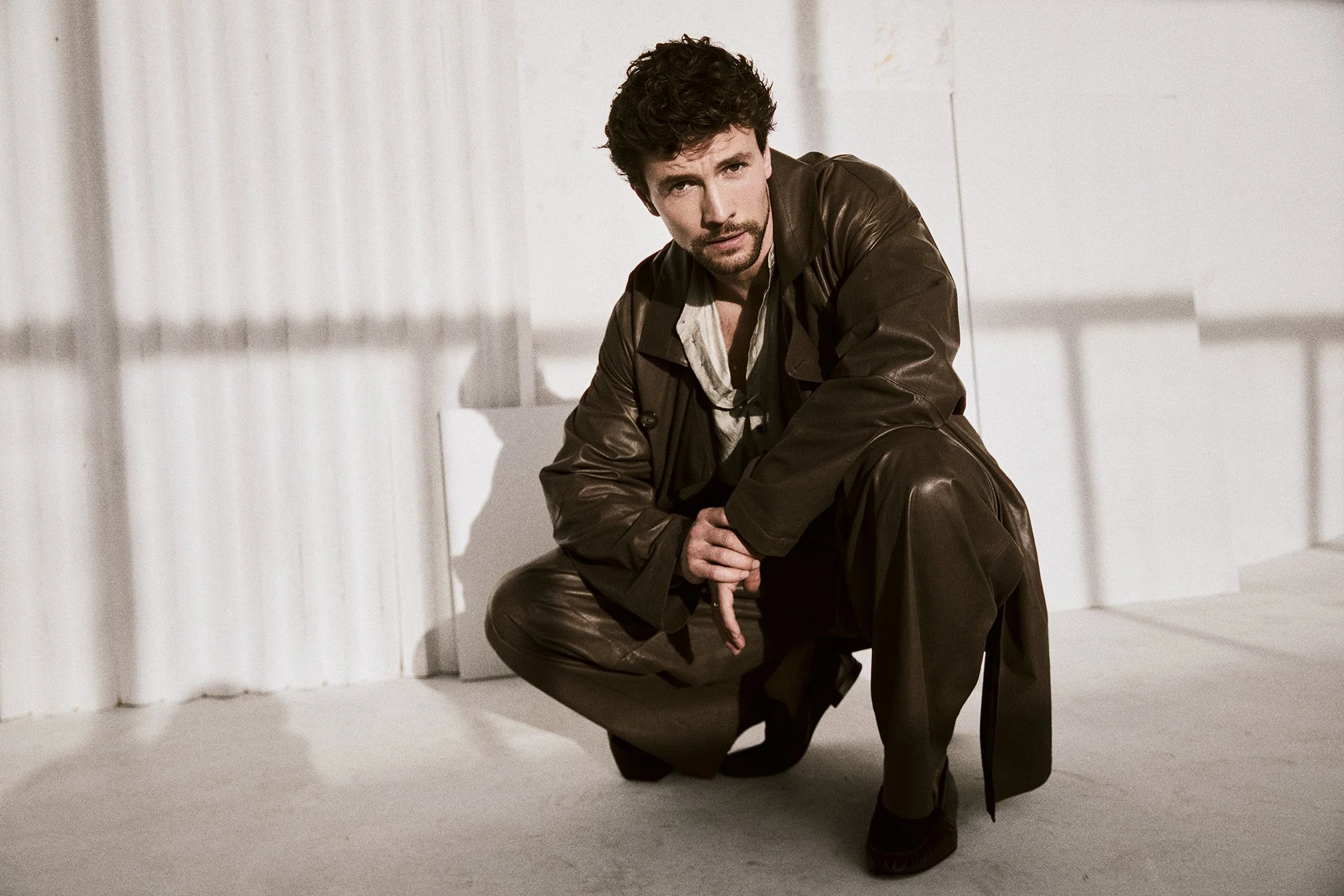
full look GIORGIO ARMANI
‘Lynley’ carries a lot of legacy. What excited you most about stepping into such an iconic role?
It’s a real privilege to get to play a role like Lynley. When the previous series ended 17 years ago, there were campaigns to get it back. Joining a show that already has a devoted following gives you confidence that the source material you are working from is really strong. You feel like you have a bit of a head start. That brings with it a responsibility to do justice to the previous work that has gone before you as wel. Hats off to Nathanial Parker and Sharon Small for first introducing Elizabeth George's characters to the screen. It felt very exciting to be bringing this beloved detective back to life and into modern British society. I hadn’t played a detective before in my career, and it’s such a fun role for an actor to play. You get to drive around in a snazzy sports car, wearing a sharp suit, and be the one to figure out the crime and bang up the bad guy.
DI Thomas Lynley is both privileged and an outsider. How did you approach navigating those contradictions?
I don’t think they’re necessarily contradictions. It’s the fact that Lynley is this son of an earl that makes him an outsider within the context of a modern, rural police force. It’s a strange position for Lynley to find himself in, and certainly not the conventional career for someone of his background. I had good discussions with our director Ed Bazlegette about the fact that a modern Lynley would not be quite so brazen about his aristocratic roots, otherwise he would have been laughed out of the station. He doesn’t want to make a big song and dance about it, but it’s his spiky sergent, Havers, who draws it out of him. It’s wonderful as an actor to have a role with great depth and an interesting backstory and heritage to dive into. Lynley’s privileged background needs to effortlessly ooze out of him because Lynley’s prime focus and overriding objective is to see justice done.
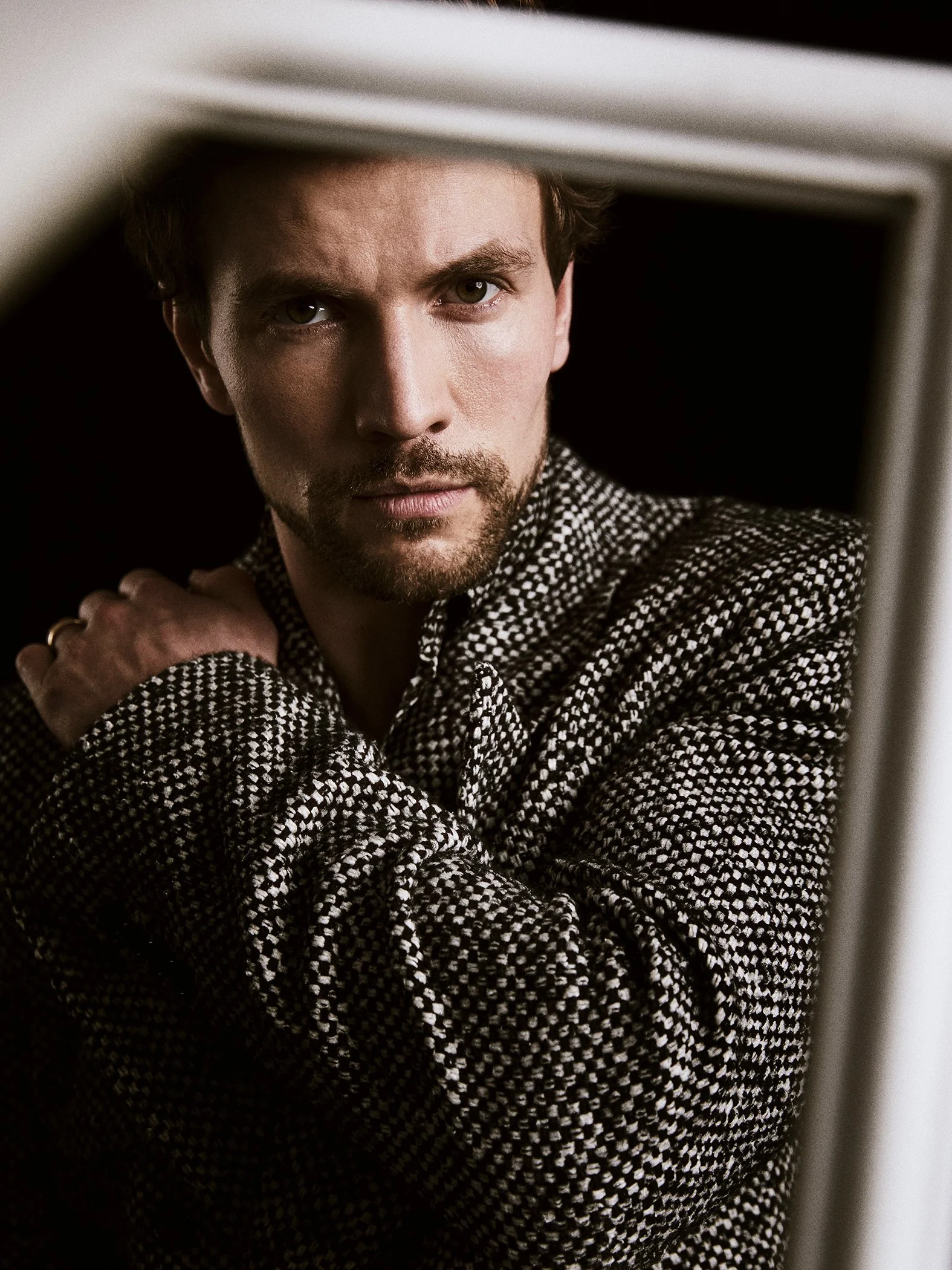
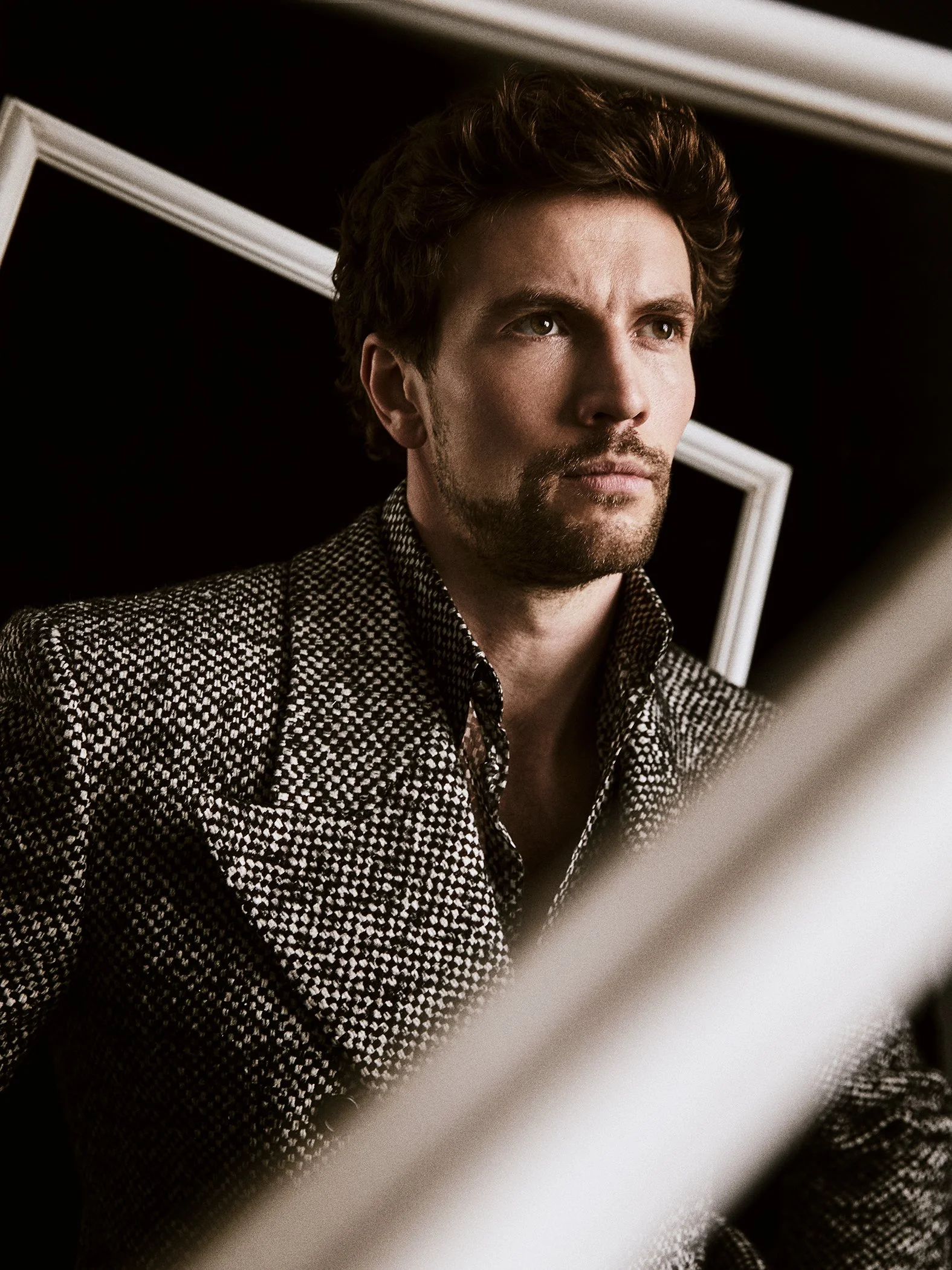
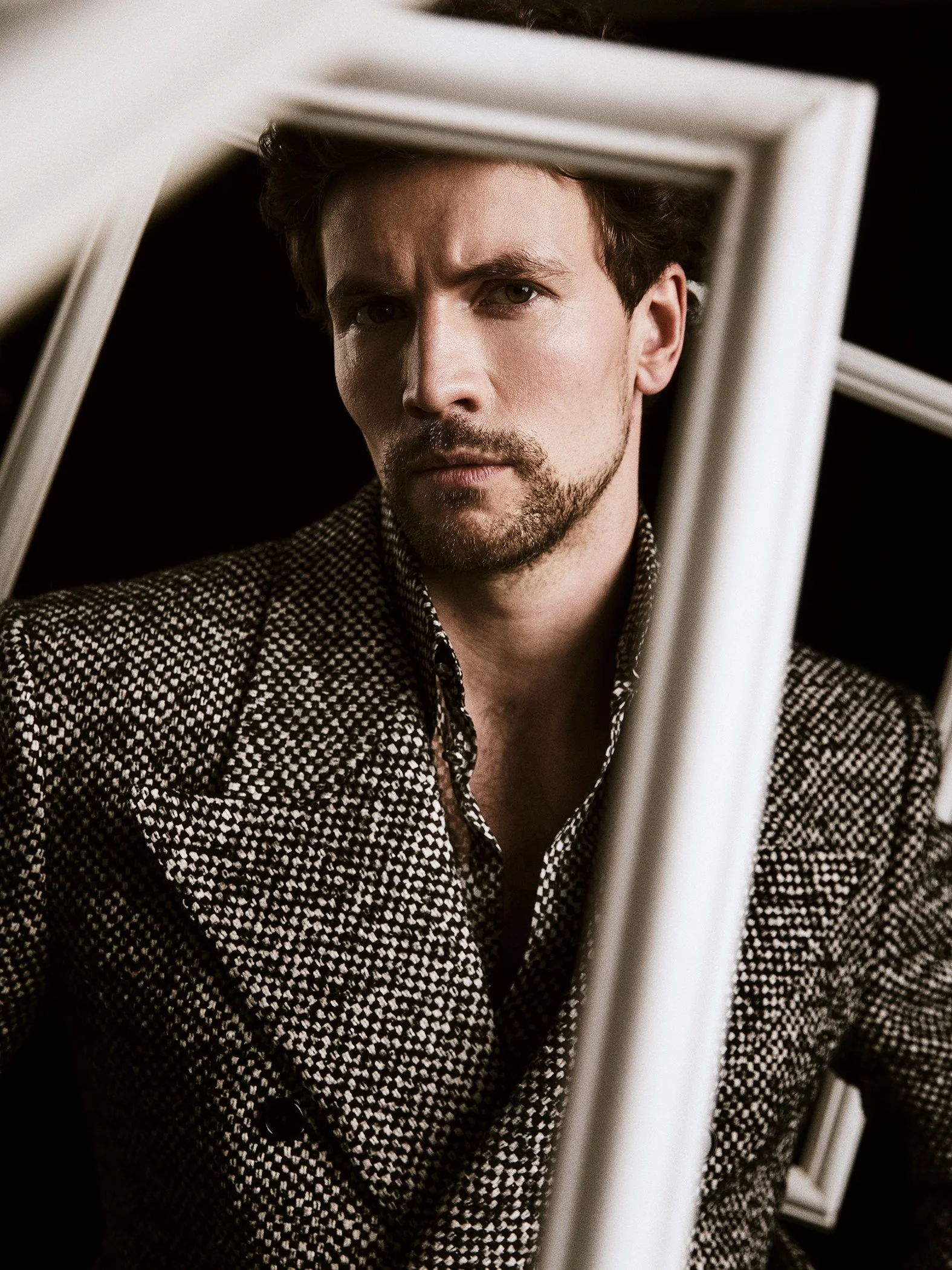
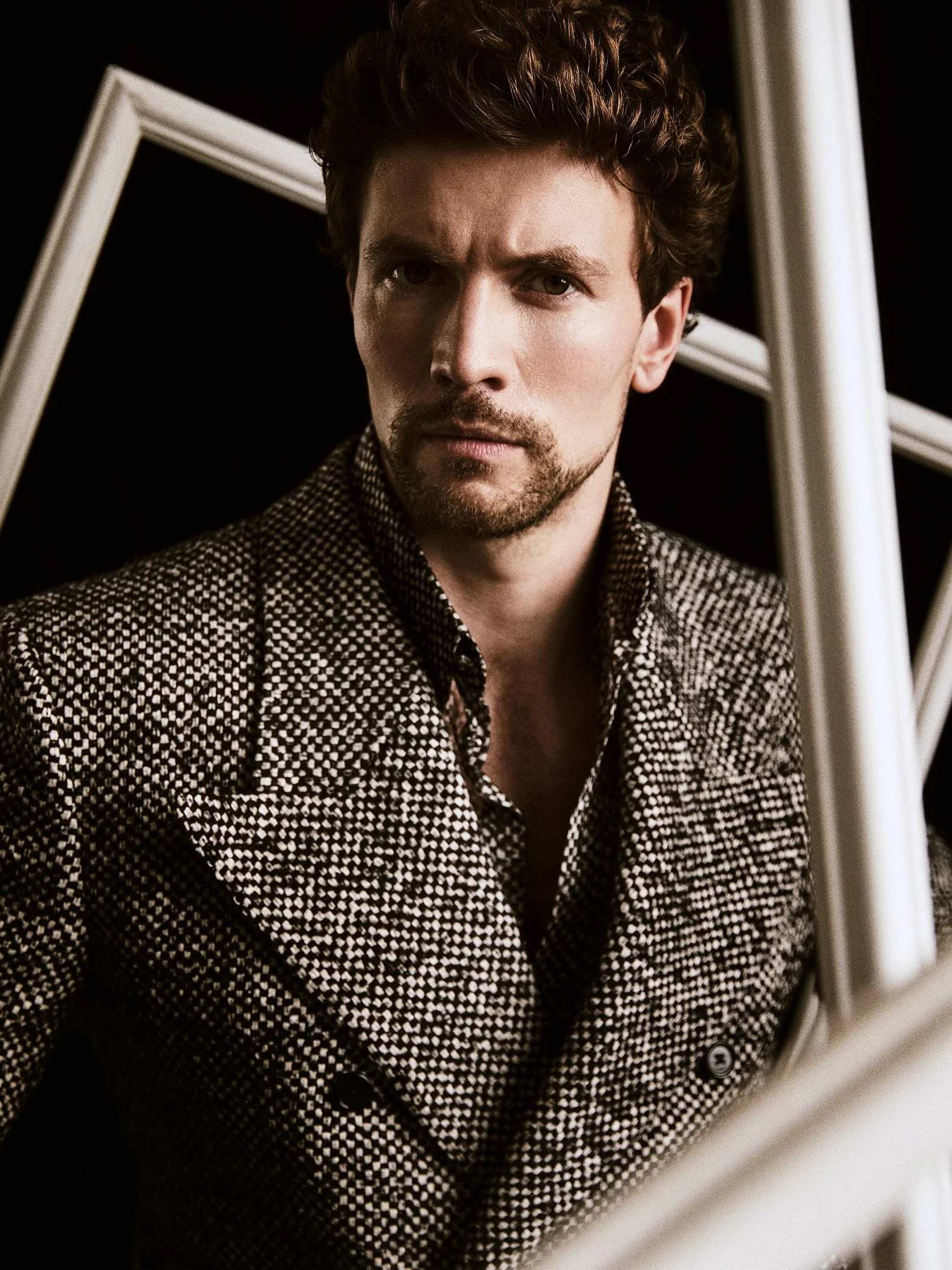
full look DOLCE & GABBANA
What felt most important to preserve from Elizabeth George’s novels, and what did you want to reimagine?
Elizabeth George does a brilliant job creating two compelling characters with vastly different backgrounds, throwing them together in difficult circumstances and watching the sparks fly as they battle and bicker, but together, get to the truth. That central conflict between the detective and his sergeant is so brilliant in the books, and clearly essential to maintain in our show. It was 1988 when the first Lynley book was published, so one of the exciting things is bringing these characters into modern Britain. I think it’s going to be really exciting for fans of the original show to see how that class conflict, the central dynamic between Havers and Lynley, plays out in the context of British society in 2026.
Class is still an indelible part of modern British society, but I do think it has changed over the past 40 years. During that time, Margaret Thatcher lost her premiership, then we had three New Labour governments, as well as the financial crash of 2007, followed by years of austerity, Brexit and a cost of living crisis. All of that has had an impact on the way we think about class, which makes for an interesting context in which to find our aristocratic detective.
The other thing that comes across so strongly in Elizabeth George's novels is her love for Britain and its beautiful landscapes. The Wicklow countryside, just south of Dublin, does an impressive job doubling-up as rural England, and we also have some beautiful drone shots of rolling British countryside for viewers to enjoy.
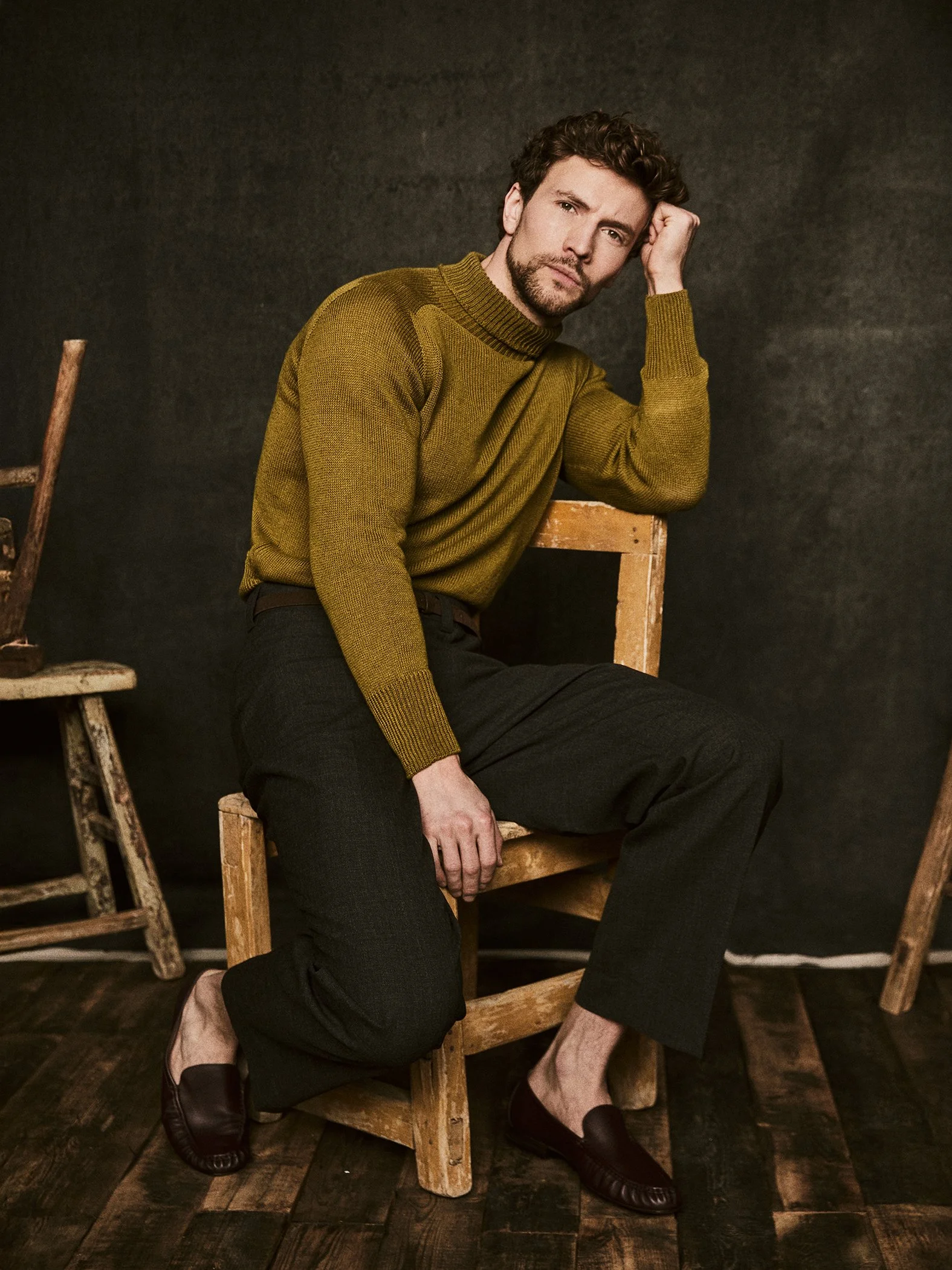
knit and trousers MARGARET HOWELL
loafers MANOLO BLAHNIK
The dynamic between Lynley and Barbara Havers is central to the series. How did you build that chemistry with Sofia Barclay?
Yes, that mismatch between Lynley and Havers is really central to the show, Lynley’s aristocratic, privileged background coming up against Havers’ working class roots. It was great fun to play those sorts of scenes with Sofia Barclay, where these two characters can really get under each other’s skin. It’s always compelling to watch two characters, each with total conviction in their beliefs, challenging and holding each other to account. Sofia is a brilliant actor and a great sparring partner for those moments. She is a wonderfully warm and kind person which actually really helps for those antagonistic kinds of scenes, because you feel able to push these characters to the edge, knowing that there is a solid friendship and partnership, actor to actor, at the foundation of the scene. I think we really quickly found our chemistry, simply by dint of being in lots of scenes together and having to learn quite so many lines. Filming four, ninety-minute episodes on the bounce is a bit of an endurance test, and it was great to go through it with someone as brilliant and bright-spirited as Sofia.
The series returns after a 17-year absence. Did you feel pressure, or freedom, in reintroducing the character to a new generation?
I was busy in primary school when the first ‘Lynley’ series aired on BBC, so I missed it when it first came out. I think that probably helped me to not feel too much pressure, per se, in stepping in Nathanial Parker’s footsteps as the new detective. That being said, when I got the part and began to discover how popular the show used to be and how loyal a fan-base it commanded, I did feel a responsibility to do justice to the part. When you’re re-booting a show, though, I think it’s really important to bring your own, fresh perspective to the role. Trying to do a carbon copy of what came before would be a mistake, so I did lean into that feeling of freedom, knowing that I, as Leo, was going to bring something unique to this iteration of the character for a modern audience to enjoy.
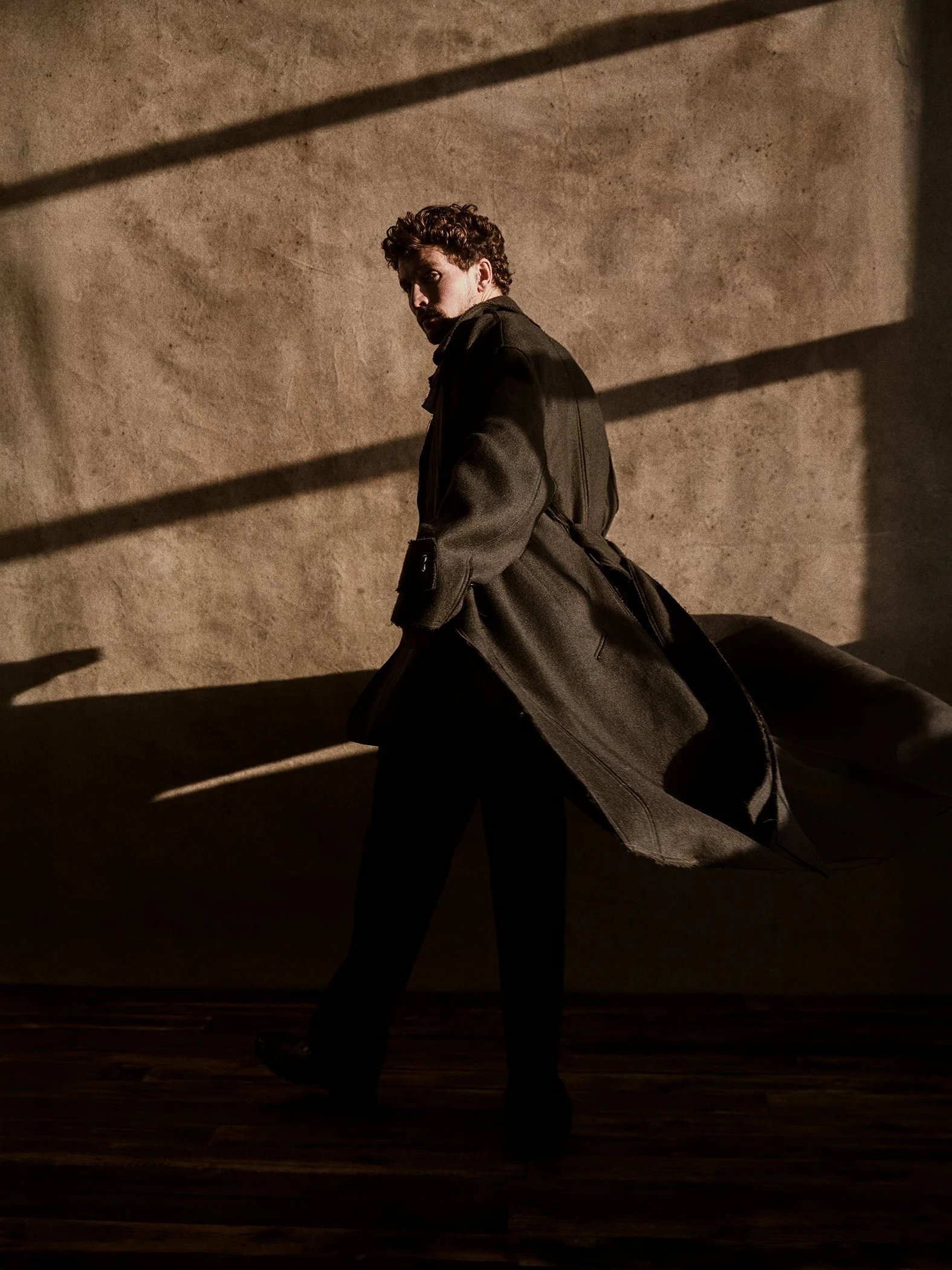
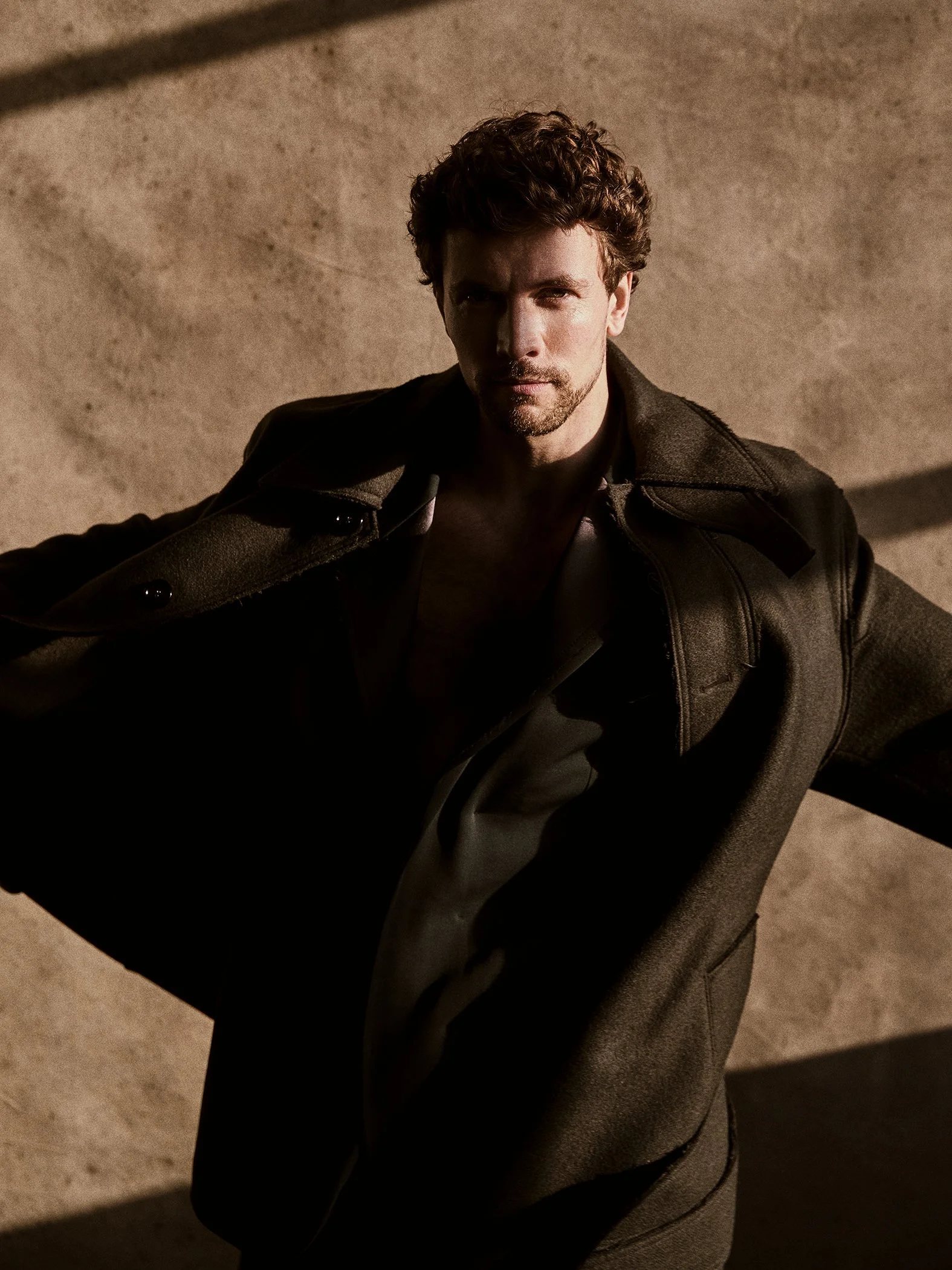
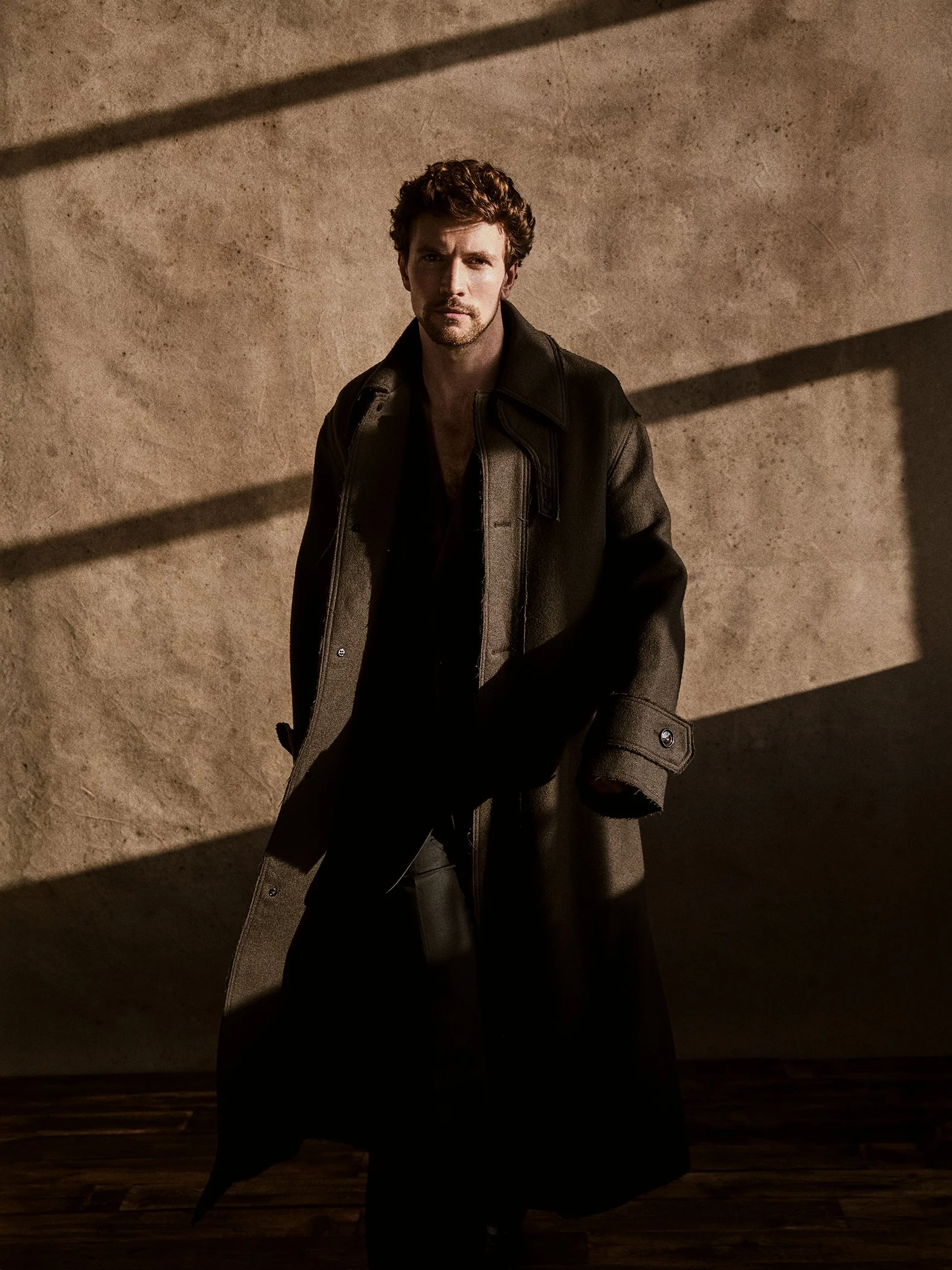
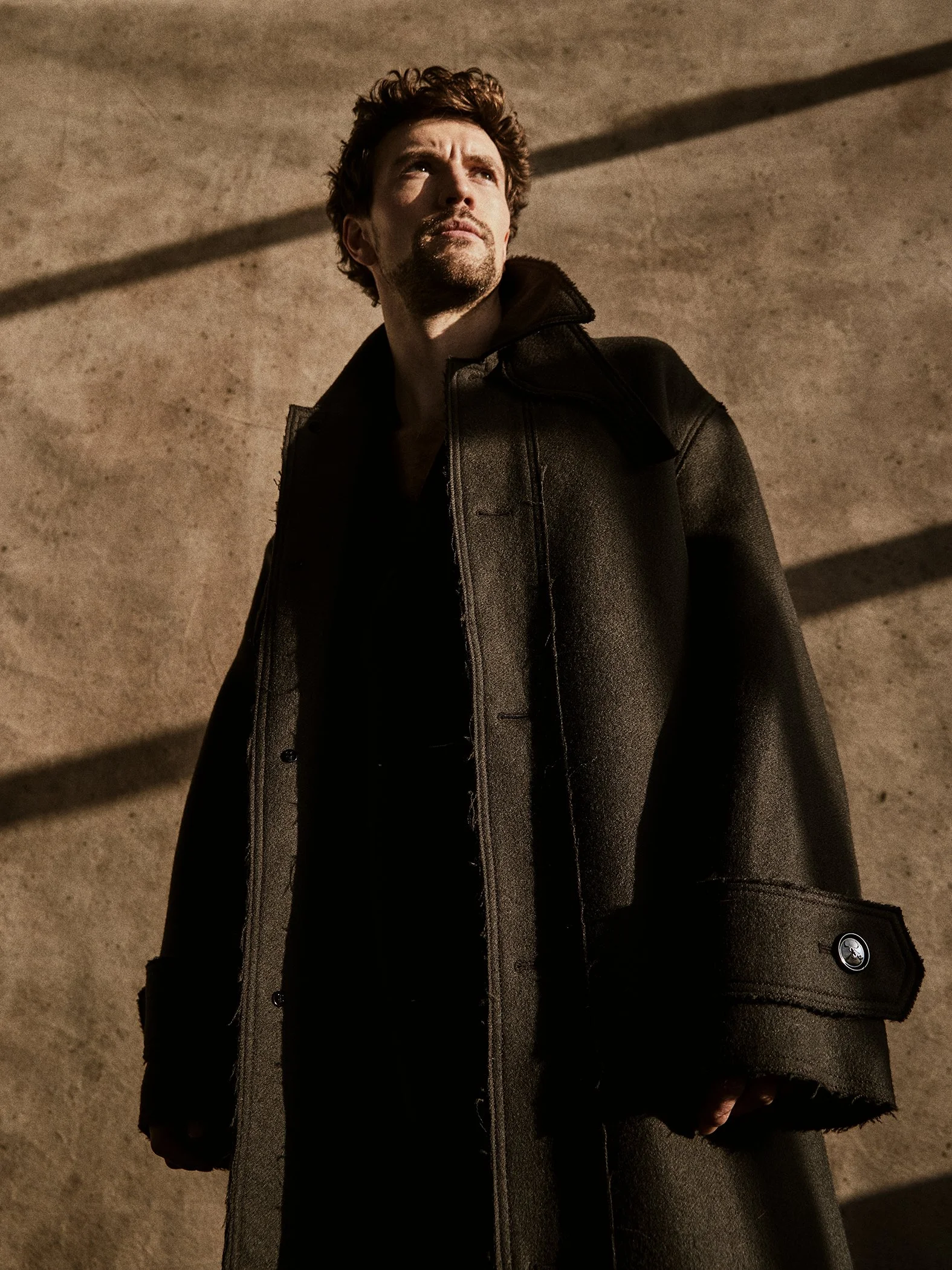
full look AMI PARIS
You recently performed on stage in ‘The Line of Beauty’. How does theater feed into your screen work?
Going back to the theatre to perform ‘The Line of Beauty’ at the Almeida in London was really special. We had a fantastic cast and a brilliant director in Michael Grandage. The wonderful thing about acting on stage is that it’s an unfiltered process. There’s no editing or postproduction to get in the way of the performance you give and the performance the audience receives. I found that really exciting and energising. I got into acting because I loved doing plays at school and at university, so it felt important for me to go back into the theatre. In that sense, I feel it probably invigorates my screen work.
When doing a play, you also have the luxury of a significant rehearsal process, which just doesn’t really exist in the same way when you’re shooting a TV show. But it's such a rewarding process. I loved working with Michael Grandage and found him to be such a font of knowledge and expertise. I hope some of that detail carries over into my screen work too.
After leading ‘Vikings: Valhalla’, how did stepping into a quieter, psychologically driven role feel?
Certainly, there were a lot fewer wrestling sequences, and bare cheated battle cries for Inspector Lynley. Funnily enough, a lot of our crew had worked on ‘Vikings: Valhalla’ with me, so we often shared a laugh about the fact that I had graduated from riding around on horse-back to driving around in a Jensen Interceptor instead.
But yes, it was wonderful to play the pensive detective. Part of Lynley's aura is that he can dominate a room quietly, he doesn't need to scream and shout to get his point across. There is something really thrilling, too, about being the titular character who holds the hand of the audience through a complicated, knotty plot, pulling together all of the clues along the way. That’s a special relationship to enjoy as an actor.
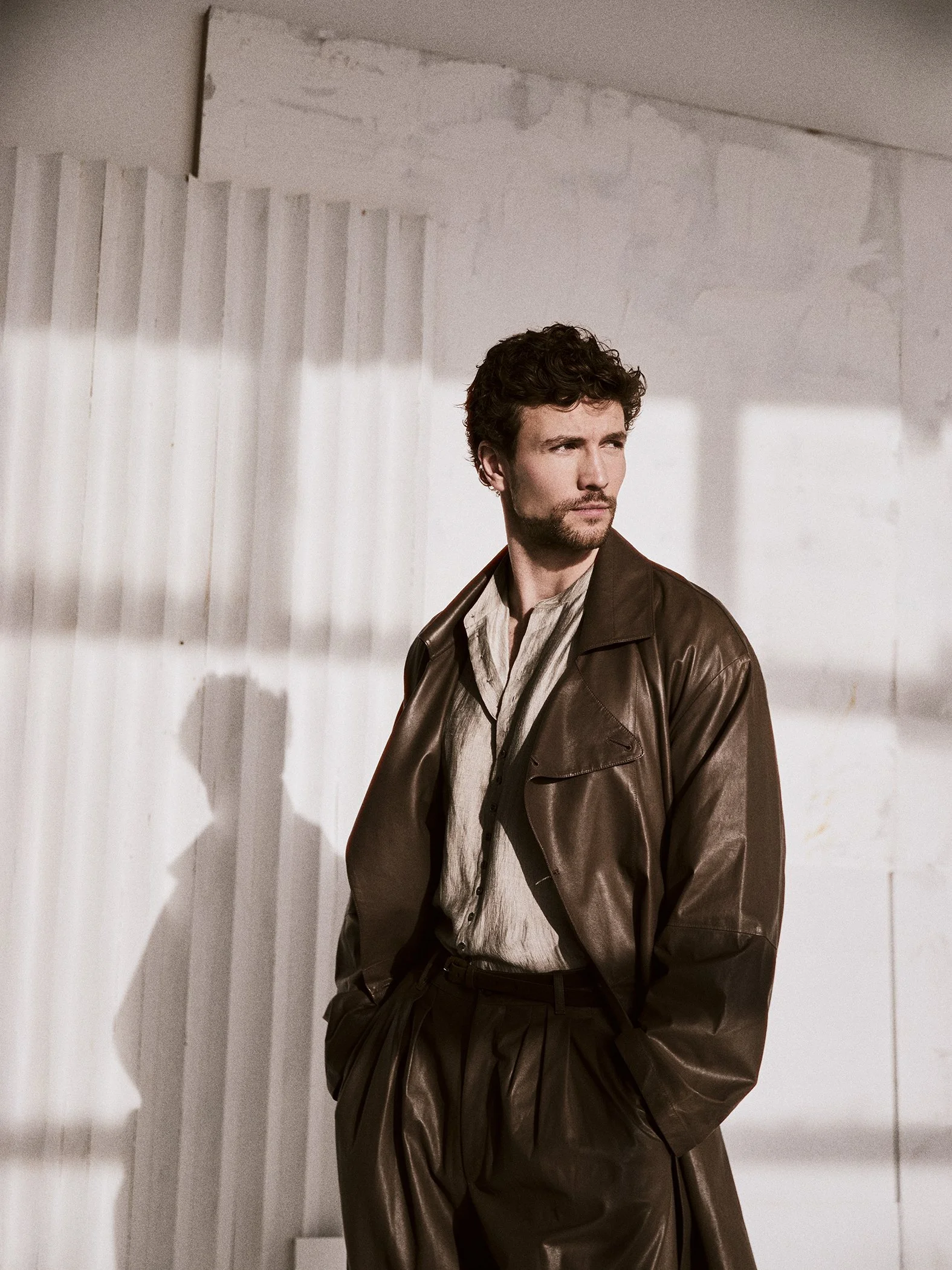
With projects ranging from detective drama to a Bollywood-inspired musical like ‘Christmas Karma’, how do you choose such varied work?
It’s an eclectic mix. I really enjoy that element of an actor’s life, going from one project to another and getting to play vastly different characters in vastly different universes. I was probably conscious of not wanting to be typecast as a viking after playing Harald Hardrada for three seasons on Netflix. So begrudgingly, I chopped off the beard and hair, and pulled myself back into the 21st century. And since then, I’ve been lucky to play a really wide range of roles.
How do you protect curiosity and risk-taking while working within well-known IP?
Fortunately, everything we need as actors is in the scripts. Steve Thompson does a brilliant job of adapting Elizabeth George’s novels into television episodes, so he really does a lot of that work for us. But I think like anything, not just working in the realms of well known IP, curiosity and risk-taking come from being in an environment where you feel comfortable and confident enough to be bold and make active choices. We had a brilliant cast and crew and wonderful directors who made all that possible. It’s useful to remember as well that you know your character better than anyone else, and to take ownership in that fact.
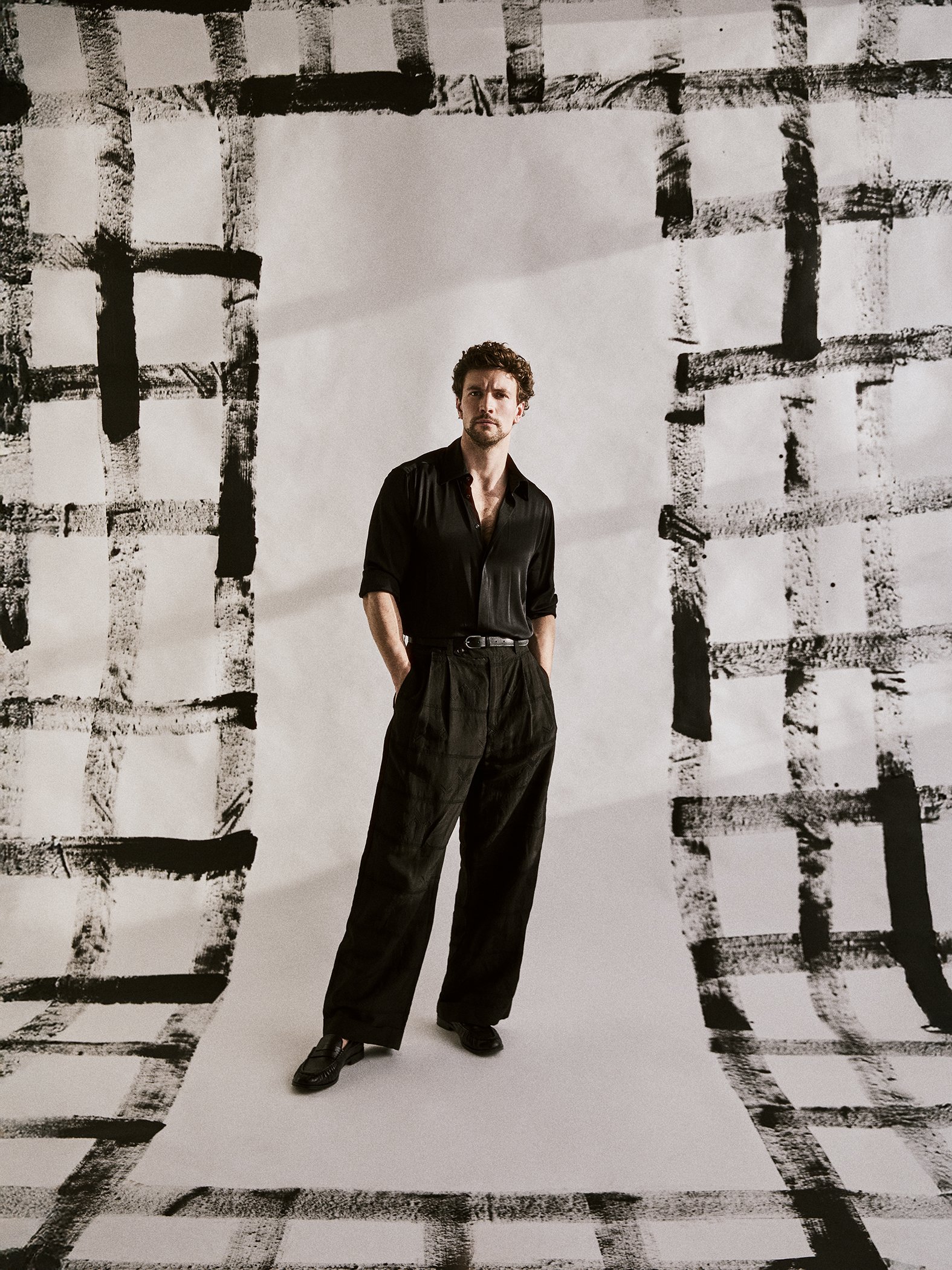
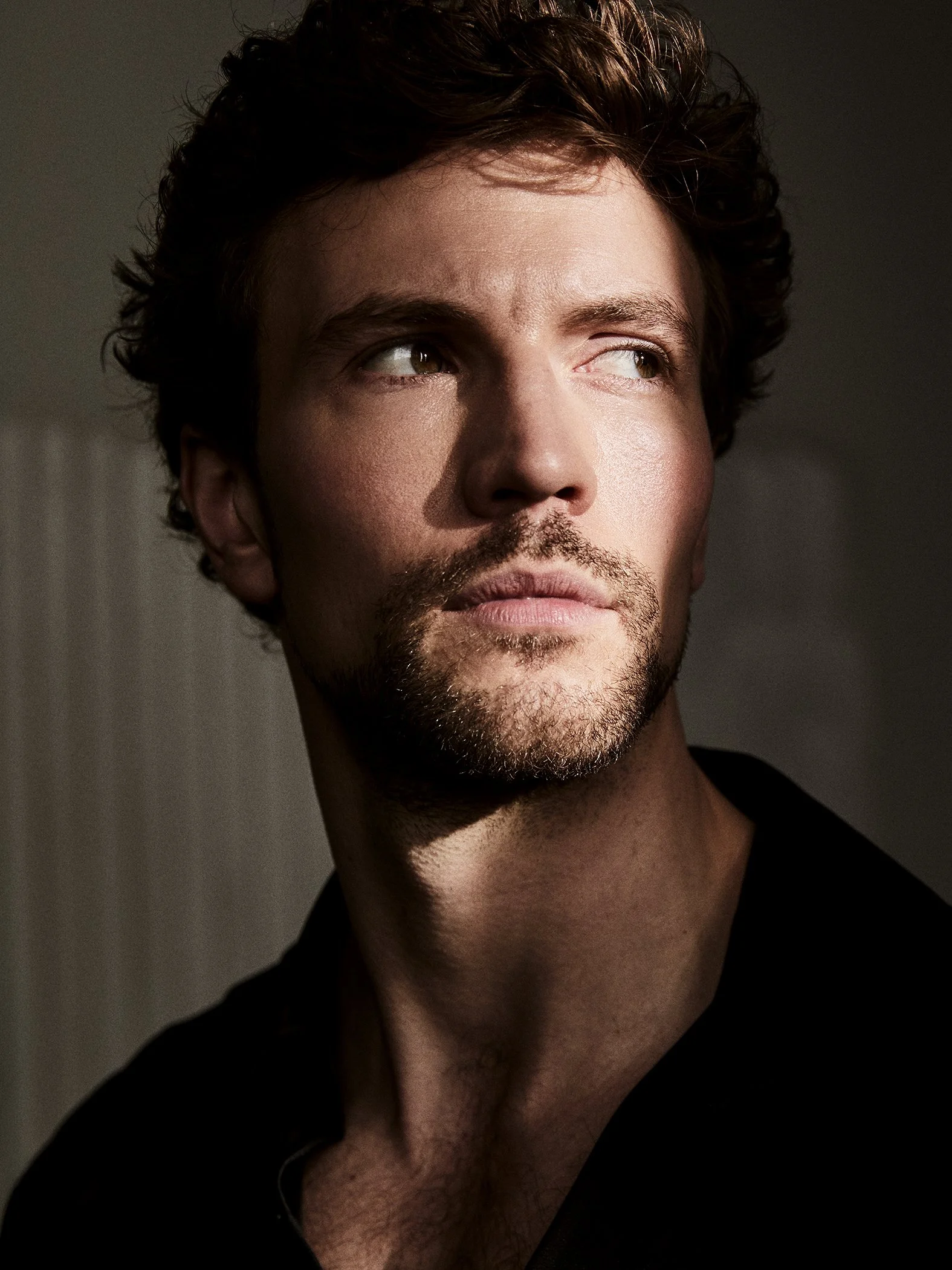
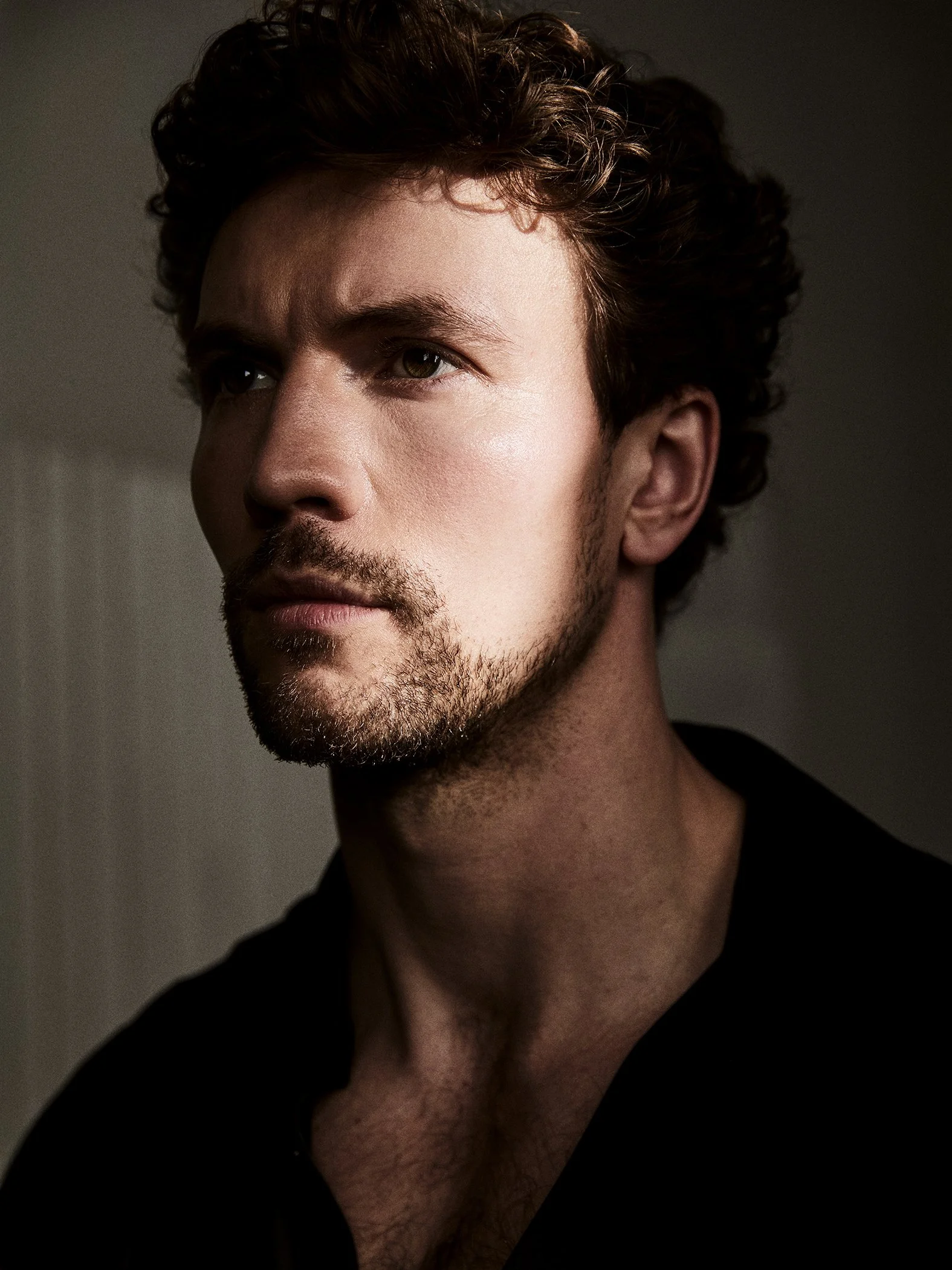

full look GIORGIO ARMANI
What do you hope longtime fans, and first-time viewers, take away from this new Lynley?
I really loved getting the opportunity to play Lynley. I admired him as a character. He's in it for all the right reasons and determined to see the right thing done. I can see why longtime fans fell in love with him in the first place and I hope new audiences fall for him too, the same way I have.
TEAM CREDITS:
talent LEO SUTER
photography DAVID REISS
styling GRACE GILFEATHER
hair and makeup MICHELE BAYLIS
photography assistant STEFANIA CARLI
styling assistant ELENA GARCIA
editor TIMI LETONJA
editorial director and interview JANA LETONJA
