
IN CONVERSATION WITH LUNA
interview by FRANCESCO PIZZUTI
Polish singer and songwriter Luna Wielgomas, known mononymously as LUNA, just released her latest album Fairy Pop, and it is a true artistic self-declaration. Deeply inspired by nature, astrology, and that almost adolescent fantastical sense of wonder, her music is uplifting magic in a tune. After establishing herself in Poland with her first album Nocne zmory, and later internationally with her second body of work No Rest, as well as with her participation at Eurovision, she has just now found her true voice with Fairy Pop. With us, she discussed the beauty of world-building, belonging, artistic evolution, being a virgo, and, of course, the moon.
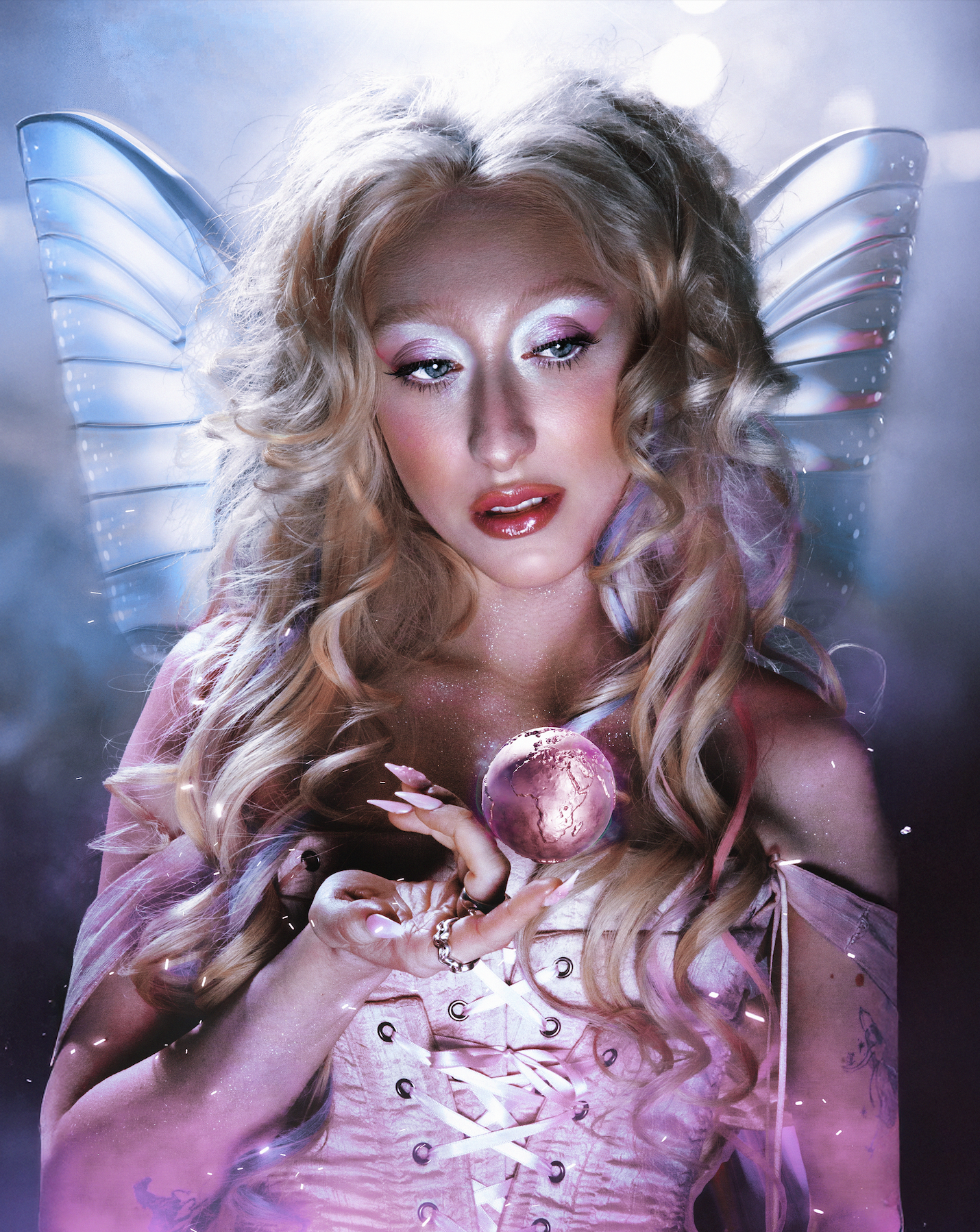
For people who are just discovering your music, who is LUNA? When did this artistic journey begin, and when did you realise you wanted to build such a specific world around your music?
LUNA is the fairy of pop music. I'm Luna because I love the moon — I'm from the moon. I've always felt connected to something beyond being fully human, like I'm half-human, half-magical fairy creature who arrived on this planet to create something. My motto is, I create magic, not music, and that's what I'm always trying to do.
I want to build more than songs. I want to create a whole universe, a safe place where people can find a little more magic, a little more love, and enjoy reality in a different way. That's who I am as an artist.
I've been making music and performing my whole life, but this is the first time I truly feel like myself. With this album, I can finally be the fairy, be this creature I've always felt I was. That's why it really feels like my debut.
Fairy Pop is your debut album as an independent artist, which makes it feel like both a fresh beginning and a statement of identity. What did going independent allow you to express that perhaps wasn't possible before?
Going independent gave me complete freedom, and that's the most important thing for me as an artist. I wish I'd always been independent.
I'm from Poland, and I was signed there, so a lot of what I created — how I looked, what I wrote, even my artistic persona — wasn't fully me. I still had to record and make music in Polish until I moved to London two years ago.
Now I can walk into the studio and fully express my vision. I can have all these crazy ideas without thinking, "Actually, I can't do that." I can just be myself. When I'm free, my voice is free too. I know exactly what I want to say and what I want to create. Everything flows naturally, and that's such an amazing feeling.
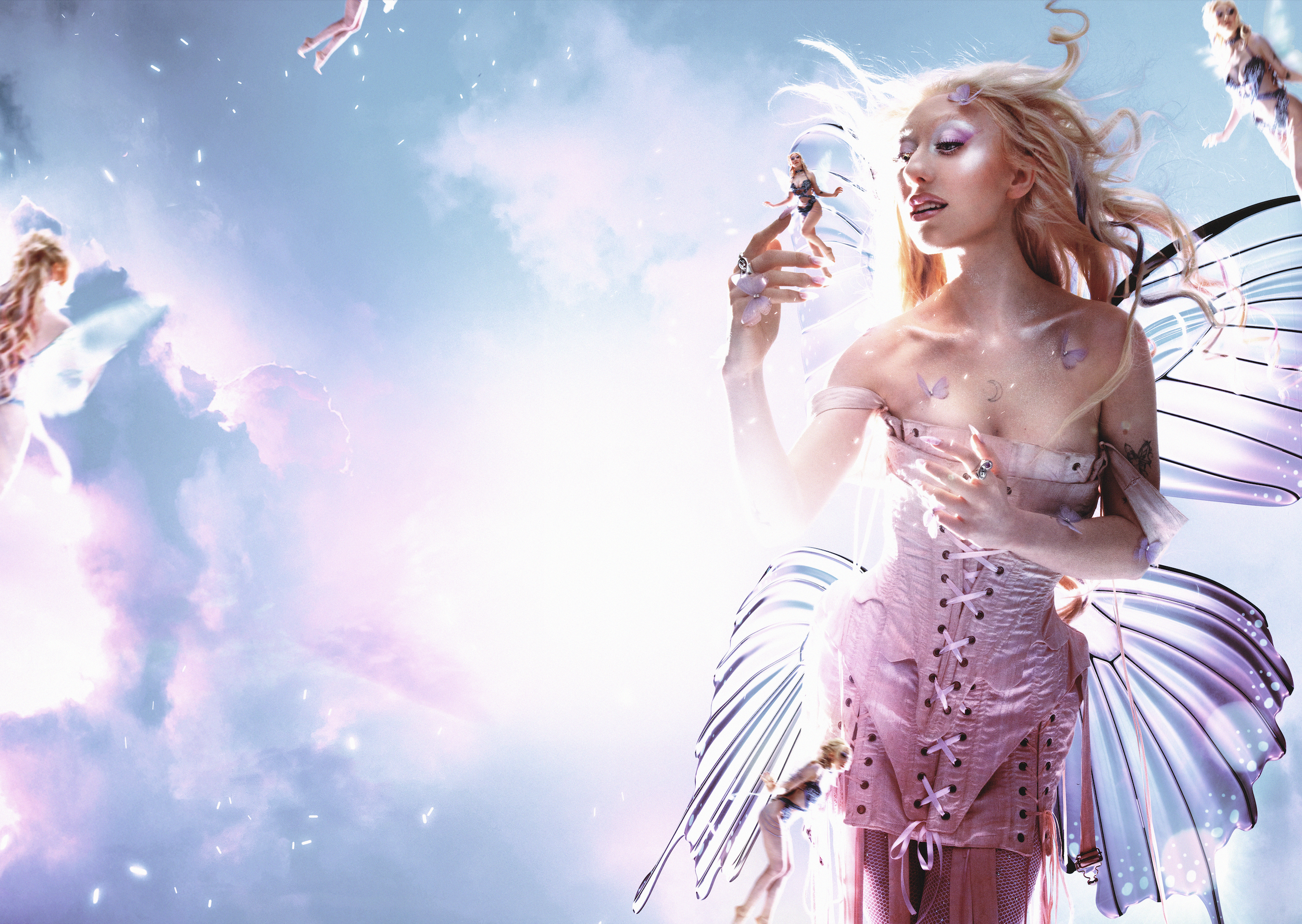
Your album's universe feels incredibly cinematic and immersive. Who are some of your biggest influences — not just musically, but also in film, literature, fashion or art? Are there any artists or storytellers who've shaped you aesthetically or even more spiritually, so to speak?
This album is very dream-driven. I'm inspired by dreams, astrology and spirituality because I'm a very spiritual person. Visually, it's inspired by fairy tales. I wanted every song to feel like its own little fairy tale, but one that balances light and darkness. They're not just bright, pink and happy — there's always some ambiguity.
I'm also inspired by poetry. But I wouldn't say there was one specific film, designer or artist that shaped this album. It was more about expressing a feeling I've carried inside for most of my life.
I've always felt like I was a fairy. I felt like I had wings, just on the inside instead of the outside. This album gave me the perfect opportunity to finally wear them.
Astrology seems to play an important role in your world-building and in the mythology surrounding LUNA. I saw you're a Virgo — I'm one too. Has astrology genuinely influenced the way you see yourself and create, or is it more of a symbolic language within your work?
Astrology really inspires me visually. I love looking at the moon and the stars — they're so beautiful, and they always spark my imagination.
For me, astrology is also a nice tool to understand yourself a little better. You don't have to believe in it too much for it to be meaningful. I've never really felt like I belonged to one specific place. That's why I always say I'm from the moon. I don't really feel like anywhere is my home.
Astrology reminds me that everything is connected — all the planets, all the stars. It makes me feel like I'm part of something much bigger. That's also what I try to show in my music. There are so many different realities. You can close your eyes, use your imagination, and suddenly you're somewhere else, on another planet.
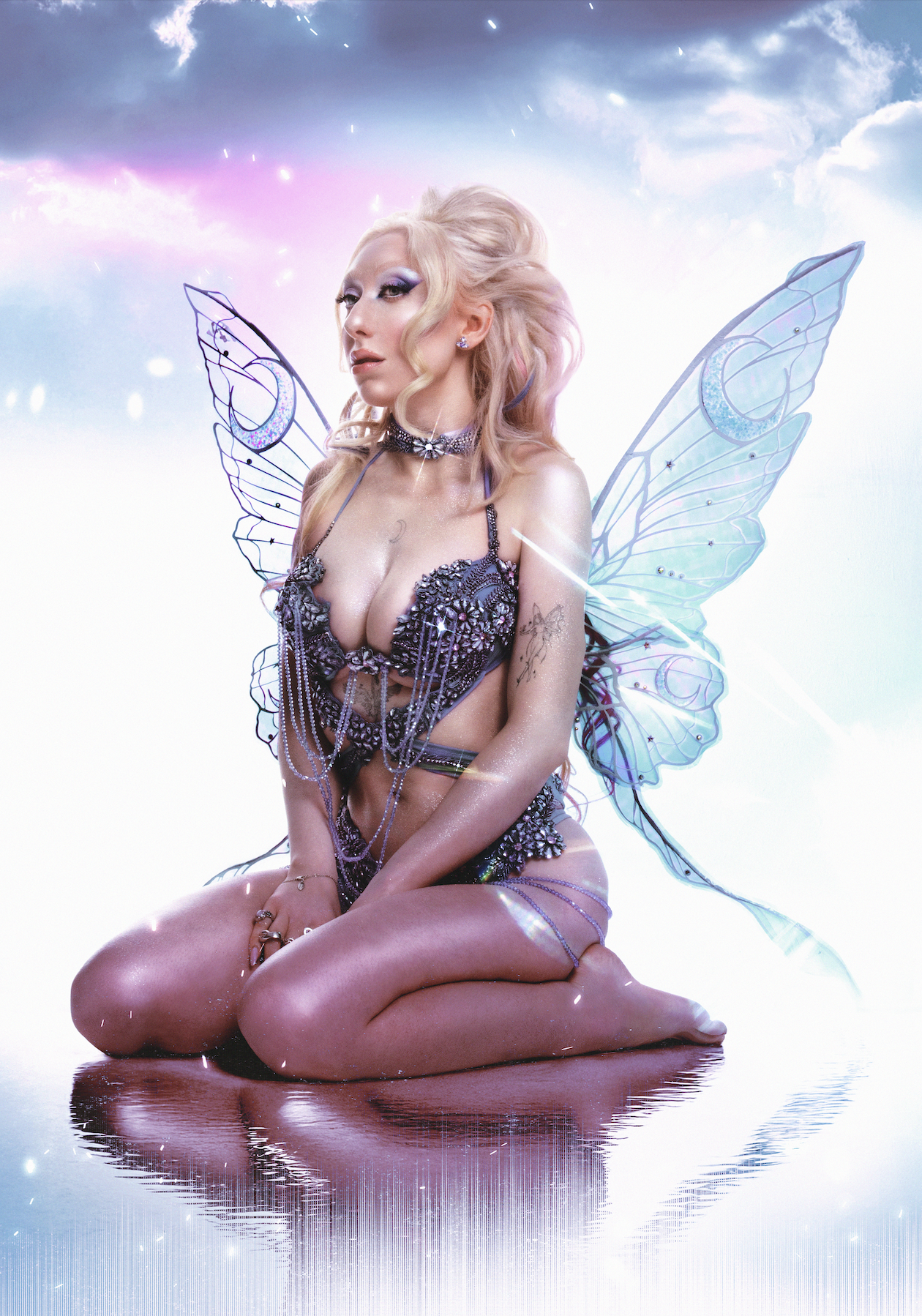
Looking back at your earlier projects, there's a really noticeable evolution, from something more nocturnal to this luminous fairy-pop universe. How did that transformation happen, and where do you see this world evolving next?
This album is really just the beginning. I wanted to release it now because it has this summer feeling, and I wanted to introduce myself properly and say, "This is fairy pop. This is my genre".
The album is quite short because this universe is only starting. It's going to keep expanding, and I'm really excited to evolve — visually, musically, with the production and with my vocals.
There will definitely be new music, Fairy Pop Part 2, and I want to keep experimenting.
The Lucky Secret video introduces these four distinct, almost archetypal characters. Do you see them as one-off figures, or are they part of a larger universe that we'll continue to explore? Were there any cinematic moments or visual ideas you knew had to define this new era from the very beginning?
Definitely. It's already happening — Lucky Secret Part 2 is already in the works. I love that you asked about that because it was part of my Virgo plan from the jump!
Even at the very beginning of my career, I wanted to build one complete world where everything connects. Instead of every single existing on its own, I imagine it like one film with different chapters.
I want this universe to stay forever. I'll have different albums, different songs and different futures, but the fairy reality will always stay. It will keep growing, with different episodes, and I want people to really get to know me through this world and become part of it.
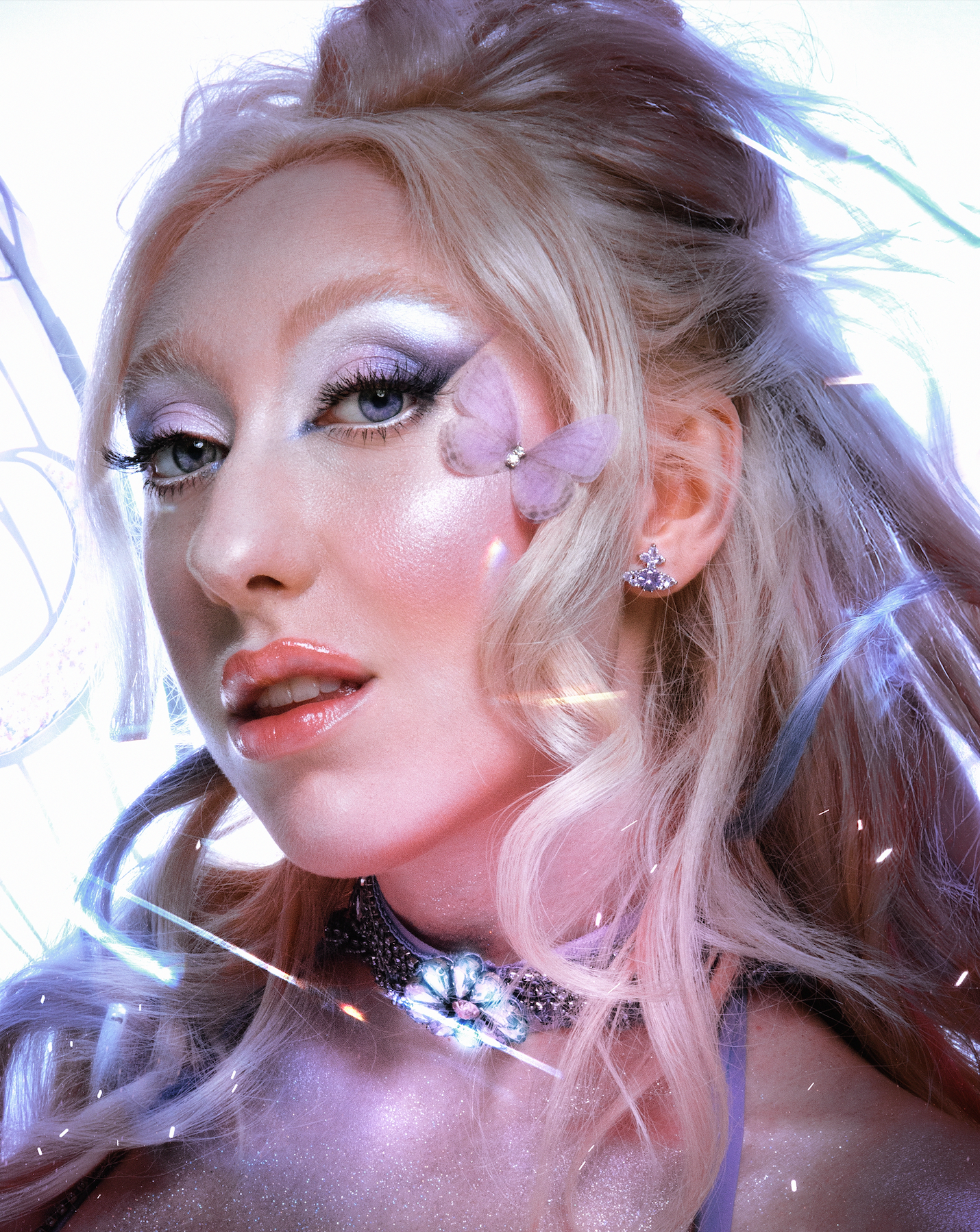
Process-wise, was this album a smooth journey, or did you have moments that you found particularly hard, whether emotionally or in terms of the production process?
To be honest, this album was created very peacefully. I have really happy memories of making it.
It was completely different from my last album, where I remember going through a really difficult time. With Fairy Pop, I wanted to give people an uplifting feeling, and I think that's because most of the songs were written when I was genuinely in a good place.
I was always away with the fairies, in different places, surrounded by different people. The moment I remember most is writing Skydive, the last song on the album. It actually wasn't supposed to be on the record. I already had the tracklist finished, but then I wrote it and it felt so freeing, so liberating. I immediately knew it was the perfect ending to the story because, in a way, that's where you die — but it's also where you finally let go.
If you could leave your audience with one feeling after listening to Fairy Pop from beginning to end, what would you want that feeling to be?
I want people to believe more in themselves and in the impossible. I want them to dream more.
I hope this album reminds people that if you can imagine something, maybe it really can happen. I also want to remind them that magic still exists. Fairy tales don't have to stay inside Disney films — we can live inside them too.
Magic is all around us, but it's also inside us. Sometimes it's just about choosing to see it.
