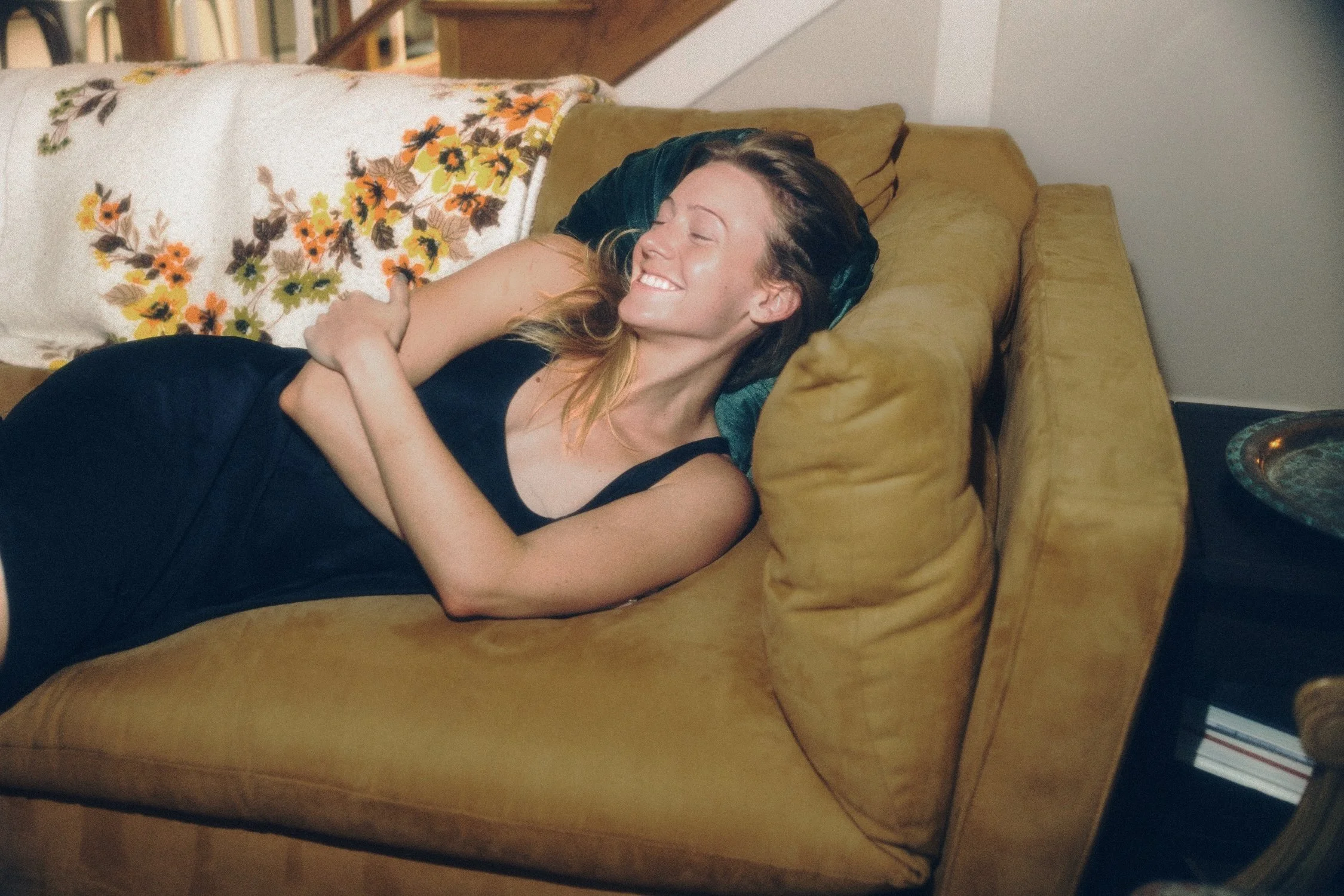
interview by JANA LETONJA
Songwriter and producer Mary Weitz has quietly become a trusted creative partner behind some of contemporary pop’s most compelling voices. From long-term collaborations with Sienna Spiro and Rachel Chinouriri to work with Zara Larsson, Remi Wolf, FLETCHER and Alina Baraz, her role often extends far beyond writing a single song — she helps artists build worlds, find the emotional core of a project and shape bodies of work over time. As her influence behind the scenes continues to grow, we caught up with Mary to talk about trust in the studio, the evolution of the songwriter’s role, and why greater recognition and fair compensation for songwriters matter more than ever.
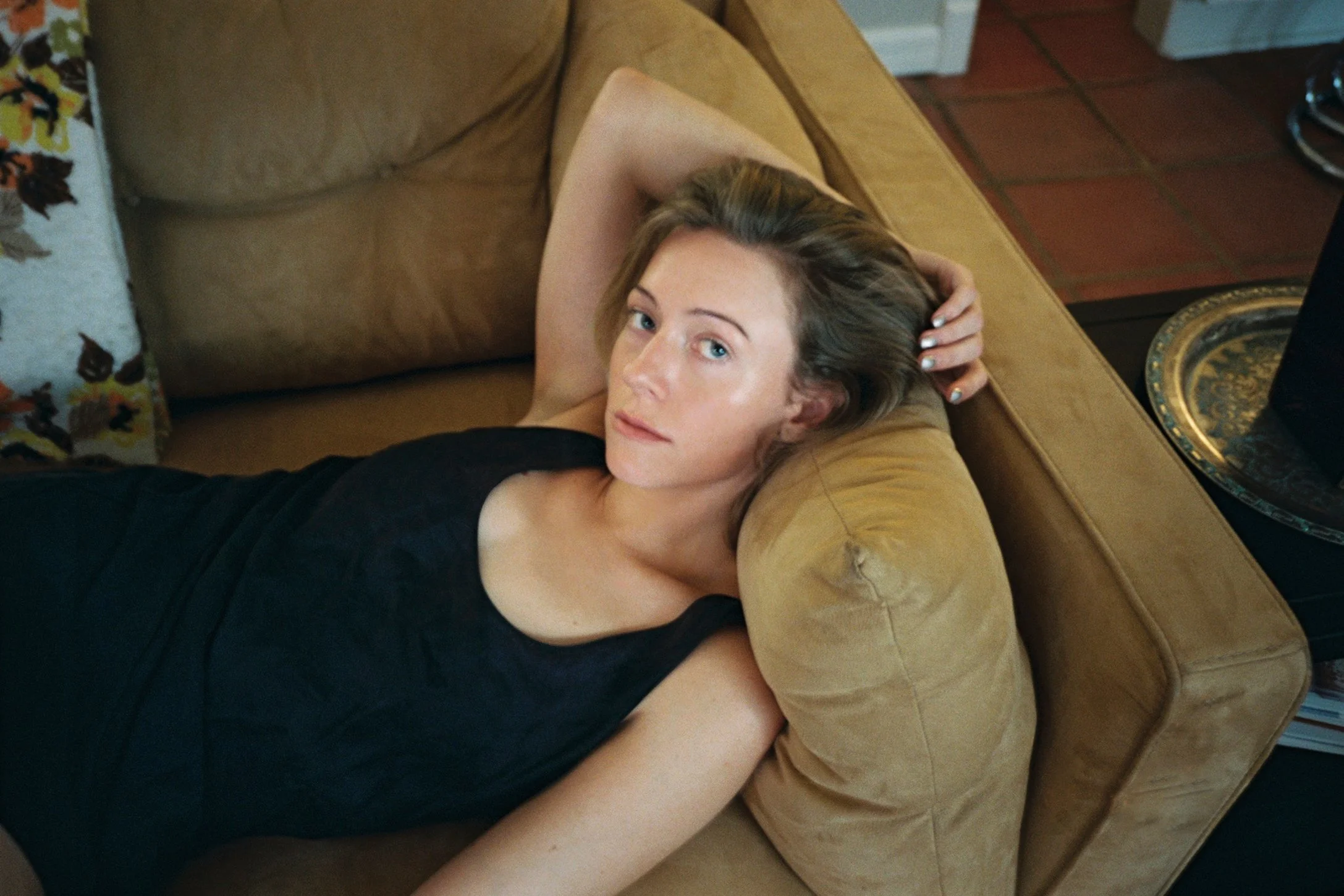
photography by CHRISTINA BRYSON
You’ve become a close creative partner to artists rather than simply stepping into the room to write one song. How did that way of working develop for you?
Years ago, when I first started working in sessions, I thought I had to be “professional.” I quickly learned, however, that most everything that allows me to develop meaningful relationships with artists is “unprofessional.” My humor, the way I dress, the stories I tell. If we’re writing a song together and I want it to be real and emotionally relevant to you, I’m not going to put you through a standardized process, hoping you’ll just decide to trust me. I’m going to be myself and hopefully you’ll be yourself, and if the vibes are good, you’re going to want to do it again.
When you first meet an artist, what are you listening for beyond their voice or the music itself?
Warmth. Humor. If you have either, we’ll be fine. If you have neither, I’ll want to die.
Songwriting sessions can become incredibly personal. How do you create an environment where an artist feels comfortable enough to be vulnerable?
Each artist has a different threshold. Artists who want to write vulnerable, emotional music and then show up to sessions with new people, have already made the decision to be vulnerable. Otherwise they simply wouldn’t be there. Some artists aren’t writing songs that require vulnerability. Maybe they just want to dance. That’s equally valid. If we’re having fun and really connecting with one another, we can become vulnerable without even realizing it, and that translates to the song in multiple ways: honest lyrics, melodies or song structures that feel like taking risks. Most importantly, I consistently ask artists if they’re comfortable with what we’re talking or writing about.
Is there a point in a collaboration when you can feel the relationship shift from “we’re writing together” to genuine creative trust?
I think you can always feel it when you meet someone and you genuinely both really vibe with each other. Often there’s this moment where you realize you don’t have to explain yourself. They already get it. Like when you both say the same line or melody at the exact same time, it feels like you've suddenly tapped into the same frequency. That’s the best feeling.
You’ve worked with Sienna Spiro from her debut single through her EP and debut album. What has it been like to help shape a project and an artist from such an early stage?
Sienna has been brilliant from the moment we met. I feel lucky to have witnessed her ascent from such an early stage. I’m honored to have been trusted as a collaborator through so many different chapters of her career. She writes from such an honest, instinctive place, and it’s been really special to be in the room with her as some of those vulnerable, powerful songs have taken shape. She's worked incredibly hard, and it’s been amazing to watch more and more people recognize the artist she’s always been.
When a song you’ve helped create takes on a life of its own online and reaches millions of people, does that change your relationship with it?
Most likely, no. By the time a song has been released, I’ve probably played it 100 plus times. My opinion is set in stone. I do read and watch a good amount of reactions online to songs I’ve been a part of. It’s fascinating how differently songs can be interpreted from one person to the next. That’s part of the fun. Perception matters, but I hold sacred the intentions that the artist, other collaborators, and I all had when creating the song.
How do you balance having a strong creative perspective of your own with making sure the finished record still feels unmistakably like the artist?
I’m not precious about ideas. Nothing is mine. If we’re writing together and I say something or sing something that my collaborators like, that idea only exists because the artist invited me into the room and created the space for it to happen.
Great art is curated as much as it is created, and great artists are incredible curators by way of their instincts. I pay close attention to what lights someone up and what doesn’t. If something I suggest doesn’t feel true to them, I don’t want it in the song either.
My job isn’t to impose my perspective, it’s to bring my instincts into the room, say what I think and feel, and then stay unattached to whether or not it resonates with an artist. I trust my taste, I trust the artist, and I trust that there will always be another idea tomorrow.
Your credits span artists with very different identities, from Remi Wolf and FLETCHER to Alina Baraz. Do you consciously change your approach for each artist, or is there something consistent that you bring into every room?
I can’t help but change my approach. Each artist brings out different aspects of me. Some are total goofs and we will be completely unserious together, and some are prolific poets that I could listen to talk for hours on end. Some are both. I let them show me who they are and how they work, and I try to elevate their process to best fit their art.
What’s the difference, to you, between writing a great song and writing the right song for a particular artist?
The right song for a particular artist is just a great song that only they could have written/performed.
Songwriters can end up acting as confidantes, sounding boards, and even informal artist developers. How much of that emotional and creative labor is visible to the wider music industry?
It’s kind of IYKYK vibes in terms of who does what. Emotion and creativity are my specialty, and if artist development occurs alongside the process of creating songs and albums together, then I know we’re really doing something special. Sure, there is some visibility in the wider music industry for songwriters having more involved roles. What’s lacking more so is the wider acknowledgment of that visibility.
Do you think audiences should have a greater awareness of the people behind the songs they love, or is there something valuable about remaining behind the scenes?
This is a funny question to answer in a public interview. There is absolutely value in keeping the magic behind the scenes. I also think if you want to know who helped write and create a song, you should be able to find out that information. I’m less clear on how much we should be opening the curtain and showing people the magic who didn’t ask to see it in the first place. But I definitely think it’s important for each artist to make their own choice about what they’d like to share of the creation process.
You’ve already helped shape several defining projects and breakthrough moments for other artists. What ambitions do you have for yourself as a writer and producer at this stage?
I’m going to keep doing it. I’m going to keep finding artists I believe in and do everything I can to help make the music and career they envision for themselves a reality. I’ve already delved into executive production, a role where I can not only write entire albums and projects with artists, but also become a partner to them in discovering and honing their sound and vision. Having worked as a songwriter for years has given me invaluable insight and experience into other collaborators, labels, and overall industry navigation. I want to create environments that support generational artists creating their most impactful songs. I have a good feeling that each room I’m in will lead me to the next.