
IN CONVERSATION WITH NAIKA
interview by JANA LETONJA
French-Haitian global pop artist Naïka steps into a defining moment with the release of her debut album ECLESIA, a project as expansive and borderless as her own story. Born in Miami and raised across the South Pacific, Kenya, France, South Africa, and the United States—with roots in Lebanon, Palestine, and the Caribbean—Naïka embodies the spirit of a true third culture kid. Sung in English, French, and Haitian Creole, ECLESIA, named after the ancient Greek word for “a gathering of people,” blends pop, R&B, soul, and Haitian Konpa rhythms into a sound that feels warm, empowering, and distinctly her own. Following viral successes like One Track Mind, Bloom, and Matador, and ahead of her nearly sold-out international tour, Naïka is emerging not just as a global artist, but as a cultural connector redefining what pop can look and sound like.
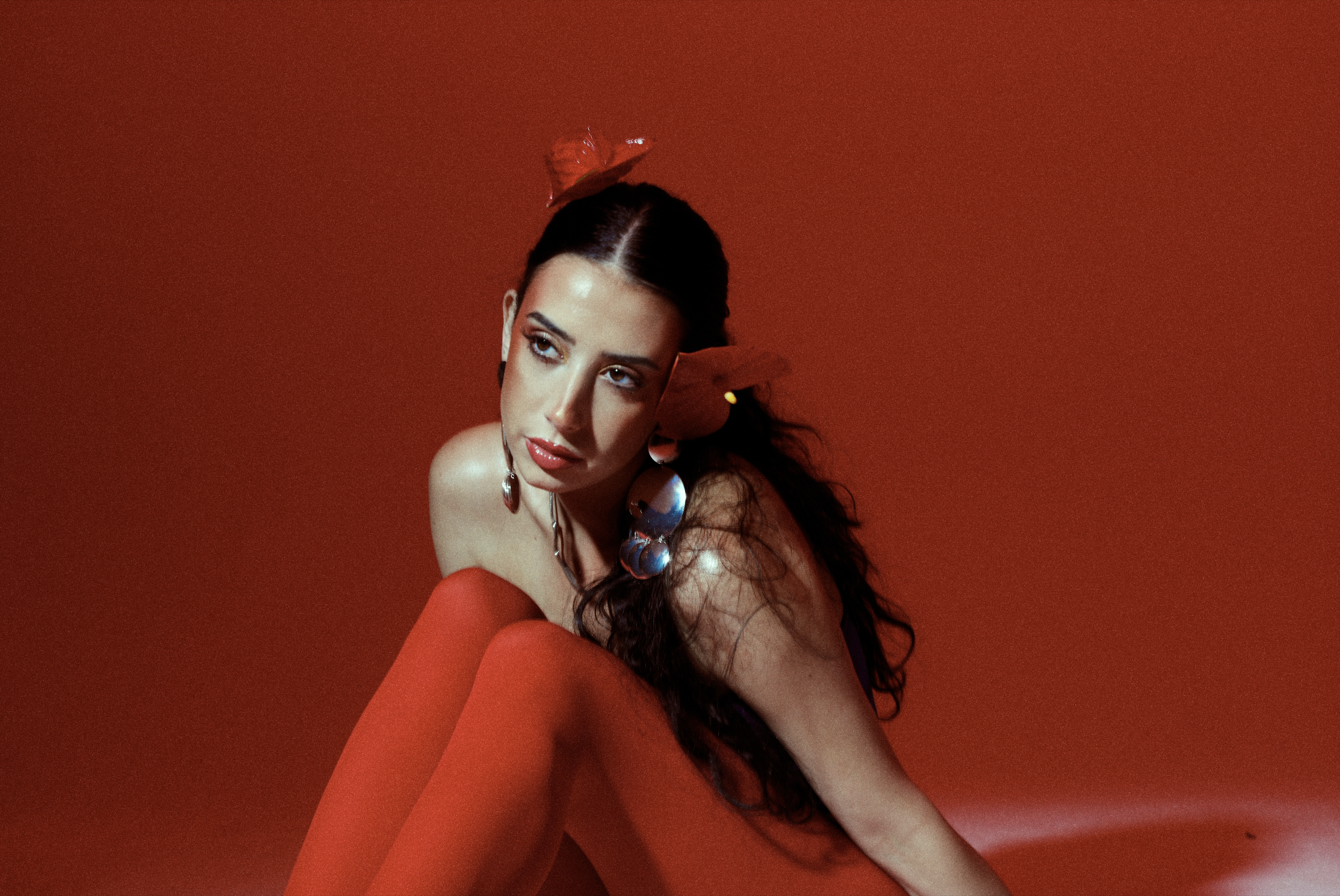
ECLESIA means “a gathering of people.” What does that concept represent in this chapter of your life and career?
It’s an important concept for me because this is my debut album, and my biggest hope and wish is to bring people and humanity together. When I first heard the word eclesia, it was my dad who said the word. When I looked it up and saw that it once meant a gathering of people in Ancient Greece, I immediately knew that this would be the title of the album.
As a true third culture kid, how has constant movement shaped your identity as both a person and an artist?
It shaped everything about who I am today. From the way I adapt and socialize, to the music and art I listen to, to the food that I love. We are deeply shaped by our environments in our formative years. As an artist, I’m inspired by all of the elements that shaped and molded me. As a person, I have often been forced to adapt to new environments, which has taught me so much and made me a very adaptable person.
The album moves fluidly between English, French, and Haitian Creole. How do you decide which language a song wants to live in?
I strive to lead my creative process through emotion, so I let my emotions guide me. It’s more about what feels right than anything else. Sometimes however, if I’m feeling stuck on a lyric and I need a different angle of approach, then I might try to see if writing in another language can help me unblock. But this usually happens less often.
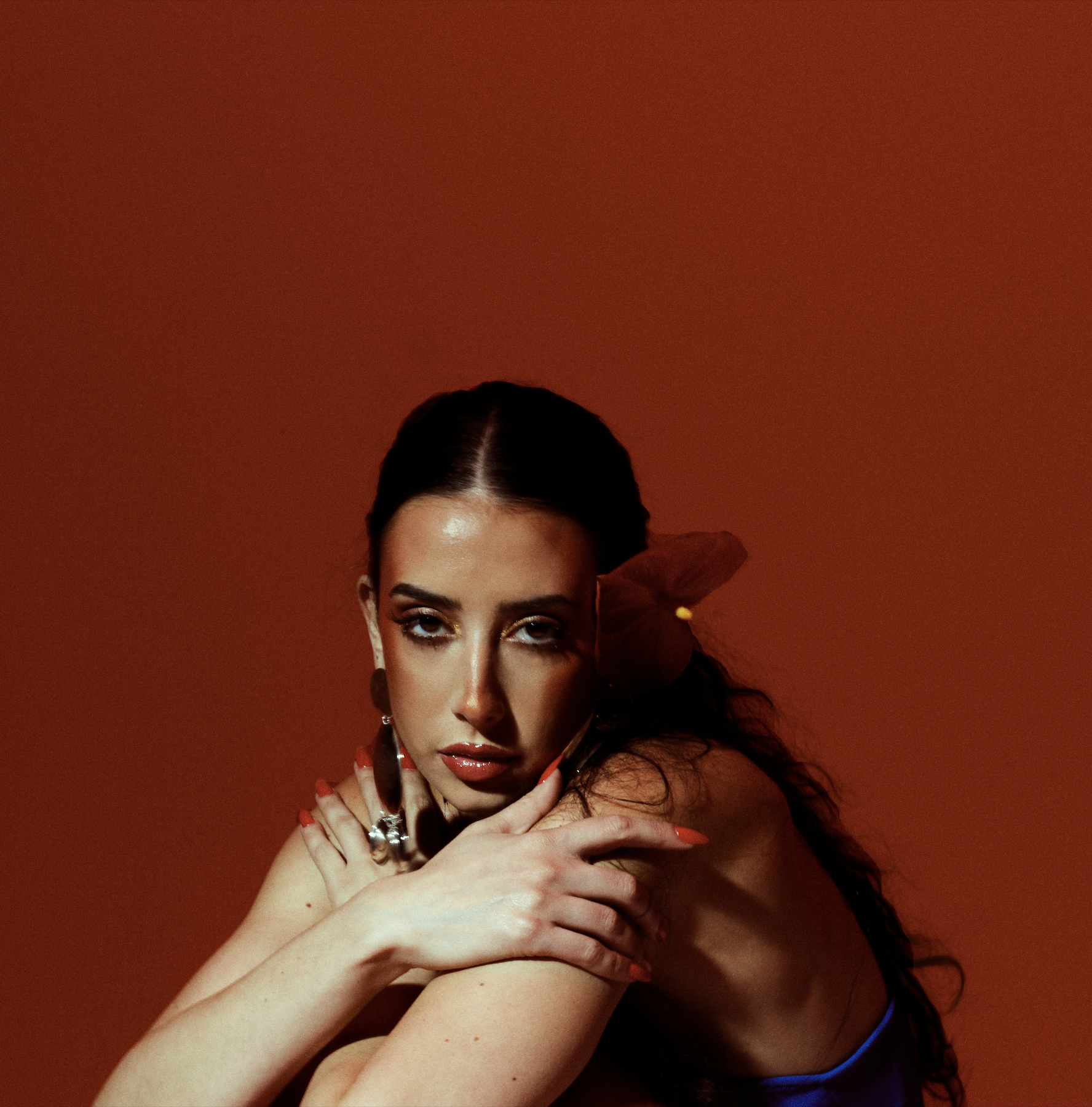
Haitian Konpa rhythms play a key role in your sound. Why was it important to weave those elements into your debut?
I love making songs around a Konpa base because it’s such a big part of who I am and makes me feel at home. It was very important for me to have a Konpa song represented in the album because, like I mentioned before, this is my debut album and I wanted it to showcase all of the different sides of who I am.
Your song Matador addresses societal pressure placed on women. How do you balance vulnerability with strength in your songwriting?
I think it’s something that comes naturally for me, which then flows naturally into my music. I consider myself a strong woman that is not afraid of vulnerability. Both can exist at the same time, and they do.
Your collaboration with Jimmy Choo on Bloom merged fashion and music. How do you see your visual world evolving alongside your sound?
I’ve always been a visual creative alongside music. I grew up watching my mom be so creative in her own way, expressing herself through fashion and through decorating everything around her. This played such a key part in my life and creativity. Visuals are another creative outlet for me that I’ve always loved and honored. I love beauty in general. I strive to witness and experience beauty every day, everywhere I look, even in the small “mundane” things.
Touring nearly sold out across 98% of cities is a powerful milestone. What has this global response meant to you emotionally?
Yes, it’s huge and I still can’t believe it. And it’s so incredible to see that this is all scattered across different continents too. It’s wild watching your dreams come to life. I’ve been working so hard for a long time, and now I think a part of me still needs to be reminded that this is real and that things are truly unfolding.
You’ve built a deeply engaged online community. How do you maintain authenticity in such a fast-moving digital space?
It’s taken me baby steps to be fully open and vulnerable online and I am still working on it. I’ve realized that being authentic is the only way to do it, at least for me. I always strive to be as authentic as possible. This way I know that if people connect with me they are connecting with the real me.
I will say, I don’t think I could’ve ever imagined this type of beautiful community. They keep me going in ways I could have never imagined, and they motivate and inspire me to be the best version of myself. I am so so grateful.
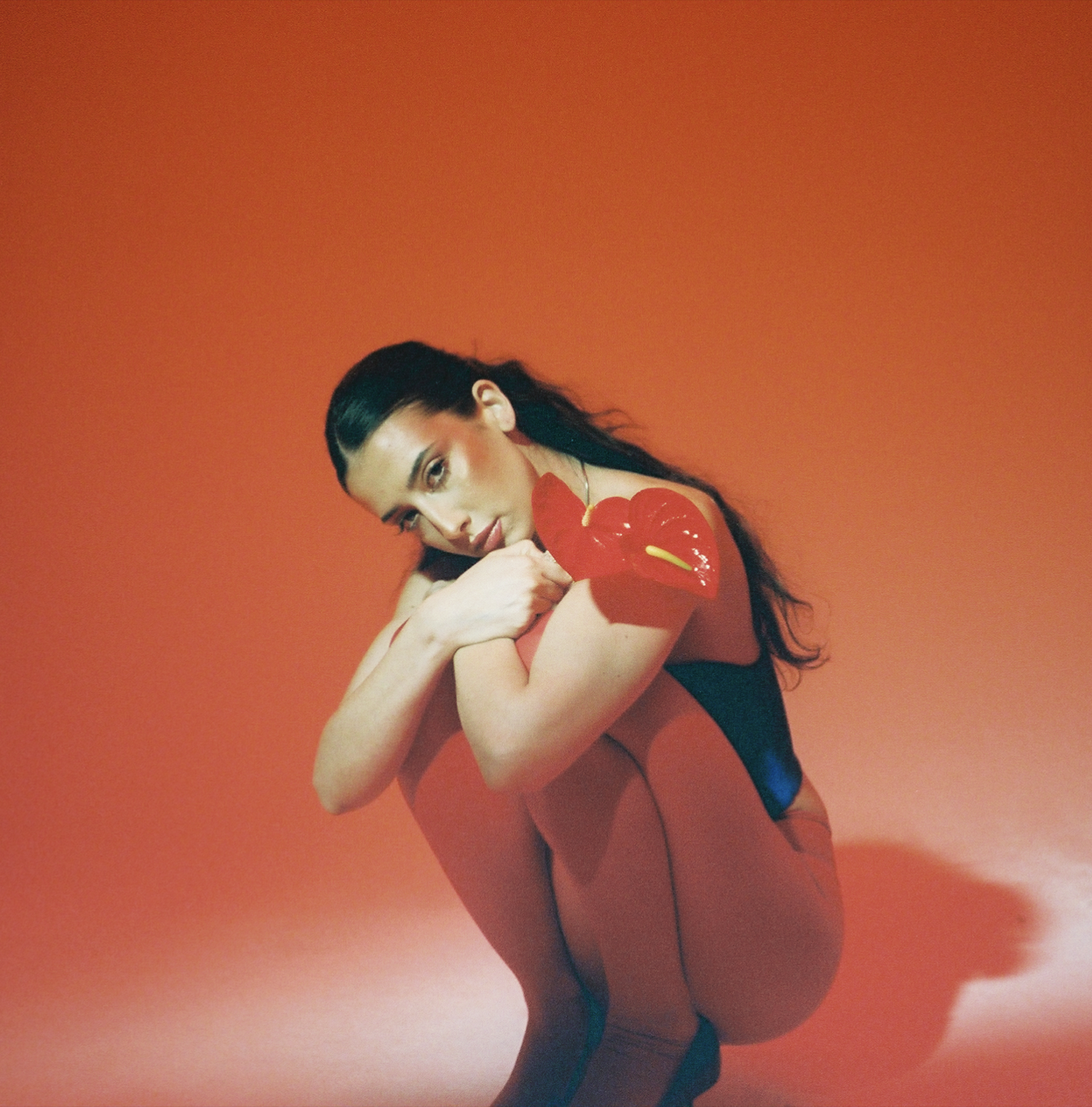
What role does spirituality or ancestry play in your creative process?
I do believe the creative process is a spiritual experience. I think it’s a co-creation with the universe. I see myself as a vessel or receptor, and it is my job to translate the frequencies and alchemy to bring them into the physical world.
If ECLESIA is a gathering, who are you inviting into that space?
I am inviting anyone who wants to feel, who wants to experience different emotions and share them with others. People who are open minded, smart, curious, and who understand nuance. People who are not limited to linear or constricted ways of thinking, and people who want to come together in the name of humanity, love, respect, good vibes and togetherness.
This is your debut, but it feels like the beginning of something much larger. What does the next chapter look like for you?
I feel like I’ve finally reached my arrival, and that this is the launchpad that my team and I have been working on. We’ve kickstarted the ECLESIA tour and are working on a lot of exciting things, from new music to international collaborations and more touring in new countries around the world. I’m excited to bring ECLESIA to the world and see what life has in store for us.
TEAM CREDITS:
photographySANDIIA
