
IN CONVERSATION WITH OLIVIA LONSDALE
interview by MARIA MOTA
More than telling stories, OLIVIA LONSDALE builds them, carefully and visually, almost frame by frame. Even in conversation, her attention to detail pulls you into the world she’s describing, as if you’re already in it. Collaboration sits at the heart of everything she does. What first drew her to acting at 17 was the shared imagination of creating something together. For Olivia, human connection remains the starting point, whether in front of the camera or behind it.
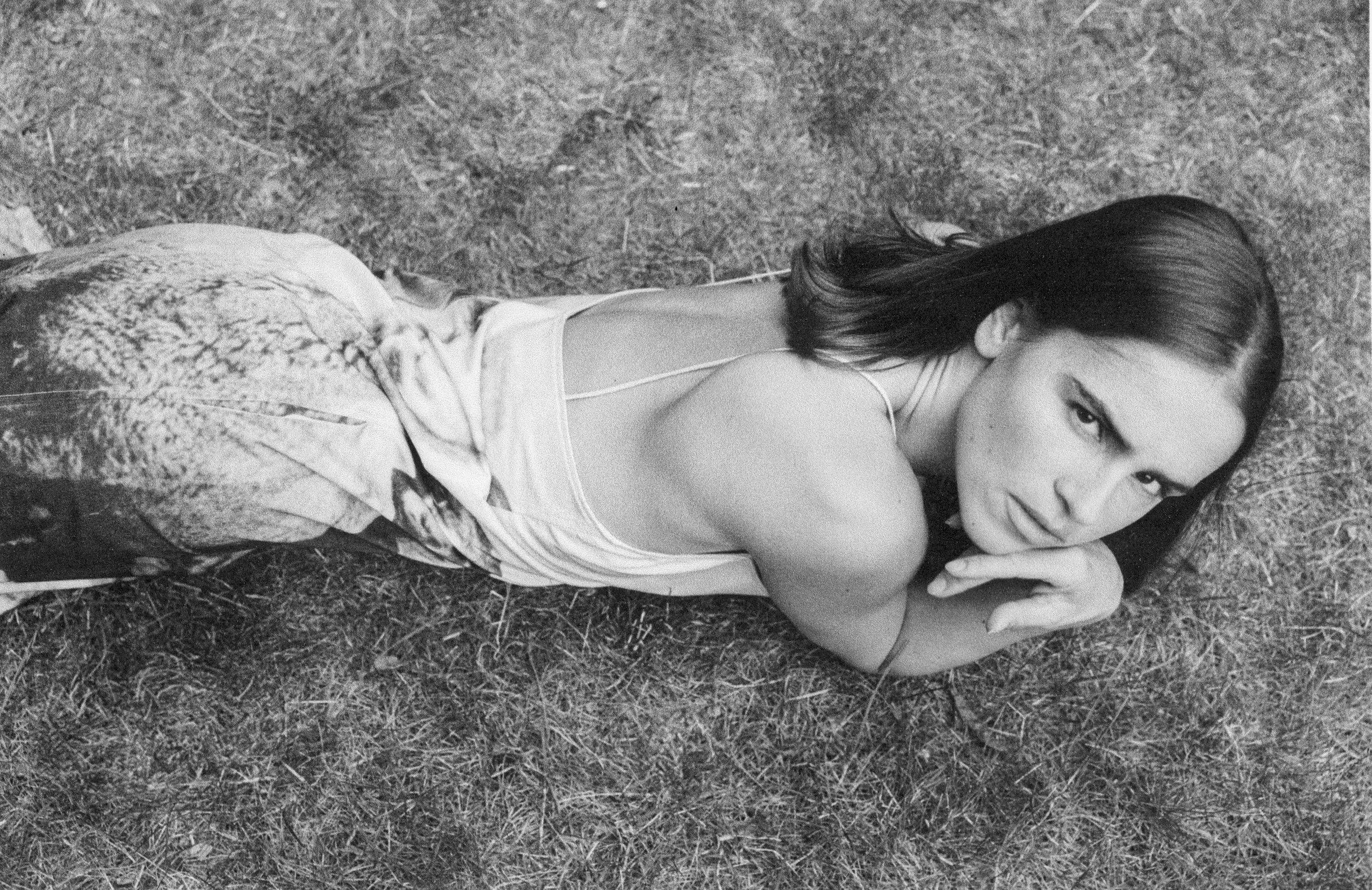
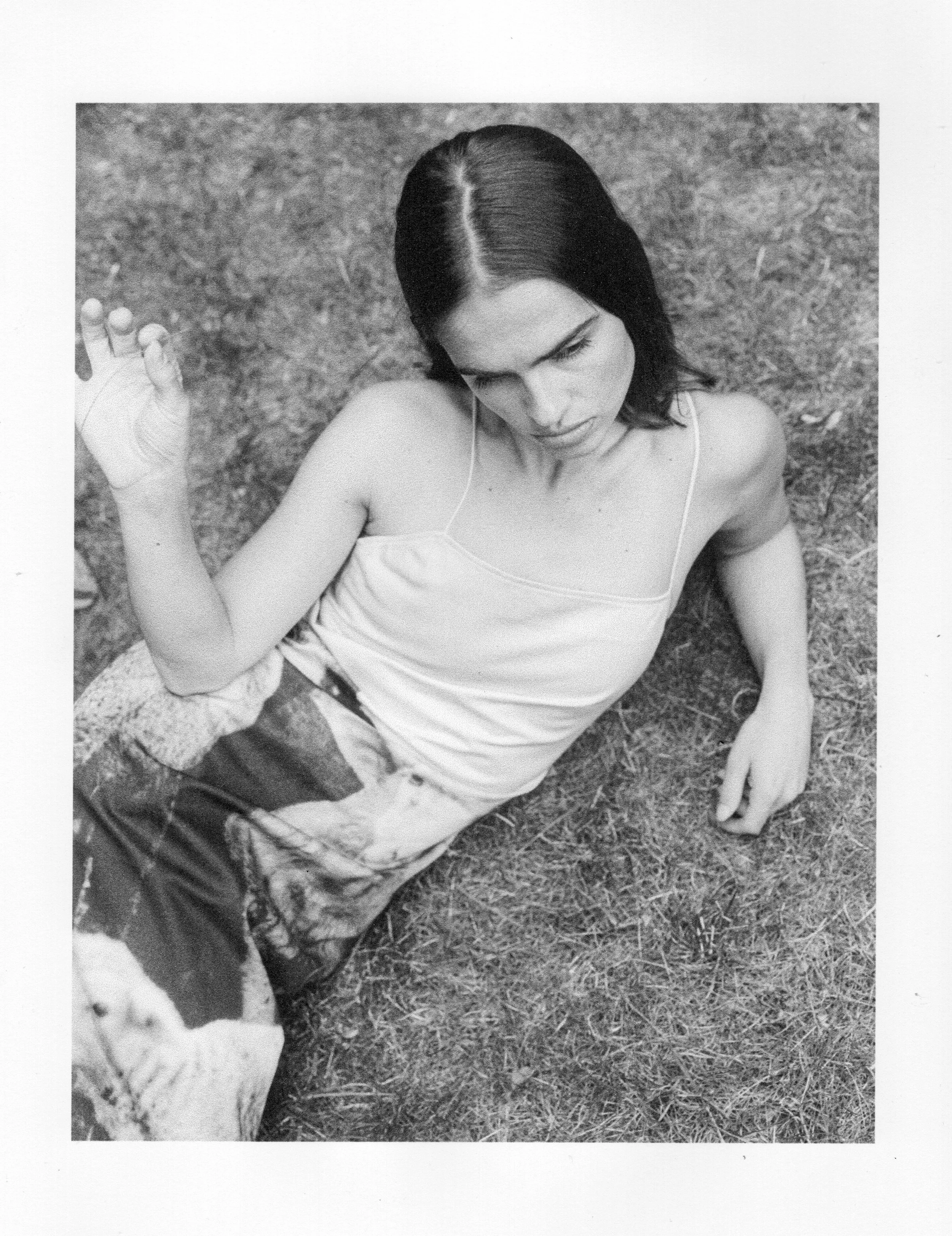
dress MOSCHINO
What was your childhood like, and how did it shape who you are today?
I grew up in Amsterdam. My mother was born in the same house my brother and I grew up in, and we were even born in the same room. My father is British, so I grew up between the two cultures. My opa and oma lived next door and are like my second parents, so family has always been central to my life. I think that’s also why I love filmmaking; it’s about making something together.
Some of my happiest memories are from summers in Italy, where my brother and I spent our days outside, making little boats from empty milk cartons and floating them down the stream. I remember green hills, swimming in rivers, reading and endless sunshine. Home was full of creativity. We were always drawing, building things with our hands, surrounded by music, architecture and films.
In the summer, I’d lie awake long past my bedtime while it was still light out, staring out of the window. It felt like the whole world was waiting for me. I never wanted to fall asleep. I just kept imagining my future and what life could be.
So from a young age, you were a dreamer with a strong visual imagination, creating worlds and possibilities in your head.
Very much so. Which, to be honest, wasn’t ideal for school. I always felt that traditional schooling wasn’t really built for the way my mind works. If things had been explained more visually, I probably would have connected with it more. I sucked at maths, but whenever geometry came up or anything involving shapes, I’d get like a nine, which is hilarious.
Fortunately, I was able to go to GEERT GROOTE COLLEGE, in Amsterdam, what they call “the free school.” There, during high school, you could choose not to do maths, so I obviously chose not to do maths. I focused on music and arts, and because I did well in those subjects, my overall grades improved. I always say that without that school, I would be nowhere.
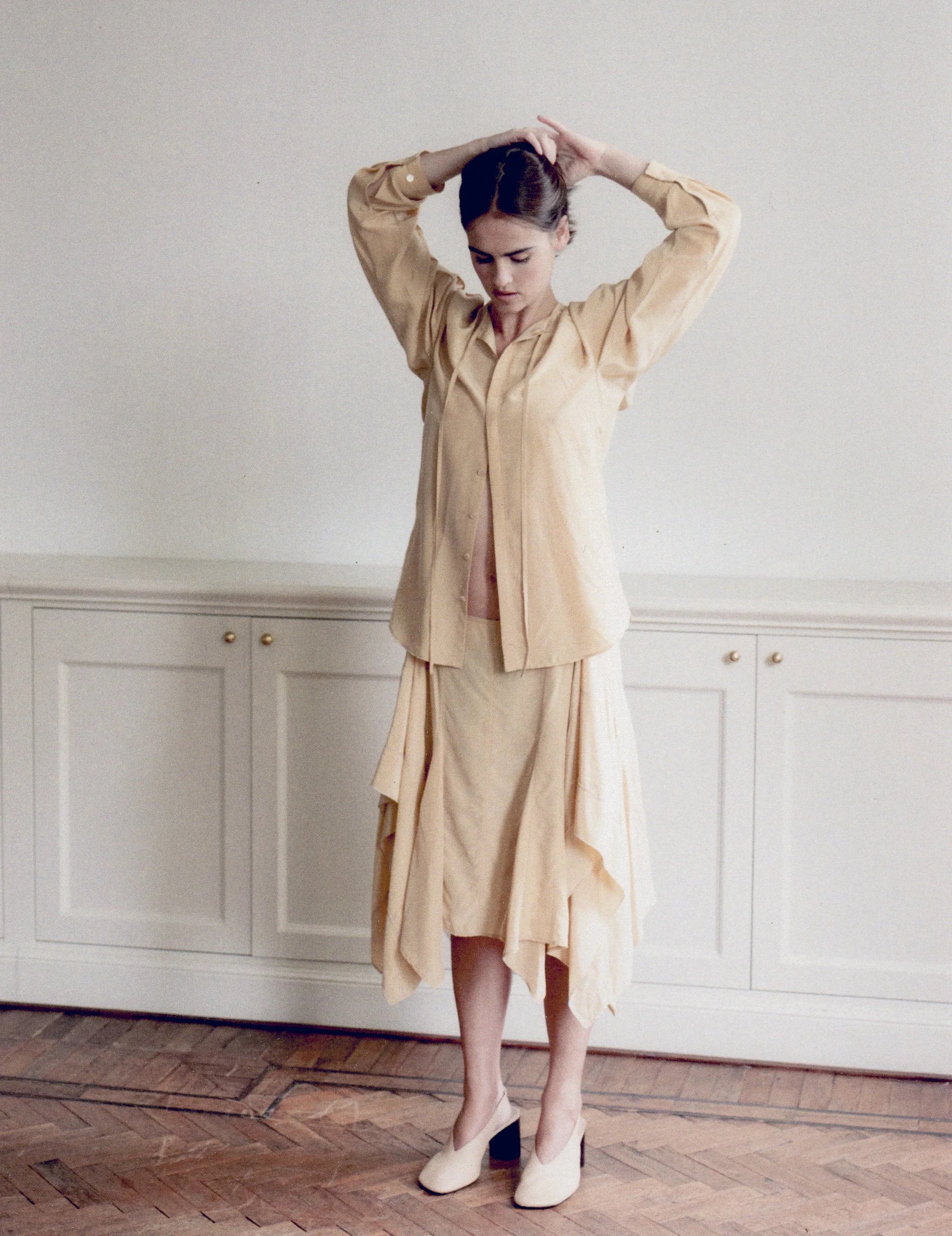
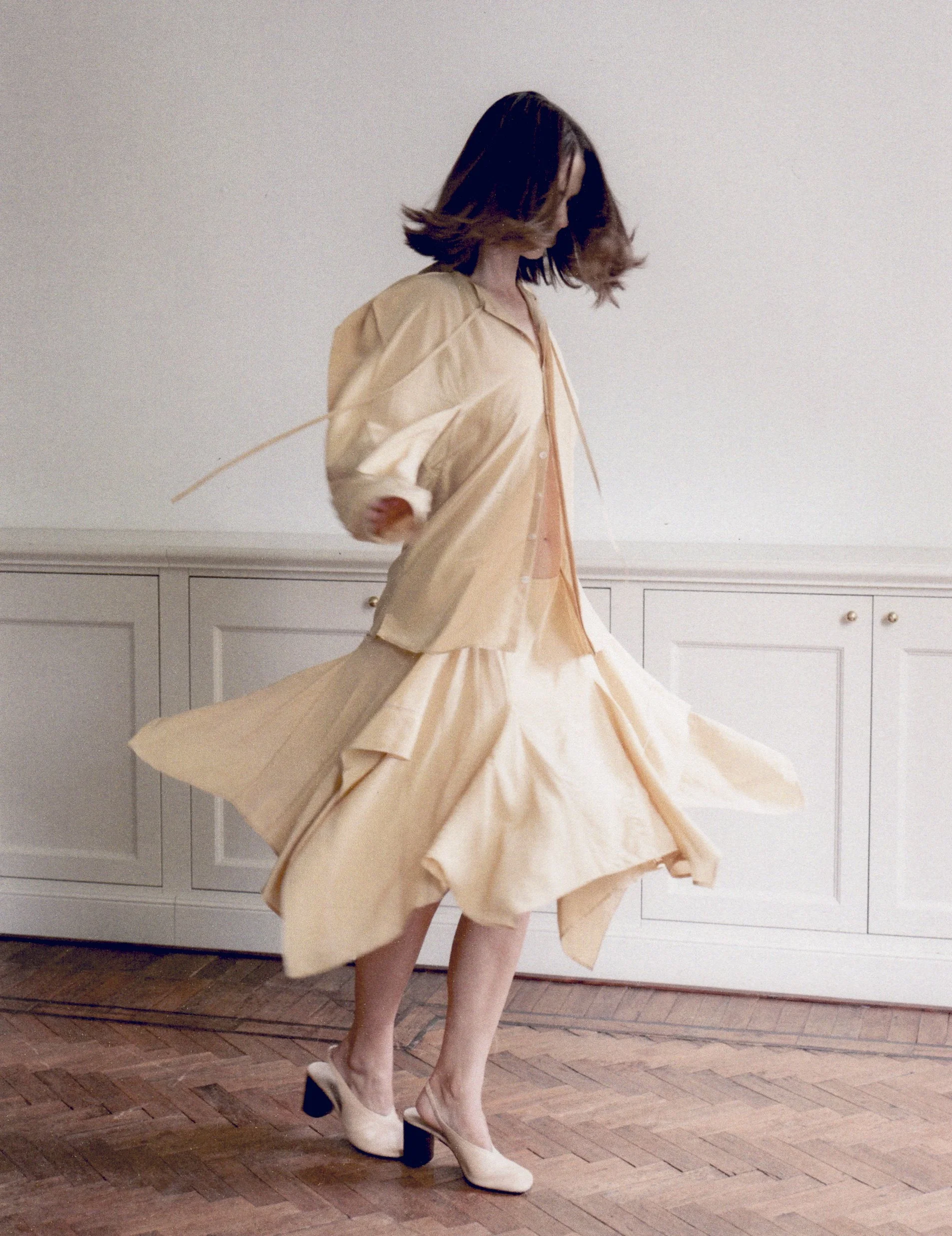
full look LEMAIRE
How did you start to understand the path you wanted to take, particularly towards performing?
I always knew I wanted to do something in the arts, but I wasn’t sure what. I loved making sculptures and creating images, but I also loved performing. Dance was a big part of my childhood. My mom always says I danced way before I could walk. I danced salsa with RAMSES SHAFFY in his care home once.
Whenever there was a camera, I wanted to be around it. We always joke that it was written in the stars, because even my birth was filmed by a documentary filmmaker. My father gave a speech during my wedding about how the camera has always been present in my life, first in front of it since the very beginning, and now behind it. I always think of that when I’m wondering, “Am I doing the right thing?”
In high school, I started doing some modelling jobs, and it was also the era when Instagram started. I loved having this platform where I was able to speak through images, which felt so me. I had like three followers and was posting all this weird stuff, but I guess I was getting out there more, which I clearly wanted.
Then I auditioned for SAM DE JONG’s film Prins (2015). Getting that role had a huge impact on me. Being on set and seeing all the different departments working together, everything fell into place, and I remember realising, “Wow, this feels like home.”
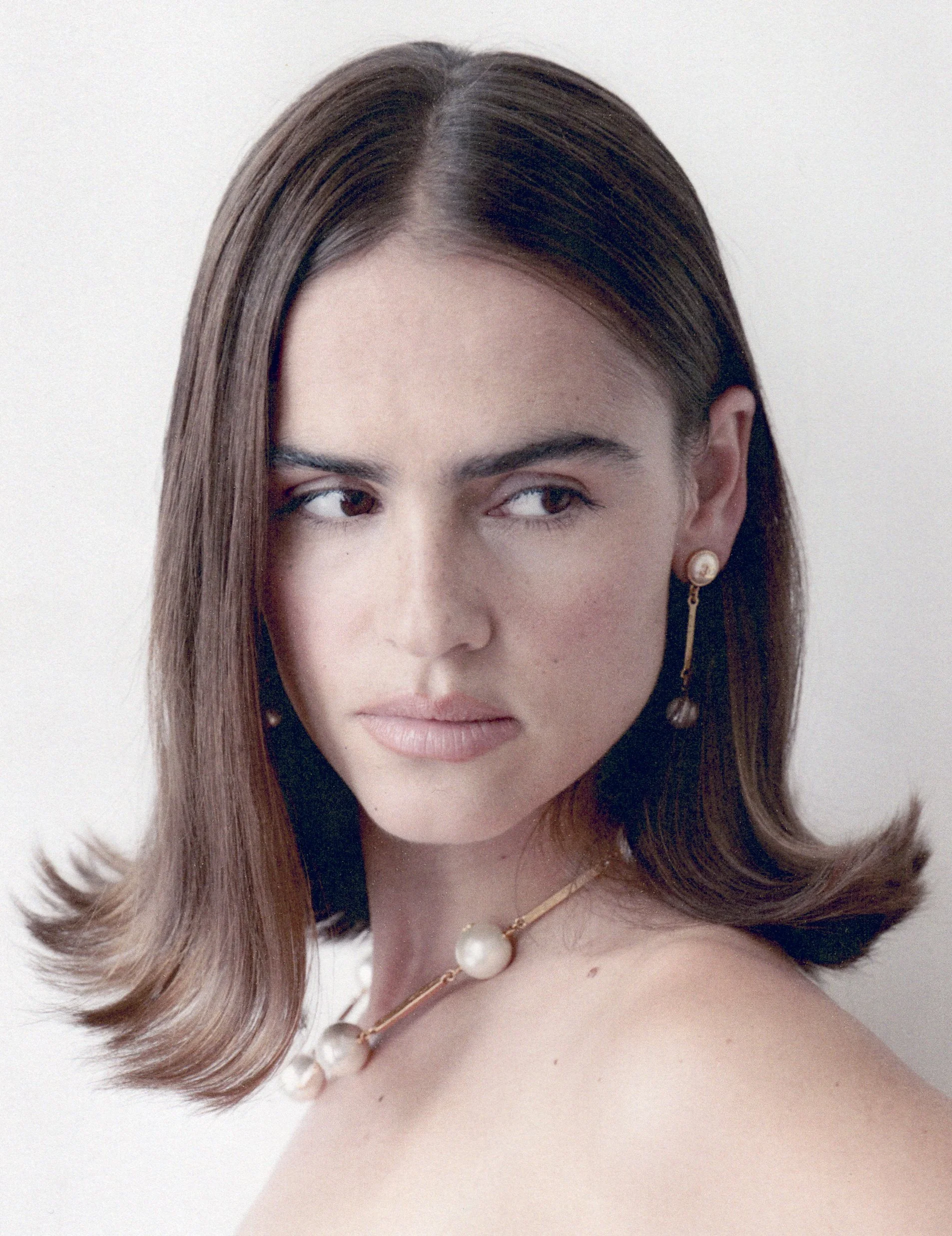
jewelry CHANEL
How did your path then evolve from acting into directing?
On the same set, I also remember seeing Sam lying on the floor with a monitor during a scene and thinking, “One day, that will be me.”
Around that time I started acting a lot. There was this whole period of “Wow, what is life right now?” And I loved it. But part of me always knew it was temporary. I just felt like there was more out there for me. With directing, I really feel like I’m in a place where I finally have control over myself and what I want to make.
Directing feels like the place where all parts of me come together: music, colour, movement, images, memories, feelings and sound all merging into one language. I became a part of everything and I feel very free. Even calling it directing feels a bit limiting. Let’s call it filmmaking.
Also getting together with my now-husband grounded me a lot and helped me find my path. During Covid I started writing and making little films because I really wanted to make my own work. I went to the SCRIPT ACADEMY at the EYE FILMMUSEUM where I studied screenwriting and, essentially, films. I love rewatching films over and over again.
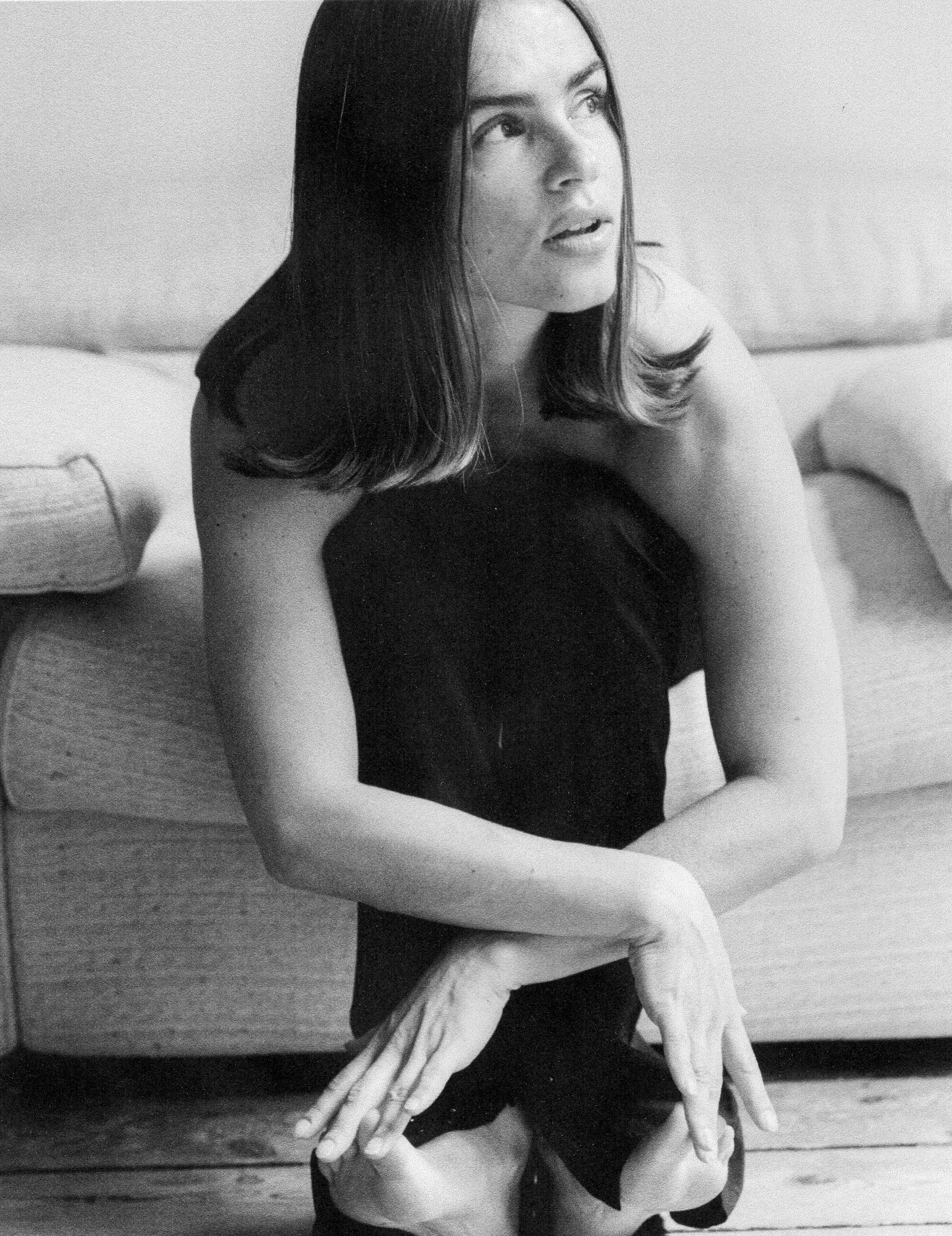
pants LEMAIRE
What are some of your favorites?
That’s a hard one. Recently I’ve been rewatching Y tu mamá también (2001), Cleo from 5 to 7 (1962), Io sono l’amore (2009), Central do Brasil (1988), Belle de jour (1967)... I love drama. Real people.
Also during Covid, you made your short film Almost Grown (2023). Did it come from a personal experience?
Yes, for me it was the beginning of realising that shift in the mother–daughter dynamic. At that age of 16 to 18 you are still so much in need of your parents, but at the same time you are wanting to let go. And then when you do, you actually see they need you as much as you need them. It was the first moment I started navigating that feeling.
Speaking of motherhood, what has it been like for you becoming a mother for the first time?
It gives me so much direction and filter. Having a child really narrowed down what I want from life. It made me realise I want to learn and discover what makes me creative and lights me up, and that means trying out a lot of things. I don’t know anything, and I want to learn it all.
Filming him and being together with him also brings me so much inspiration. I always wanted to become a mom. It has always felt very natural to me.
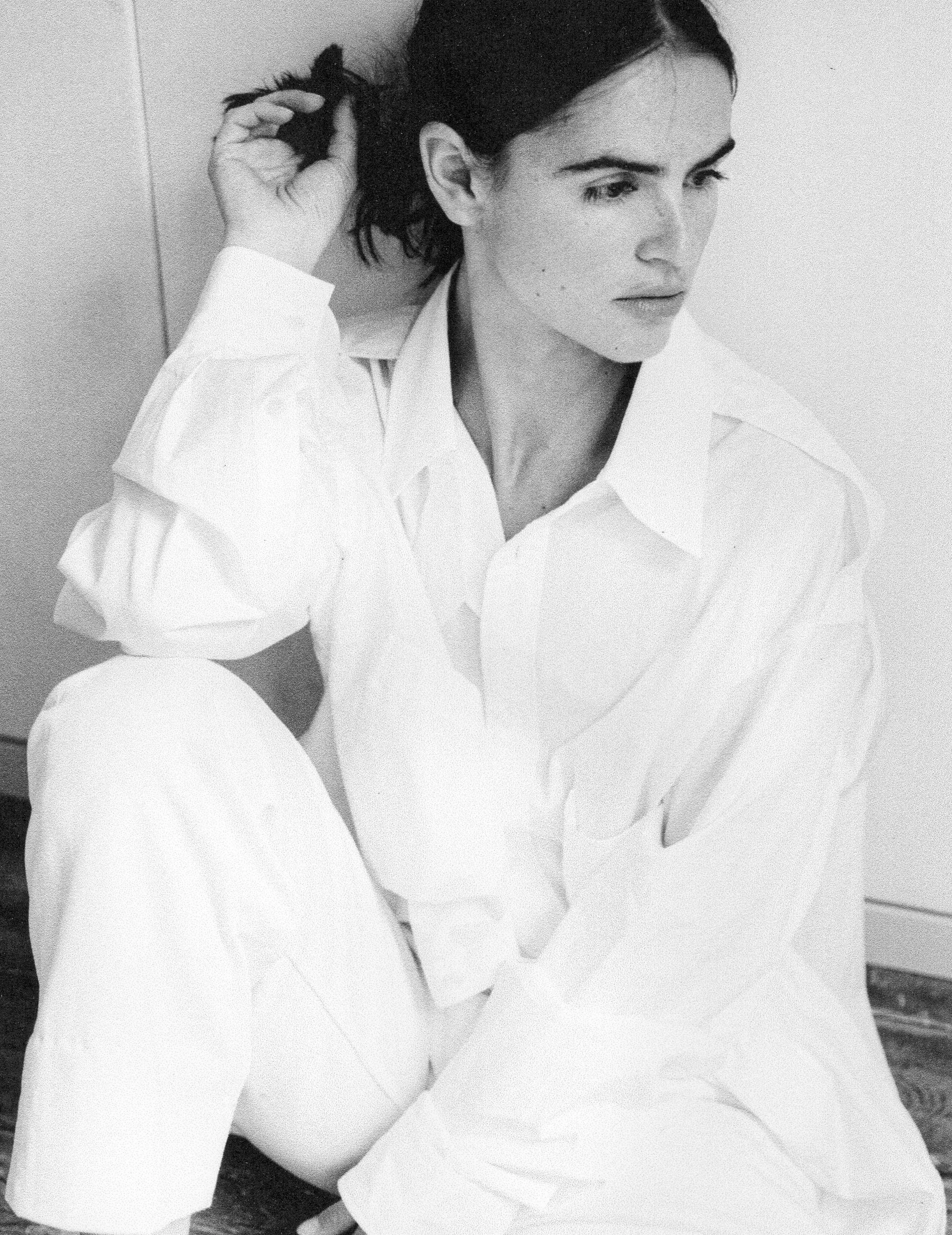
shirt and pants CELINE
What is something that sparks your attention in a shot?
I love watching people. I really want to feel something when I look at an image, both visually and emotionally. I create more from my gut feeling rather than from the technical side.
Architecture can really inspire me, especially when I’m in Brazil. My mom is an architectural historian, my grandfather, my dad, and his wife are architects. So I’ve been surrounded by it in every possible way.
I spent my childhood running through architects’ studios, going to openings and visiting remarkable buildings. Theme parks weren’t really part of our lives; architectural landmarks were our playground. And like we spoke about earlier, at school I was always drawn to shapes. Looking back, it all makes sense.
Why does Brazil feel so creatively charged for you?
It’s like a hotspot for my brain; it just explodes when I’m there. My curiosity about people can really exist there because there’s so much contrast, so many cultures and layers of life existing side by side. You walk down the street and everyone is meu amor. I really love that.
I just feel so much there and that my feelings are never too much. It makes me more aware, more alive and, in that way, incredibly inspired.
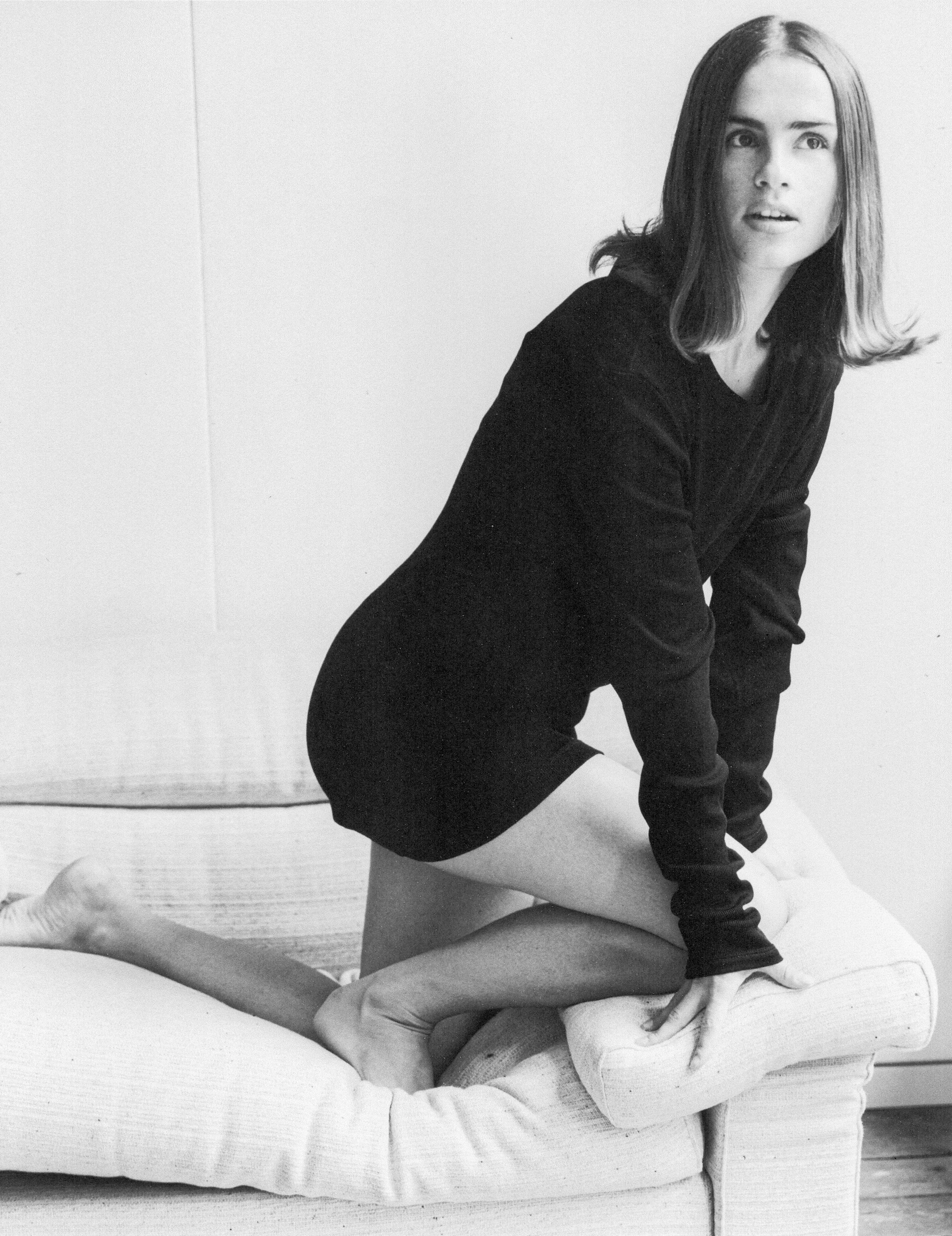
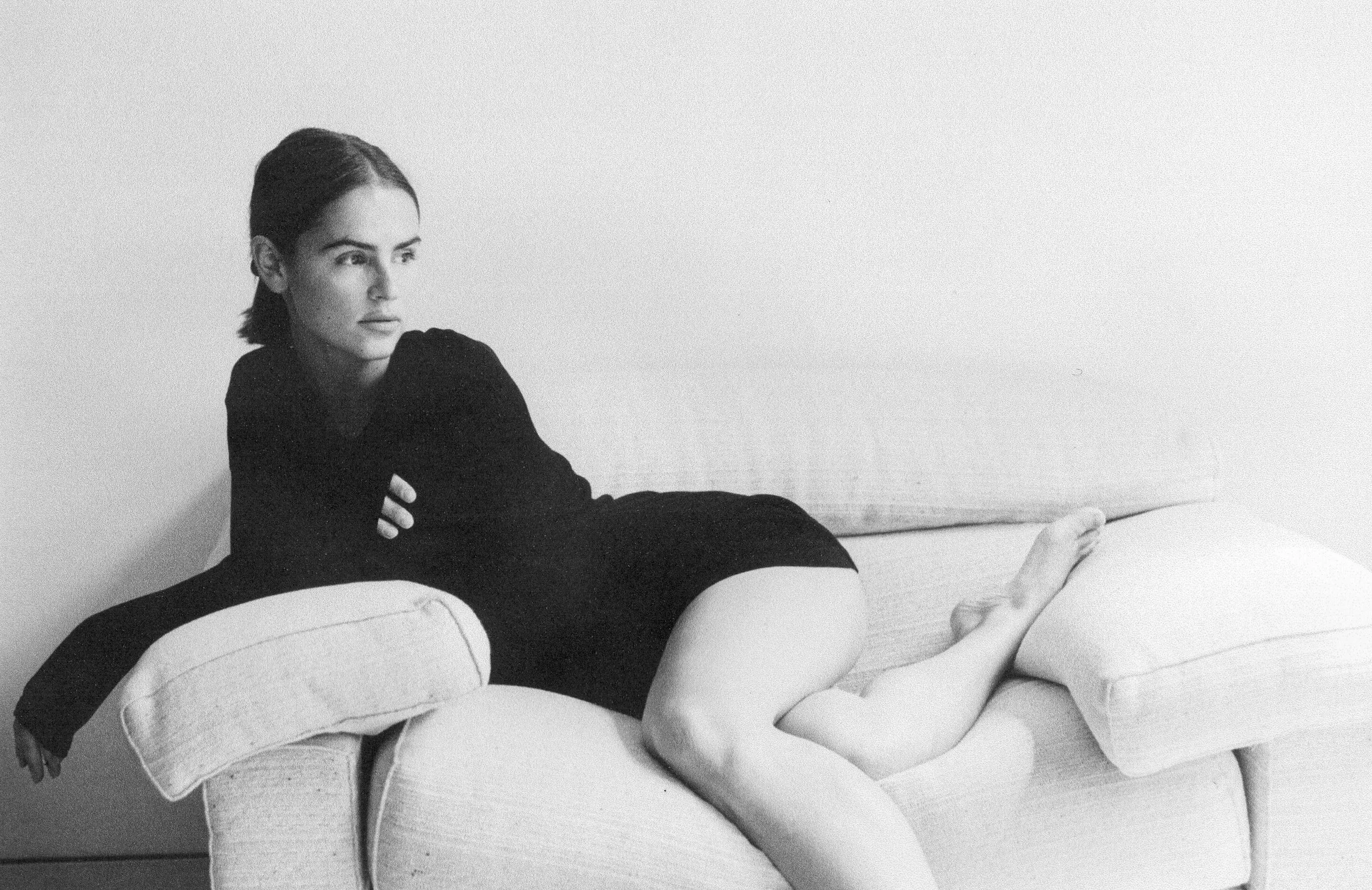
top LEMAIRE
In a time when there is constant creative output and comparison, how do you deal with self-doubt and the feeling of “Is it good enough?”
They always used to tell us in script school, “All stories have been told, but not by you.” It’s never about the story, but how you see it and how you tell it. Everything is a choice, and that choice is yours. It can’t be copy-pasted. For me, that has always been a huge reminder whenever I feel insecure.
I also try to explore and let myself go, to not have a plan. The more you create, the more you start to understand yourself. If you don’t, it just stays there laying in your head.
And ultimately, keeping it positive.
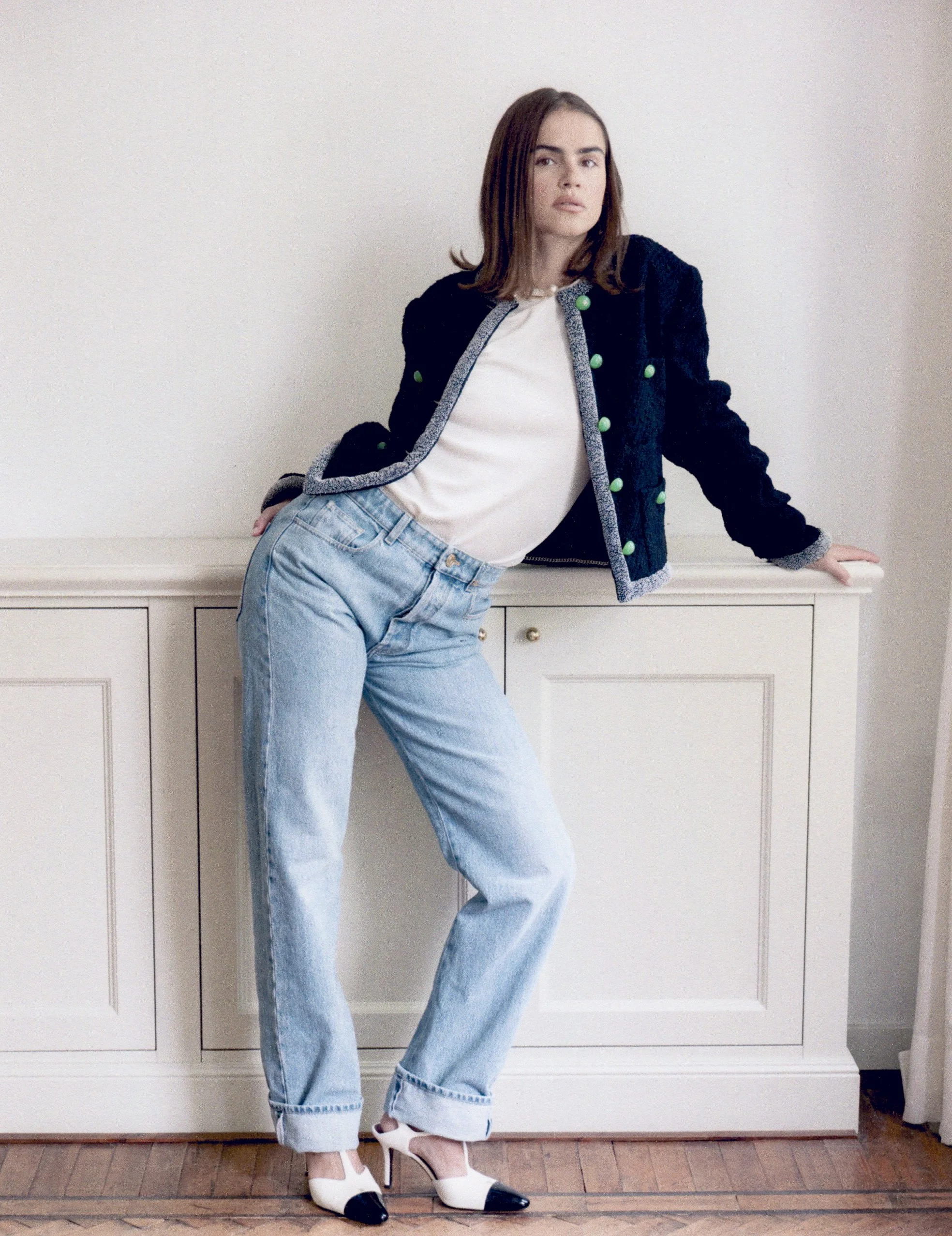
full look CHANEL
TEAM CREDITS:
talent OLIVIA LONSDALE
photography EMMA VERMAASE
styling and interview MARIA MOTA
hair and makeup IRA HUTTER
editor TIMI LETONJA
