
IN CONVERSATION WITH ROMAIN PISSENEM
Interview by Samo Šajn
For more than three decades, Romain Pissenem has explored the space where music, storytelling and visual spectacle meet. Through his creative studio High Scream, he has developed large-scale productions for artists including David Guetta and Black Coffee, as well as major events such as the Paris 2024 Olympic Games. Most recently, High Scream brought its vision to Antwerp for Amelie Lens’ Aura show, creating an immersive open-air experience around the Royal Museum of Fine Arts Antwerp through music, architecture, light and visual art.
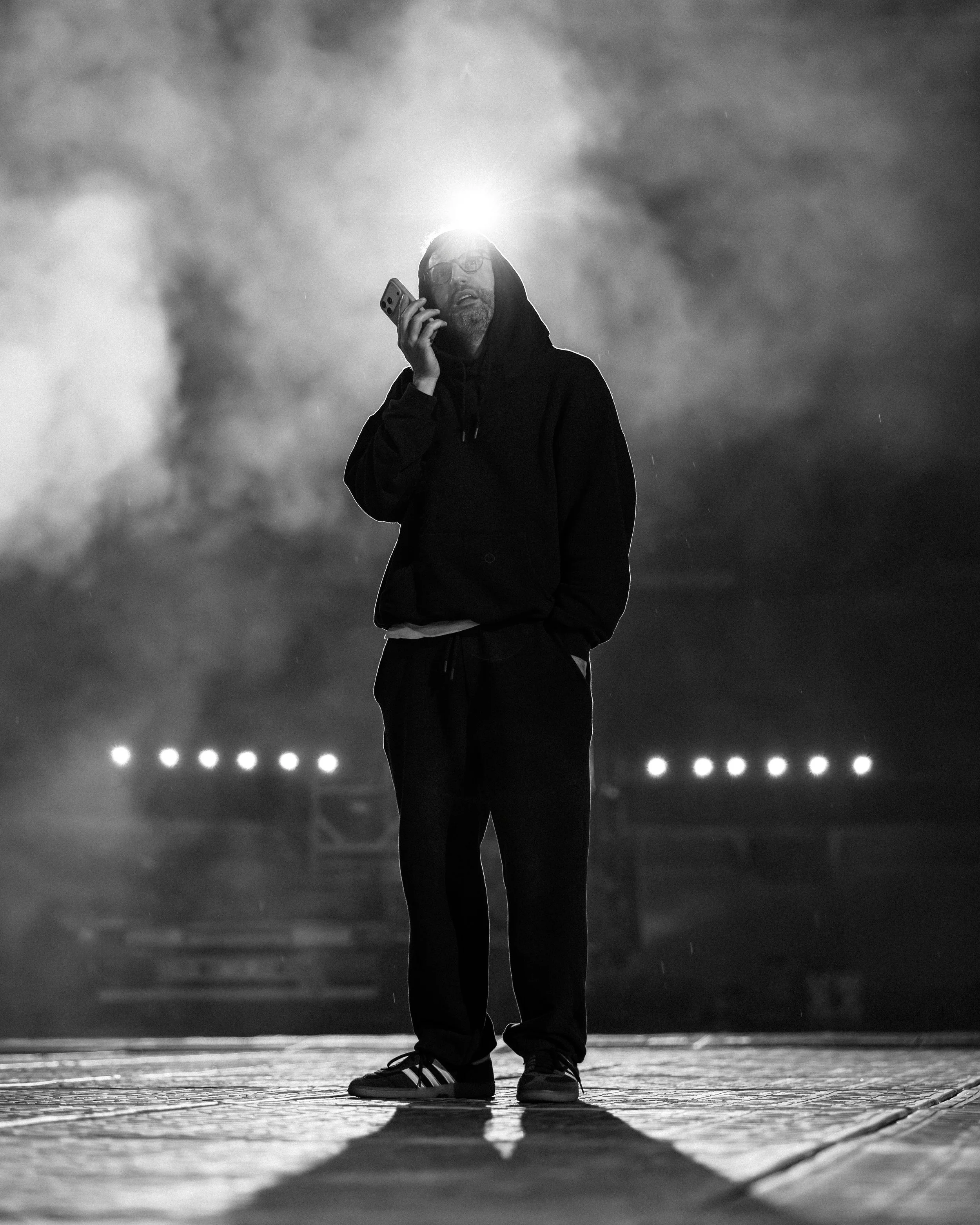
What first inspired you to start working in creative production and live entertainment?
I started really young, when I was around 15 or 16. I was a big fan of American movies and originally wanted to do something connected to cinema, but at the time buying a camera and making films was simply too expensive. So I started working in theatre instead. We didn't have much money to produce our shows, so we would organise illegal parties in the theatre when it was closed, bringing in strobes and club lighting while keeping the theatrical sets and decorations in place.
Seeing people dancing in this theatrical environment was really interesting to me. That was when I realised the kind of shows I wanted to create would sit somewhere between electronic music, concerts, parties and theatre. For the last 30 years, I have been dedicated to finding that balance between storytelling and big visual moments.
How would you describe the creative identity of High Scream today, and has that identity changed since you started?
The most important thing for me has always been having a story to tell. You can use any technology, decoration or effect you want, but it only makes sense if it is serving a story. That has always been part of our DNA and it still is today.
What has changed enormously is the technology available to us. The tools we now have for design, lighting, video, AI and previsualisation allow us to explore many more ideas. But technology should always remain a tool. It only makes sense when it is at the service of the story.
You work with artists from very different musical worlds. How do you adapt your creative approach to each one?
That's one of the things I love most about High Scream. We have the opportunity to work with so many different artists and styles of music. I always describe our job as creating the frame around a painting. The artist and their music are the painting, and our role is to create the most beautiful and accurate frame around them.
That frame changes depending on the artist, their music and their world. I also like to think of music as an architect's plan. Our job is to take that plan and translate it into images.
For Amelie Lens’ Aura show, where did the initial creative idea come from?
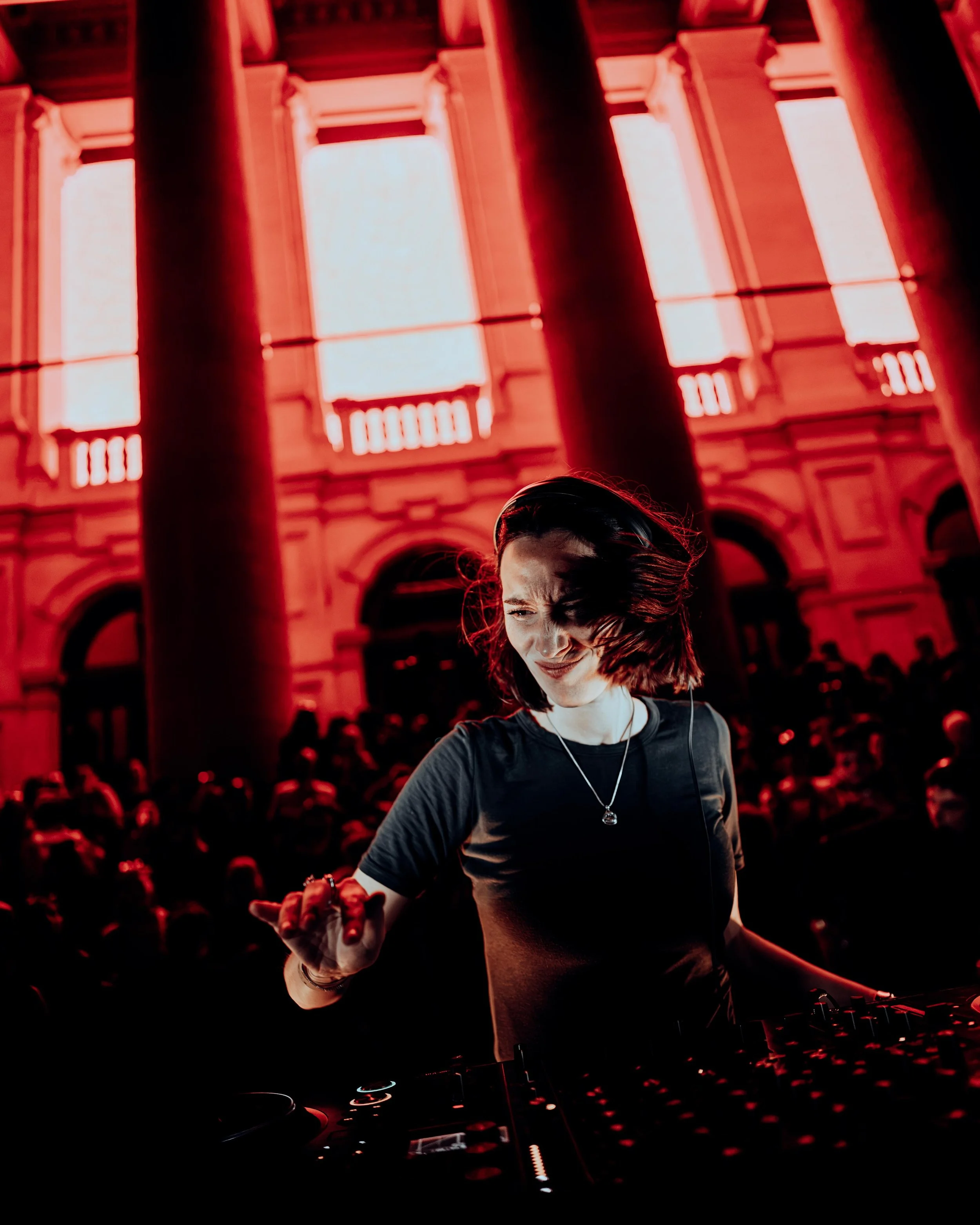
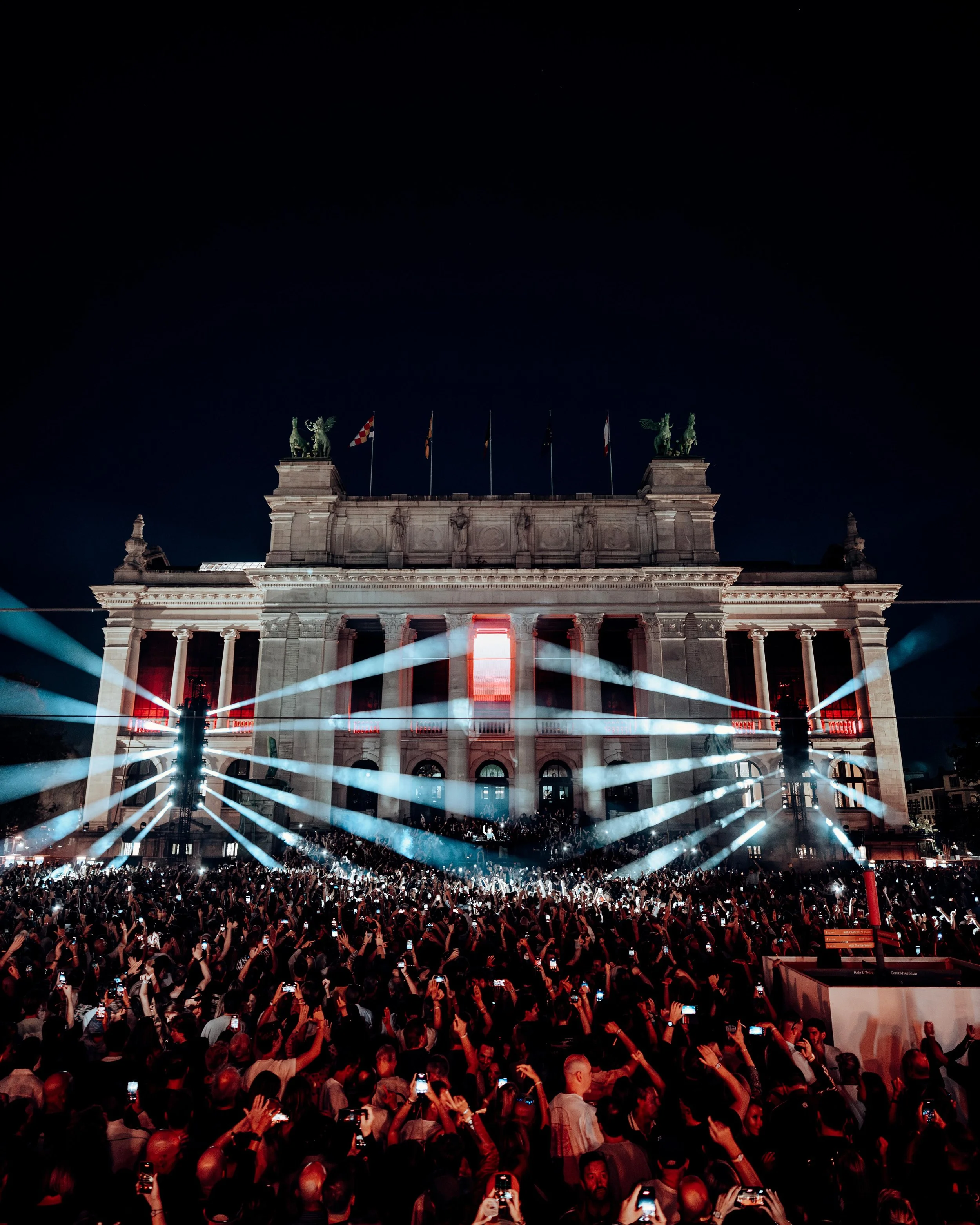
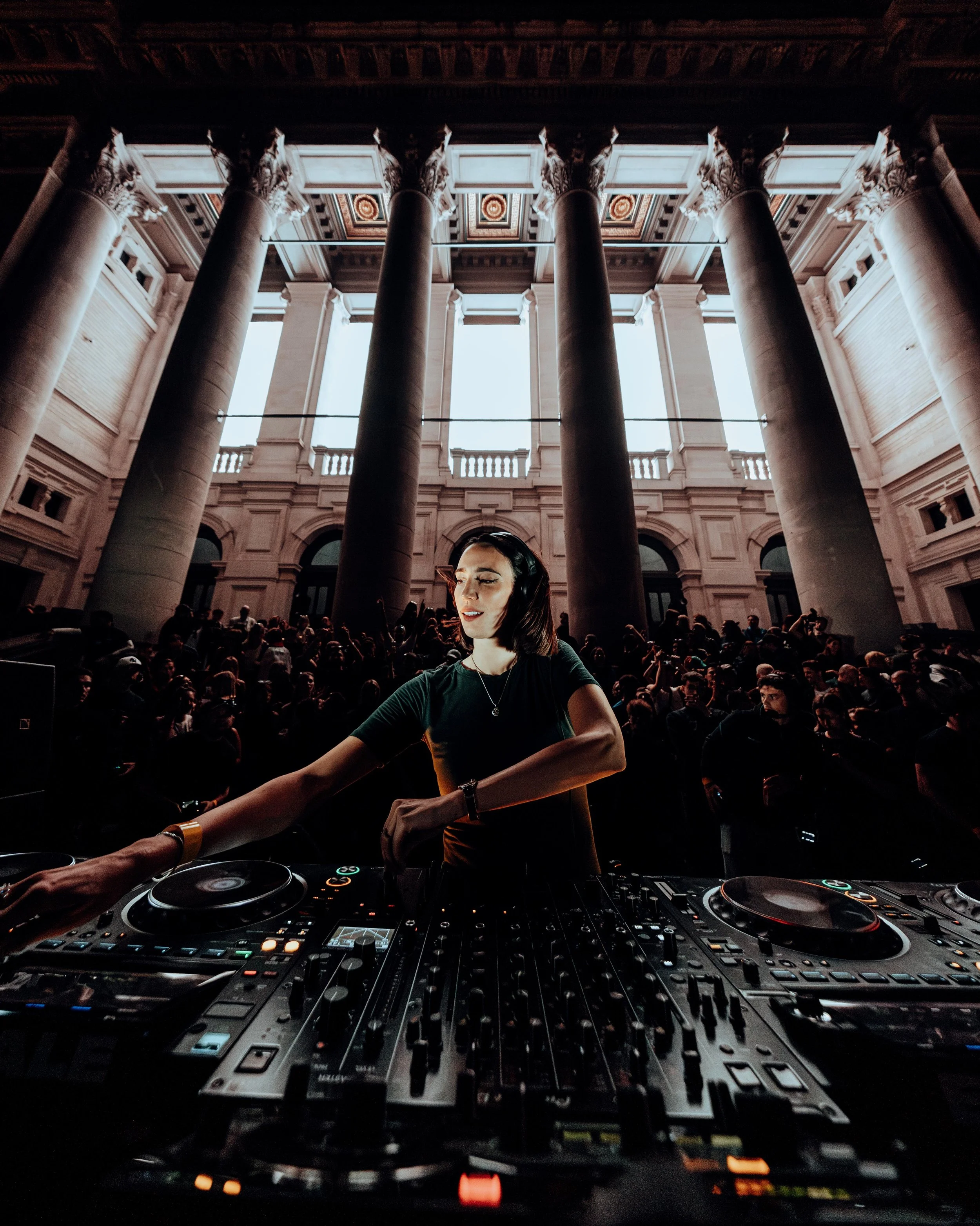
Amelie has a very clear vision of what she wants. She knows the aesthetic she likes, what she doesn't like and the kind of show she wants to create. This project was especially exciting because we were working with an incredible museum. The main question was how we could preserve the beauty of the KMSKA and its architecture without covering or overpowering it, while still giving it the energy of an electronic music show.
We combined architectural and show lighting and integrated LED screens directly into the façade. With around 14,000 people there, it was important that everyone could see Amelie while also experiencing the visual content. The idea was to give the architecture an electronic dimension while keeping the museum at the centre of the experience.
What was the biggest challenge of working with such an important piece of architecture?
Time. That's always one of the biggest challenges. The museum was still operating, so we had a very limited amount of time to install everything. There is also water directly in front of the building, which we had to completely cover to create the dance floor.
When you work with a building like this, you have to make absolutely sure you don't damage anything. At the same time, it's a living space with people visiting it. You have a very short window to transform it from a museum people visit during the day into a place where thousands of people can come together for a huge party.
How big is the team behind a production like the Amelie Lens show?
For me, the team includes everyone, from the technicians installing the lights to the designers, programmers, security, the people covering the water in front of the museum and those cleaning the venue afterwards. The success of a show is the result of hundreds of people working together.
On the creative side alone, you have concept designers, stage designers, lighting designers, show directors, content directors and the teams creating the visuals. You can quickly have 15 or 20 people working just on that side of a show. Once you include the full production, you're talking about hundreds. On some stadium shows, it can reach 1,000 or 1,500 people. It really does take a village.
You’ve also worked on huge productions like the Paris 2024 Olympic Games. What have you learned from working on projects at that scale?
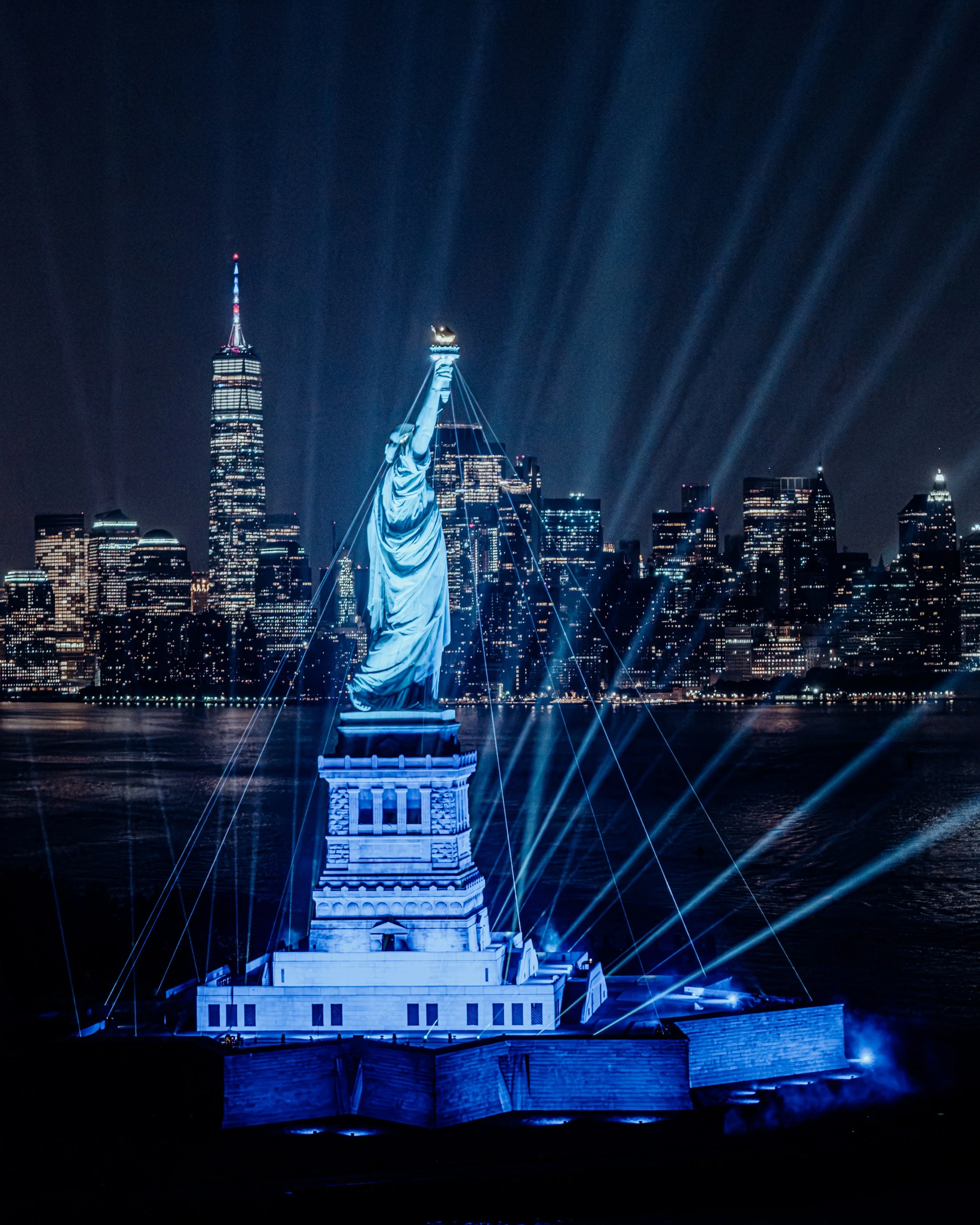
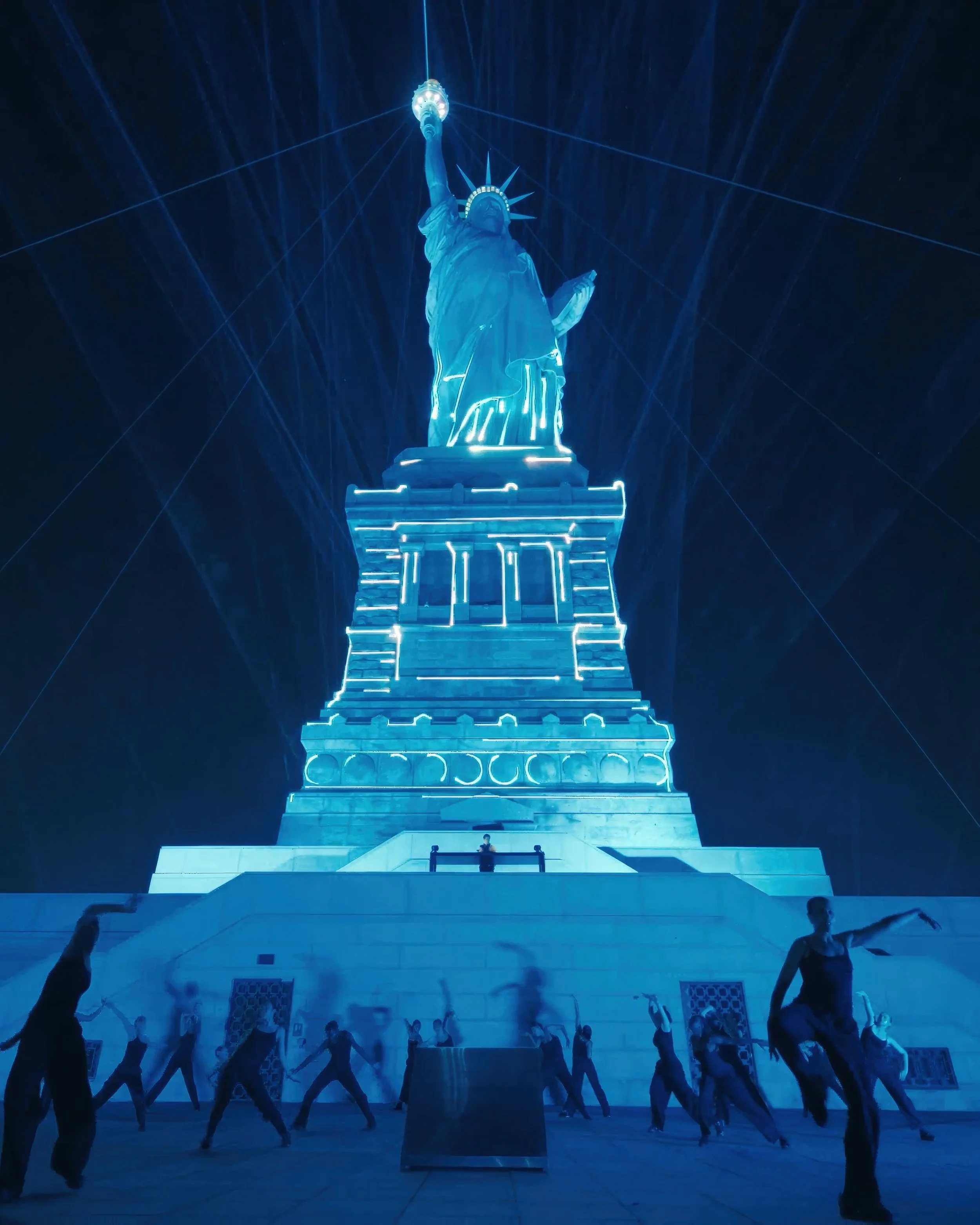
Whether we're working on the Olympics, a stadium show or something like the recent 140th anniversary celebration of the Statue of Liberty in New York, the most important thing is always the audience. With projects like the Olympics or the Statue of Liberty, you're also creating something that will be experienced live on television, so you have to think about how the story works at every scale.
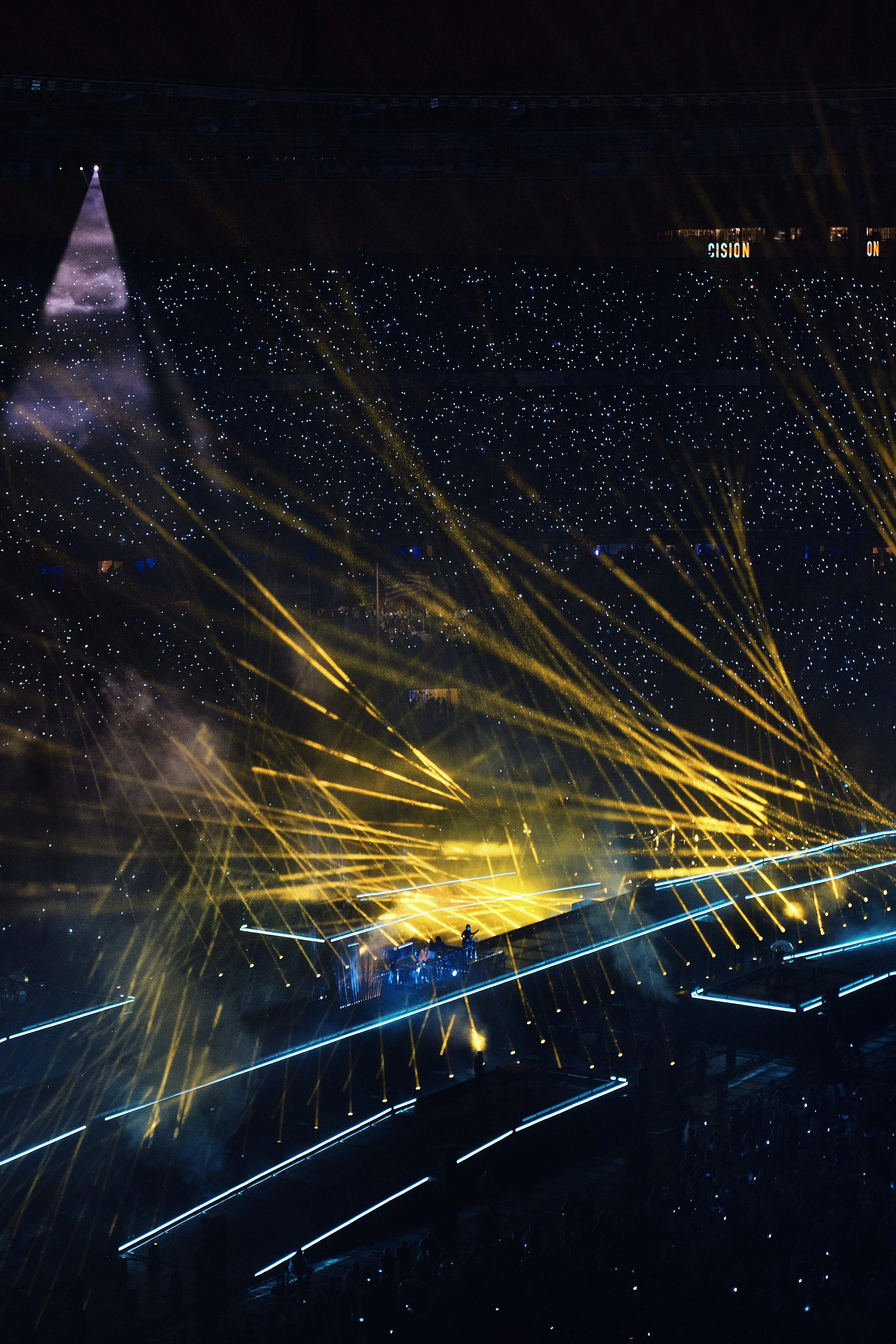
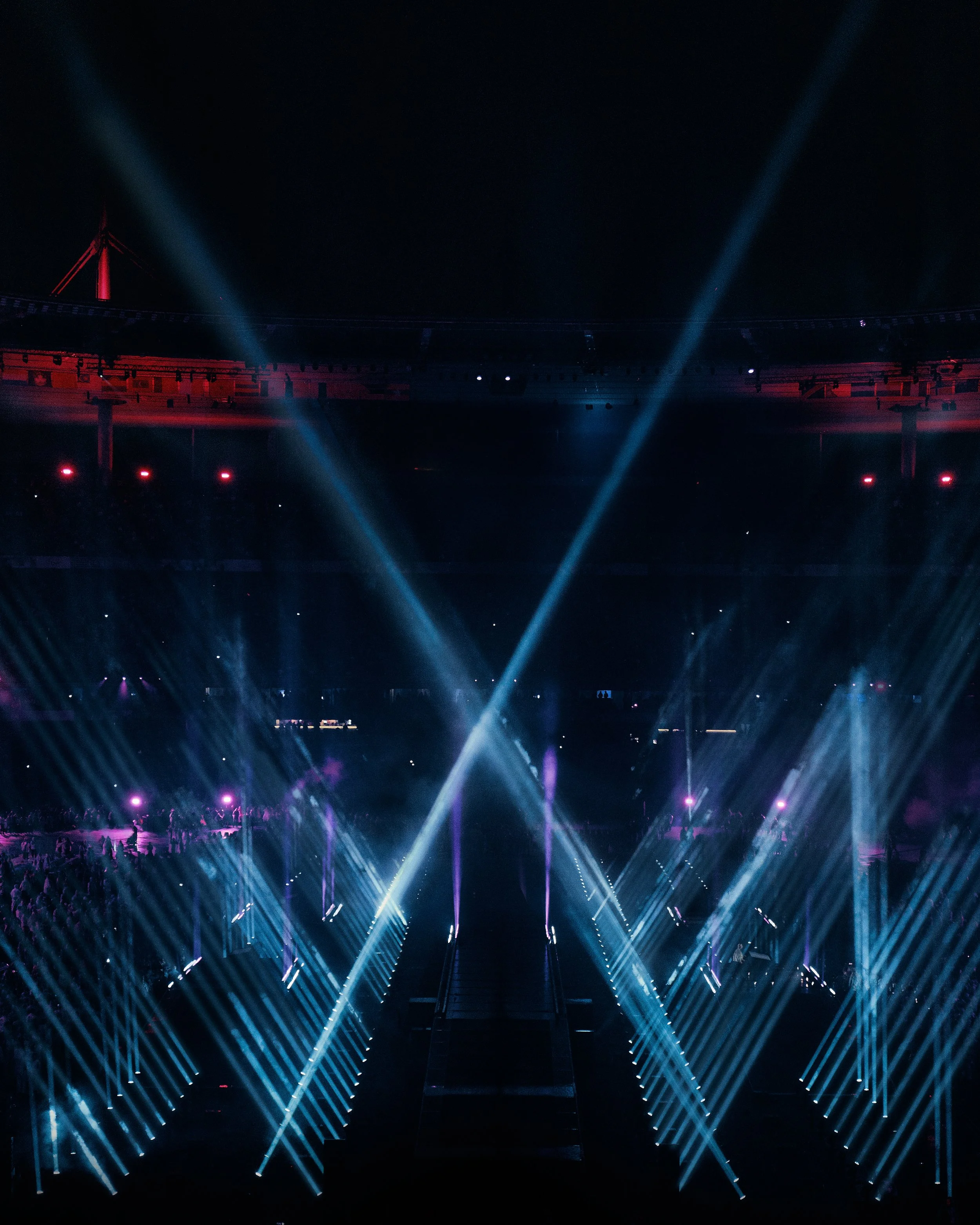
At the same time, someone sitting at the very top of a stadium also worked hard to buy their ticket and may have travelled a long way to be there. We have an obligation to give that person the best experience possible. That's what I love about live events: for a few hours, you can bring people together to share something and celebrate. We're not saving lives, but if we can make people happy for a moment and create that feeling of being together, that's incredibly important.
With audiences becoming more used to immersive experiences, what do you think makes people genuinely connect with a live show today?
Storytelling. You can have a beautiful show, incredible design and amazing effects, but if there is no story, people won't truly connect with it. They might leave with amazing photos on their phones, but that's different from creating an emotional connection. Everything I put into a show needs to be part of the storytelling and feel sincere rather than being there simply because it will make a cool Instagram post.
Most importantly, the music and the artist always have to remain at the centre. Our job is to put an image to the music. I see our work as an extension of it. If the visuals can bring everyone into the artist's musical universe, that's when you create a real connection.
Looking ahead, is there an artist, venue or project you would particularly love to work on?
There are so many. I'm 48 now and I started more than 30 years ago, but I'm still incredibly excited and passionate about what I do. I can finish a show at midnight, have meetings afterwards, get home at three in the morning, take my kids to school and still be excited to get back to the office.
Recently, we were contacted about working with Wu-Tang Clan. I grew up in the countryside in northeast France, skateboarding at 12 years old and listening to Wu-Tang Clan. Suddenly, years later, their producer called and asked if we wanted to work on the show. Moments like that still feel magical to me. Every time we create a new show, there is still something exciting about it.
