
IN CONVERSATION WITH THALIA TRAN
interview by JANA LETONJA
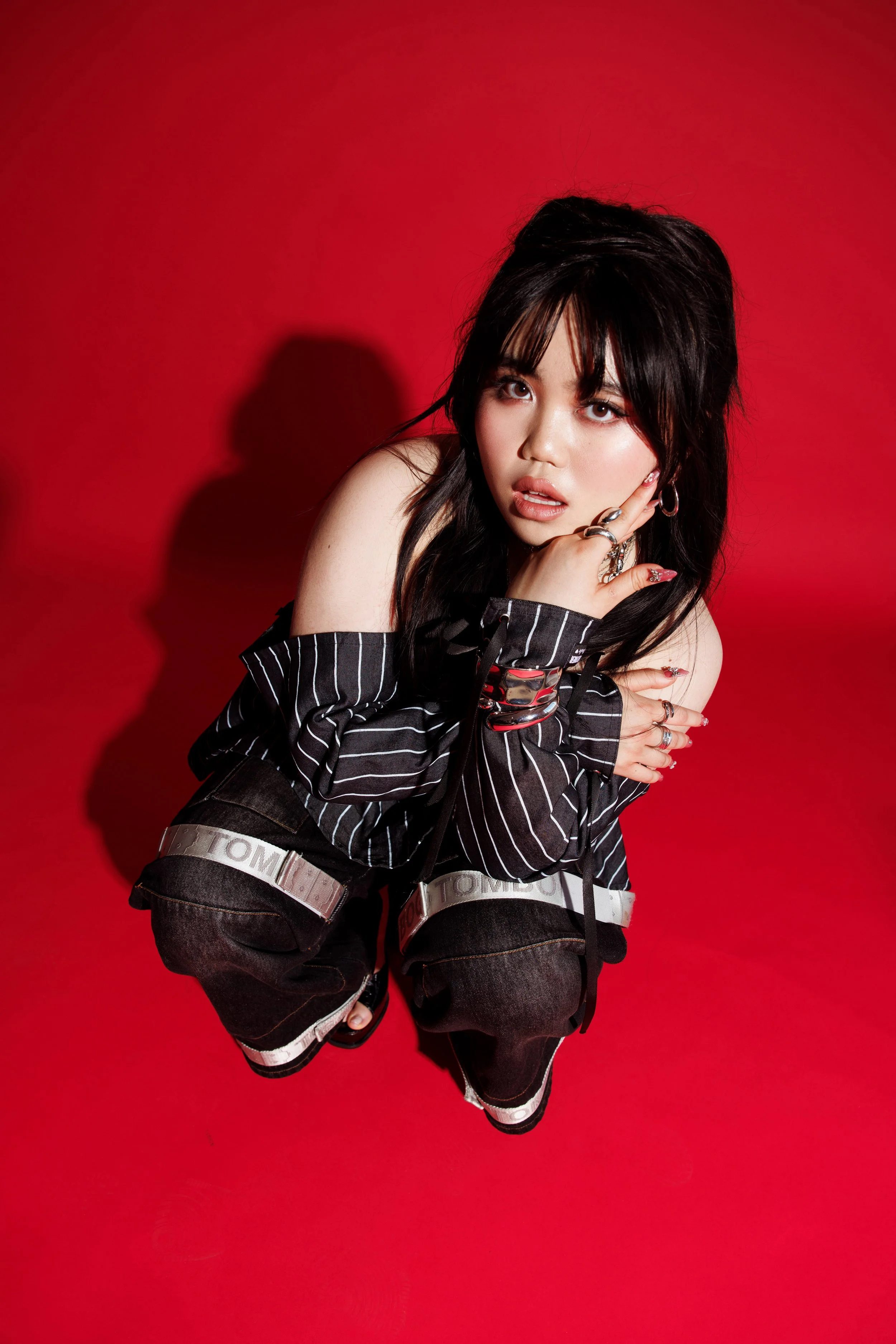
Thalia Tran is part of a new generation of performers reshaping Hollywood with quiet intensity and undeniable presence. First recognised for her voice work in Raya and the Last Dragon, she has steadily built a career defined by emotional precision and versatility across both television and film. Now, she steps into a defining global spotlight with her return as Mai in Netflix’s Avatar: The Last Airbender. With Season 2, premiering this June, positioning Mai at the heart of the narrative, Thalia’s performance signals not just a breakout moment, but the arrival of a compelling new force in genre storytelling. Beyond the screen, she continues to expand her creative voice as a singer-songwriter while exploring work behind the camera, an evolution that reflects a broader ambition to shape stories from every angle.
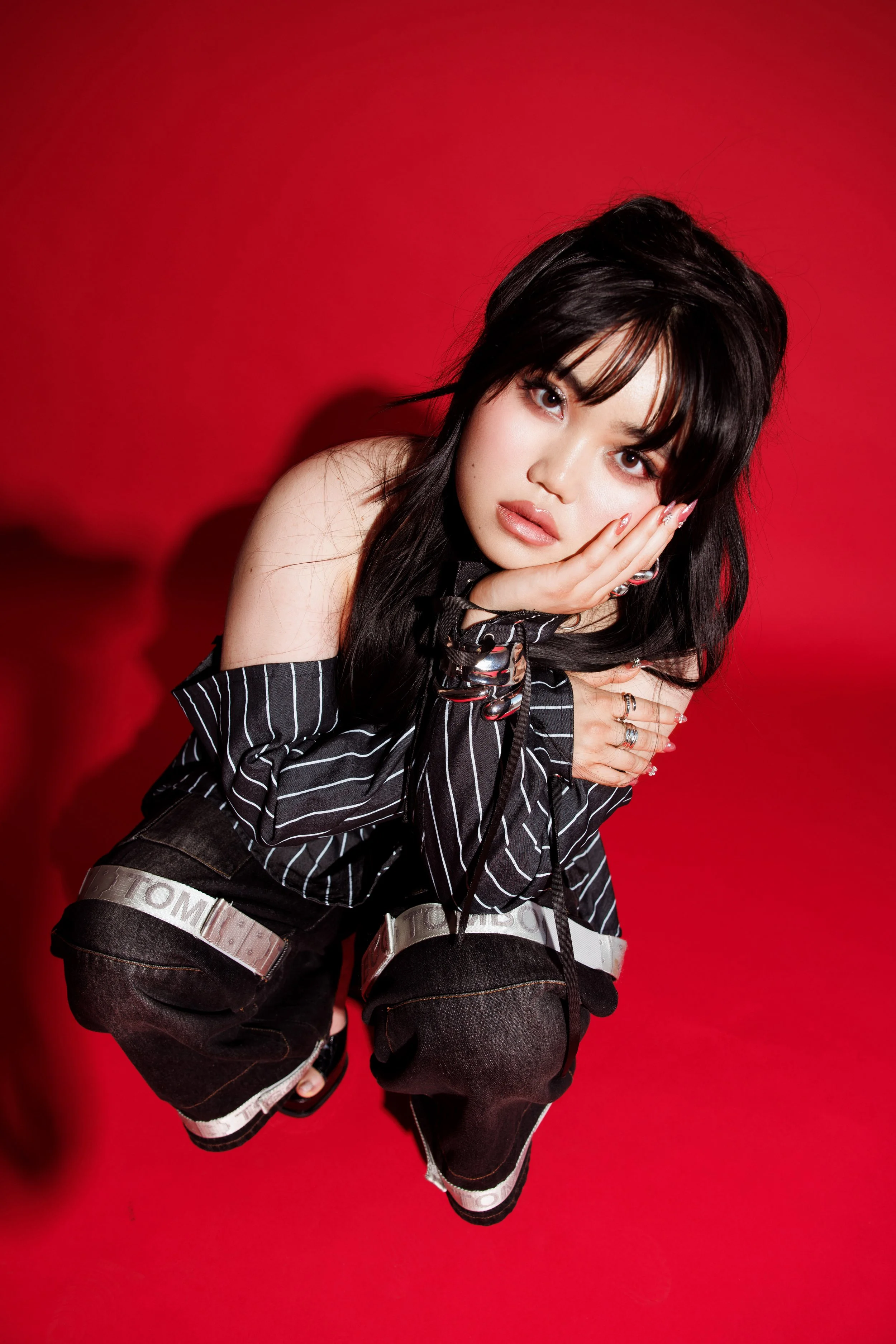
Returning to Avatar: The Last Airbender, what excited you most about stepping back into Mai’s world?
I was so excited to be reunited with my girls, and of course, I couldn’t wait to see how the writers had adapted our Book 2 storylines. Season 1 was like the introduction to our characters, and Season 2 is where we get to see who Mai and Ty Lee are and what our trio is capable of. Apart from that, it was really exciting to see all our new sets and watch the Earth Kingdom come to life in front of my eyes.
Mai is such a controlled, understated character. How do you approach conveying emotion through restraint?
For me, I really wanted to get into Mai’s mindset to understand how she thinks and how she sees the world. Apart from helping me connect deeply to her emotions, this also helped me figure out what parts of herself she chooses to hide and why. Over time, I began to understand, through her eyes, how restraint feels like protection and distance feels like safety.
How does Mai evolve in Season 2, and what new layers do we get to see?
Through their journey into the Earth Kingdom, everything the Royal Fire Academy has taught her is put to the test. This new experience really expands her worldview, and it further solidifies her bond with Azula and Ty Lee. Mai develops a new level of maturity as she comes to realise the true gravity of the situation they are in.
The show has such a passionate global fanbase. How has that response impacted you?
It’s been so fulfilling and moving to connect with Avatar fans from all over the world who care about this show and these characters just as deeply as I do. I’m always so amazed by the edits and fan art that people create.
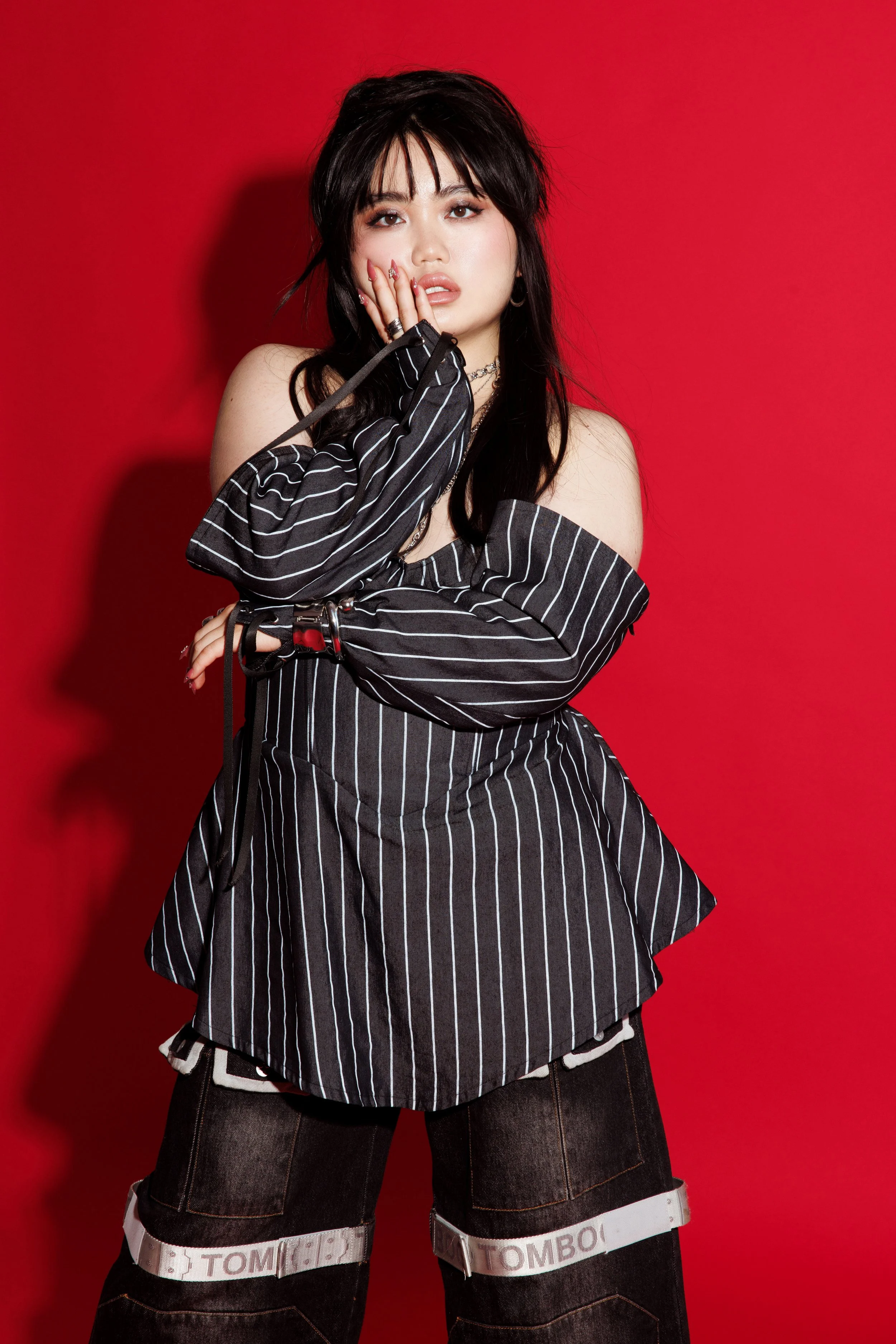
What drew you to this role initially?
One of the things that immediately piqued my interest was how different Mai’s personality was from my own. At face value, we are opposites in many ways, but when I looked deeper, I realised that we actually shared a lot of similarities. Also, I was of course excited about the stunt aspects of the role since I had never tackled anything like this before.
You started in voice acting with Raya and the Last Dragon. How did that experience shape your acting instincts?
Coming from a musical background and voice acting in Raya and the Last Dragon, I really had an appreciation for the voice work that Cricket Leigh did in the original animated series. Even though this is a live-action series, I really wanted to put an emphasis on my vocal characterisation.
As a Vietnamese-American actress, what does it mean to be part of a series with such global cultural resonance?
I feel so honoured to be able to represent my community on such a global scale. There is so much Vietnamese talent out there, and I hope that my involvement in Avatar marks a small step in a long path of progress towards greater inclusion and representation. And to all the Vietnamese youth watching the show, I hope they feel a sense of empowerment and belonging.
Do you feel a responsibility to represent a new generation of talent on screen?
I think my philosophy revolves around bringing my artistic truth to my work and letting others do the same. There is such a wide range of talent in my generation, and I could never replicate or represent all of it. Instead, I think more about embracing individuality and collaboration. I think if there is any sort of “responsibility”, it’s shared among us as a community.
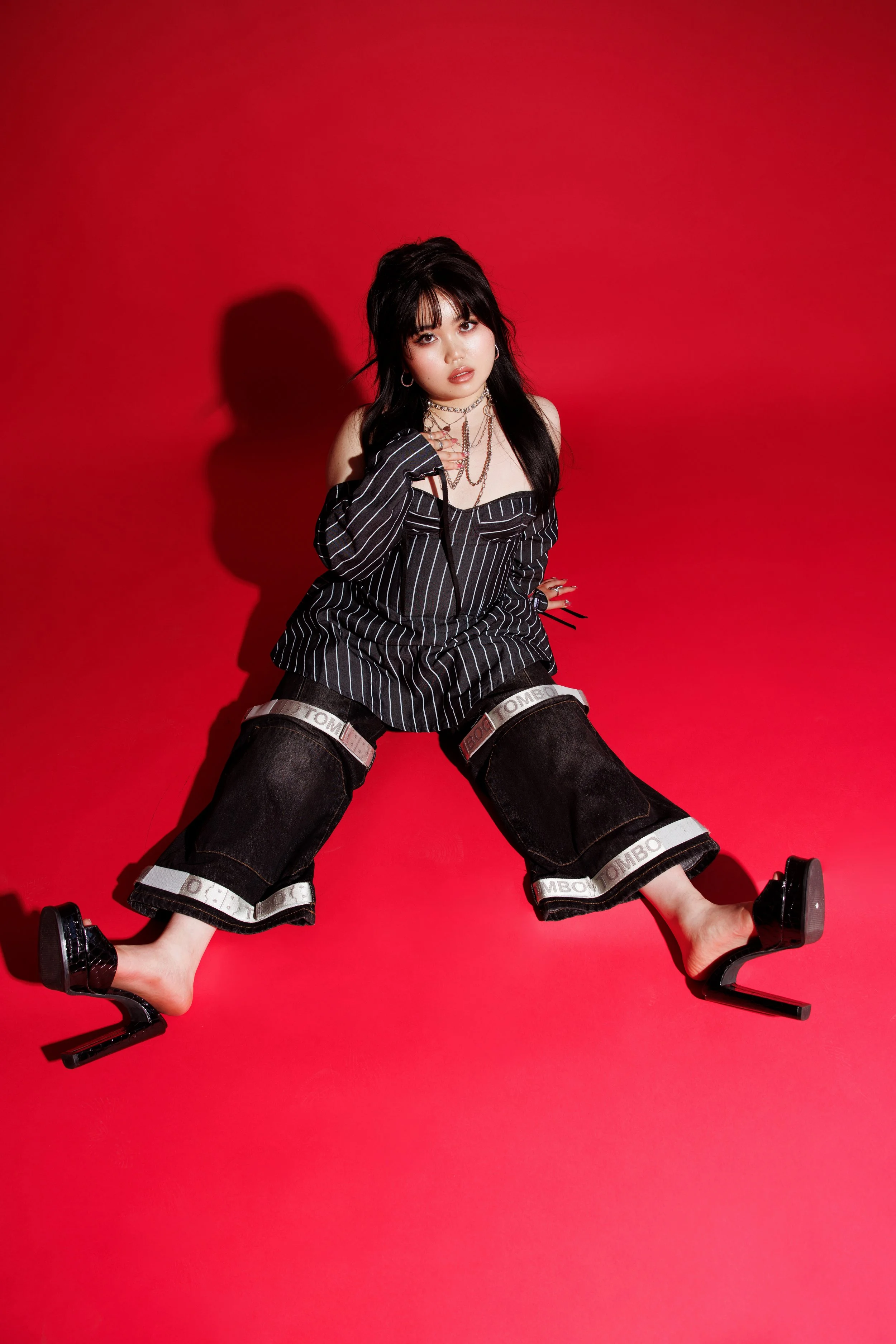
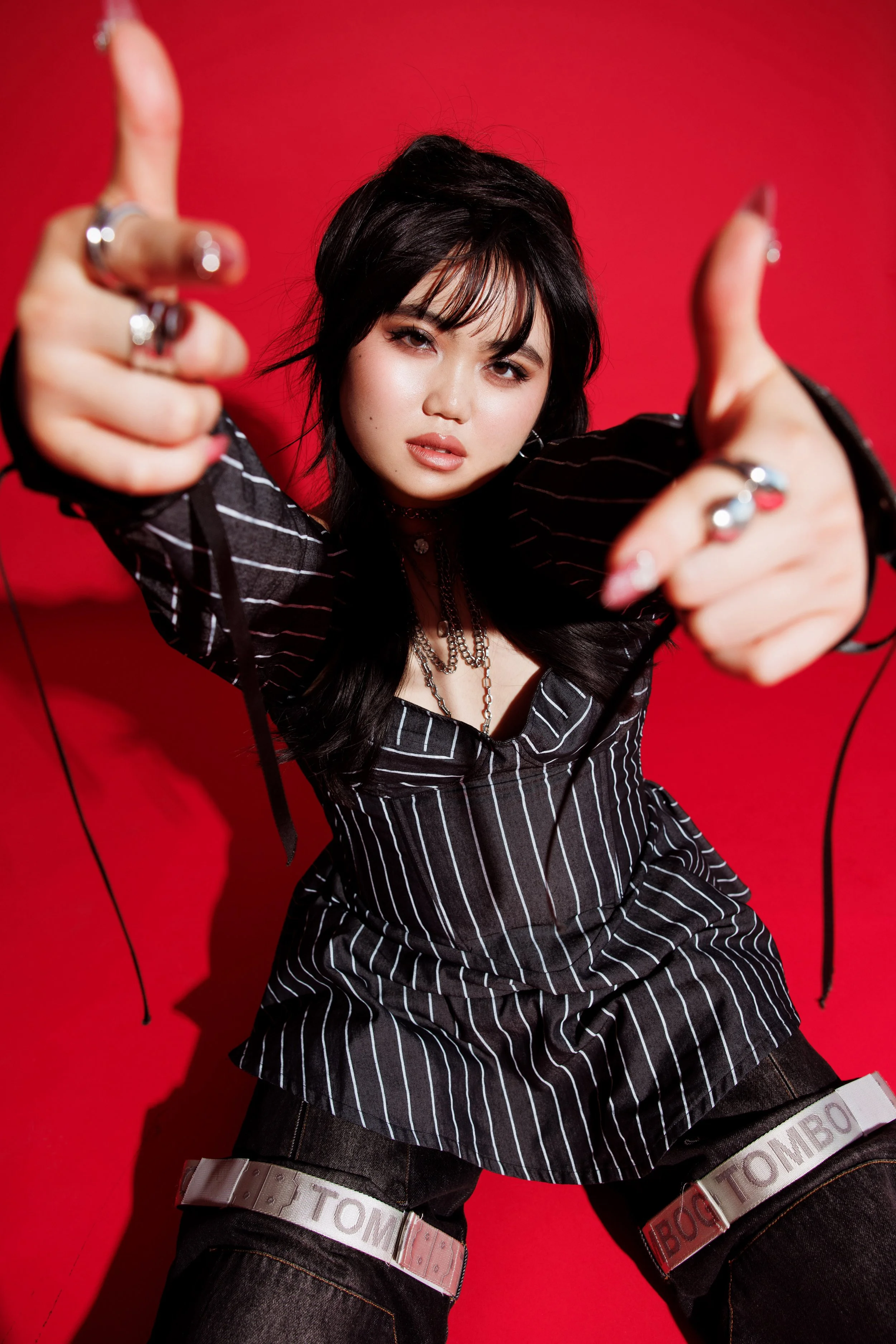
You’re also a singer-songwriter. How does music influence your acting?
I find that my foundation in my music really shapes the way I analyse scenes. I see scene structure similar to song structure, both in terms of storytelling and dynamics. I also view character relationships kind of like instruments working together to create a balanced sound.
What kind of stories are you most interested in telling in the future?
I’ve always gravitated towards stories that move people. I think that’s one of the most beautiful things about art, its ability to touch us, affect us. I hope to explore a diverse range of genres and character types, but ultimately, I want to laugh and cry and feel all the things, and I want viewers to go on those adventures with me, too.
How do you stay grounded while your career is expanding so quickly?
I feel very blessed to have such a strong support network of friends and family to really ground me and keep me connected to myself. It’s so helpful to have people I can rely on and talk to about anything, especially since they’ve been with me every step of the way and know me so deeply.
TEAM CREDITS:
photography BONNIE NICHOALDS
